IRVINE, Calif.--(BUSINESS WIRE)--Apr 2, 2026--
Phoenix Energy Technologies today announced it will operate under the new brand name Verantum. The rebrand marks a strategic expansion beyond energy monitoring into condition-based, asset lifecycle management for HVAC and refrigeration systems where performance is not only observed, but continuously improved through measured, repeatable execution. Verantum’s platform unifies operational telemetry, asset identity data, and service and cost history into an actionable asset record so organizations can make defensible maintenance, repair, and replacement decisions at scale.
This press release features multimedia. View the full release here: https://www.businesswire.com/news/home/20260402809077/en/
Ryan Adelman, CEO of Verantum
“Energy and comfort management was our starting point - guaranteed asset performance is our future,” said Ryan Adelman, CEO of Verantum. “Organizations aren’t struggling with visibility. They’re struggling with execution and proof. Our customers don’t need another dashboard. They need confidence that critical systems are operating as intended, and a path from insight to verified results. Verantum exists to close that gap using better data, better decisions, and better follow-through.”
For more than two decades, the company has supported large commercial operators managing distributed portfolios. Today, its platform and operational expertise support organizations responsible for 45,000+ buildings and more than 2.5M energy-intensive assets, helping detect early signs of equipment failure, prevent costly emergencies, protect occupant comfort and cold-chain conditions, and sustain performance over time.
FROM MONITORING TO VERIFIED OUTCOMES: COLLECT. ANALYZE. ACT.
Commercial building operations generate constant data, alarms, and competing priorities, yet many teams remain trapped in reactive, triage-led operations. Aging infrastructure, fragmented systems, technician labor constraints, rising energy costs, and expanding sustainability accountability have intensified the need for operational control that holds across portfolios, seasons, and years.
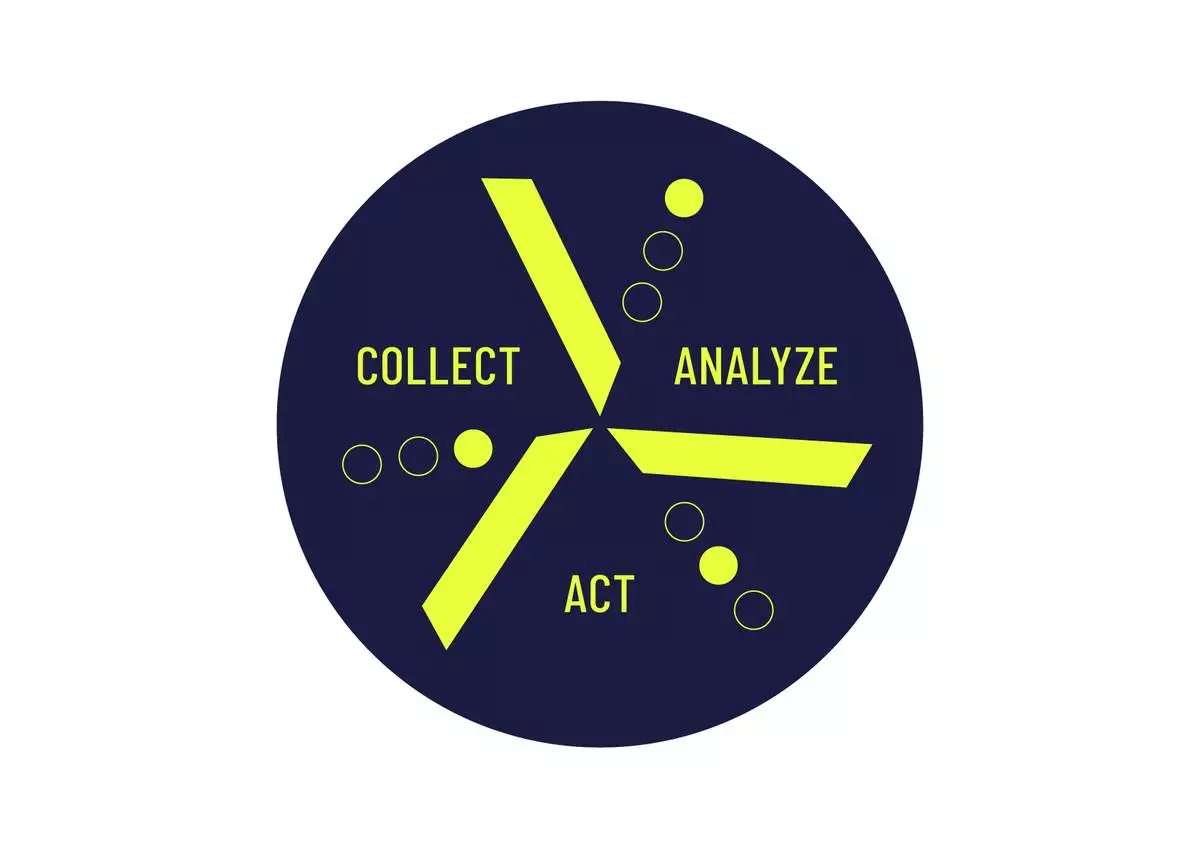
Verantum addresses this challenge through a closed-loop operational framework built on three steps: Collect. Analyze. Act. The system continuously gathers data across HVAC, refrigeration, lighting, and building automation environments, applies analytics to identify risk and performance drift, and coordinates action through workflows and services that restore and then verify performance outcomes over time.
“Visibility alone does not create control,” said Michaela Quinzy, Chief Operating Officer of Verantum. “Verantum brings structure and accountability to building operations. It ensures insights translate into prioritized execution, and that results are measured and sustained.”
A DATA PLATFORM FOR HVAC/R LIFECYCLE DECISIONS
Many building platforms stop at alerts or recommendations. Verantum is engineered to serve as a single source of truth for energy-intensive assets by unifying real-time telemetry with asset metadata and maintenance and repair history. This data foundation enables condition-based planning that replaces calendar-based schedules and supports decisions that historically lacked sufficient evidence: what to fix, what to defer, what to replace, and when.
Verantum’s lifecycle capabilities help customers:
This expansion, condition-based asset lifecycle management, represents a step-change in who Verantum serves and what it takes responsibility for, directly supporting facilities leadership and field technicians with workflows built for real-world resolution.
BUILT FOR TECHNICIANS AND THE FIELD SERVICE ECOSYSTEM
Verantum’s expansion includes broader support solutions and services for field service technicians bringing diagnostics, context, and prioritization closer to where work happens. By surfacing asset issues, likely causes, and repair context before a technician arrives on-site, Verantum helps increase speed and quality of resolution while reducing repeat visits and emergency dispatch.
This technician enablement is strengthened through Verantum’s ecosystem approach: integrating across heterogeneous HVAC/R and controls environments, and aligning operational signals with the workflows and partners that execute maintenance at scale.
AN AGENTIC-ENABLED EXPERIENCE: TRANSFORMING HOW CUSTOMERS INTERACT WITH THE PLATFORM
As Verantum evolves, the company is deploying agentic AI workflow automation connected to its proprietary data foundation and execution workflows, targeting high-frequency operational decisions and actions such as ticket triage, work order initiation, technician guidance, and vendor performance management. This roadmap is designed to simplify how customers engage with Verantum, moving from manual navigation and interpretation toward outcome-oriented interactions that accelerate decision-making and follow-through.
WHY THE NAME VERANTUM
The name Verantum is derived from a Latin-inspired construction combining veritas (“truth”) and the concept of measured magnitude, representing truth that has been tested, quantified, and put to work. In practice, the name reflects the company’s core philosophy: performance is only meaningful when it is verified in real operations.
GROWING DEMAND FOR PORTFOLIO-WIDE ASSET PERFORMANCE
The rebrand comes as organizations across retail, grocery, healthcare, and large commercial portfolios face increasing pressure to control operational risk, manage energy costs, protect occupant and cold-chain outcomes, and meet sustainability commitments while operating aging and fragmented infrastructure. Verantum’s expanded data platform, lifecycle capabilities, and ecosystem integrations position the company to play a larger role in how enterprises govern building asset performance across distributed environments.
ABOUT VERANTUM
Verantum establishes sustained performance across energy-intensive assets and complex commercial portfolios. The company unifies HVAC, refrigeration, lighting, and building automation systems into a closed-loop framework of Collect. Analyze. Act. Performance issues are identified early, prioritized by operational and financial impact, executed through coordinated workflows and services, and measured to ensure results hold over time.
Trusted by organizations managing tens of thousands of buildings worldwide, Verantum helps reduce operational risk, extend equipment life, and ensure performance holds across portfolios, seasons, and years.
Building performance, delivered.
Collect. Analyze. Act. Closed Loop