Lebanon's medical sector finds itself at the epicenter of a devastating war that has compounded years of accumulated crises, with government hospitals now facing unprecedented pressure as they serve as the primary destination for mounting numbers of injured civilians and displaced persons.
The war's repercussions have extended far beyond targeted areas, spiraling into a humanitarian and health emergency in the capital. The massive influx of displaced people has placed Beirut's Rafik Hariri University Hospital under severe strain.
Dr. Mohammad Al-Zaatari, the hospital's director general, confirmed that new wards have been opened to accommodate the surge in patients.
"Since the beginning of the war, we at Rafik Hariri University Hospital and all other government hospitals have been subjected to great pressure for two reasons. First, we have the displaced from the south, the suburbs, and the Beqaa Valley who headed to Beirut and surrounding areas, and therefore the number of patients has increased significantly. The patients arrive exhausted and have health problems, and they may not have brought their medications with them, so the pressure in the emergency room is very great," explained Al-Zaatari.
Israeli attacks have directly targeted healthcare infrastructure across multiple regions, forcibly shutting down more than five hospitals and deepening the crisis.
In addition, the hospital suffers from a severe shortage of vital supplies, from blood units and oxygen to the fuel needed to operate generators, so medical staff find themselves waging a harsh war on two fronts.
"The second problem is that we received approximately 50 casualties from the war, five of them were killed, and five underwent surgery. We also have patients who need dialysis treatment. The hospital had 160 patients undergoing permanent dialysis, and the number has now risen to 270, approximately double. We were forced to transfer them from nearby hospitals and from displacement areas," Al-Zaatari added.
Lebanon has witnessed military escalation since early March amid heightened tensions between the United States and Israel on one side and Iran on the other. The country's healthcare sector - particularly its hospitals - faces enormous challenges on all fronts during the conflict.
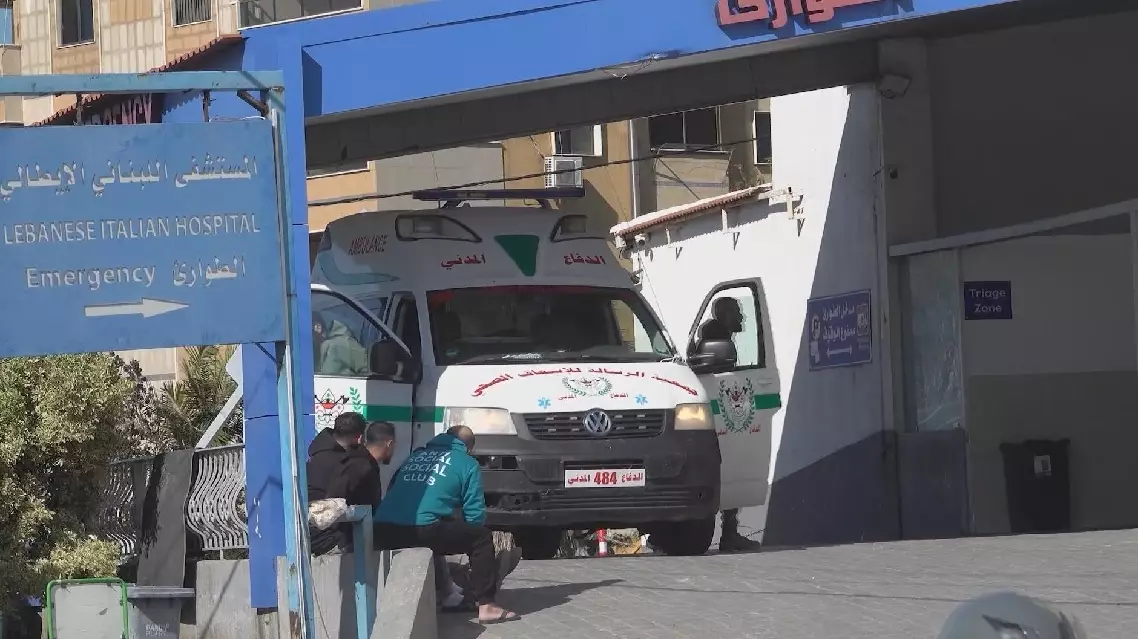
Lebanon's healthcare sector struggles as war exacerbates existing woes
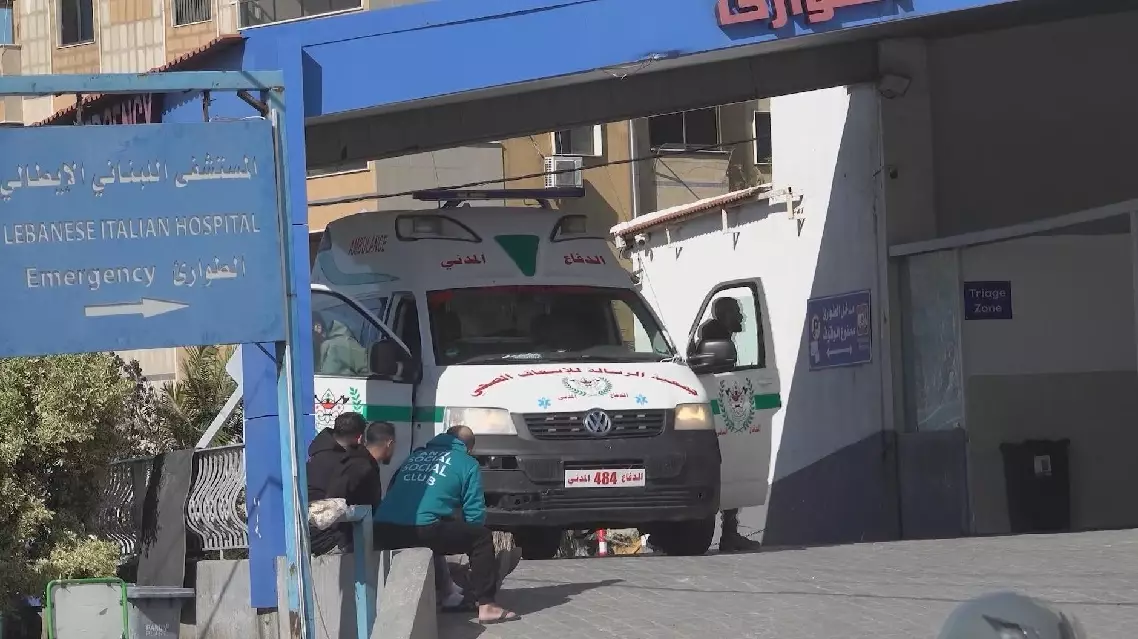
Lebanon's healthcare sector struggles as war exacerbates existing woes