Memorial ceremonies were held in southwest China's Yunnan Province during the Qingming Festival, which runs from April 4 to 6, to honor fallen anti-drug officers and their sacrifices on the frontlines of cross-border trafficking.
Qingming Festival, or Tomb-Sweeping Day, which falls on Sunday this year, is a time for Chinese people to mourn the deceased and pay tribute to ancestors, as well as to honor those who sacrificed their lives for the country.
One such ceremony was held in Jiangcheng County of Pu'er City in Yunnan, bordering Laos and Vietnam, in memory of Yang Jungang, an anti-drug officer who was fatally shot while pursuing traffickers on March 7, 2016.
A fellow officer recalled Yang's final moments, saying he continued chasing the suspect even after being shot.
"Even after he was shot, he chased the perpetrator for more than 10 meters before collapsing. His last words were: Did we catch them?" said Shang Zhijun, a police officer with the Pu'er Border Management Detachment.
During his nearly 20-year career, Yang handled more than 150 drug-related cases and helped seize over 500 kilograms of narcotics.
Among those attending the ceremony this year was Yang's 15-year-old son, who visited the site for the first time, carrying a letter addressed to his father.
"I haven't seen my father for a long time, and I feel a deep sense of grief. He worked under such harsh conditions. To me, he is someone truly worthy of respect," he said.
Yang's story underscores the risks faced by anti-drug officers along China's southwestern border. Official data show that 191 officers have lost their lives along Yunnan's 4,060-kilometer frontier over the last few decades.
Similar memorial activities were also held in other border areas, including Baoshan, which borders Myanmar.
"A good life is something we owe to countless unsung heroes who strive and struggle in places unseen. That's why my daughter told me she felt truly inspired," Shang said.
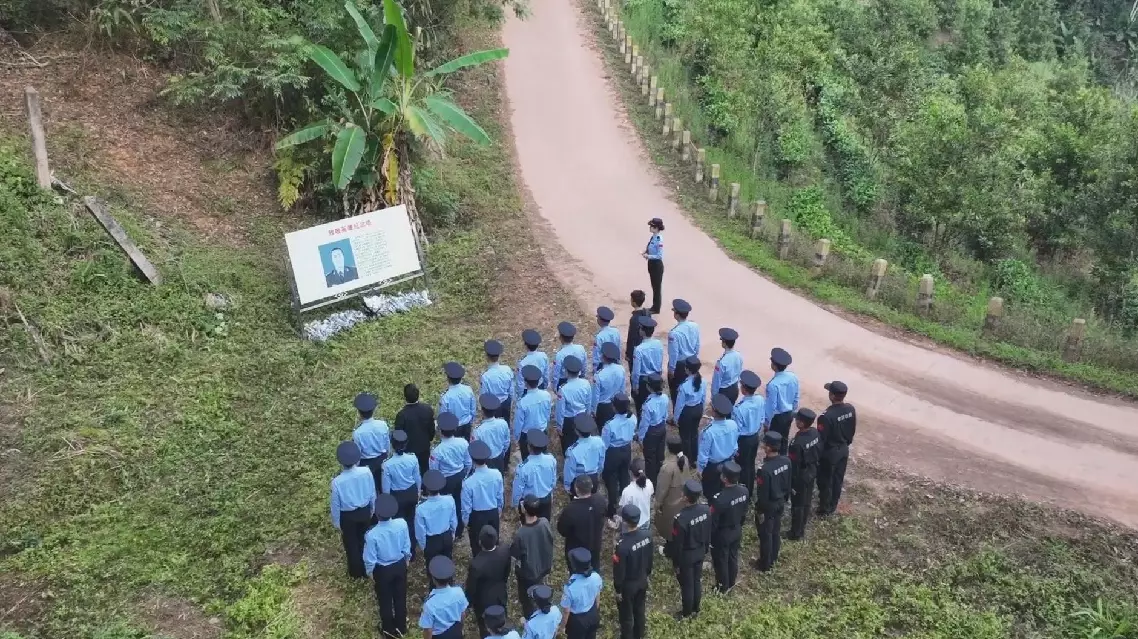
Chinese Yunnan border towns honor fallen anti-drug heroes during Qingming Festival
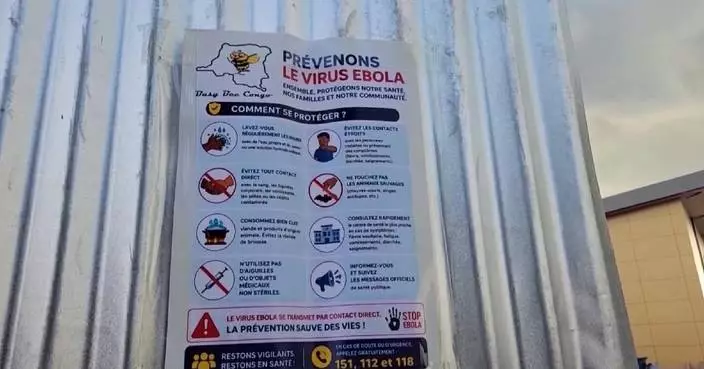
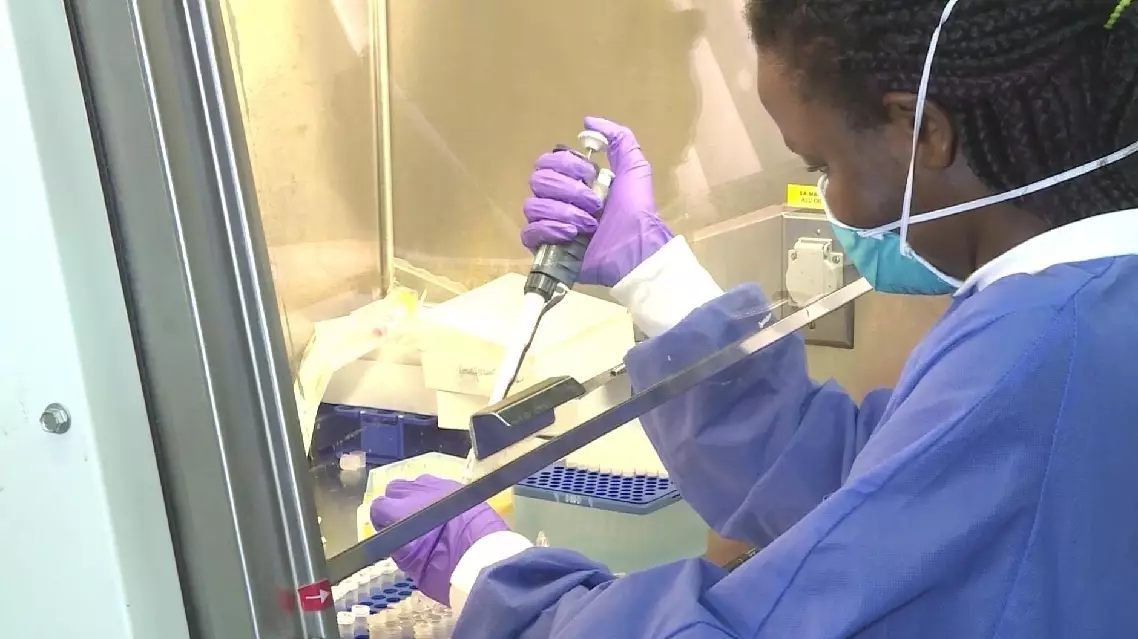
Ugandan scientists are accelerating vaccine research and development efforts to curb the Bundibugyo strain of the ongoing Ebola outbreak, which is spreading across the country and in neighboring Democratic Republic of the Congo (DRC).
Scientists at the Uganda Virus Research Institute are collaborating with global health organizations and pharmaceutical companies in developing an effective vaccine.
According to the World Health Organization (WHO), the Bundibugyo virus, which currently lacks approved vaccines or specific therapeutics, is one of three ebolavirus species that cause large Ebola outbreaks, alongside the Zaire and Sudan viruses.
Pontiano Kaleebu, director of the Uganda Virus Research Institute, told CGTN (The China Global Television Network) that researchers at the institute are examining whether existing Ebola vaccine options can offer protection for the Bundibugyo virus, and they are also studying whether experimental drugs used to treat other Ebola strains can work against the new strain.
"The health workers got some of these vaccines for Zaire, and if you boost them with another vaccine - let's say the Sudan vaccine [which is] not yet licensed but available - do you broaden the immune response and [make] people protected?" Kaleebu said in a recent interview.
Although uncertainties remain, ongoing clinical trials are designed to provide clearer answers.
Researchers are also exploring options for conducting trials in both Uganda and the Democratic Republic of the Congo (DRC), including the use of antibodies from Ebola survivors.
According to Kaleebu, similar tests were conducted during the West African Ebola outbreak in 2014-2016, and the results were successful.
"We already have individuals who got infected with Zaire, those who got infected with Bundibugyo, those who got infected with Sudan. If you get their antibodies, can they kill the other one, can someone who has antibodies against Zaire, can those antibodies work against Budibugyo? Those lab studies are also being planned," he said.
The WHO says a promising vaccine trial by the International AIDS Vaccine Initiative could be available in as little as seven months.
Following a visit to an Ebola isolation unit at a hospital in Uganda's capital Kampala on Monday, WHO Director-General Tedros Adhanom Ghebreyesus highlighted the need to accelerate research and development efforts, including work currently underway on monoclonal antibodies and antiviral treatments for Ebola. He noted that investment in vaccines, therapeutics, and diagnostics remains critical for future outbreak preparedness.
He also reaffirmed WHO's commitment to supporting Uganda's response and emphasized that governments must remain at the center of emergency response efforts.
"There are other support we give - I already told you the emergency medical team, I mean the emergency medical training we started many years ago and many Ugandans were certified, I think I had 148 [of them] - that helps in preparedness and that helps in response," the WHO chief said.
According to the WHO and health authorities in both Uganda and the DRC, most of the 19 confirmed Ebola cases in Uganda are imported from the DRC, where the latest outbreak was declared by its health ministry in mid-May, with the confirmed infections rising to 689 and the death toll reaching 139 as of Friday.
Uganda fast-tracks vaccine development for Bundibugyo Ebola strain