Iranian parliament speaker Mohammad Bagher Ghalibaf, who led Iran's delegation in recent U.S.-Iran ceasefire talks in Pakistan, said on Sunday that Iran would not yield to any threat and would respond firmly to any provocation from the United States.
Speaking after returning from Pakistan, Ghalibaf said that the Iranian delegation had very intensive, serious and challenging talks, and presented a range of proposals designed to demonstrate its sincerity from a comprehensive and diverse perspective, with the support of the experts present.
Ghalibaf said that the Iranian delegation did not trust the United States, and such long-standing mistrust has existed for 77 years. He also said that after launching attacks against Iran twice in the middle of negotiations within a year, the United States should try to earn Iran's trust.
The talks lasted more than 20 hours, Ghalibaf said.
Responding to the latest threat from U.S. President Donald Trump, Ghalibaf said that such threats have no effect on the Iranian people, who have demonstrated this in their actions during 47 years of military confrontations, sanctions, and political pressure.
If the United States wants to find a way forward, the only option is to make a decision and earn the trust of the Iranian people, Ghalibaf said.
Meanwhile, a senior defense official of Israel said the Israel Defense Forces had been in a state of high readiness, preparing for both renewed military operations against Iran and potential Iranian strikes on Israel.
In Yemen, the Houthi armed group warned in a statement on Sunday that any new U.S. or Israeli attacks on Iran or allied groups would trigger a stronger response.
The group said further escalation by the United States would harm global supply chains, energy prices, and the world economy.
If the U.S. and Israel launch another attack on Iran or the "Axis of Resistance", the Houthi armed group remains firm in its stance and will participate in the military operations at a higher intensity, according to the statement.
On the same day, Pakistan's Deputy Prime Minister and Foreign Minister Mohammad Ishaq Dar emphasized that all parties must strictly abide by ceasefire commitments, when he held phone calls with his counterparts from Saudi Arabia, Türkiye, and Egypt.
Dar briefed them on the outcome of the U.S.-Iran negotiations and continuous efforts made by Pakistan in promoting contacts and dialogues among all relevant parties.
He stressed that all parties should strictly adhere to ceasefire commitments, which is essential to easing the current tense situation and de-escalation.
Dar also said that Pakistan will continue playing its role, supporting dialogue and diplomacy to resolve disputes and promote peace and stability in the region and wider areas.
The three foreign ministers welcomed Pakistan's efforts and reiterated their support for political solutions to ease the situation.
All parties agreed that dialogue and political solutions must be upheld to prevent further escalation.
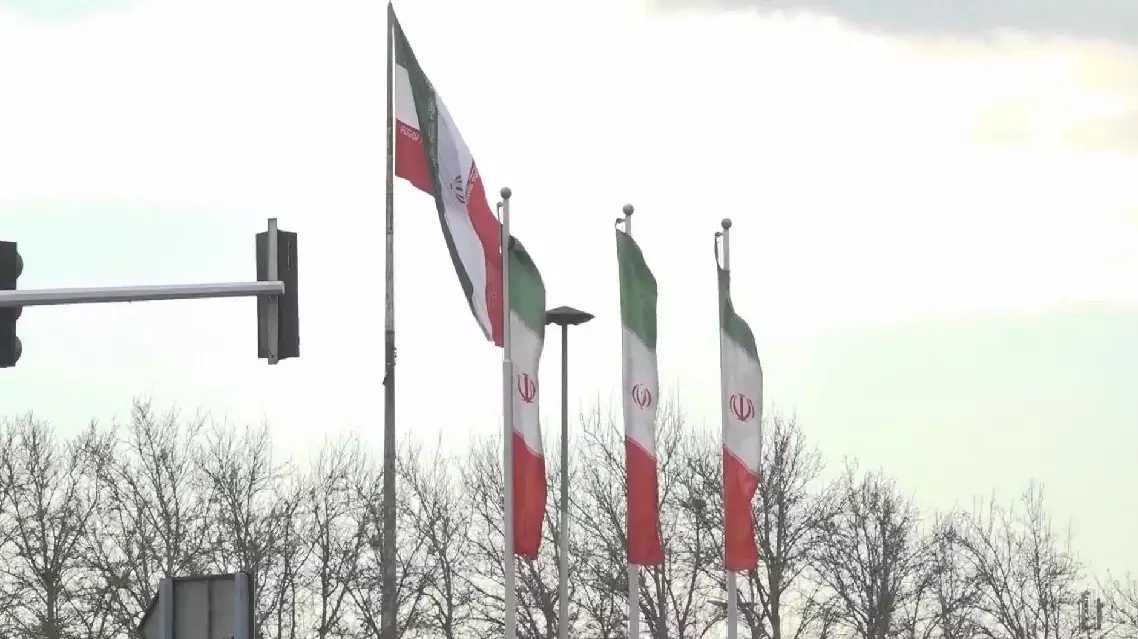
Iran's parliament speaker says Iran will respond to any threats