Hopes for reviving Iran-U.S. peace talks dimmed further on Saturday, when Iranian President Masoud Pezeshkian firmly rejected negotiations under threat, while U.S. President Donald Trump canceled a planned trip by his envoys to Pakistan.
During a telephone conversation with Pakistani Prime Minister Shehbaz Sharif on Saturday, Pezeshkian stressed that Iran would not engage in any negotiations under pressure, threats, and siege.
The Iranian president pointed out that the maritime blockade imposed by the United States and other measures against Iran have hindered the building of mutual trust, adding that continued pressure and confrontation would only make dialog more difficult.
He emphasized that reaching consensus among all relevant parties and building a conducive environment are prerequisites for advancing negotiations.
Meanwhile, Iranian Foreign Minister Seyed Abbas Araghchi is currently visiting Pakistan, Oman, and Russia to enhance diplomatic coordination and promote regional peace progress.
Commenting on the trip, Iranian government spokesperson Fatemeh Mohajerani said on Saturday that Iran is hoping to achieve sustainable peace through diplomacy while firmly defending its national interests.
She also emphasized that all political forces in Iran are united on national security, urging hostile parties not to miscalculate.
Late Saturday, Trump canceled the planned visit to Pakistan of his envoys Steve Witkoff and Jared Kushner.
"Too much time wasted on traveling, too much work! Besides which, there is tremendous infighting and confusion within their 'leadership.' Nobody knows who is in charge, including them," Trump said in a post on Truth Social.
The U.S. president also claimed that "we have all the cards, they have none," adding that "if they want to talk, all they have to do is call."
The first round of Iran-U.S. talks in Islamabad on April 11-12 failed to produce an agreement.
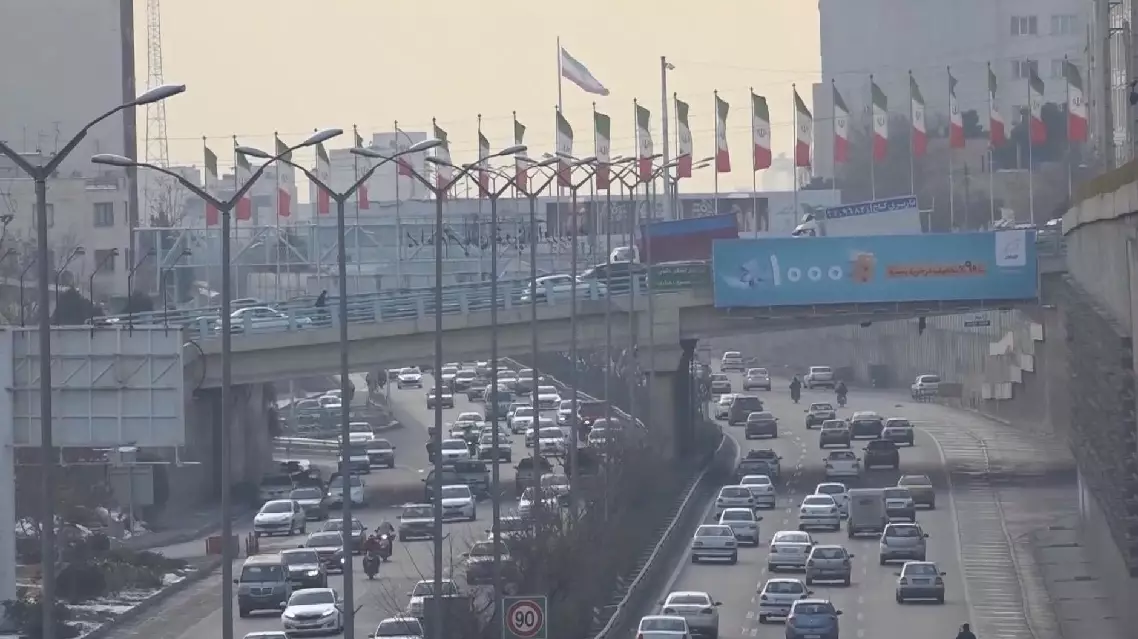
Iran rejects talks under pressure, Trump cancels envoys’ trip
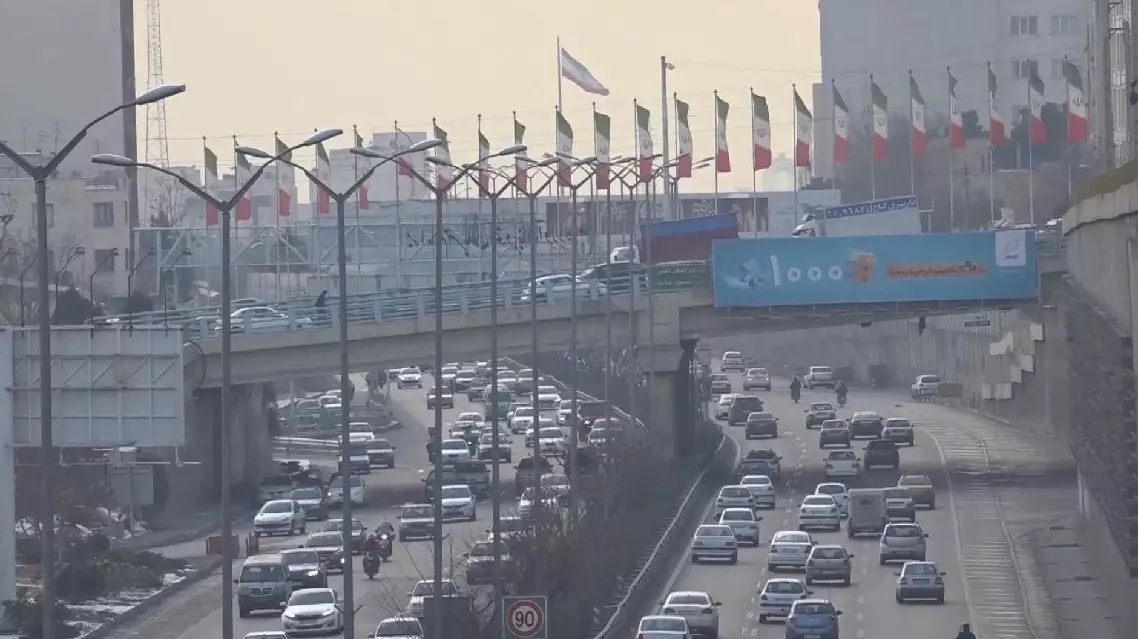
Iran rejects talks under pressure, Trump cancels envoys’ trip