China's transportation network is expected to receive about 294 million passenger trips on Monday, the fourth day of the five-day-long May Day holiday, marking an increase of 4.2 percent compared with the same period of last year, according to figures from the Ministry of Transport.
Railways in the country are estimated to handle 20.3 million passenger trips on the day, a year-on-year increase of 2.6 percent.
The traffic volume across the national expressway network is projected to exceed 269 million passenger trips, an increase of 4.4 percent.
Waterways and airways are expected to handle 1.62 million and 2.16 million passenger trips on Monday respectively.
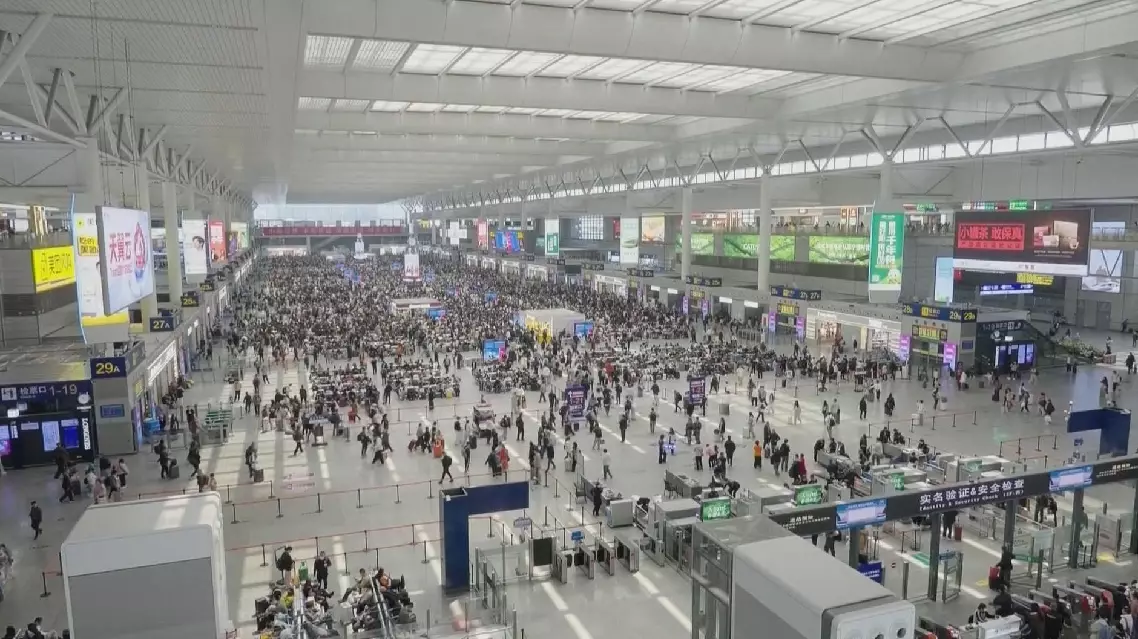
China's transportation network to handle 294 mln trips on 4th day of May Day holiday
China's transportation network to handle 294 mln trips on 4th day of May Day holiday
In response to the latest U.S. tariff threats, Canadian Prime Minister Mark Carney said on Monday that Ottawa would be willing to talk if Washington changed its approach and showed the "right attitude."
"When the Americans go to the negotiating table first, with the right attitude toward our industries and in a true partnership, of course we'll come to the negotiating table," he said.
U.S. President Donald Trump earlier on Monday threatened to impose a 50 percent tariff on cars, automotive parts and steel imports from Canada after trade talks between the two North American neighbors failed.
"On January First, 2027, Tariffs on all Cars, Trucks, both large and small, Automotive Parts, and Steel, will be increased to 50 percent," Trump wrote in a social media post. "Canada will be treated like a state no longer."
"Canada has been ripping off the United States of America for years," Trump said. "We don't need Canada, they need us."
In response, Carney said that he would not accept the attitude that "Canada is a subsidiary of the United States," or that the country should be disadvantaged relative to the United States.
For the latest U.S. tariff threats, Carney said he is not surprised. He said the United States is attempting to use unfair terms to dismantle Canada's automotive, steel and aluminum sectors. He made it clear that Ottawa would never accept such a move.
The two neighbors failed Friday to reach a deal to avert new 50 percent U.S. tariffs on select Canadian goods. The United States currently collects a 25 percent tariff on Canadian cars, and imposes a 50 percent tariff on steel imports from Canada.
Trump blamed Canada for the collapse of talks, alleging "discriminatory treatment" by Canada against U.S. alcohol, car and dairy products.
Besides the trade deal, the United States and Canada need to agree on revisions to the U.S.-Mexico-Canada free trade agreement, which Trump has refused to renew in its current form.
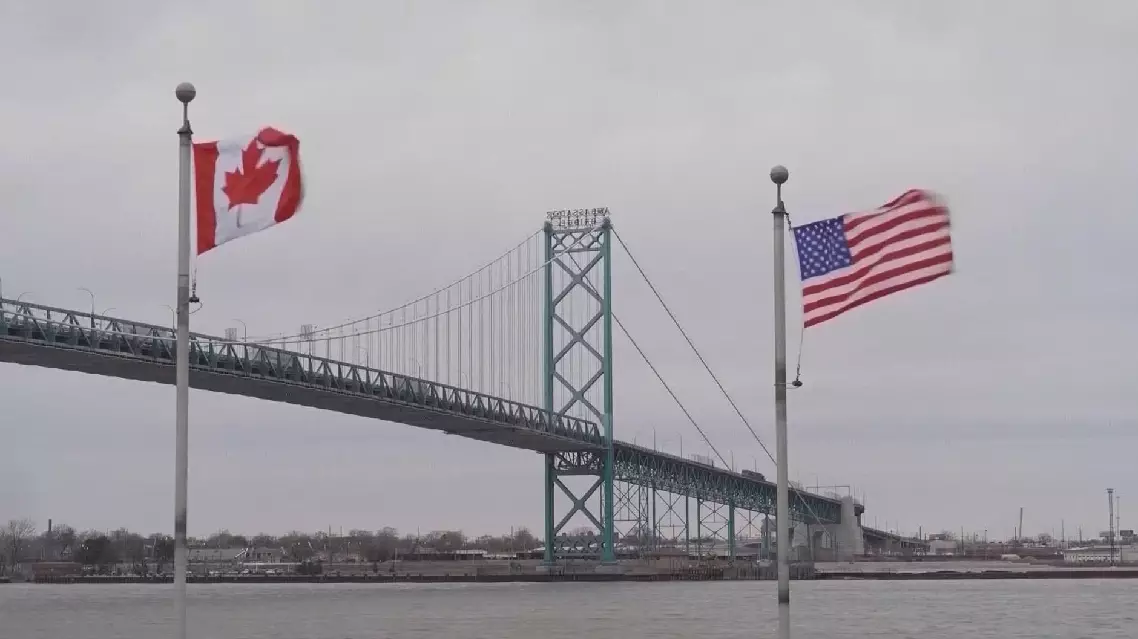
Canadian PM says return to talks conditional on US 'right attitude'