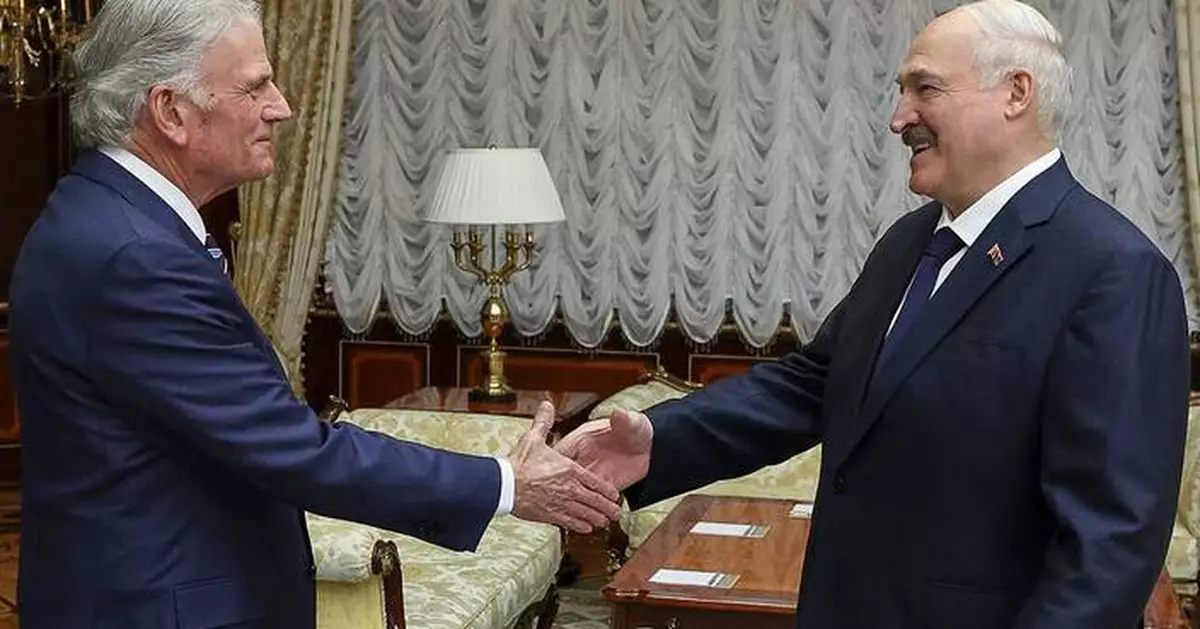
TALLINN, Estonia (AP) — Belarus' authoritarian leader on Friday greeted U.S. Rev. Franklin Graham, who arrived in the tightly controlled country to hold the largest evangelical Christian gathering in its history.
Belarusian President Alexander Lukashenko asked Graham to convey warm greetings to President Donald Trump and tell him that he has “reliable friends and supporters in Belarus.”
Click to Gallery
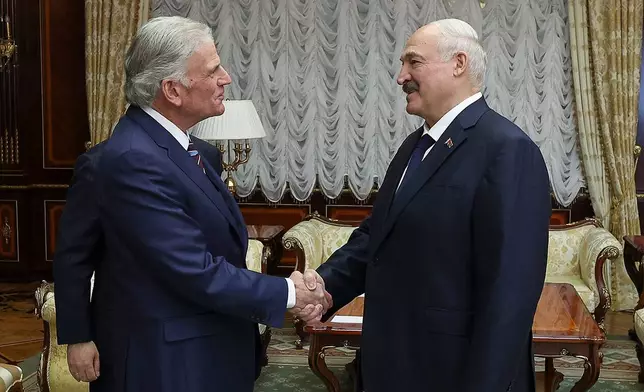
In this photo released by Belarusian presidential press service, Belarusian President Alexander Lukashenko, right, and U.S. evangelist Franklin Graham shake hands during their meeting in Minsk, Belarus, Friday, May 15, 2026. (Belarusian Presidential Press Service via AP)
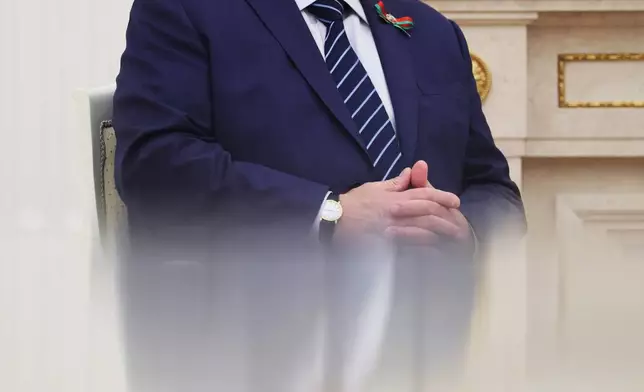
Belarusian President Alexander Lukashenko attends a meeting with Russian President Vladimir Putin at the Kremlin in Moscow, Russia, Friday, May 8, 2026. (Ramil Sitdikov/Pool Photo via AP)
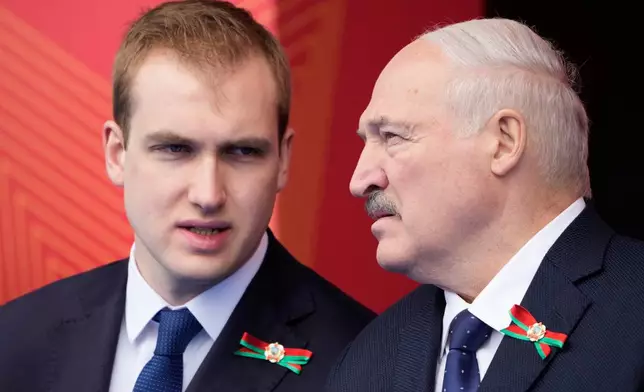
Belarusian President Alexandr Lukashenko, right, speaks with his son Nikolai during the Victory Day military parade in Moscow, Saturday, May 9, 2026, during celebrations of the 81st anniversary of the Soviet Union's victory over Nazi Germany during the World War II. (AP Photo/Pavel Bednyakov, Pool)
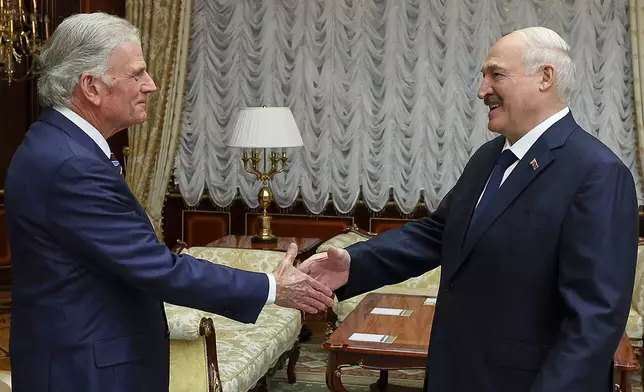
In this photo released by Belarusian presidential press service, Belarusian President Alexander Lukashenko, right, and U.S. evangelist Franklin Graham shake hands during their meeting in Minsk, Belarus, Friday, May 15, 2026. (Belarusian Presidential Press Service via AP)
Since Trump returned to the White House, Lukashenko has released hundreds of political prisoners as part of U.S.-brokered deals that lifted some U.S. sanctions, part of the isolated leader's efforts to improve ties with the West.
“Without the U.S. president, it might have been more difficult for us to establish our relations,” Lukashenko told Graham, president of Samaritan’s Purse and the Billy Graham Evangelistic Association. Graham was accompanied by Greta Van Susteren, the anchor for Newsmax TV who is married to Trump’s special envoy for Belarus, John Coale.
Lukashenko has ruled the nation of 9.5 million with an iron fist for more than three decades, and the country has been sanctioned repeatedly by Western countries — both for its crackdown on human rights and for allowing Moscow to use its territory in the full-scale invasion of Ukraine in 2022.
Graham is set to hold the largest gathering of evangelicals ever in Belarus’ history, with thousands expected to attend what the organizers called the Festival of Hope at an indoor sports arena in Minsk, the capital.
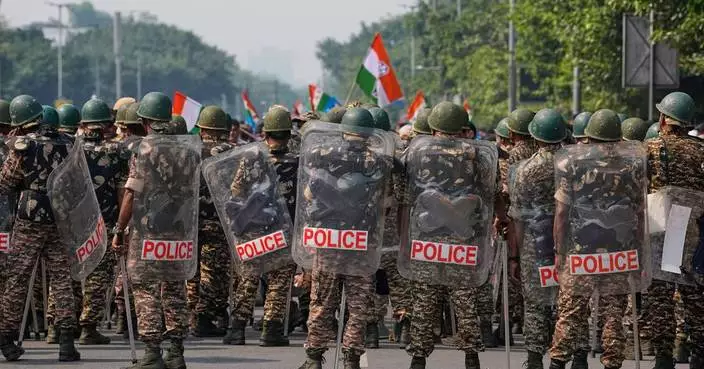
Lukashenko’s rule was challenged after a 2020 presidential election, when hundreds of thousands took to the streets to protest a vote they viewed as rigged. In an ensuing crackdown, tens of thousands were detained, with many beaten by police. Prominent opposition figures fled the country or were imprisoned.
Five years after the mass demonstrations, Lukashenko won a seventh term last year in an election that the opposition called a farce.
As part of a deal in March that Washington helped broker, Lukashenko ordered the release of 250 political prisoners, while the U.S. agreed to lift sanctions from two Belarusian state banks and the country’s Finance Ministry, and to remove the top Belarusian potash producers from a sanctions list.
Another deal in April released prominent journalist Andrzej Poczobut in a swap with Poland that saw a total of 10 people freed.
However, Belarus still has 845 political prisoners, including 22 journalists, according to the Viasna human rights center.
Belarus opposition leader-in-exile Sviatlana Tsikhanouskaya voiced hope that Graham's visit will help the release of all political prisoners. “We continue to push for a complete end to the harsh political repressions in Belarus,” Tsikhanouskaya told The Associated Press.
Belarusian authorities' permission for the massive gathering of evangelicals marks a shift, following years of crackdown on clergy — Catholic, Orthodox and Protestant — which saw dozens jailed, silenced or forced into exile for protesting the 2020 election. In the country of 9.5 million, about 80% are Orthodox Christians; nearly 14% are Catholics, residing mostly in western, northern and central parts of the country; and about 2% belong to Protestant churches.
A 2024 law required all religious organizations to reregister with authorities or face being outlawed if their loyalty to the state is in doubt.
The U.S. Commission on International Religious Freedom has listed Belarus among countries with religious freedom violations, particularly noting its restrictive legislation.
Natallia Vasilevich, coordinator of the Christian Vision monitoring group, noted that even as Graham's visit to Belarus was a “mega-important event” for evangelicals in the country, they continue to face a repressive environment.
“Some believers view Graham’s visit as a miracle and a window of opportunity, while others see a risk that they will have to turn a blind eye to repression and take part in something that makes the regime looks nice,” Vasilevich said.
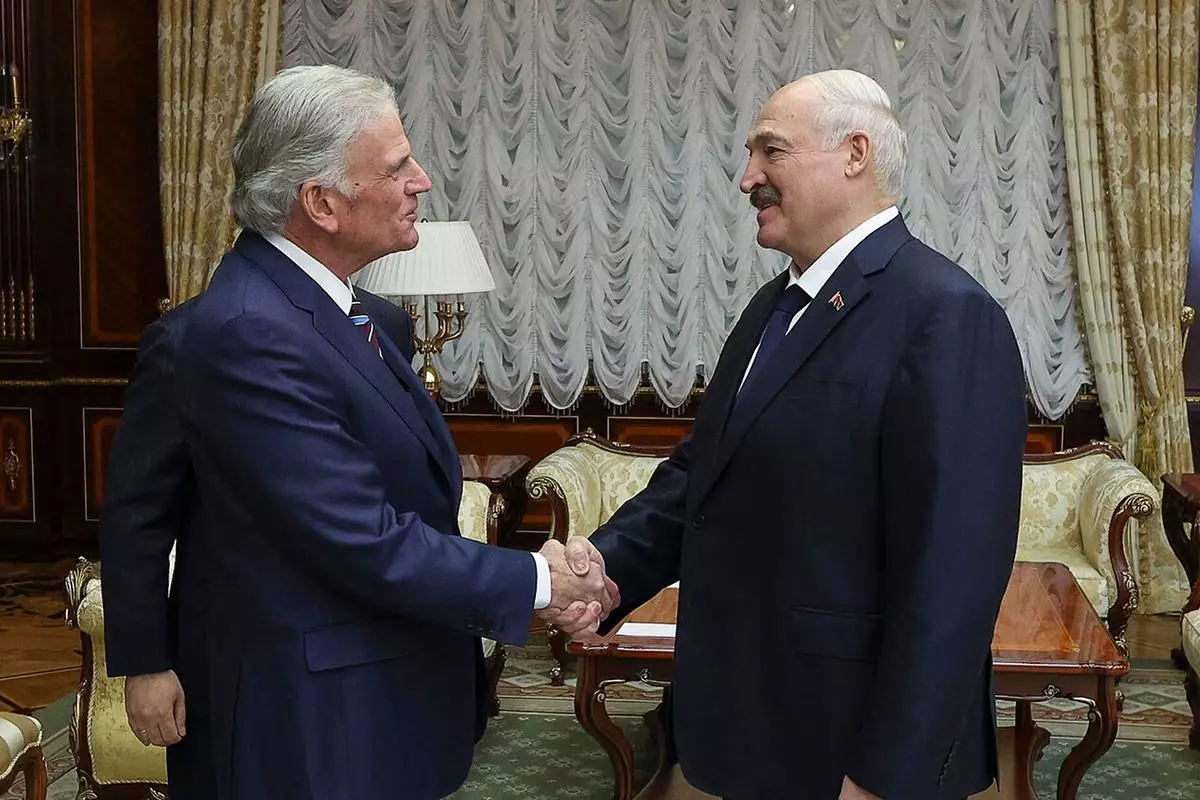
In this photo released by Belarusian presidential press service, Belarusian President Alexander Lukashenko, right, and U.S. evangelist Franklin Graham shake hands during their meeting in Minsk, Belarus, Friday, May 15, 2026. (Belarusian Presidential Press Service via AP)
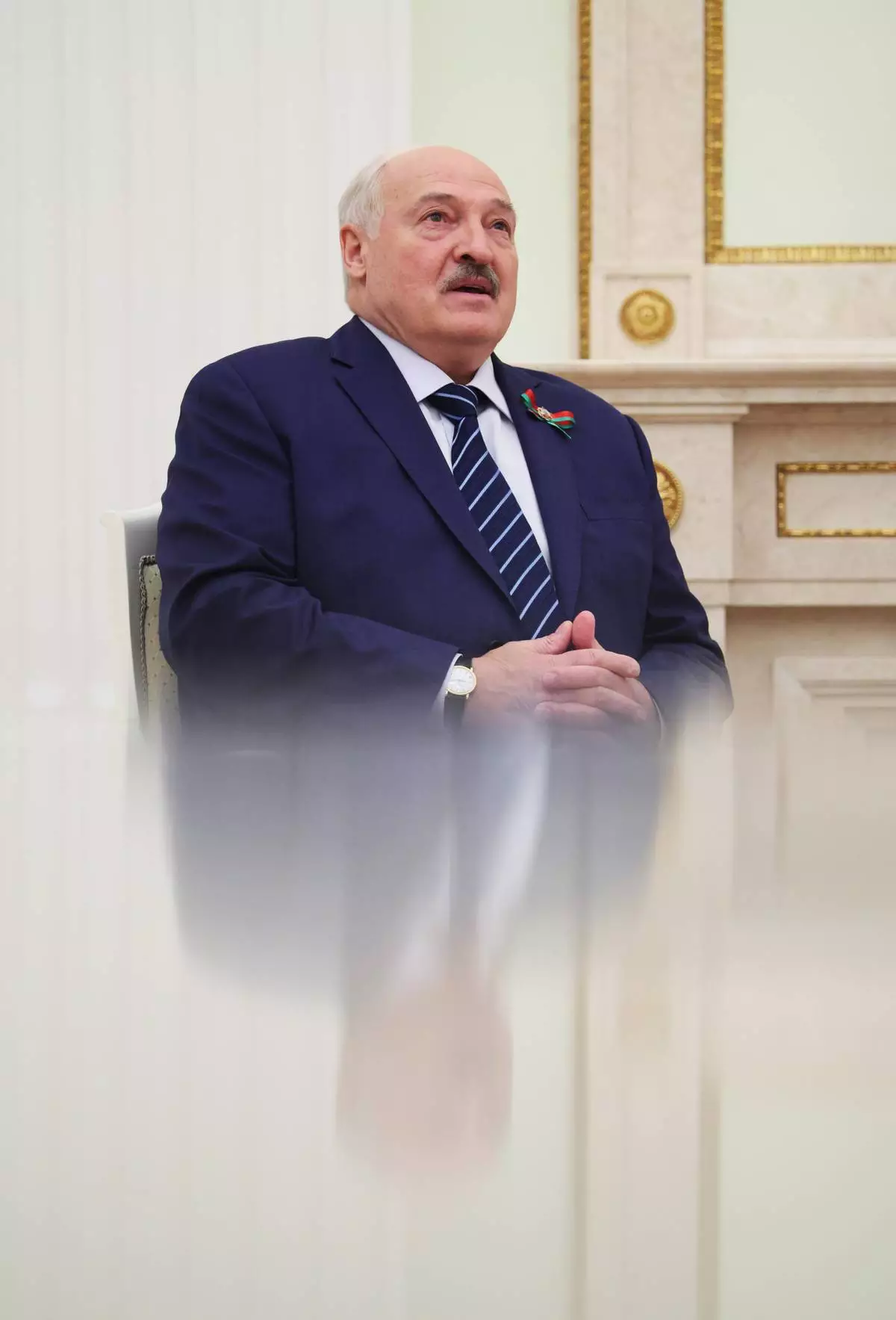
Belarusian President Alexander Lukashenko attends a meeting with Russian President Vladimir Putin at the Kremlin in Moscow, Russia, Friday, May 8, 2026. (Ramil Sitdikov/Pool Photo via AP)
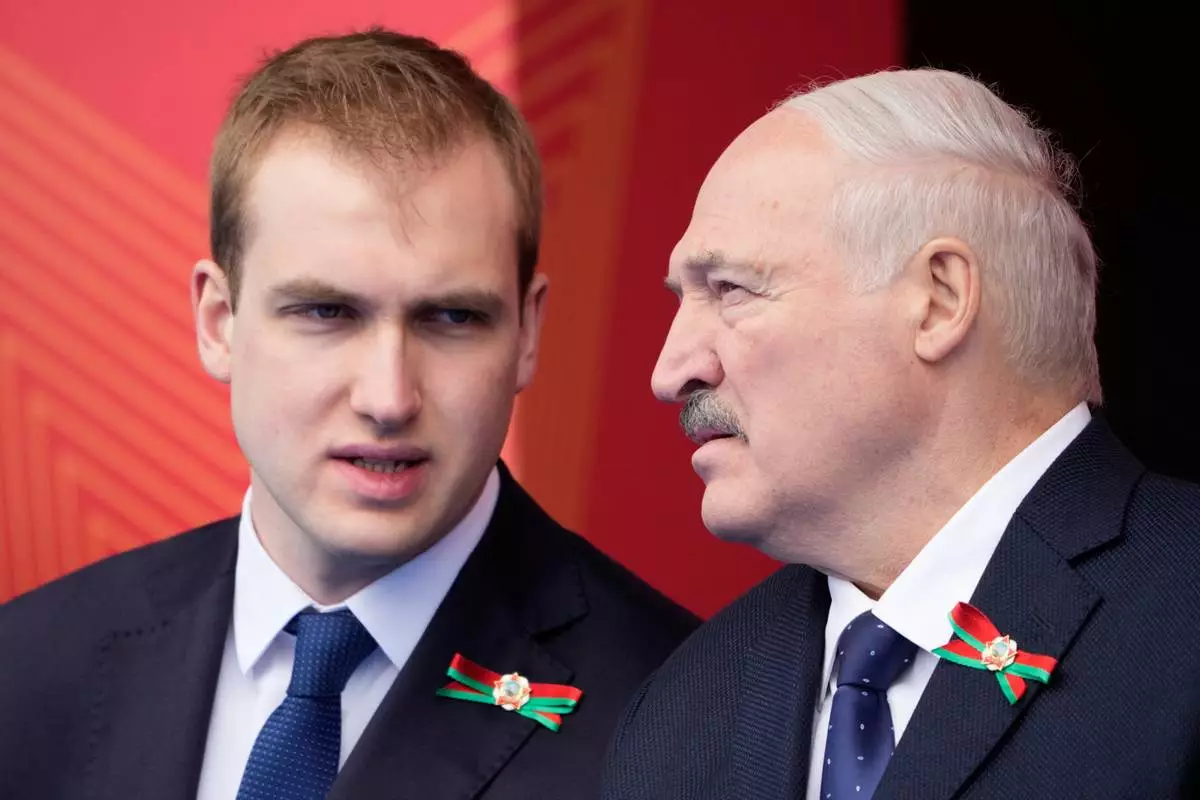
Belarusian President Alexandr Lukashenko, right, speaks with his son Nikolai during the Victory Day military parade in Moscow, Saturday, May 9, 2026, during celebrations of the 81st anniversary of the Soviet Union's victory over Nazi Germany during the World War II. (AP Photo/Pavel Bednyakov, Pool)
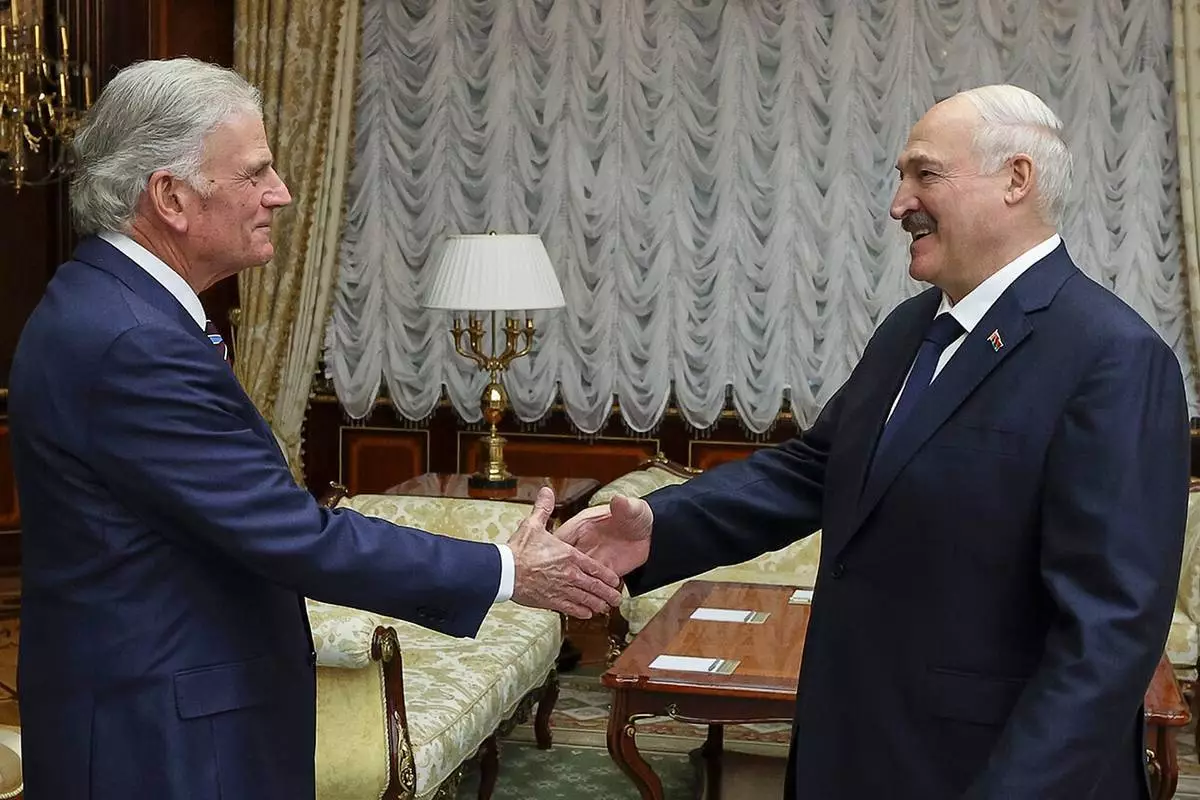
In this photo released by Belarusian presidential press service, Belarusian President Alexander Lukashenko, right, and U.S. evangelist Franklin Graham shake hands during their meeting in Minsk, Belarus, Friday, May 15, 2026. (Belarusian Presidential Press Service via AP)