Skip to Content Facebook Feature Image

What to know about the Bundibugyo virus, a species of Ebola causing an outbreak in Congo

News

What to know about the Bundibugyo virus, a species of Ebola causing an outbreak in Congo
News

News

What to know about the Bundibugyo virus, a species of Ebola causing an outbreak in Congo

2026-05-19 07:32 Last Updated At:07:40

The species of Ebola virus causing an outbreak in Congo that has killed nearly 120 people is less common than other Ebola viruses, which is complicating the response because there are no specific treatments or vaccines.

“There’s nothing even close to ready for clinical trials," said Dr. Celine Gounder, an infectious disease specialist and epidemiologist who treated patients in West Africa during the 2014-2016 Ebola epidemic. “And so that means responders, healthcare workers and other aid workers are really back to the basics."

Here's what to know about Bundibugyo virus, the rare species behind the outbreak of what public health officials call Ebola virus disease.

Bundibugyo has caused two other outbreaks, all in the same region of the Congo River basin, said Dr. Tom Ksiazek, a University of Texas Medical Branch virologist and veterinarian. He directed the U.S. Centers for Disease Control and Prevention’s Special Pathogens Branch, which first identified the virus in 2007.

The virus is spread the same way as other Ebola viruses: through close contact with sick or deceased patients' bodily fluids, such as sweat, blood, feces or vomit. Healthcare workers and family members caring for sick patients face the highest risk, experts said.

“So very often we see doctors and nurses among the first to be infected and to die,” said Gounder, editor-at-large for public health at KFF Health News.

From the few outbreaks health experts have seen, Bundibugyo might be slightly less deadly than what is often called Zaire virus, the most common species.

"I think a 30%-plus mortality rate is still quite scary, but it's hard to say with a lot of precision because we don't have a lot of experience," Gounder said.

In the other two Bundibugyo outbreaks, initial cases were identified early, Ksiazek said, allowing for a quick public health response: getting healthcare workers proper protective equipment, finding and isolating people who were exposed and offering supportive medical care to patients. Proper medical care “reduces mortality significantly,” he said.

That includes giving patients lots of IV or oral fluids, Gounder said.

Health workers are now working to find and isolate cases, trace their contacts and educate people about how to avoid the virus. In the West African epidemic, ensuring safe methods of burial was key to stopping the spread, said Gounder, because people were getting sick from preparing their loved ones' bodies for funeral rites. Making sure health workers have proper protective equipment is also critical, experts said.

“Of course, it's problematic because vaccines are some of our best tools for combating infectious diseases,” said Lina Moses, an epidemiologist and disease ecologist at Tulane University. But other public health tools — public education, contact tracing, quick testing — still work, she said.

“It’s important to keep in mind that every single Ebola outbreak that has occurred in the (Democratic Republic of the Congo) — we’re on our 17th now — has been stopped,” she said.

Associated Press Southern Africa reporter Mogomotsi Magome contributed from Johannesburg.

The Associated Press Health and Science Department receives support from the Howard Hughes Medical Institute’s Science and Educational Media Group and the Robert Wood Johnson Foundation. The AP is solely responsible for all content.
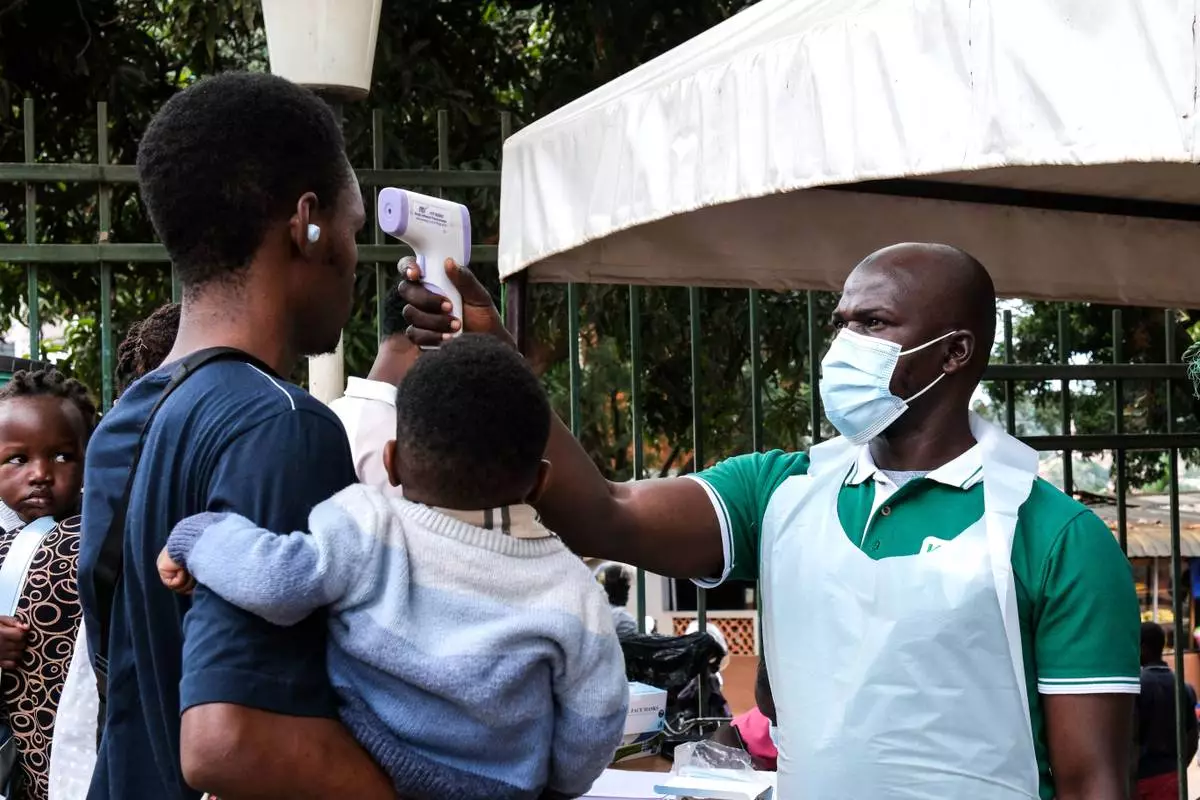
A health official uses a thermometer to screen people in front of Kibuli Muslim Hospital in Kampala, Uganda, Saturday, May 16, 2026. (AP Photo/ Hajarah Nalwadda)

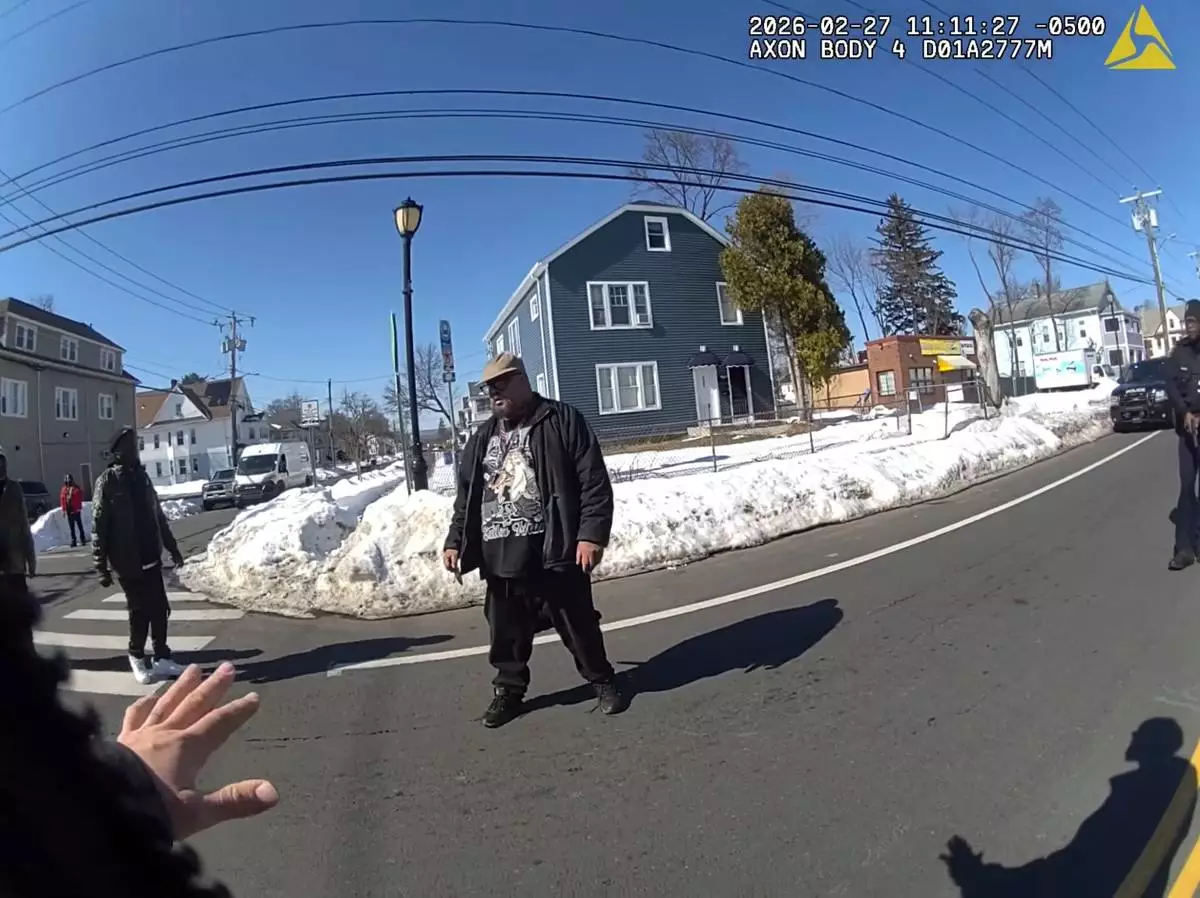
A health official uses a thermometer to screen people in front of Kibuli Muslim Hospital in Kampala, Uganda, Saturday, May 16, 2026. (AP Photo/ Hajarah Nalwadda)
A white police officer in Connecticut who fatally shot a Black man suffering a mental health crisis has been charged with manslaughter after a state investigation found he failed to de-escalate the confrontation.

The officer, Joseph Magnano, was fired by the Hartford Police Department following the Feb. 27 shooting of Steven Jones, a 55-year-old man with a history of mental illness who had been walking through the street holding a large knife.

Magnano was charged Monday by the Connecticut Inspector General after he turned himself into law enforcement, according to Hartford Police Union President James Rutkauski.

Information about his attorney was not immediately available.

The shooting drew widespread public outcry and questions over Hartford’s policies around responding to people in mental distress.

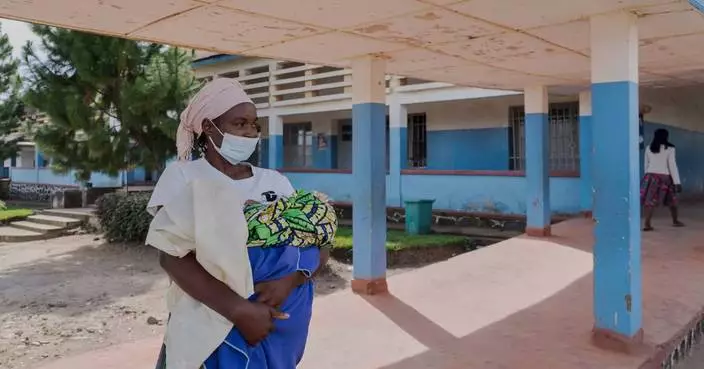
Body camera footage showed Magnano arriving at the scene as three other officers were in the process of trying to calm Jones, who had used the knife to cut himself and was suicidal, according to a 911 call made by his sister.

While the officers kept their distance from Jones and spoke to him softly, Magnano immediately began shouting at him to drop the knife. He then fired nine shots at Jones, less than a minute after leaving his vehicle.

In an arrest warrant issued Monday, the Connecticut Inspector General said their investigation found Magnano “did not engage in de-escalation measures (and) he failed to make reasonable attempts to use non-lethal force.”

The report also concluded that Jones “did not pose an imminent threat to bystanders,” and that Magnano had “ample space” to back away from him.

“To the extent Magnano subjectively believed that Jones posed a risk of serious physical injuries to bystanders in the area, Magnano made no effort to move bystanders out of any perceived harm’s way,” the warrant noted.

In his own sworn incident report, Magnano wrote that he was “fearful of Jones making a sudden lunge towards either an officer or citizen.”

At a news conference Monday, Rutkauski, the police union head, accused the inspector general's office of rushing its findings, adding that Magnano was “defending his fellow officers, the community, himself.”

The civil rights attorney Ben Crump, who is representing Jones’ family, called the charges a “necessary and meaningful step toward accountability.”

“Stevie was in the middle of a mental health crisis, and instead of receiving the care he needed, he was shot nine times,” Crump said in a statement. “This charge reflects what the family has known all along, that what happened to Stevie was not justified.”

FILE - This photo taken from Hartford Police body camera video shows Steven Jones, center, as police officers talk to him, Feb. 27, 2026, in Hartford, Conn. (Hartford Police Department via AP, File)

FILE - This photo taken from Hartford Police body camera video shows Steven Jones, center, as police officers talk to him, Feb. 27, 2026, in Hartford, Conn. (Hartford Police Department via AP, File)

Recommended Articles