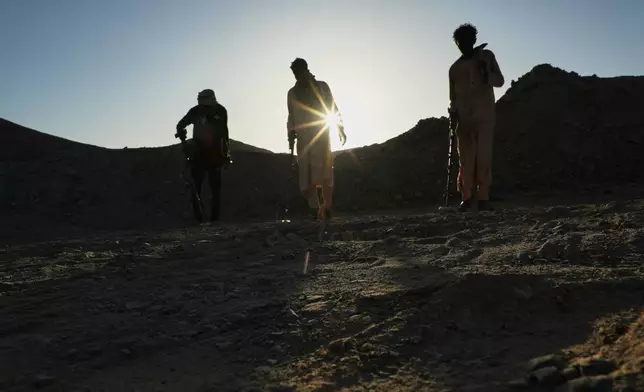
DAGALO MAHAS, Sudan (AP) — The men carried metal detectors as they scanned a mountainous area in northern Sudan in search of gold. One man knelt to examine the ground with a digging tool for the precious metal in an environment that lacks even the most basic safety measures.
They are unregulated miners working in a small-scale private gold mine in the northern town of Dalgo Mahas. The mine is one of thousands of small-scale and artisanal mines scattered across Sudan, part of a sector that is at the center of the devastating war that has at times pushed parts of the country into famine.
Click to Gallery
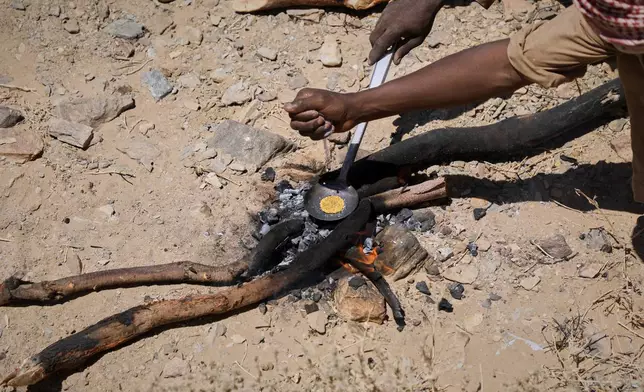
Miners heat processed gold concentrate over an open fire at an artisanal mining site in Dalago Mahas, Sudan's Northern State, Friday, May 8, 2026.(AP Photo/Mohnd Blal)
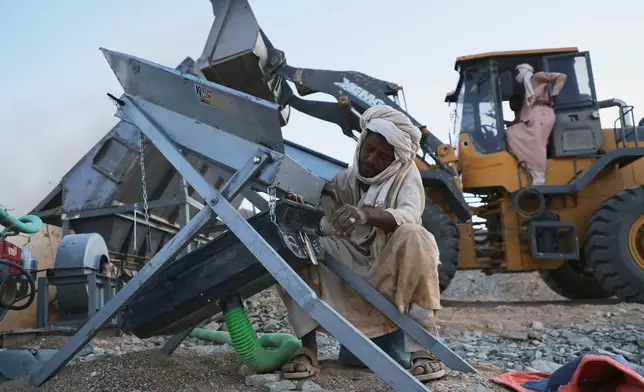
An artisanal miner operates an ore-processing machine used to separate gold-bearing material at a mining site in Dalago Mahas, Sudan's Northern State, Thursday, May 7, 2026.(AP Photo/Mohnd Blal)
Miners use metal detectors to search for gold at an artisanal mining site in Dalago Mahas, Sudan's Northern State, Thursday, May 7, 2026. (AP Photo/Mohnd Blal)
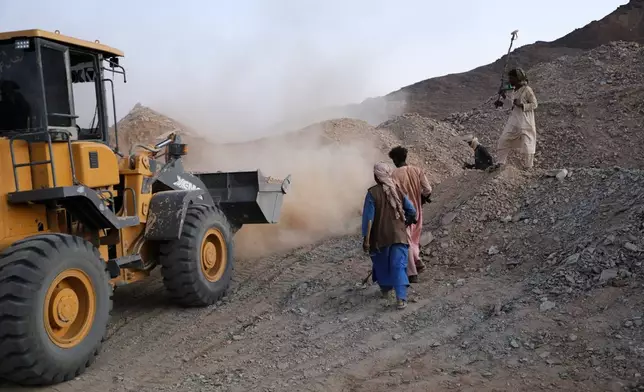
A front-loader loads dirt and crushed rock into a processing machine used to separate gold-bearing material at an artisanal mining site in Dalago Mahas, Sudan's Northern State, Thursday, May 7, 2026. (AP Photo/Mohaned Bilal)
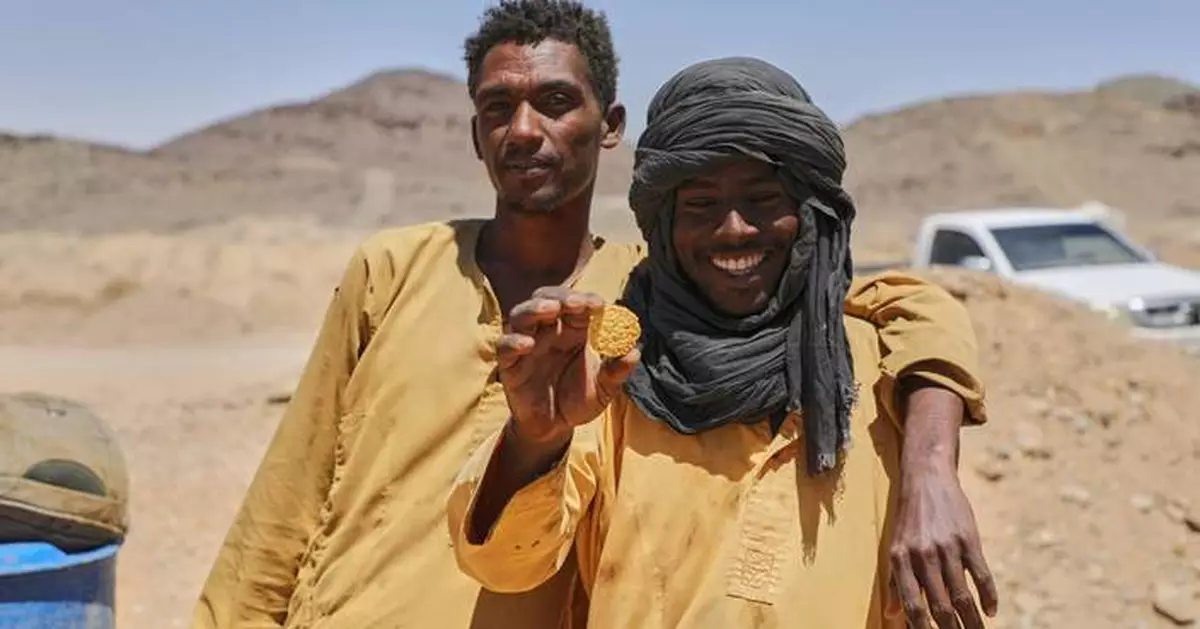
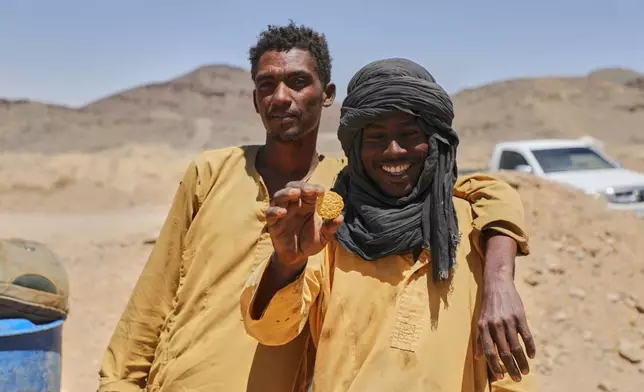
Miner Atta al-Khazin, right, shows a gold nugget produced by artisanal miners after processing ore at a mining site in Dalago Mahas, Sudan's Northern State, Friday, May 8, 2026.(AP Photo/Mohnd Blal)
Gold has become a major source of funding for Sudan’s treasury after the country lost over two-thirds of its oil revenues with the secession of South Sudan in 2011. The precious metal accounted for 70% of national revenues in the years that followed South Sudan's departure, providing the Sudanese government with much-needed foreign currency.
Most recently, gold has been at the center of the ongoing war between the military and the paramilitary Rapid Support Forces. Large quantities of gold have been smuggled out of the country to finance paramilitaries, who control gold-producing areas in Darfur and Kordofan regions, according to United Nations-commissioned experts.
The conflict has killed at least 59,000 people, according to the Armed Conflict Location & Event Data Project, a U.S.-based war tracking group that says its toll is almost certainly an underestimate, given the difficulties in reporting.
The war also created the world’s largest humanitarian disaster, forcing over 10 million people to flee their homes. Many displaced people joined the mining industry in order to make ends meet for their families.
“Gold mining is the only thing I can rely on,” said Atta al-Khazin, a 28-year-old miner who abandoned his previous profession as a farmer. “Due to the high oil prices, agriculture no longer covered expenses.”
Zahir Adam, a 35-year-old father from the Darfur city of el-Fasher who worked in gold mining for more than a decade, said the sector has drawn many people since the war broke out over three years ago.
They had “no other option,” he said. “Many young people, and many families, depend on mining.”
Sudan produced 70 tons of gold last year, up from 64 tons in 2024, according to official figures, making it one of Africa’s top producers. Gold generated about $1.8 billion in revenues in 2025, figures from the state-run Sudanese Mineral Resources Company showed.
Artisanal and small-scale gold mining accounts for the majority of gold extracted in the sprawling country, where safety standards are largely ignored.
Artisanal miners like the men in Dalgo Nahas usually extract the gold, then crush the ore before applying toxic mercury to create the amalgam. The amalgam is then heated, usually on a stove, to evaporate the mercury and recover the gold.
The process, which includes using hazardous chemicals, is also risky for people living near the mines.
Many of these mines are not controlled by the government. The U.N. panel of experts said in their 2024 report that more than 50% of the gold mined in Sudan was not traded through formal channels but was smuggled out of the country.
Deadly mine collapses are not uncommon in Sudan, where safety standards are not widely applied. Last month, at least seven miners were killed in a mine collapse in the Red Sea province. Thirteen others were killed in another collapse in South Kordofan province in January.
A civilian transitional government that ruled the country for over a year after the military overthrow of longtime dictator Omar al-Bashir in April 2019 attempted to regulate the crucial industry.
However, its efforts were aborted by a military coup in October 2021, and the war that began in 2023.
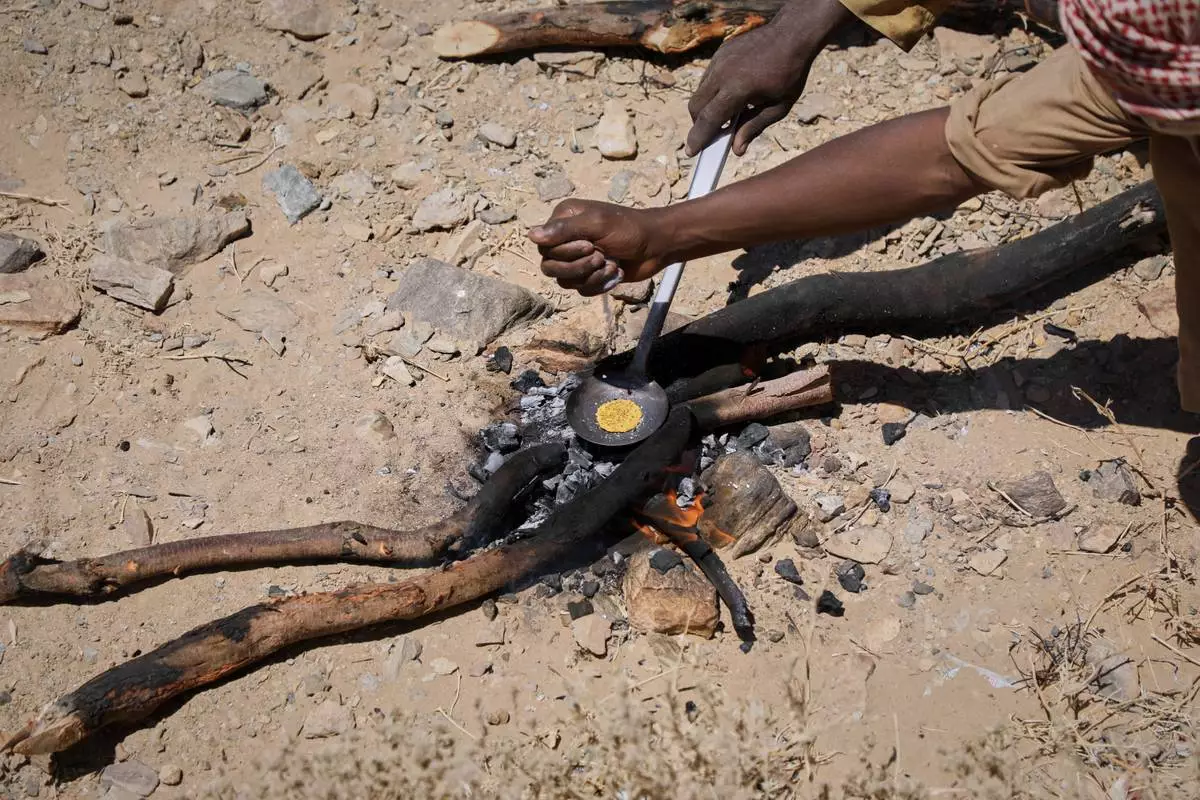
Miners heat processed gold concentrate over an open fire at an artisanal mining site in Dalago Mahas, Sudan's Northern State, Friday, May 8, 2026.(AP Photo/Mohnd Blal)
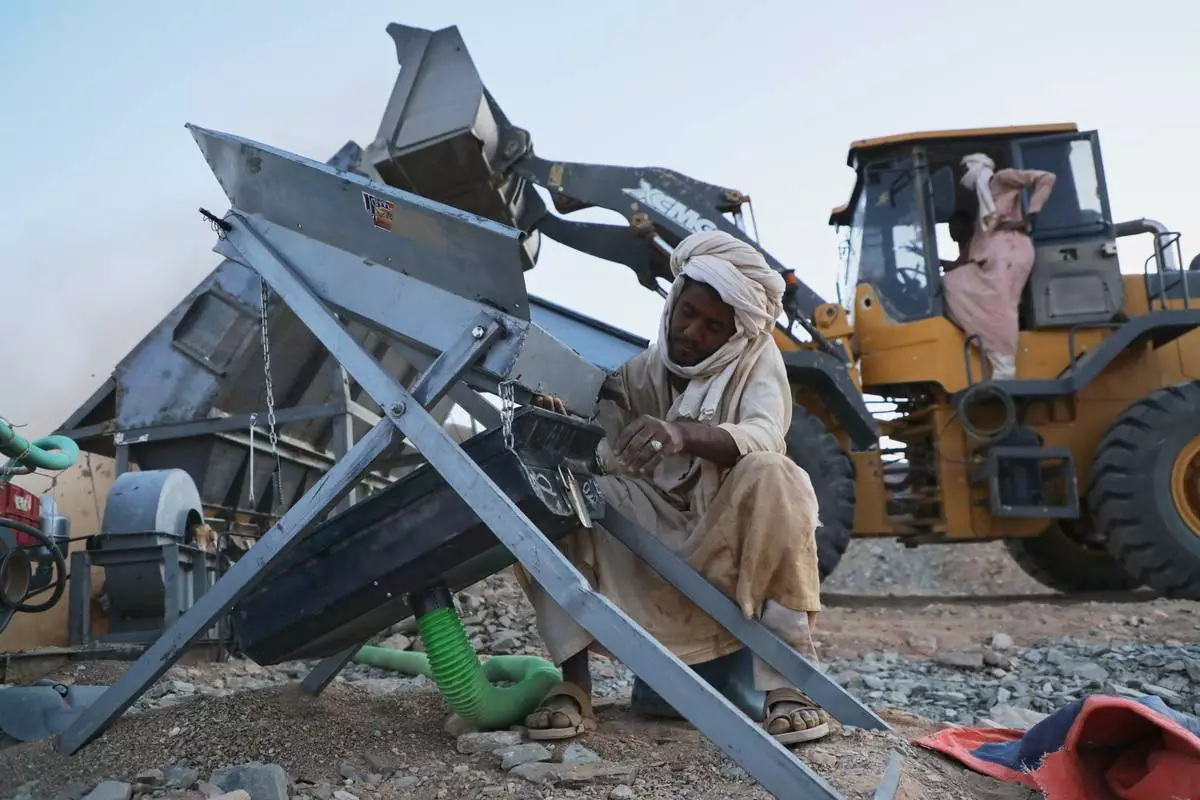
An artisanal miner operates an ore-processing machine used to separate gold-bearing material at a mining site in Dalago Mahas, Sudan's Northern State, Thursday, May 7, 2026.(AP Photo/Mohnd Blal)
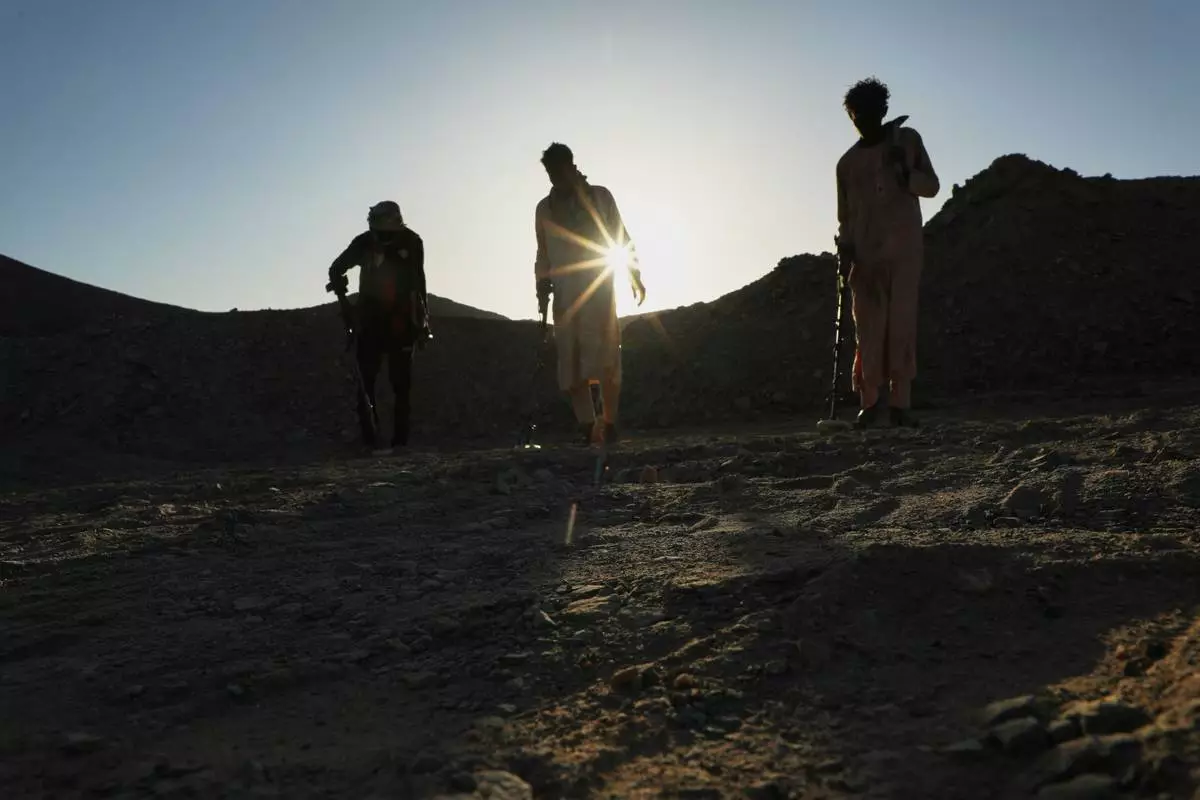
Miners use metal detectors to search for gold at an artisanal mining site in Dalago Mahas, Sudan's Northern State, Thursday, May 7, 2026. (AP Photo/Mohnd Blal)
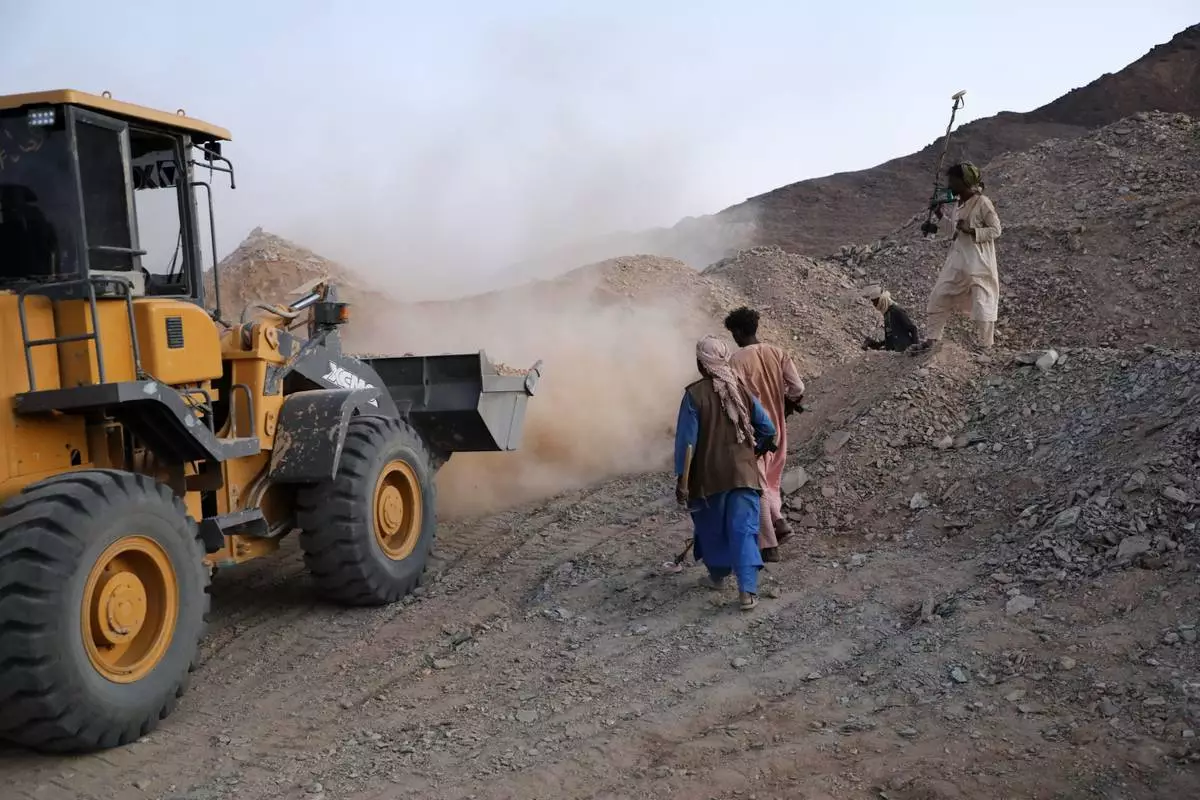
A front-loader loads dirt and crushed rock into a processing machine used to separate gold-bearing material at an artisanal mining site in Dalago Mahas, Sudan's Northern State, Thursday, May 7, 2026. (AP Photo/Mohaned Bilal)
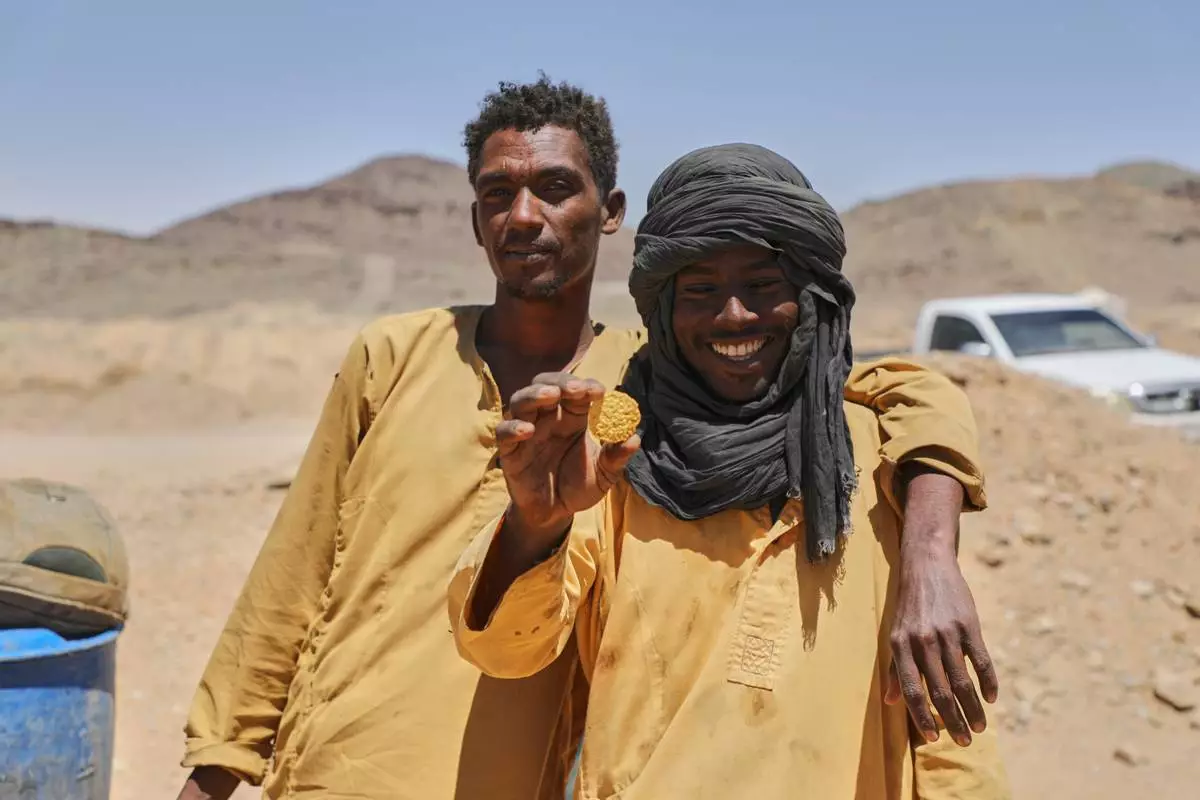
Miner Atta al-Khazin, right, shows a gold nugget produced by artisanal miners after processing ore at a mining site in Dalago Mahas, Sudan's Northern State, Friday, May 8, 2026.(AP Photo/Mohnd Blal)
JAMUNDI, Colombia (AP) — Gladys Marín only has to cross the street to reach a school where polling stations will open Sunday in her small town in Colombia. But she's still not sure she'll make the short walk, because fears for her safety could outweigh the chance to vote for the country’s next president.
Her home in the southwestern village of Potrerito sits less than 100 meters (320 feet) from the police station, which has become a frequent target for drone-dropped explosives. Authorities blame the attacks on a rebel faction that rejected a peace agreement signed a decade ago with the Colombian government.
"You have to stay alert to what is happening, because we live very close to the police station,” Marín said from her porch in this town about 470 kilometers from the capital, Bogotá.
Colombia will elect a new president and vice president on May 31 in what has been cast as a referendum on President Gustavo Petro’s policies, most notably his controversial “total peace” initiative to negotiate with the country’s remaining rebel groups.
By most accounts, violence tied to armed groups has worsened under Petro's watch.
According to Colombia's Electoral Observation Mission, 386 municipalities, or about a third of the country, are vulnerable to violence from illegal armed groups, and data from the Ideas for Peace Foundation think tank indicates that roughly 27,000 people remain under arms nationwide.
In Robles, a neighboring town in the Jamundi municipality, the streets leading to the police station are blocked by improvised barricades. The police are entrenched in sentry posts, using shelters made of sandbags and black fabric to scan the sky for any approaching drones.
“You pass by the police station with this sense of dread, looking up, hoping you won’t run into a nasty surprise,” said Eucaris Zamora, who had to vacate her home after a cylinder bomb struck it in October, leaving the building partially destroyed.
Guillermo Londoño, a security official in the region of Valle del Cauca, where Jamundi is located, said illegal armed groups in the area have sought to maximize damage through simultaneous, “swarm-style” drone strikes, marking a shift from previous tactics, where attackers would launch attacks with a single drone, reload it, and then resume their assault.
Drones modified to drop explosives have altered the dynamics of Colombia’s armed conflict since 2024, posting one of the greatest threats to civilians and security forces alike, particularly along the Venezuelan border, in northern Bolivar province and in southwestern coastal areas.
Colombia's Defense Ministry reported that drone attacks hit 333 targets in 2025, up from 61 such incidents recorded in 2024. Meanwhile, the army has recorded 107 drone attacks so far this year, which have claimed the lives of two soldiers.
Officials here believe their region has become a casualty of Petro's “total peace” strategy, aimed at putting an end to one of the world’s longest-running conflicts.
Petro acknowledges that the initiative has failed to achieve its hoped-for outcome of disarming illegal networks, and his approach of being open to talk to every group has hardened up a notch. He has frozen negotiations with some groups due to their continuing violence, though he has kept dialogue open with other organizations.
A clear divide has emerged between candidates. On one side are those who favor continuing dialogue with illegal groups, such as Sen. Iván Cepeda, of Petro’s political movement. On the other are those who say they would dismantle such efforts and prioritize military pressure, such as Sen. Paloma Valencia, of the opposition Democratic Center, and Abelardo de la Espriella, a self-described admirer of Salvadoran President Nayib Bukele who has vowed to crack down on illegal armed groups.
Elizabeth Dickinson, a senior analyst at the International Crisis Group, believes the violence could worsen if a hawkish candidate is elected.
“Right-wing candidates propose a ‘hard-line’ response that could exacerbate the violence, because the armed groups will respond to pressure from security forces with terror-style attacks, as they lack the means to respond symmetrically, army-to-army,” Dickinson said.
In December, gunmen sowed terror in the small southern town of Buenos Aires, launching an attack on the police station that left several officers injured and reduced a local bank and nearby homes to rubble.
Among the wreckage was the home of 89-year-old Celimo Enrique Aguilar.
“I haven’t lost faith that, someday, one might be able to live in peace,” he said.
Follow AP’s coverage of Latin America and the Caribbean at https://apnews.com/hub/latin-america
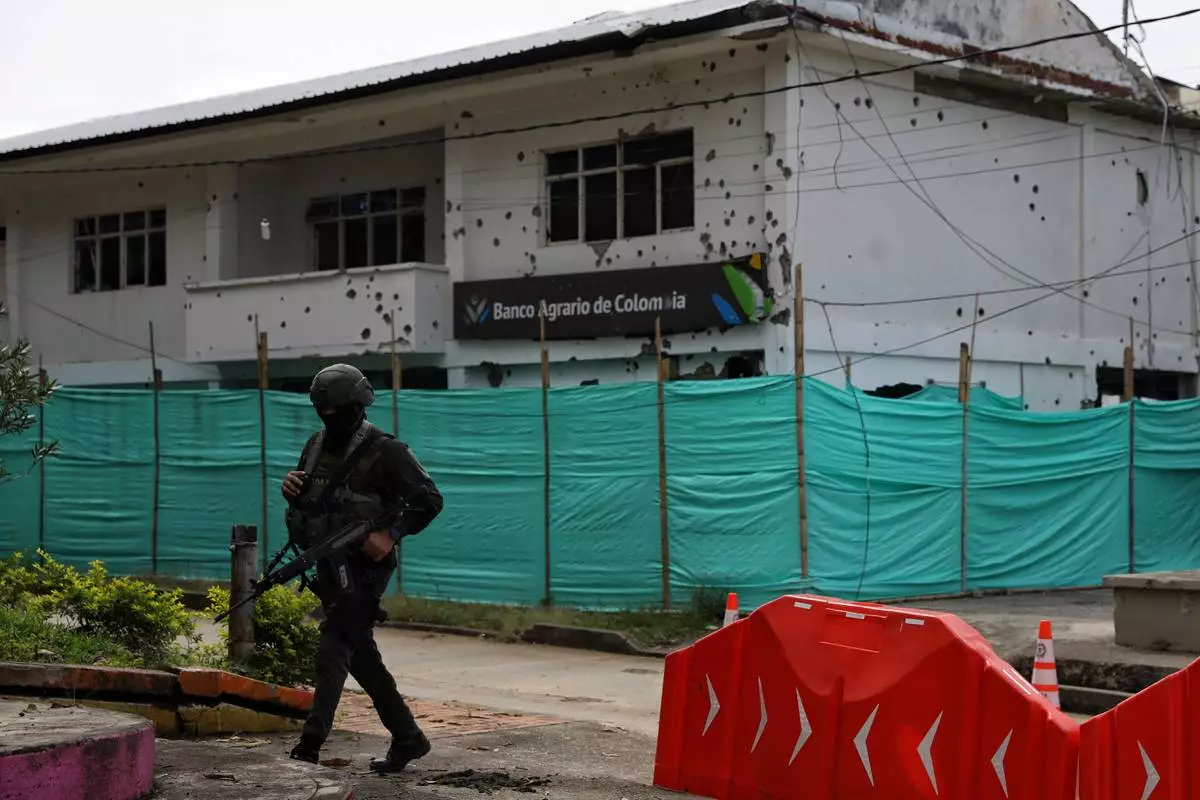
A police officer walks near a branch of the Banco Agrario damaged in an attack by dissidents of the former Revolutionary Armed Forces of Colombia, or FARC, in Buenos Aires, Cauca, ahead of Colombia's presidential election, Wednesday, May 20, 2026. (AP Photo/Santiago Saldarriaga)
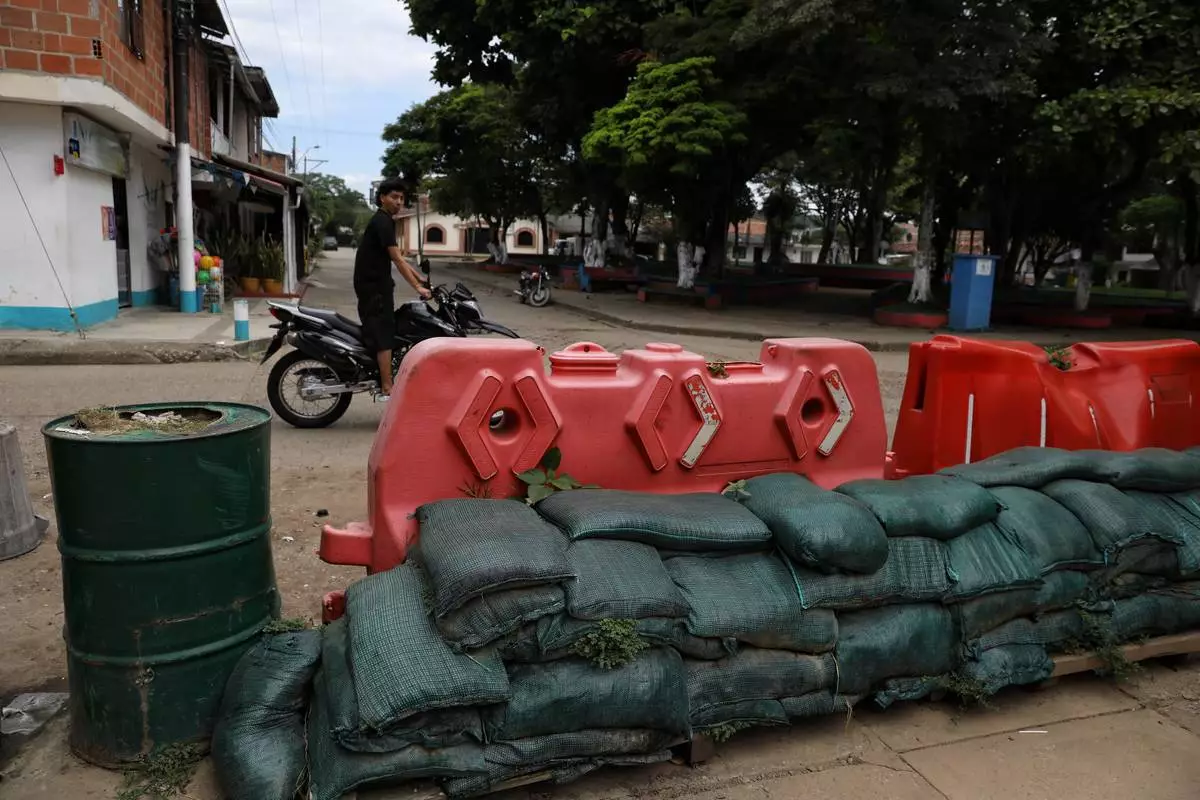
A man rides his motorcycle past a barricade blocking streets in Potrerito, Colombia, Tuesday, May 19, 2026, following attacks by dissidents of the former Revolutionary Armed Forces of Colombia, or FARC. (AP Photo/Santiago Saldarriaga)
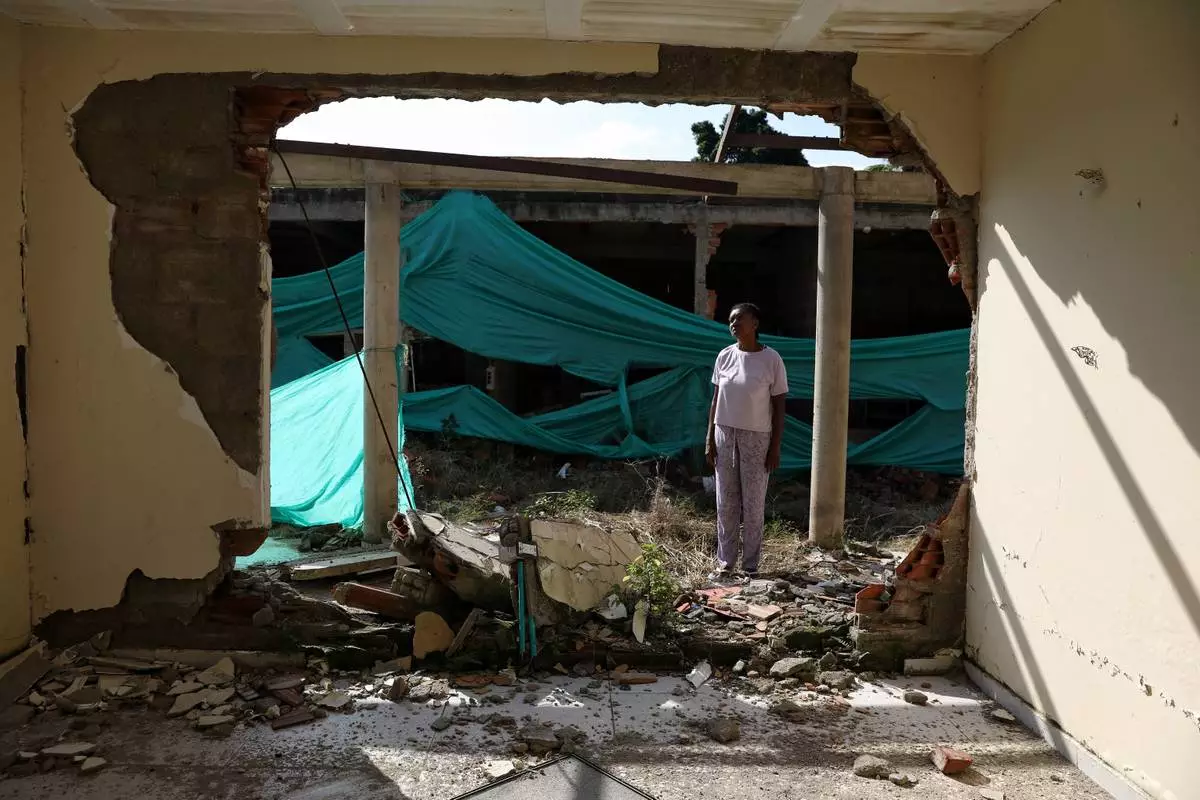
Eucaris Zamora stands in front of her home destroyed during an attack involving drones by a dissident branch of the former Revolutionary Armed Forces of Colombia, or FARC, guerrilla group in Robles, Colombia, Tuesday, May 19, 2026.(AP Photo/Santiago Saldarriaga)
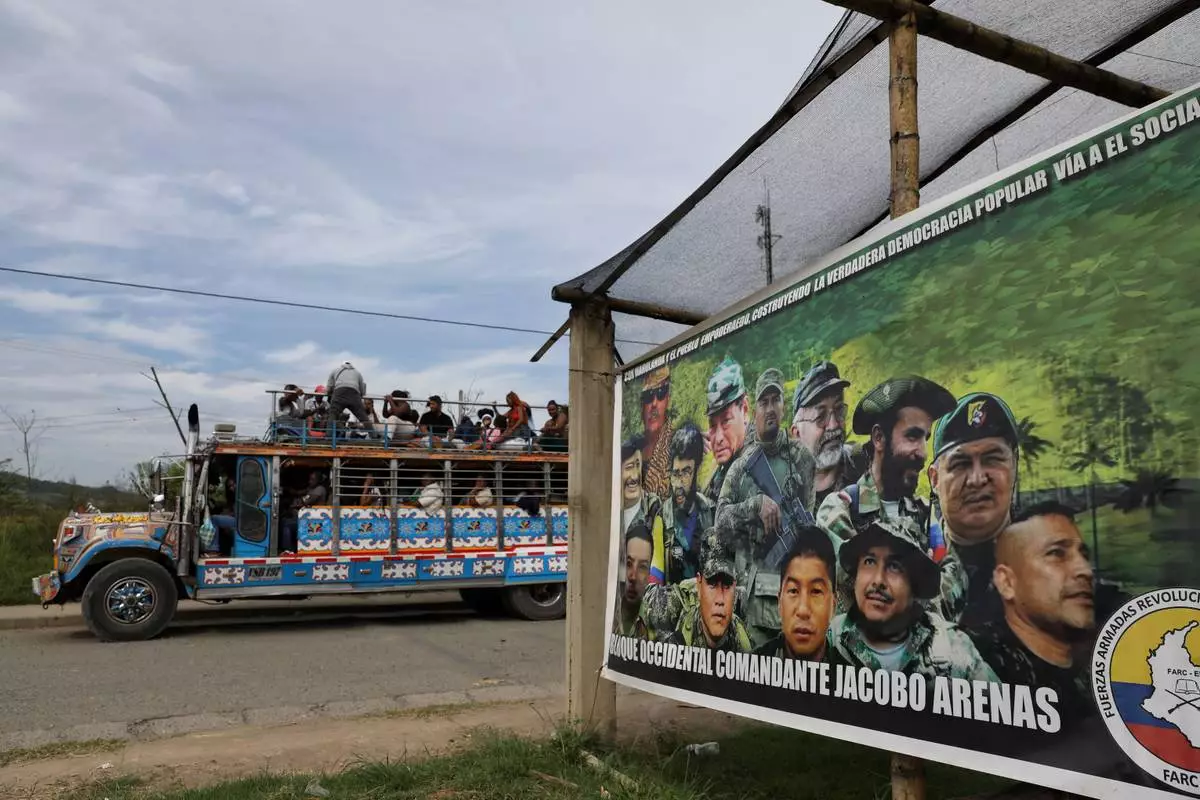
A sign set up by dissidents of the former Revolutionary Armed Forces of Colombia, or FARC, displaying guerrilla leaders stands by a road to Buenos Aires, Cauca, Colombia, Wednesday, May 20, 2026. (AP Photo/Santiago Saldarriaga)
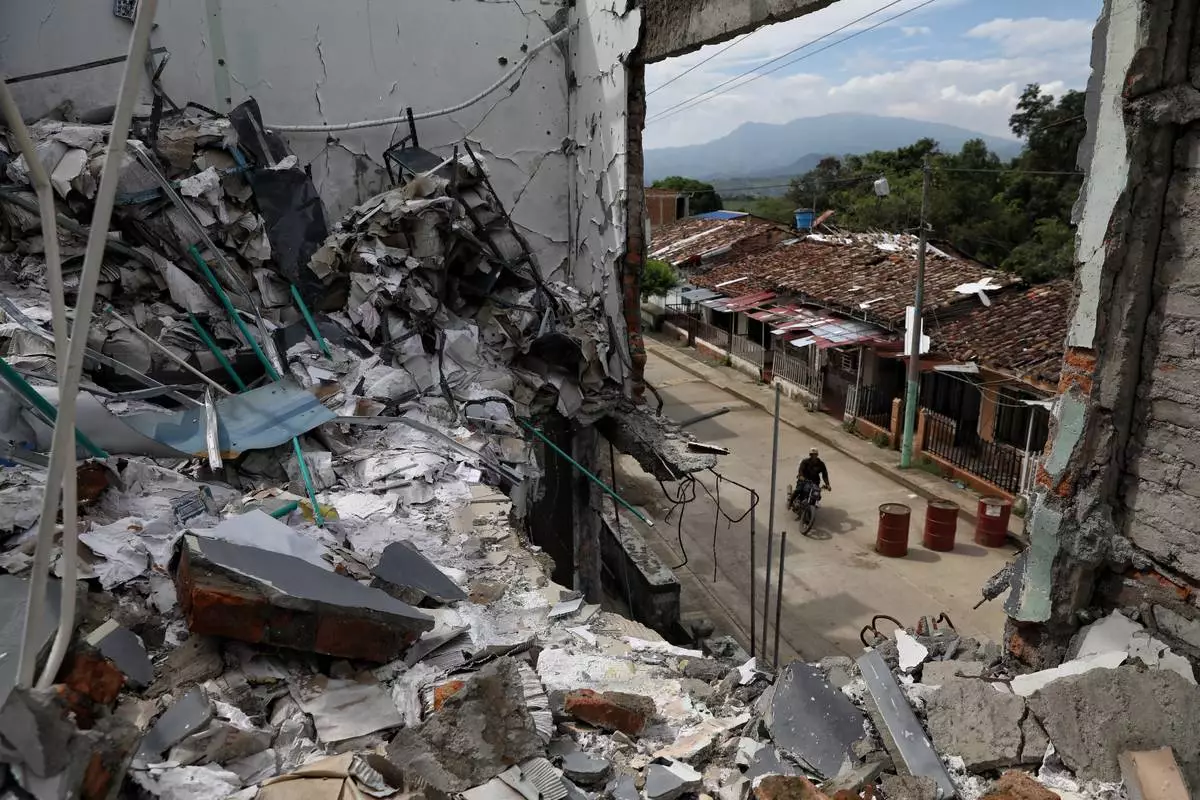
A man rides his motorcycle past the ruins of homes destroyed five months earlier in an attack by dissidents of the former Revolutionary Armed Forces of Colombia, or FARC, in Buenos Aires, Cauca, Colombia, Wednesday, May 20, 2026.(AP Photo/Santiago Saldarriaga)