Now that the gardening season is in full swing, so is the bad advice. There is no shortage of social media “experts” doling out “genius gardening hacks,” and well-intended friends who, frankly, don’t know what they’re talking about.
Their tips might sound brilliant on the surface, but dig deeper and you’ll find many belong in the compost pile.
Here are some common myths and misconceptions that might seem to make sense but can ruin your garden and waste money.
Household vinegar merely serves as a contact herbicide that burns leaves without killing roots, so the weeds often grow back. Horticultural vinegar, which has a stronger concentration of acetic acid, is more effective but can damage soil, harm nearby plants, and must be used with caution (wear gloves and goggles) to avoid injury to skin and eyes.
Instead: Manually pull weeds from garden beds, then cover the soil with 3-4 inches of organic mulch to discourage more from taking hold. Any that do germinate in the mulch will pull up very easily.
To eliminate small weeds from cracks and crevices between pavers, sprinkle with baking soda on a dry, windless day and let it sit (do not use baking soil in garden beds or on the lawn). Other efficient methods include using a crevice weeding tool or targeted propane flame tool to remove or destroy the weeds. Either way, fill cracks with sand or sealant afterward to prevent recurrences.
Trees compartmentalize their wounds, so sealants aren’t generally necessary. In addition, the products can trap moisture and disease-causing pathogens and encourage decay, defeating their stated purpose while interfering with the tree’s natural healing process. Light sealants should be applied only to elm or oak trees that are pruned or injured during the growing season to discourage Dutch elm disease and oak wilt, respectively. Sealants aren't necessary when pruning these trees at the recommended (dormant) time of year.
Instead: Be sure to use proper pruning techniques, prune only at the appropriate time of year and allow wounds to heal on their own.
Sure, it makes the garden look nice and neat, but over-tilling soil destroys beneficial microbes, kills earthworms, disrupts mycorrhizal fungi networks, damages soil structure, increases erosion and moves buried weed seeds to the surface, where conditions are perfect for them to sprout. The practice can also interfere with the soil’s moisture-holding capacity.
Instead: In average conditions, spread a 2- to 3-inch layer of compost over garden beds and let it work into the soil over time.
To create new beds, cover the area with thick layers of newspaper or corrugated cardboard in the fall, then top it with a few inches of mulch or compost, and allow it to smother grass and weeds over the winter and into spring. If you didn’t plan ahead, lay cardboard now, then cut holes and plant right through it. Be sure to apply mulch afterward.
If you must turn the soil to break up compaction in your garden, do so gently using a broadfork or long-handled garden fork. Use the same tools to gently work in amendments like compost.
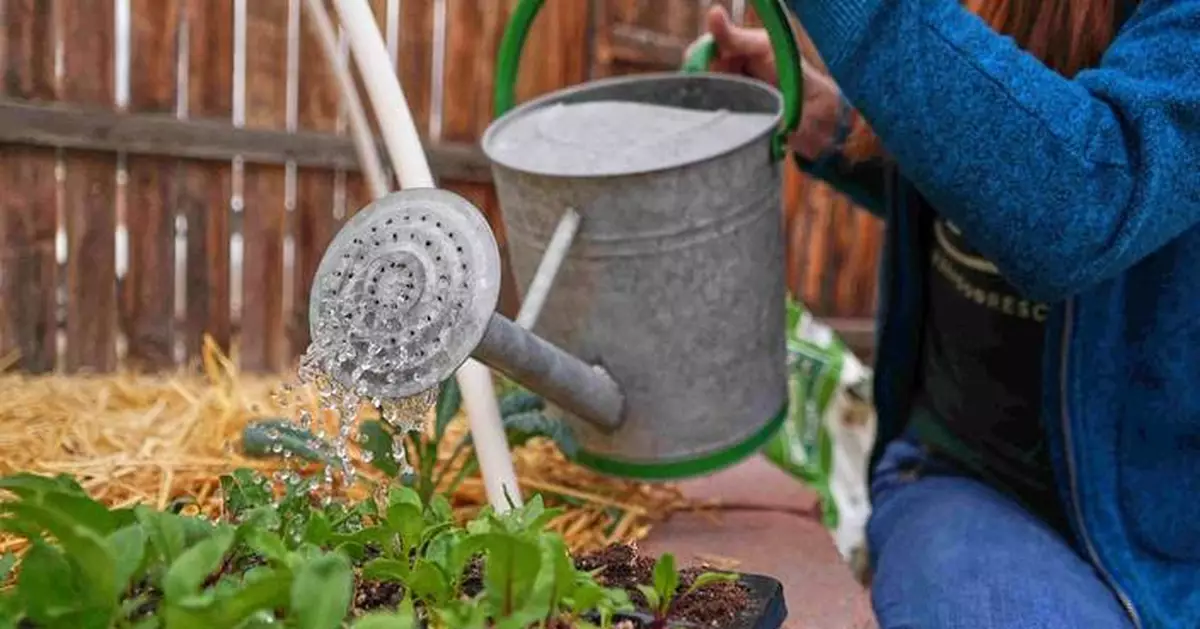
Giving houseplants, garden plants, potted outdoor plants or the lawn a sprinkle every day moistens the soil surface only on its surface instead of at root-depth, where it’s needed. Lightly watered plant roots remain at the top, near their water supply, instead of growing downward and outward.
Instead: Water more deeply and less frequently to encourage a larger root system that will withstand drought by accessing farther moisture sources from the surrounding area.
Barrier fabrics fail to stop weeds long-term, create root-tangled messes, restrict the flow of water and oxygen, and introduce microplastics into the soil as they degrade.
Instead: Apply a 2-to-4-inch layer of organic mulch, such as shredded bark, wood chips or straw, over the soil, pushing it away from trunks and stems. Refresh it as it breaks down. It will regulate soil temperature and moisture, nourish the soil as it decomposes and support the soil life that supports your plants
Exception: Landscape fabric can be helpful under gravel or stone paths, or under walkways, where it creates a barrier between the hardscape and the soil below.
Jessica Damiano writes regular gardening columns for The Associated Press. She publishes the award-winning Weekly Dirt Newsletter. Sign up here for weekly gardening tips and advice.
For more AP gardening stories, go to https://apnews.com/hub/gardening.
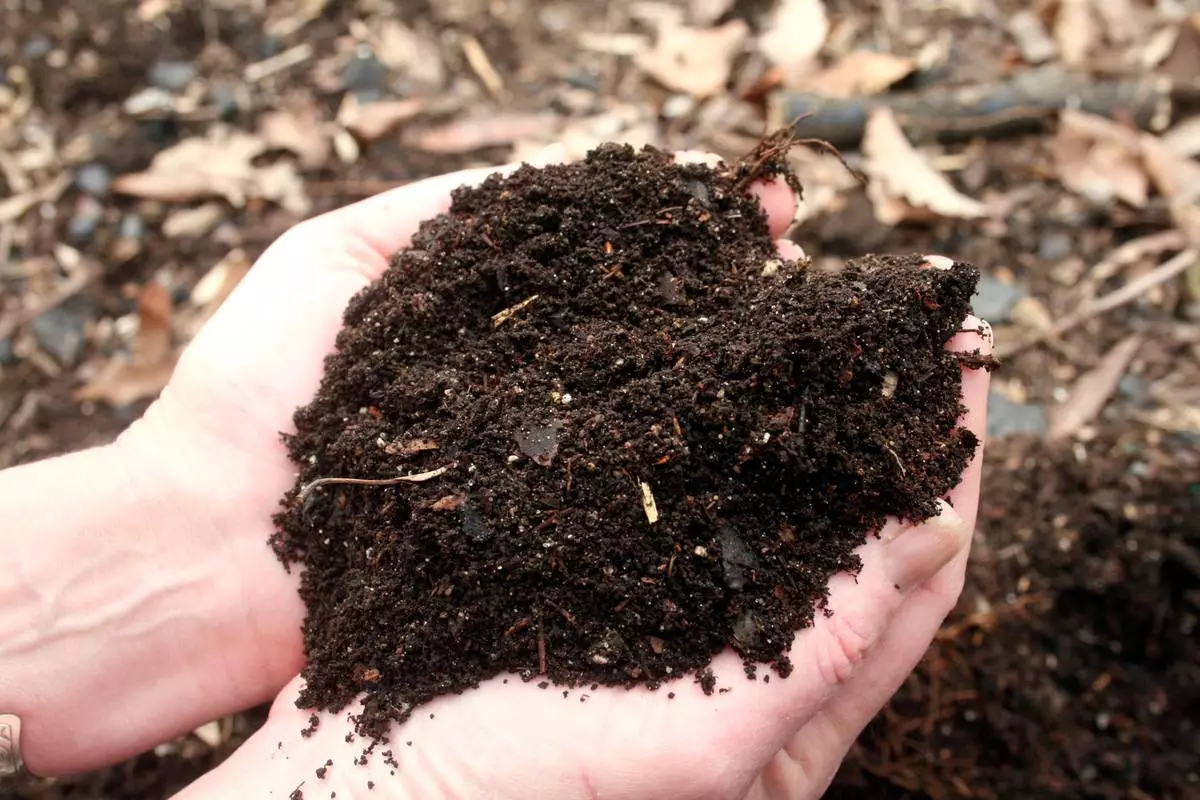
FILE - Compost made from decomposed green kitchen scraps, yard litter and garden waste, appears in New Market, Va., on March 8, 2009. (AP Photo/Dean Fosdick, File)
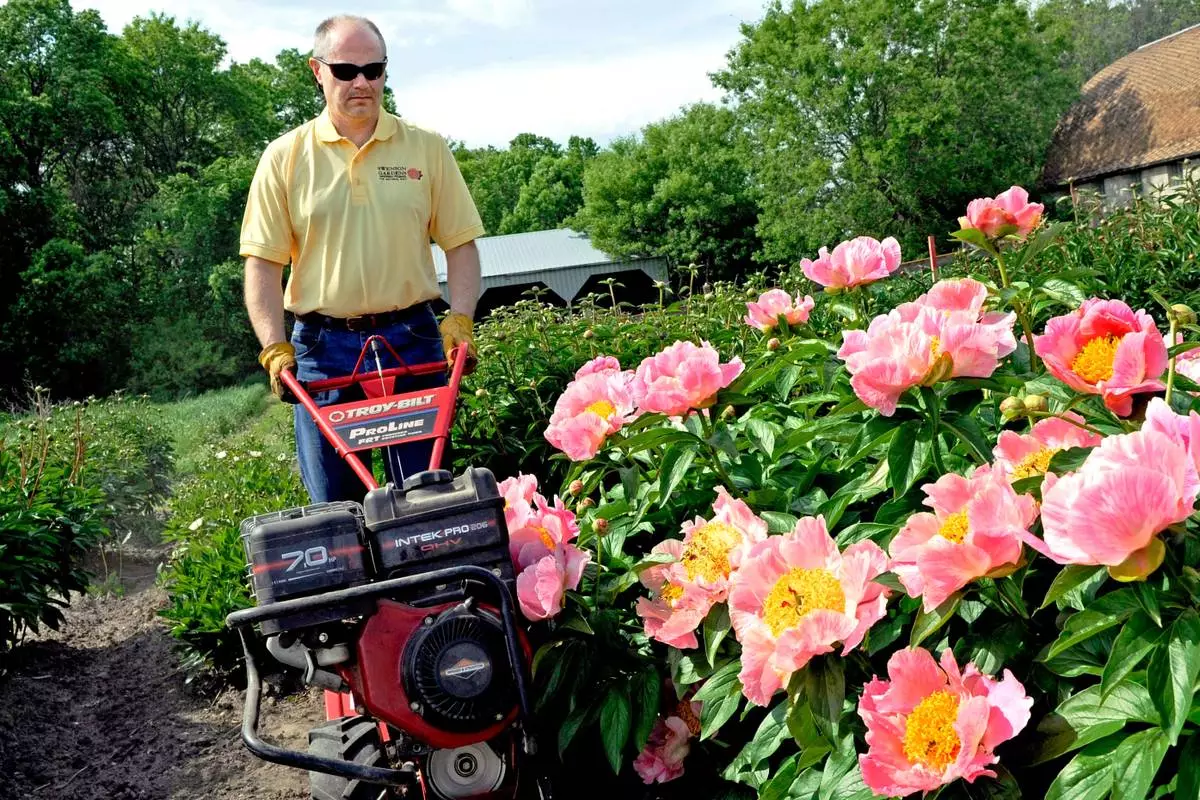
FILE - Keith Swenson, who runs a family gardening business, tills the ground between rows at a peony acreage near Maple Plain, Minn., on May 20, 2010. (AP Photo/Jim Mone, File)
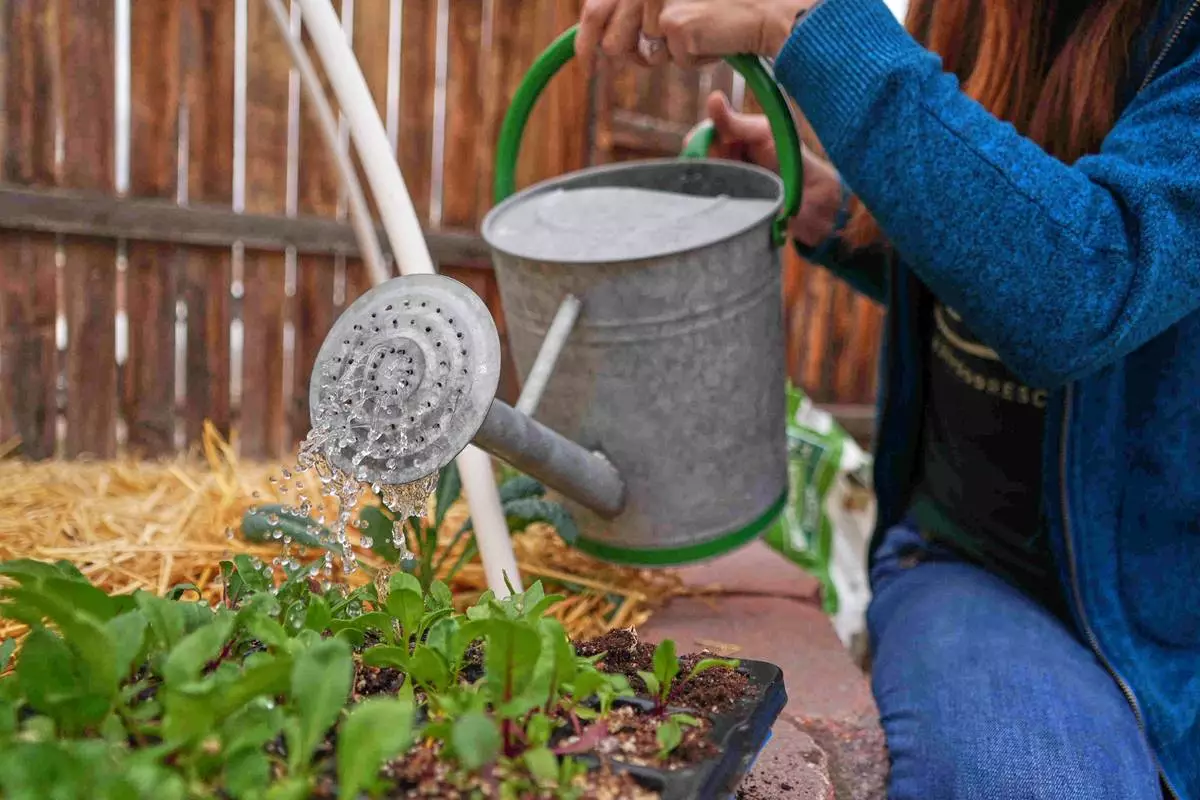
FILE - A woman waters beet seedlings in Denver on April 9, 2026. (AP Photo/Brittany Peterson, File)
Thousands of Southern California residents still could not return home Tuesday as crews worked to keep cooling a damaged tank containing a hazardous chemical at an aerospace plant, despite officials saying the risk of a catastrophic explosion had largely passed.
Officials began ordering residents of Garden Grove near Los Angeles to evacuate their homes on Thursday after the tank overheated. About 16,000 residents out of the 50,000 evacuees were still waiting for the all-clear.
“It’s not over yet,” TJ McGovern, interim fire chief of the Orange County Fire Authority, said Monday. “We still have to mitigate a fire and very small explosion concern, and also a spill potential.”
The tank at GKN Aerospace Transparency Systems contains 6,000 to 7,000 gallons (22,700 to 26,500 liters) of methyl methacrylate, which is highly flammable. Exposure to the chemical can cause serious respiratory problems, neurological problems and irritation to the skin, eyes and throat, according to the federal Environmental Protection Agency.
An evaluation of the tank showed a reduction of pressure inside, thanks to a crack that was discovered Sunday. The tank’s interior had cooled to 93 degrees F (33.9 degrees C), the county's fire division chief Craig Covey said Monday, down from 100 degrees (37.7 degrees C) a day earlier.
Health officials have sought to reassure people who are returning to homes near the plant.
“There was no contamination. There were no fumes. There were not vapors that came from this incident,” Orange County Health Director Regina Chinsio-Kwong said at Monday's news conference. “There was not a leak. So it should be, you should feel comfortable going home even if you’re across the street from that new zone line.”
Kim Yen, a retiree who had to evacuate her home two blocks from the plant, said she’s ready to go back but wants to be sure it’s safe first.
“I am happy and many of us are happy but, still, we are still on our evacuation,” she said Monday.
The parking lot was full Monday at a large park in Fountain Valley, just southwest of Garden Grove, as people sought refuge in an ad hoc shelter there or pitched tents outside. Other people gathered in the park to enjoy Memorial Day.
Yen added that she’s been worried about the emergency crews.
“They are really our heroes,” she said.
The tank might eventually cool enough for crews to safely stabilize and drain the remaining material without triggering a spark or ignition, said Andrew Whelton, a Purdue University engineering professor who has studied environmental contamination.
Whelton cautioned there is still some risk of an explosion while the chemical inside the tank remains hot and reactive. He said temperatures need to fall closer to ambient levels — roughly 60 to 70 degrees Fahrenheit (15.6 to 21.1 degrees C) — before conditions are considered significantly safer.
As the interior temperature of the tank increased, methyl methacrylate — which is used to make plastics — converted from liquid to gas, ramping up the pressure and risk of explosion, Whelton said.
Some of the methyl methacrylate may already have hardened into a stable plastic similar to plexiglass, reducing the risk inside the tank, he said.
Orange County Supervisor Janet Nguyen said the South Coast Air Quality Management District will be monitoring the air for several months and the EPA will be checking the sewer and storm drains.
County health officials have said the chemical is easy to smell and people may notice it over a large area without being harmed.
GKN Aerospace Transparency Systems, which owns the plant, is a British company that makes cockpit windows, canopies and windshields for military and commercial aircraft.
GKN Aerospace technical specialists and the Orange County Fire Authority removed external insulation material from the tank to help cool its contents, according to a GKN Aerospace statement released Monday.
“We apologize for the ongoing disruption this incident is causing and our priority remains its safe resolution, so that residents can return to their homes as quickly as possible,” the statement said.
GKN Aerospace says on its website that it employs about 16,000 people across 32 manufacturing sites in 12 countries and supplies technologies and components used by major commercial and military aircraft manufacturers worldwide.
It remained unknown when the operation would reopen.
GKN Aerospace agreed in 2025 to pay state regulators more than $900,000 to settle violations involving recordkeeping, permitting issues and nitrogen oxide emissions, according to a report on the South Coast Air Quality Management District website.
Disruptions at facilities producing specialized aircraft components can be difficult for the global aerospace industry to absorb because supply chains are highly concentrated and already strained, said Richard Aboulafia, managing director of the aerospace consulting firm AeroDynamic Advisory.
Aboulafia said aerospace manufacturing differs from many other industries because aircraft production rates are relatively low, leaving only a small number of suppliers for many specialized parts and systems.
“There’s just not a lot of margin in the system,” he said.
——
This story has been corrected to attribute a quote to TJ McGovern, interim fire chief of the Orange County Fire Authority, not to division chief Craig Covey.
Willingham reported from Boston. Stengle reported from Dallas. Associated Press journalist Ethan Swope in Garden Grove, California, contributed to this report.
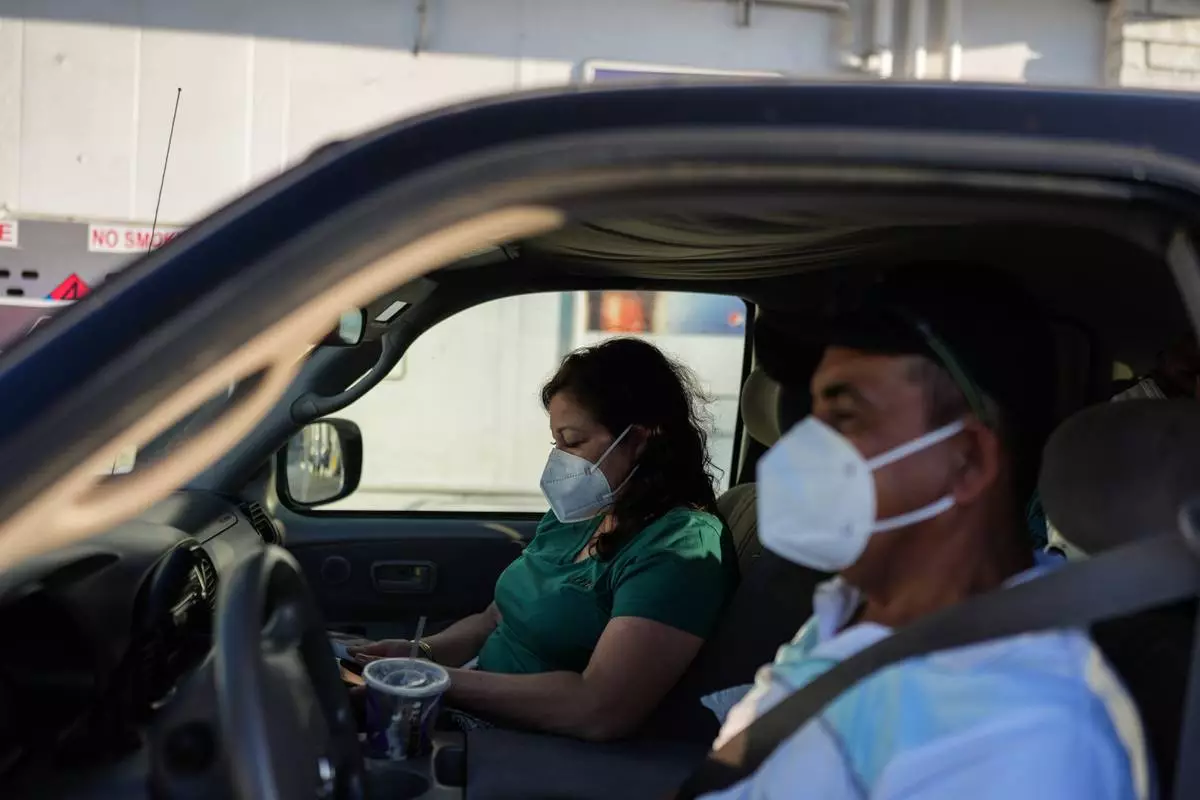
Two evacuees sit in their pickup truck at a gas station within the evacuation zone in Stanton, Calif., Monday, May 25, 2026. (AP Photo/Jae C. Hong)

An aerial view shows a police checkpoint enforcing a road closure at the evacuation zone boundary in Anaheim, Calif., Monday, May 25, 2026. (AP Photo/Jae C. Hong)
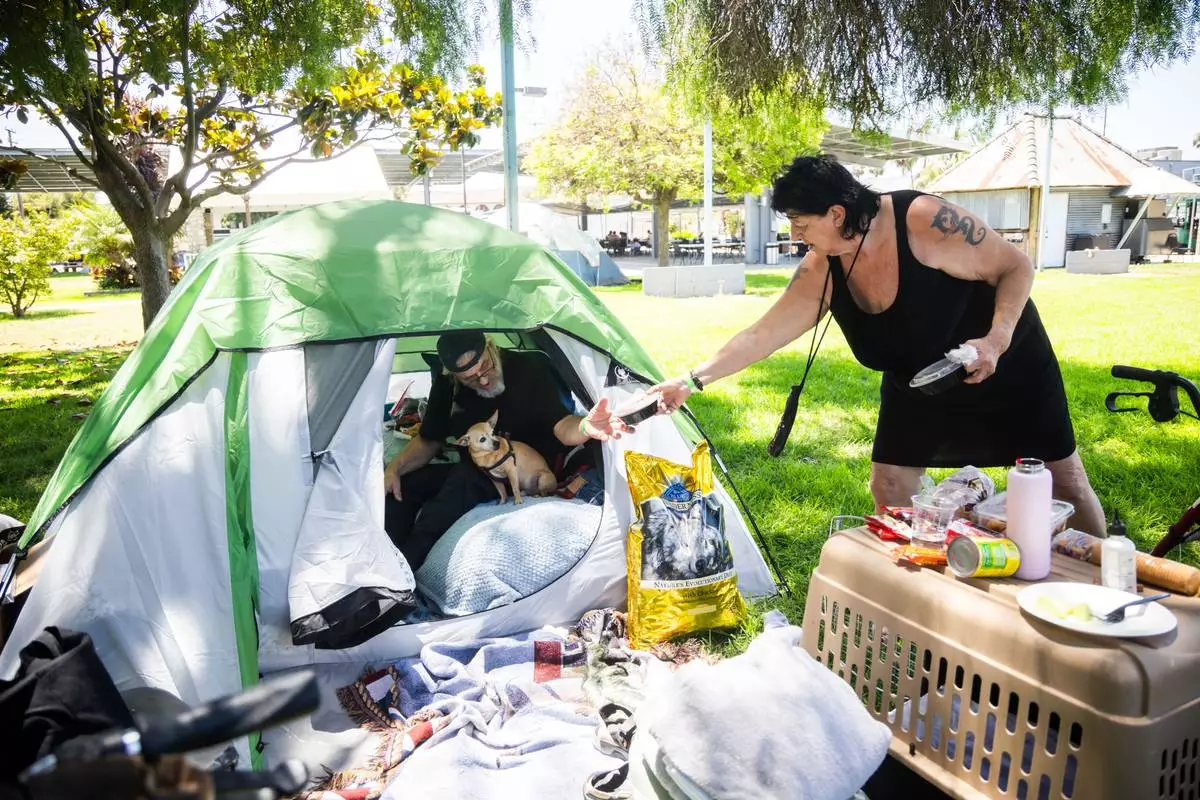
Jan De Jonge and fiancé Sher Stuckman set up a tent with their belonging and pet outside the Elks Lodge in Garden Grove, Calif., on Monday, May 25, 2026. (AP Photo/Ethan Swope)

An evacuation map is displayed at the incident command post at the Los Alamitos Race Course in Cypress, Calif., on Sunday, May 24, 2026. (AP Photo/Ethan Swope)
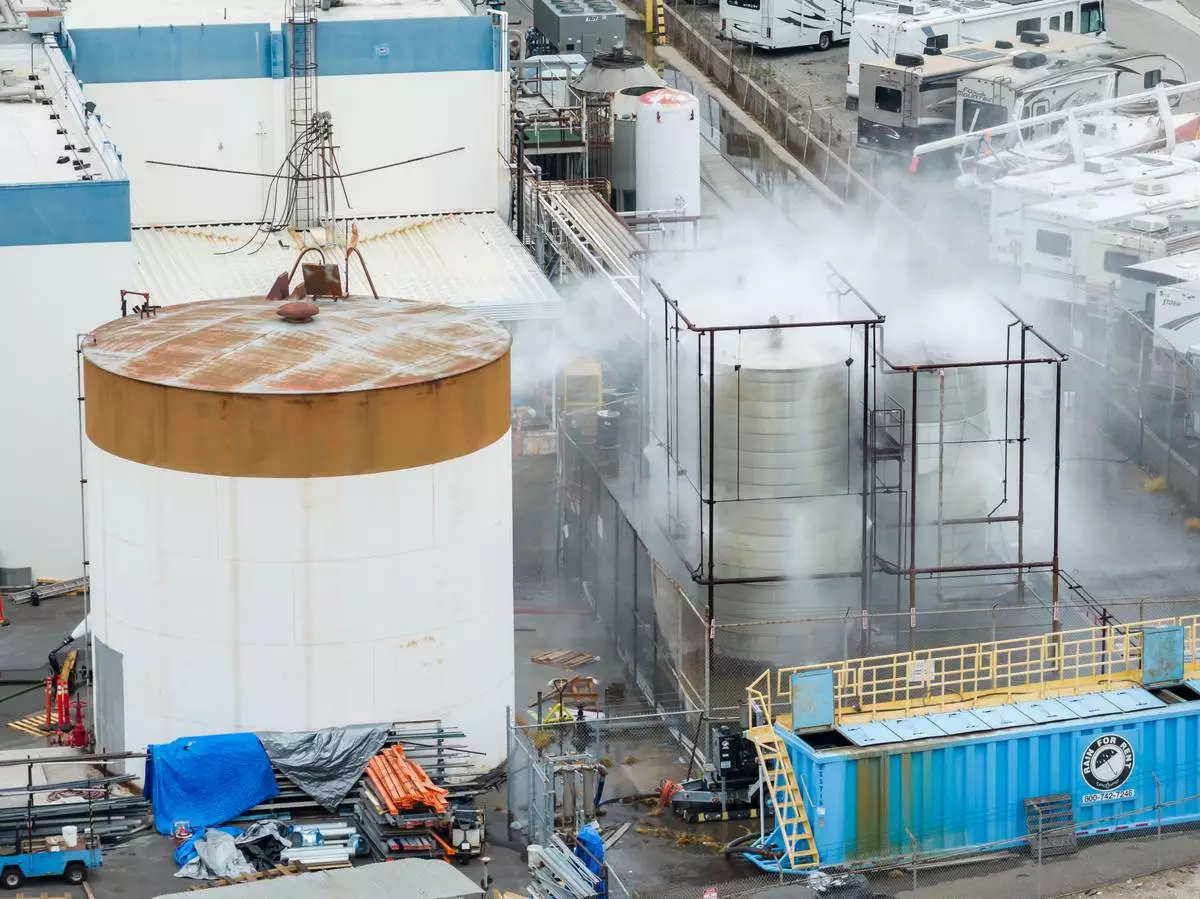
Water is sprayed on a damaged tank at GKN Aerospace in Garden Grove, Calif., on Sunday, May 24, 2026, after the tank containing a chemical used to make plastic parts overheated Thursday. (AP Photo/Ethan Swope)
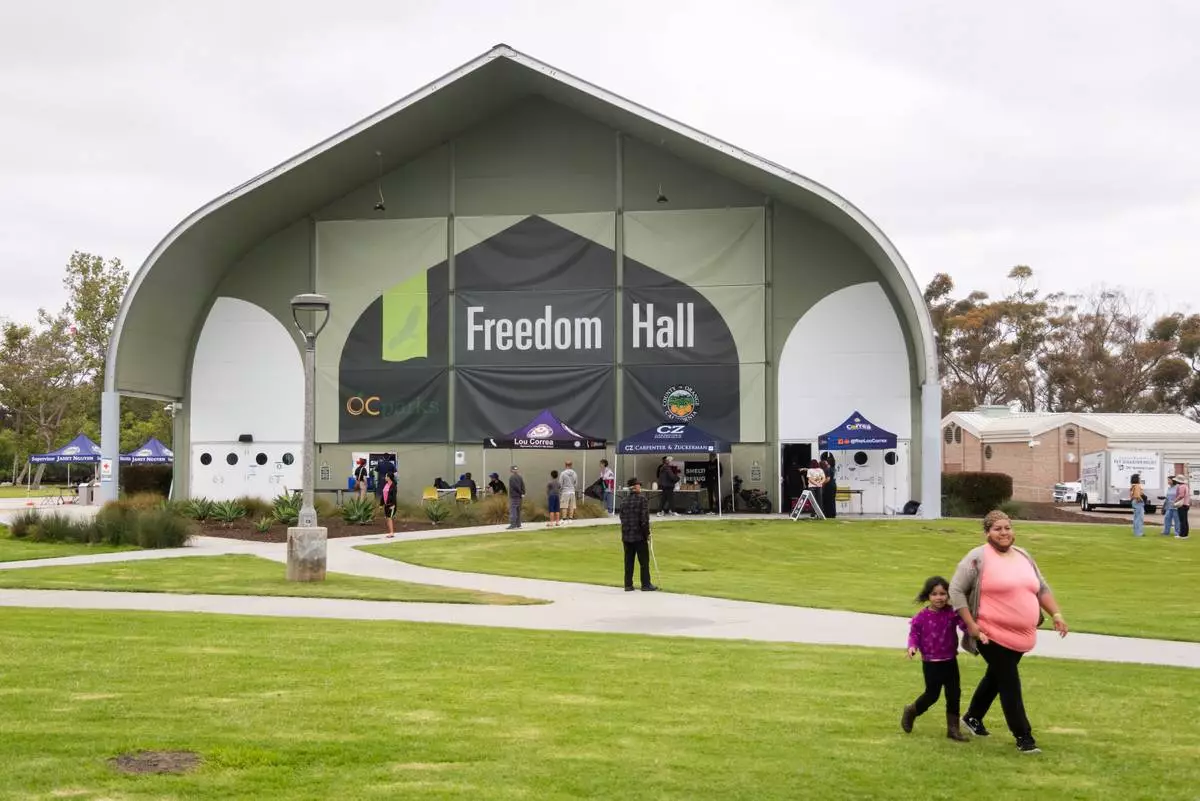
People walk outside Freedom Hall, an evacuation center in Fountain Valley, Calif., on Monday, May 25, 2026. (AP Photo/Ethan Swope)

An American Red Cross volunteer walks outside Freedom Hall, an evacuation center in Fountain Valley, Calif.,on Monday, May 25, 2026. (AP Photo/Ethan Swope)
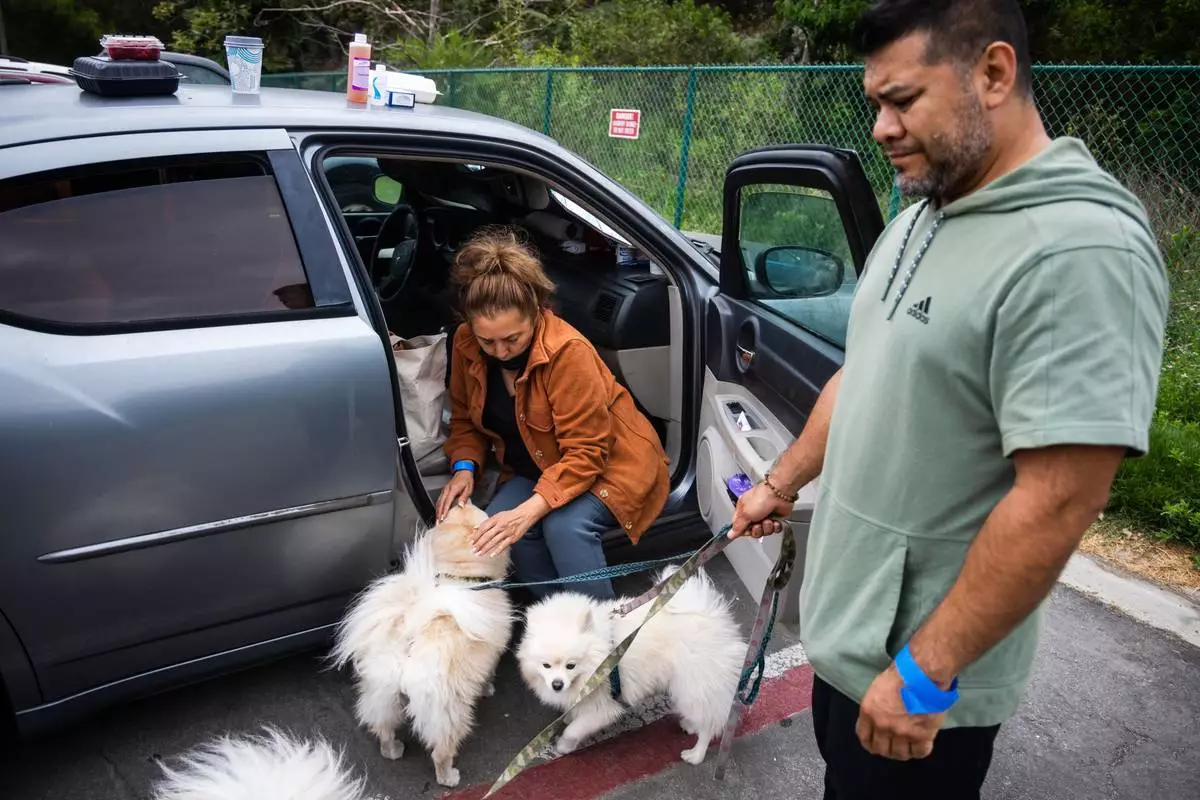
People tend to their pets outside Freedom Hall, an evacuation center in Fountain Valley, Calif., on Monday, May 25, 2026. (AP Photo/Ethan Swope)