HONOLULU (AP) — Decades before Filipino American agricultural workers organized a historic strike in California, Pablo Manlapit was organizing Filipino laborers in Hawaii.
Manlapit, who migrated to Honolulu in 1910 to work on sugar plantations, saw the exploitation of other Philippine-born workers — known as “sakadas.” A decade later and at great risk to his livelihood and marriage, he became Hawaii's first Filipino lawyer and pioneered a Filipino labor union demanding equal pay and an eight-hour workday.
Click to Gallery
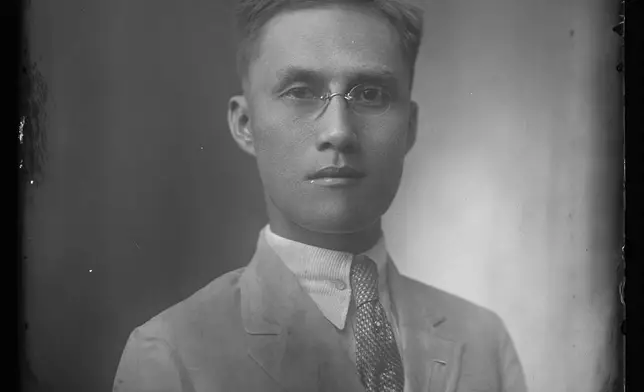
This undated photo provided by the Hawaiʻi State Archives shows Pablo Manlapit, Hawaii's first Filipino lawyer. (Hawaiʻi State Archives via AP)
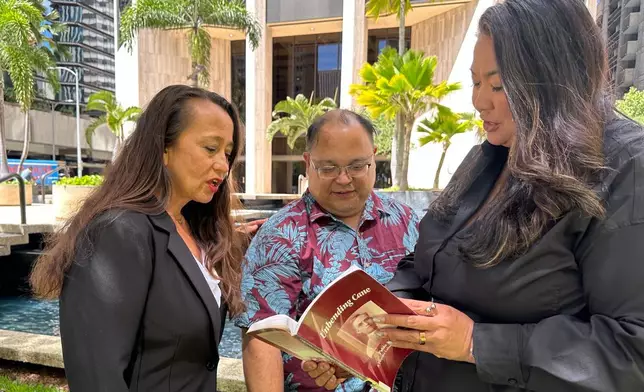
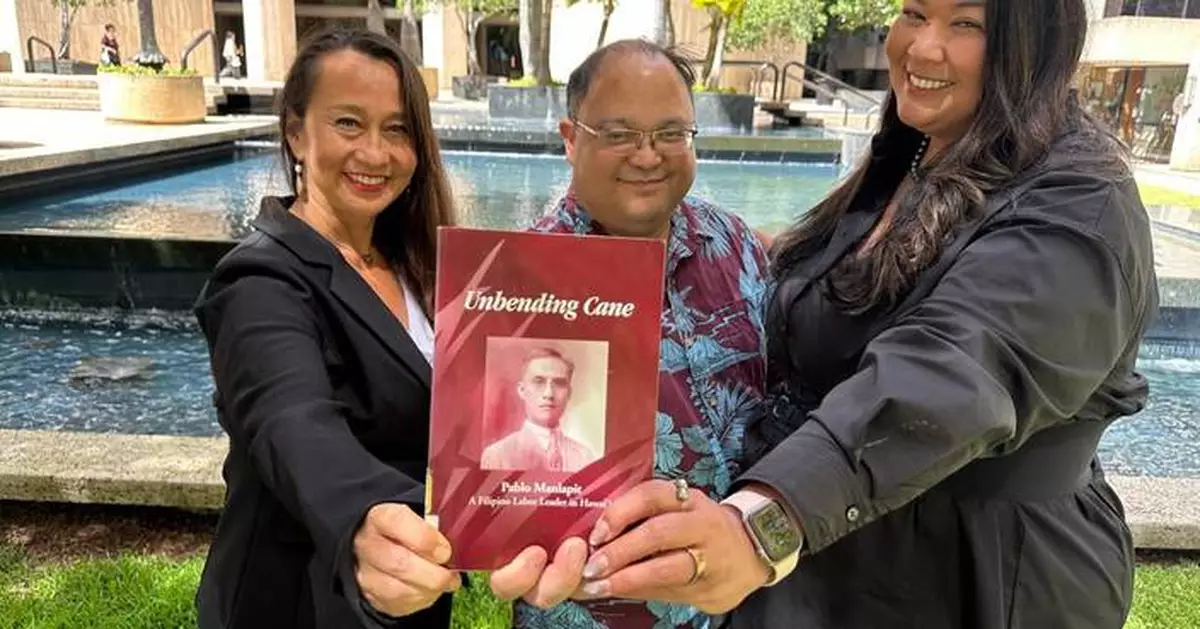
Attorneys Becky Gardner, left, Daniel Padilla, center, and Kainani Collins Alvarez look through a book about Filipino labor leader Pablo Manlapit on Wednesday, May 27, 2026, in Honolulu. (AP Photo/Jennifer Sinco Kelleher)
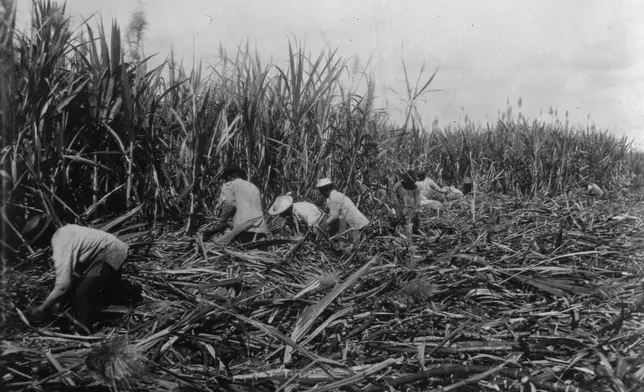
In this undated photo provided by the Hawaiʻi State Archives, workers cut sugar cane by hand at the Ewa Plantation in Hawaii. (Hawaiʻi State Archives via AP)
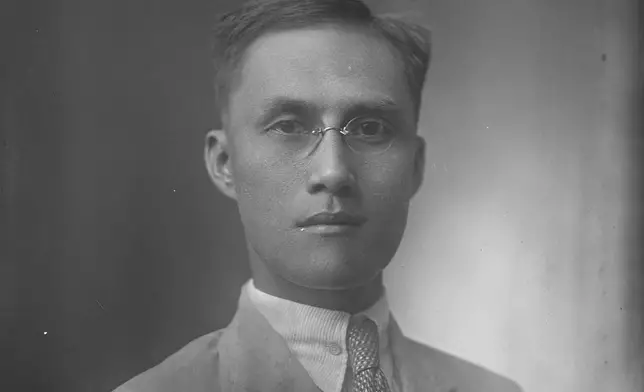
This undated photo provided by the Hawaiʻi State Archives shows Pablo Manlapit, Hawaii's first Filipino lawyer. (Hawaiʻi State Archives via AP)
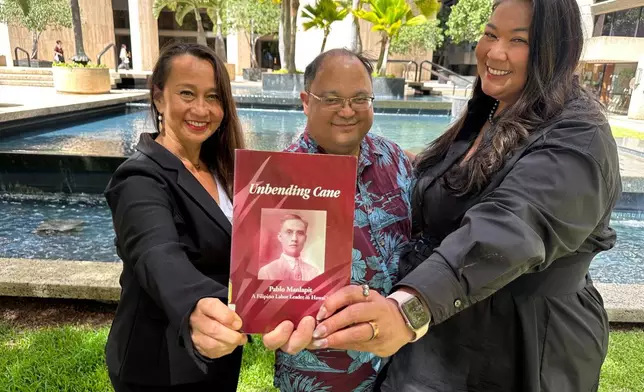
Attorneys Becky Gardner, left, Daniel Padilla, center, and Kainani Collins Alvarez pose with a book about Filipino labor leader Pablo Manlapit on Wednesday, May 27, 2026, in Honolulu. (AP Photo/Jennifer Sinco Kelleher)
He also persuaded Japanese workers, who were paid more, to join. For these organizing efforts, he was implicated in the 1924 Hanapepe Massacre on the island of Kauai where 16 strikers and four police officers were killed.
The tragedy halted any momentum the strikers had.
Manlapit was imprisoned, exiled to California and eventually deported. Despite remaining a stalwart labor rights advocate, he died in 1969 in relative obscurity.
Now, over a century later, Manlapit has become a trailblazer to a group of Filipino lawyers who didn't grow up learning about him. The Hawaii Filipino Lawyers Association is seeking to overturn his conspiracy conviction, a symbolic effort they hope will elevate Manlapit’s place in history. They say Manlapit's contributions and Asian American and Pacific Islander history in Hawaii in general still remain relatively unknown across the U.S. mainland.
“It’s a story that needs to be told. A lot of us are second generation, so we don’t have knowledge of these stories," said Daniel Padilla, the group’s president. “His story gets overshadowed ... in the broader labor movement in California.”
Recent revelations of sexual abuse allegations against prominent Mexican American labor leader César Chavez prompted reflection on Filipinos who were key to the U.S. farmworker movement.
That inspired the Filipino lawyer group to explore clearing Manlapit's name. The quest to overturn Manlapit’s conviction, the association has said, is about “restoring what was taken from a movement that always belonged to many.”
Filipino Americans have historically been left out by historians, said Kevin Nadal, Filipino American National Historical Society president. Within Filipino American communities, those in Hawaii — an ocean away — were chronicled less over the decades. Nadal, a psychology professor at City University of New York, didn't learn extensively about Manlapit until researching a Filipino American Studies encyclopedia in 2020.
“It may have been documented through just like oral histories,” Nadal said. “We love oral histories but, if no one writes them down and then it doesn’t become published, then it just gets lost.”
Manlapit's movement was likely the first instance of documented mobilizing by Filipino workers.
“It started with Hawaii,” Nadal said. “What was happening in Hawaii, it would have been really hard for people to know that it was happening in California.”
There has been more acknowledgement in recent years. Earlier in May for Asian American Pacific Islander Heritage Month, the Smithsonian Asian Pacific American Center partnered with Hawaii U.S. Sen. Mazie Hirono on a poster exhibit highlighting sakadas.
Laborers who left the Philippines for Hawaii's plantations were key to Filipinos becoming one of the largest ethnic groups in the state today. They made up over half the labor force. Hawaii became home to the nation's first and only governor of Filipino descent, Ben Cayetano.
Cayetano, 87, said he never felt a need to seek out his Filipino roots growing up poor in Honolulu.
“I was born and raised here so I was more influenced by the local culture, which is a mixture of the Hawaiian culture and all the other cultures,” said Cayetano, who graduated from college and law school in Los Angeles.
But honoring sakadas and leaders like Manlapit is a way to also honor the sakada who raised Cayetano as a single father, he said.
Growing up biracial in rural upstate New York, Becky Gardner felt like she couldn’t connect with her mother’s Filipino ancestry but heard stories about her great-grandfather and grandfather who were laborers on Kauai plantations. Longing to connect to those roots, Gardner moved to Honolulu to attend law school.
While working as a lawyer in the state Office of Language Access, she advocated for “Sakada Day,” commemorating the Dec. 20 arrival of the first contract laborers who left the Philippines to work on Hawaii's sugar and pineapple plantations.
It was then that Gardner realized she is a sakada descendant.
She typed her great-grandfather's name, Francisco Alcano, into an online database of Filipino laborers and found records detailing his 1928 arrival in Honolulu aboard a steamship named for President Grover Cleveland.
“It made me feel like I was part of Hawaii's history too,” Gardner said.
The Hawaii Filipino Lawyers Association is reviewing whether Manlapit’s 1924 conviction was wrongful and if there is any legal way to clear his name posthumously, said Padilla, who earned a law degree from the University of Hawaii.
They’re also looking into creating a fellowship at University of Hawaii’s law school to explore the possibility of having a legal researcher examine the case toward efforts to formally vindicate Manlapit.
Kainani Collins Alvarez, who grew up on Oahu knowing about her sakada grandfather, is a former public defender who now owns a family-law firm. She wants to apply her criminal defense background to the association’s Manlapit cause. Half-white, she feels connected to Hawaii Filipinos through her mom and a childhood partly spent in the Philippines.
“For me, it's really important to go back and rectify the truth,” she said. “History is built on the facts that we knew at the time.”
Manlapit wasn't even on Kauai during the 1924 massacre when striking Filipino sugar workers and police clashed violently.
Even though Manlapit was eventually pardoned, the association wants to bring to light evidence showing he was innocent, Alvarez said.
According to a Manlapit biography, he wrote in a 1927 “farewell statement” that he would push to prove his innocence: “I was railroaded to prison because I tried to secure justice and a square deal for my oppressed countrymen who are lured to the plantations to work for a dollar a day.”
An overturning would mean more than a pardon in some ways, Nadal said.
“It would mean more of understanding justice and ensuring that people realize that we can fight for justice and that justice can prevail,” he said.
Manlapit's story inspired Khara Jabola-Carolus to become a lawyer in Hawaii. Like him, she started out as an organizer and activist. She grew up in California and graduated from Hawaii's law school.
“There's a long history of Filipino organizing,” she said. “That's why I wanted to be a lawyer here.”
She wants more people to know of Manlapit's life like they would famous Filipino pop stars.
“We need representation and access to seeing ourselves as heroes and movement leaders and not just entertainers,” she said. “Like Filipino Americans need to know Pablo Manlapit as much as they know Bruno Mars or Olivia Rodrigo.”
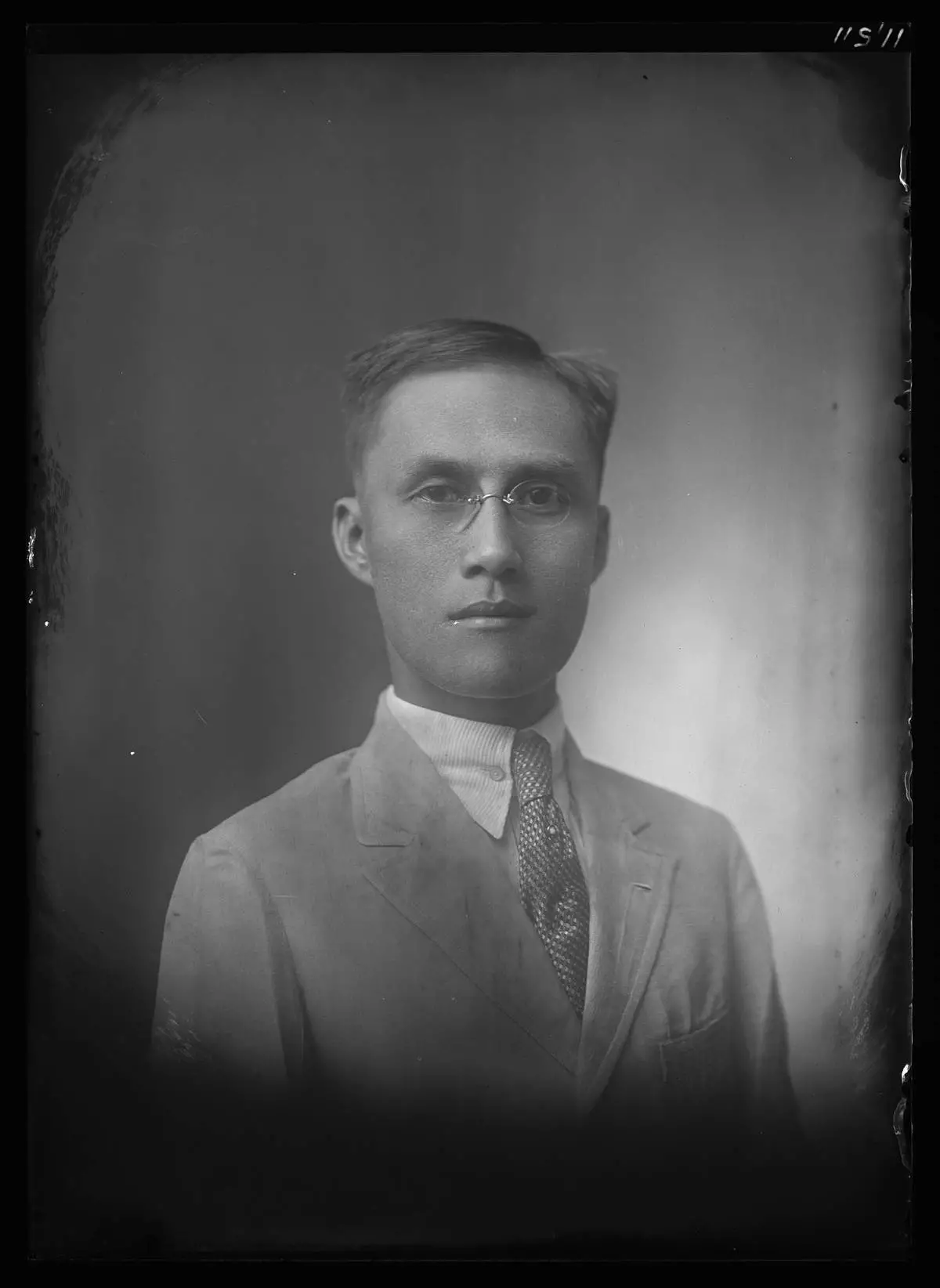
This undated photo provided by the Hawaiʻi State Archives shows Pablo Manlapit, Hawaii's first Filipino lawyer. (Hawaiʻi State Archives via AP)
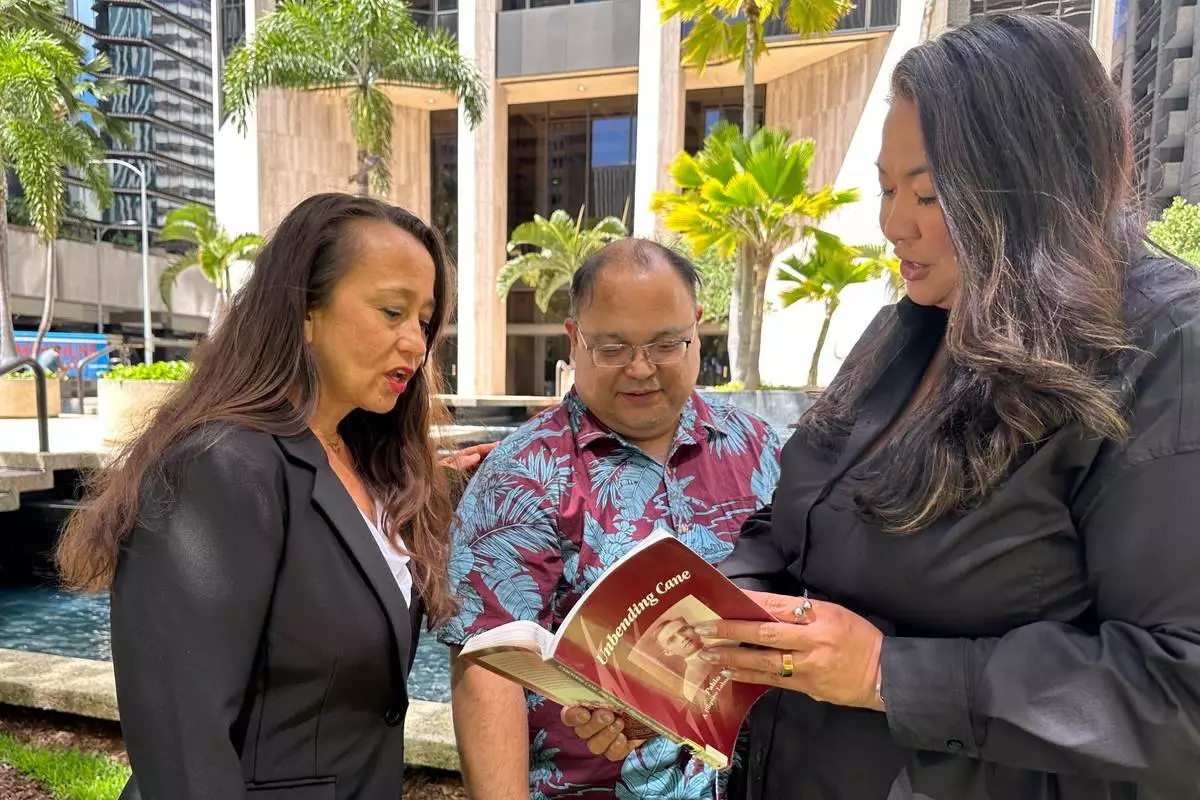
Attorneys Becky Gardner, left, Daniel Padilla, center, and Kainani Collins Alvarez look through a book about Filipino labor leader Pablo Manlapit on Wednesday, May 27, 2026, in Honolulu. (AP Photo/Jennifer Sinco Kelleher)
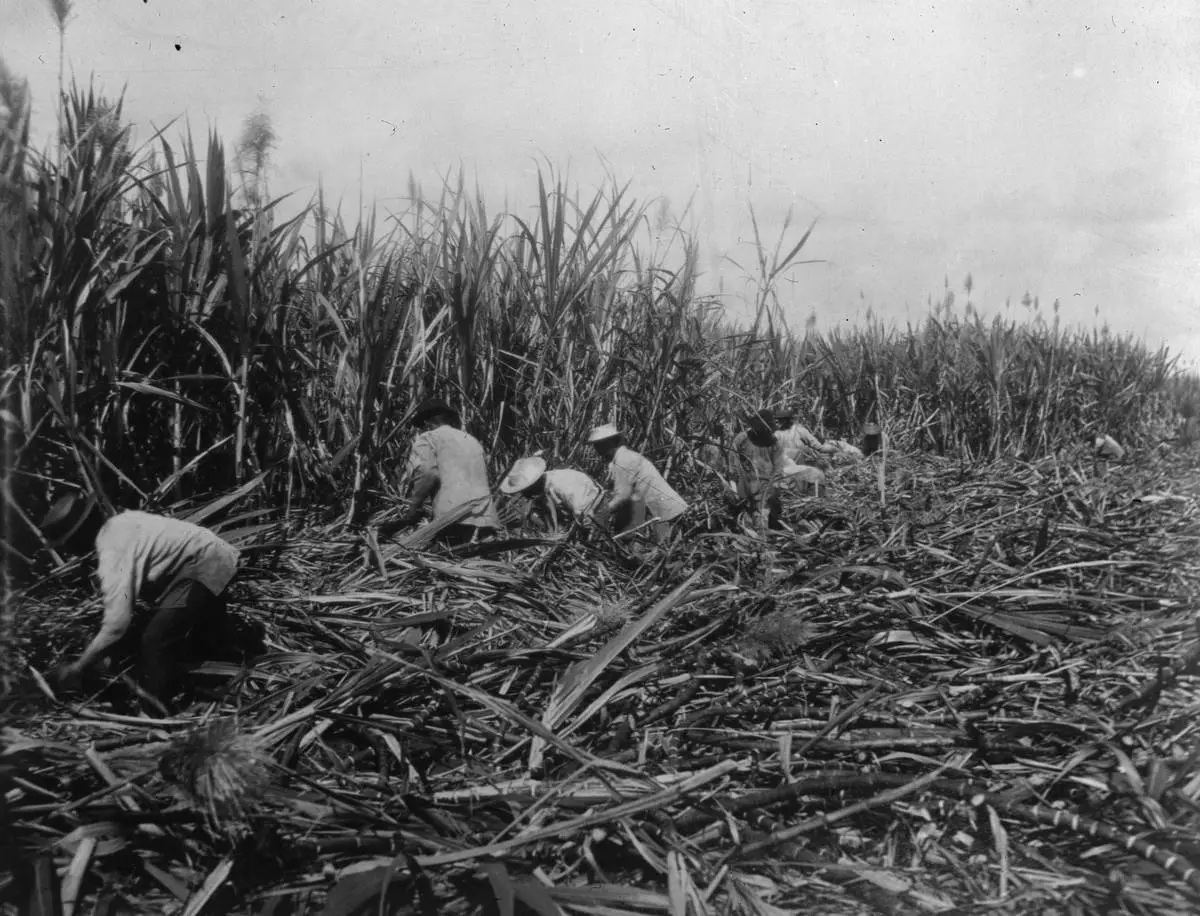
In this undated photo provided by the Hawaiʻi State Archives, workers cut sugar cane by hand at the Ewa Plantation in Hawaii. (Hawaiʻi State Archives via AP)
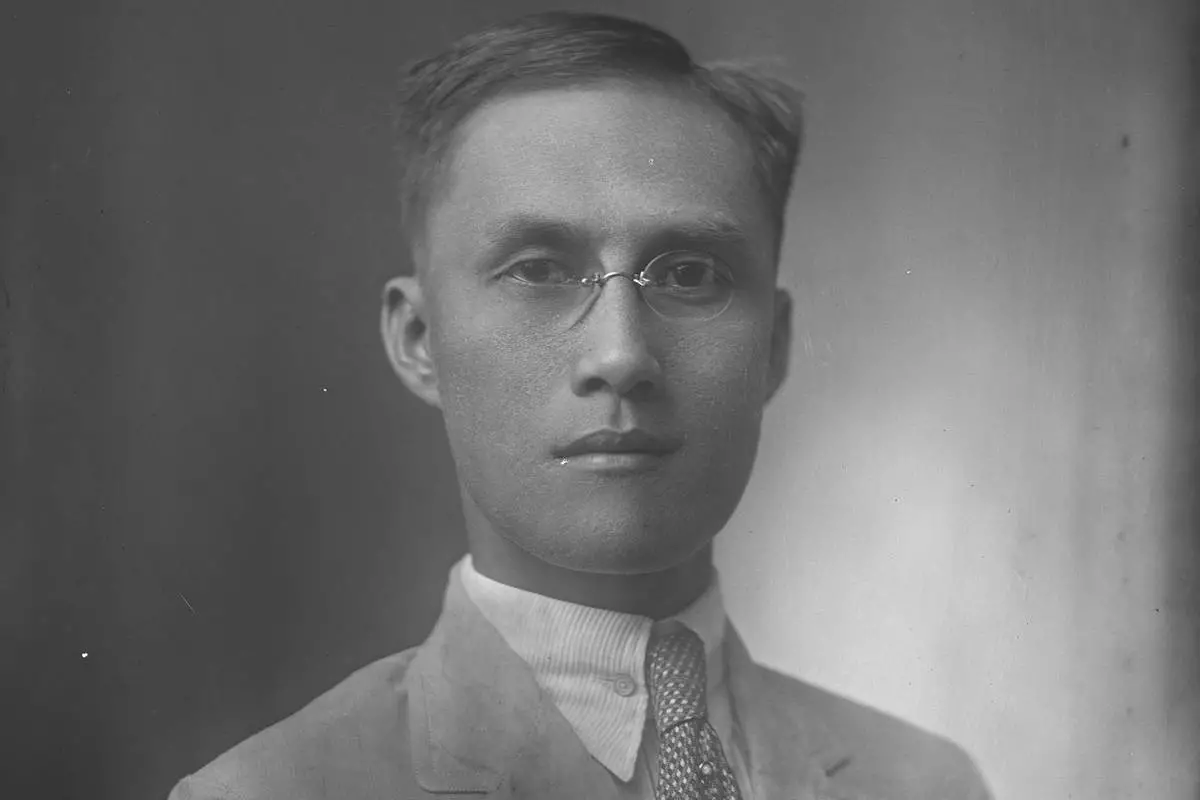
This undated photo provided by the Hawaiʻi State Archives shows Pablo Manlapit, Hawaii's first Filipino lawyer. (Hawaiʻi State Archives via AP)
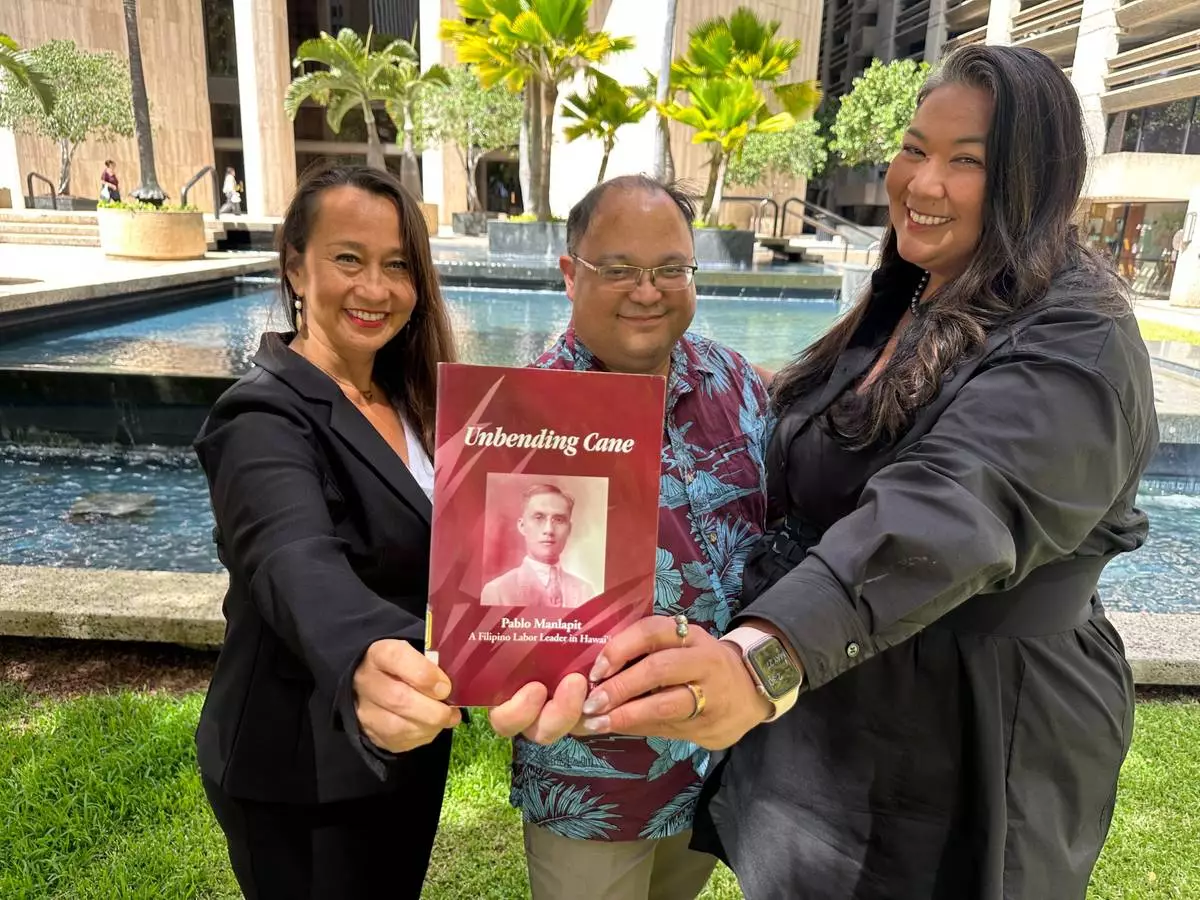
Attorneys Becky Gardner, left, Daniel Padilla, center, and Kainani Collins Alvarez pose with a book about Filipino labor leader Pablo Manlapit on Wednesday, May 27, 2026, in Honolulu. (AP Photo/Jennifer Sinco Kelleher)