Iran's tourism sector, once a thriving industry that welcomed millions of international visitors each year, is facing a deep crisis following months of war that have left hotels empty, flights grounded and thousands unemployed.
Before the war, travelers from across the globe were drawn by the country's historic cities, museums and cultural landmarks. As the conflict escalated, museums closed, airspace was shut down, and foreign tourists disappeared almost overnight.
According to Iran's Ministry of Cultural Heritage, Tourism and Handicrafts, the war's harm extends far beyond lost visitor numbers.
"One hundred and sixty-four of our historical and cultural sites have been damaged, including the Golestan Museum and the Saadabad Palace. In 11 provinces, 62 units have been destroyed," said Anoushirvan Mohseni-Bandpey, deputy minister for tourism for Iran's Ministry of Cultural Heritage, Tourism, and Handicrafts.
Industry insiders said the economic fallout has also been severe. Hotels that once operated at full capacity are now reporting single-digit occupancy rates. Tour operators have halted operations, and many tour guides whose income depends almost entirely on foreign arrivals have been without work for months.
"Hotels have experienced a reduction in occupancy, travel agencies have canceled their tours, and tour leaders are unemployed. All these factors have caused tremendous damage to the tourism value chain. In addition, the handicrafts and transportation sectors have also been affected," said Mahdi Rejaeifard, a local travel agency manager.
Iran's airspace was shut for months. Even after reopening, international traffic has been slow to return. European and Persian Gulf airlines, the backbone of Iran's international connections, have not been reinstated. A few regional flights operate from Mashhad and Rasht, but Isfahan and Shiraz, two of Iran's biggest tourist hubs, still have no international departures. The deputy minister explained what that means for recovery.
"Tourism is a glass industry. Fragile. Building trust, bringing back airlines, it takes time. It's unlike other sectors where intensive work could repair the physical damages," said the deputy minister.
The ripple effects have spread to Iran's renowned handicrafts sector, which relies heavily on foreign buyers.
"Since the war began, we have had no tourists, and as a result, the handicraft sector has been badly hit. These days, we hardly have any customers. The government and private companies, once regular customers, are now short on budget," said Mohsen Sarbisheh, a handicrafts salesman.
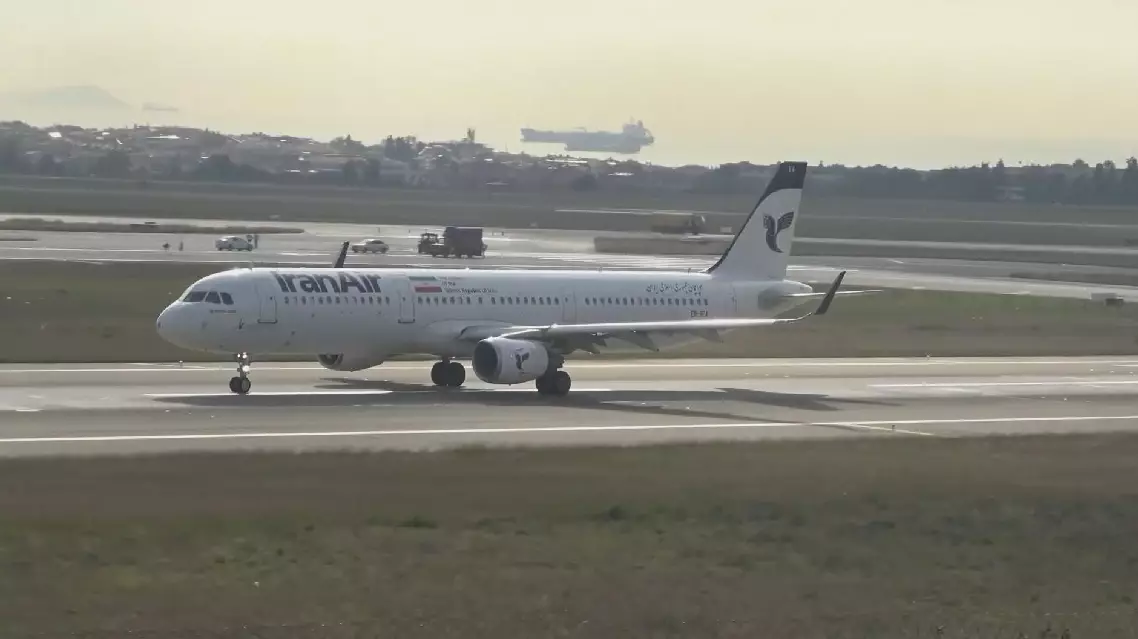
Iran's tourism industry struggles to recover after months of conflict