The 2026 FIFA World Cup has stimulated consumer spending as fans flock to purchase tournament-themed merchandise and take advantage of dining and travel deals.
The expanded 2026 tournament kicked off Thursday and is set to be the biggest ever World Cup, featuring a record 48 teams and seeing the competition hosted by three nations for the first time. Matches will take place in Mexico, Canada and the United States through July 19.
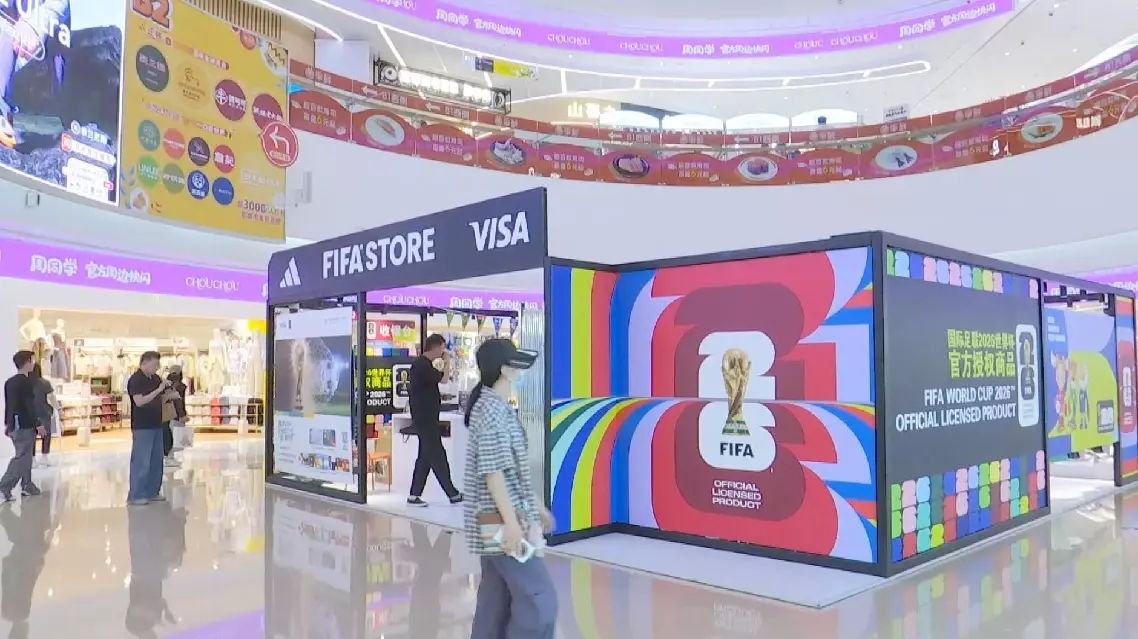
In Beijing, a licensed World Cup pop-up store drew a small peak in customer traffic on the first day of the tournament with a wide range of merchandise, from official FIFA footballs to mascot plushes.
"I want to buy some creative World Cup-themed products. It's an event that only happens every four years! I think this tassel is really well designed. The mascots are huddled together, and it would look great on my bag." said a customer in the store.
Another fan was drawn to a shining replica of the World Cup trophy.
"It's quite unique. I can hold onto it for years and cherish it," she said.
Data from leading e-commerce platforms shows that recent searches related to the World Cup have driven an increase of over 150 percent in toys and collectibles sales. With nearly 40 days of matches ahead, consumption momentum is expected to keep building both online and offline.
At a sports merchandise store in a popular shopping area in Beijing, fans can buy jerseys representing any of the World Cup teams. Some choose to have their favorite player's name and number printed on it while in the store.
"I've been a fan of the German team since 2014. I just arrived in Beijing today and came to this store to buy a German team jersey to fulfill my childhood dream," said a football fan.
The best-selling jerseys, like those for Argentina, Germany, and Spain, as well as other World Cup-themed products in the store, are mostly made in China, according to Lin Chuchu, the store's event manager.
Meanwhile, an oversized replica of the Adidas Trionda — the official match ball for the 2026 World Cup — celebrates how intelligent products manufactured in China are also expanding their reach to the world through the World Cup.
The Adidas Trionda is manufactured in a factory in south China's Guangdong Province. The football contains a built-in chip that acts as a high-frequency sensor, helping referees make faster, fairer calls.
While the World Cup has boosted merchandise sales, the time difference for Chinese fans has also spurred new consumption patterns in the catering industry. Options range from morning coffee sets for early matches to late-night snacks for those staying up into the early hours.
At an official World Cup-themed coffee shop, a salesperson explained that during the tournament, customers can choose a fridge magnet set representing their favorite team to go with their coffee.
Notably, the 2026 FIFA World Cup coincides with China's grassroots football tournaments, including the "City Super League" and "Village Super League", as well as the country's peak summer tourism season.
Experts say that the World Cup will boost short-term consumption on themed hotels, beer and barbecue gatherings, and could help upgrade entire industries in the long term.
"The 2026 FIFA World Cup, hosted by Mexico, Canada and the United States, is turning a single sporting event into a whole ecosystem with sports, tourism, culture, and social experiences all rolling into one, thus creating a market worth hundreds of billions of yuan," said Han Yuanjun, a researcher at the China Tourism Academy (CTA).
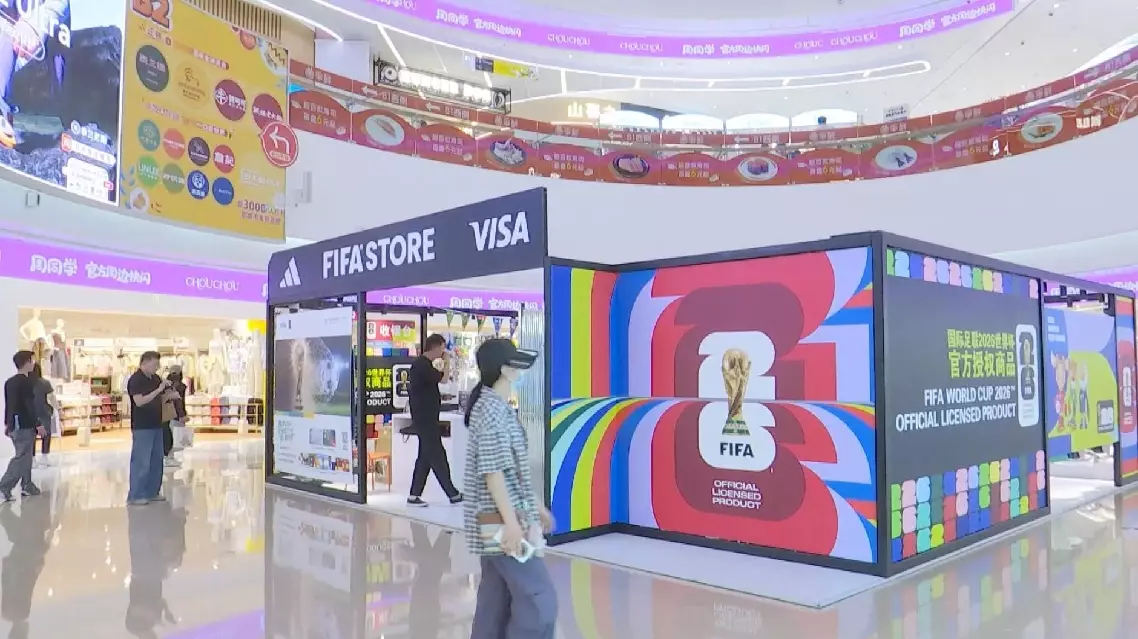
2026 World Cup drives consumer spending surge in China
2026 World Cup drives consumer spending surge in China