Hong Kong’s Hang Seng Index closed slightly higher Monday, lifted by gains in an AI stock, said Timothy Pope, a market analyst for China Global Television Network (CGTN).
The benchmark Hang Seng Index added 0.50 percent to finish at 24,842.67 points.
The Hang Seng China Enterprises Index inched up 0.02 percent to 8,375.74 points, while the Hang Seng Tech Index rose 1.28 percent to 4,765.58 points.
"Some of the regional markets enjoyed a strong relief rally today, but Hong Kong wasn't really one of them. The Hang Seng added 0.5 percent. Set alongside the mainland gains, what we saw in Japan, and a 5.3 percent jump for Korea's KOSPI 200, the Hang Seng was really limping along at the back of the pack today, and despite all the good news it still looks very range-bound and unable to make much traction above 25 thousand points," Pope said.
Pope noted an AI debut surged more than 30 percent, but the rally failed to lift the Hang Seng beyond a modest 0.5 percent gain.
"There was one very clear winner in Hong Kong today, and that was Knowledge Atlas Technology, also known as Zhipu AI. You'll remember it's only about a week since this stock started trading on the Hang Seng and today it was up more than 32 percent. That's because the large language model AI and AI agent developer has launched a new model which it says will be released open-source. But really, that wasn't enough to spark significant gains for the Hang Seng today," he said.
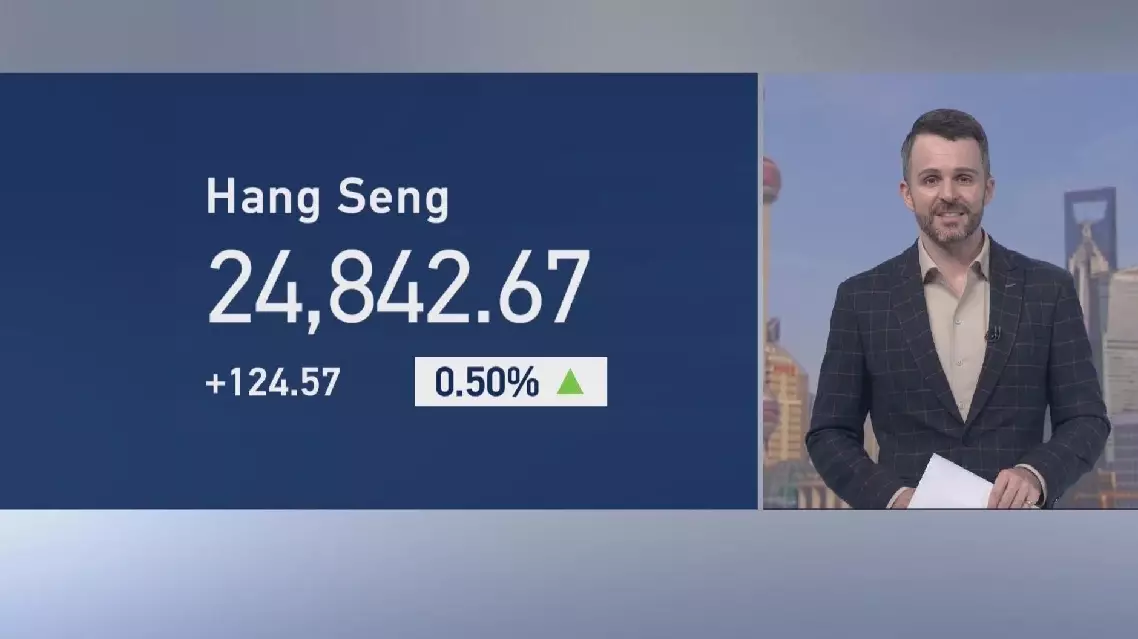
Hong Kong stocks edge up 0.5 pct, AI surge fails to spark wider rally: analyst
On the 81st anniversary of the U.S. atomic bombing of western Japan's Hiroshima city, an 86-year-old survivor has appealed to the Japanese government to pursue peace and stop re-militarization.
The United States dropped an atomic bomb over the city on Aug. 6, 1945, killing around 140,000 people by the end of that year.
Three days after the world's first-ever nuclear attack decimated Hiroshima, a second atomic bomb was dropped on Nagasaki in southwestern Japan.
Eighty-one years after the horrific devastation, an exhibition was held in Tokyo to showcase the history and testimonies of survivors.
As the only country in the world to have suffered atomic bombings, Japan has long upheld the Three Non-Nuclear Principles, which prohibit possessing, producing or permitting the introduction of nuclear weapons into Japanese territory.
In recent years, however, calls to revise the principles have grown in the country, especially within the ruling bloc. Local media previously reported that the government of Prime Minister Sanae Takaichi was considering revising the principle prohibiting the introduction of nuclear weapons into Japan. The reported move has sparked widespread concern among various sectors of Japanese society -- including survivors.
"It's hard to say, but Japan is not working for peace right now," said Rumi Hanagaki, a survivor of the Hiroshima atomic bombing.
"To be honest, we have been protected by Article 9 for about 81 years. I went to primary school the year the Article was enacted. The memory is still fresh to me. Being protected by the Pacifist Constitution for 81 years, why on earth do we change it? We need no weapons, we don't want to possess or export weapons. It is absolutely unnecessary to possess or receive lethal weapons. These are the heartfelt words from us atomic bomb survivors," she said.
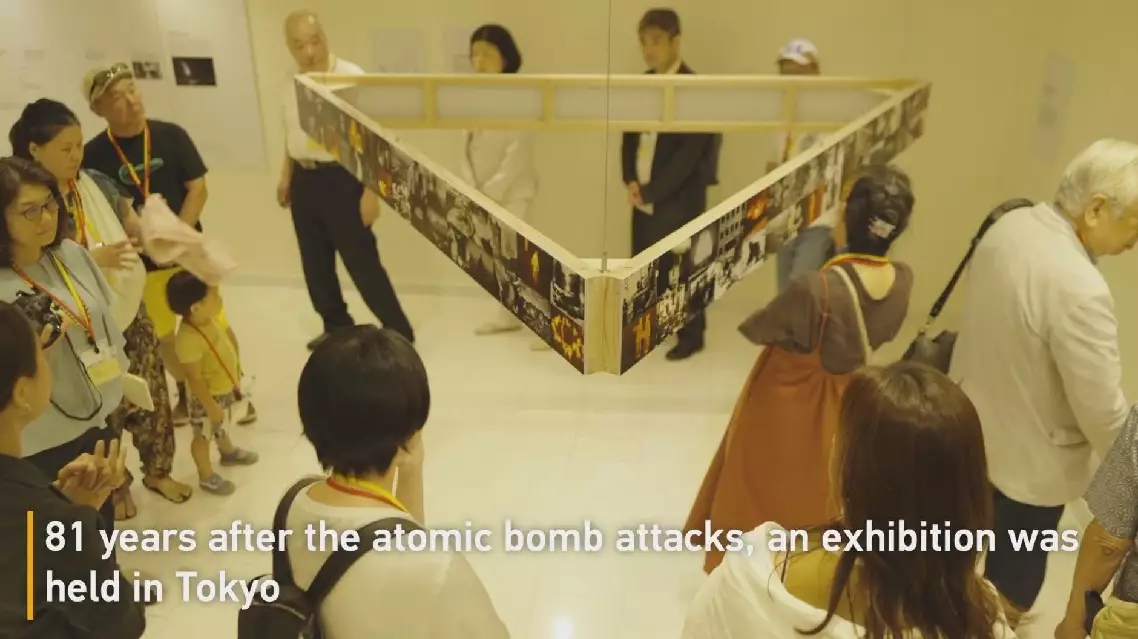
Atomic bombing survivor appeals to Japanese government to pursue peace