Representatives from over 40 major business districts worldwide met in Beijing for the 2026 CBD Forum Annual Conference to discuss strategies for global collaboration and urban renewal, with some drawing lessons from the Chinese capital's own central business district.
The conference, held from June 15 to 17, convened management agencies from more than 40 major international business districts and commercial zones, including representatives from Beijing, Paris, Chicago, Toronto, Montreal, Shanghai, Guangzhou, and others.
Insights were shared on how international consumption hub cities can invigorate regional economies, promote urban renewal, and deepen partnerships with multinational corporations and countries. The forum emphasized the importance of adaptability and innovation in the face of global challenges.
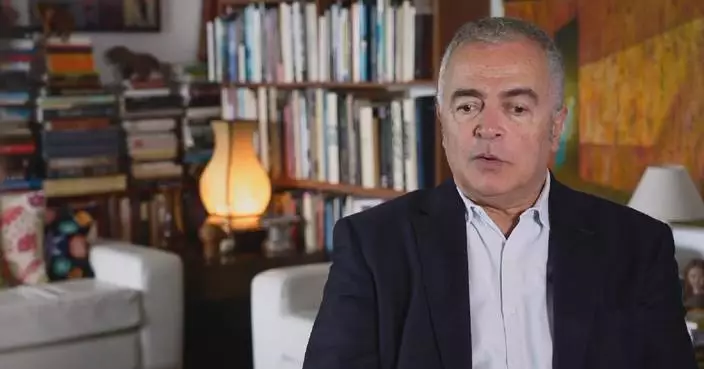
"La Defense, the business district of Paris, is actually one of the oldest traditional business districts in the world. Today, the focus is on the climate, on geopolitics, but before it would be financial shifts, et cetera. So La Defense went through all these crises. And then I think we can share this experience and inspire maybe younger CBDs to adapt and to design new strategies," said Pierre-Yves Guice, CEO of La Defense in Paris.
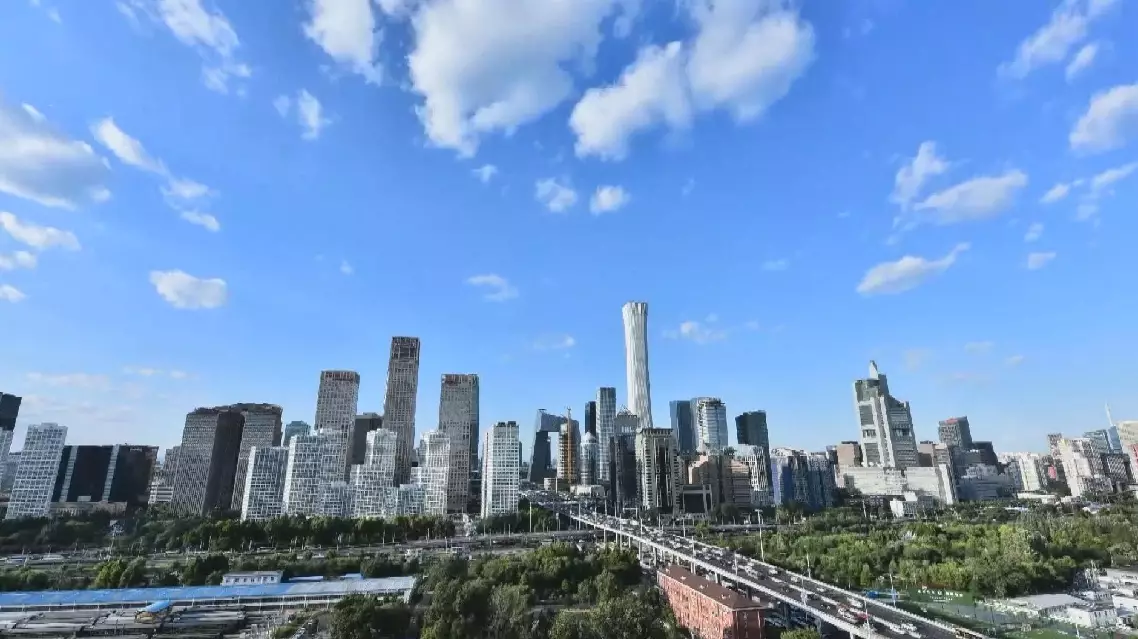
Attendees also partook in an outing to view key developments in the Guomao area at the heart of Beijing's CBD.
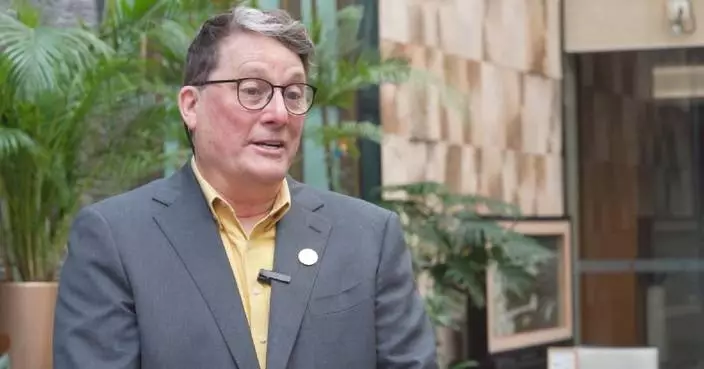
"Just this morning, we did a tour of the Guomao underpass corridor in the improvements they've been doing there. And that's a challenge we've been coming up with ideas for in Toronto for 10 years now. They have a skating and ice skating rink under the highway now in Toronto. So I was sharing pictures of new lighting and programs that we have to improve our underpasses in Toronto with their team here from Beijing just this morning," said Tim Kocur, executive director of Waterfront BIA in Toronto.
With 16,000 foreign-invested institutions and 125 multinational company headquarters, Beijing's CBD has become a leading global hub for resource allocation. Forum organizers said that the citys' CBD will continue to be a driving force for global economic prosperity and international engagement.
Renzo Isler, Chairman of Generali China Insurance, praised the connectivity and ample resources of Beijing's CBD, saying that these are crucial to attracting international talent and investment.
"Most importantly, the infrastructure is very, very important for opening up a business. It must be quality, well connected -- airport, train, metro service. Everything is related to how you do business and how also then we can attract foreign people. If I want to bring, let's say, people from Italy, as an expatriate, of course they come, but they need to make sure that they have proper housing, proper schools for the kids, and everything is connected and related. Not every country, every city in China can do that. So this is a plus that I see," he said.
A highlight of the event was the signing of the Global Business District Economic and Trade Cooperation Mechanism. This framework will support member districts by facilitating resource-sharing, targeted business support, investment leads, and partnership matchmaking to foster stronger economic ties.
Also during the forum, the Global Business District Innovation Federation welcomed Muscat, Oman as its fifteenth member, marking an important expansion into the Middle East and strengthening the country's role as a connector along the Belt and Road Initiative.
Urban business districts worldwide meet in Beijing to exchange development experiences