China will move forward with multi-pronged strategy to deepen the integration of artificial intelligence (AI) infrastructure and power grids to manage AI's surging energy demands during the 15th Five-Year Plan period (2026-2030), a senior official said in Beijing on Friday.
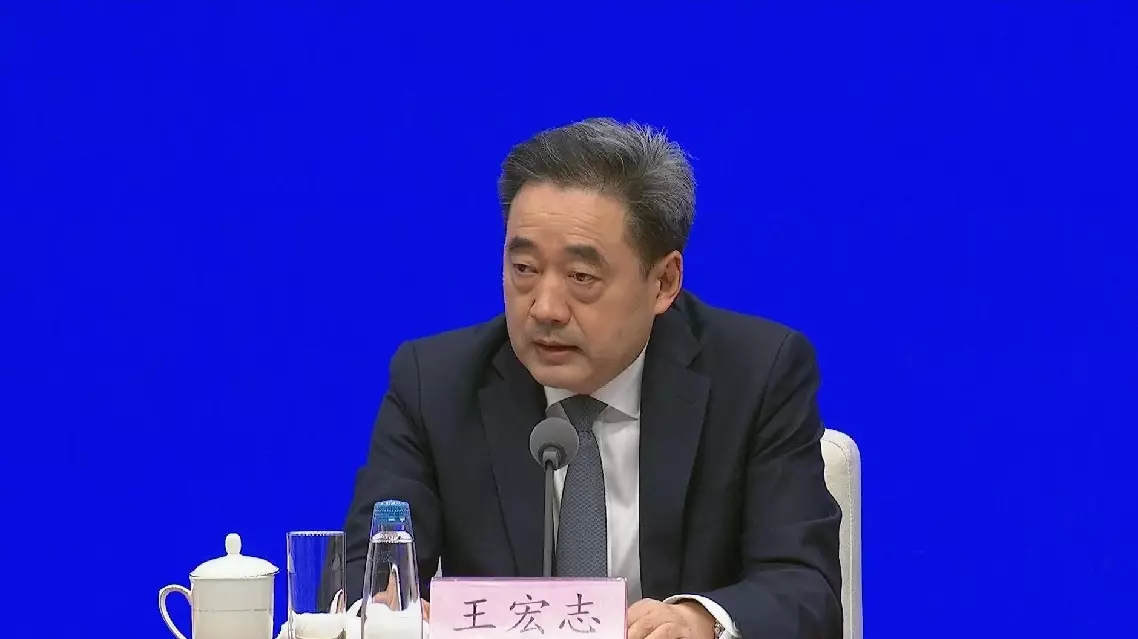
Wang Hongzhi, head of the National Energy Administration (NEA), told a press conference that the country will strengthen the "computing-electricity synergy" in the next five years, by the end of which China's AI-related industries are projected to exceed 10 trillion yuan (about 1.47 trillion U.S. dollars).
"The explosive growth of artificial intelligence is driving a surge in electricity consumption. For instance, generating just five seconds of high-definition video with AI consumes roughly the same amount of electricity needed to fully charge ten smartphones. To address this soaring demand, we will coordinate energy resource allocation with computing infrastructure construction across multiple dimensions, in accordance with the requirements of 'power supporting computing, computing optimizing power'," he said.
According to the official, in western China where vast renewable energy resources are abundant, the government plans to align the deployment of national computing hubs with large-scale new energy bases, ensuring that data centers and power systems are built in tandem.
While in the eastern regions where computing demand is concentrated, authorities are promoting coordinated planning between distributed computing facilities and distributed power sources, microgrids and virtual power plants, enabling faster, localized responses to computing needs, he said.
Wang also emphasized market-driven mechanisms to deepen the integration.
"We will encourage eligible computing facilities to adopt direct green power connections, support their participation in green electricity and green electricity certificate trading, and encourage them to act as flexible regulatory resources in the electricity market. The goal is to foster a virtuous cycle between the computing infrastructure and the new power system," Wang elaborated. China's 15th Five-Year Plan firmly establishes AI as a primary driver of economic growth, aiming to achieve breakthroughs in the application of AI in key sectors by 2027 and an AI penetration rate of over 90 percent throughout its society and economy by 2030.
China to further align power, computing in AI push: official