The devastating earthquakes that hit Venezuela in late June have dealt a heavy blow to production and jobs across the region, with the hardest-hit areas now facing a recovery effort that is expected to be long and grueling.
Local authorities in La Guaira state, the hardest-hit region of the country, are now ramping up rebuilding efforts while rolling out a series of economic measures to get the regional economy back on track.
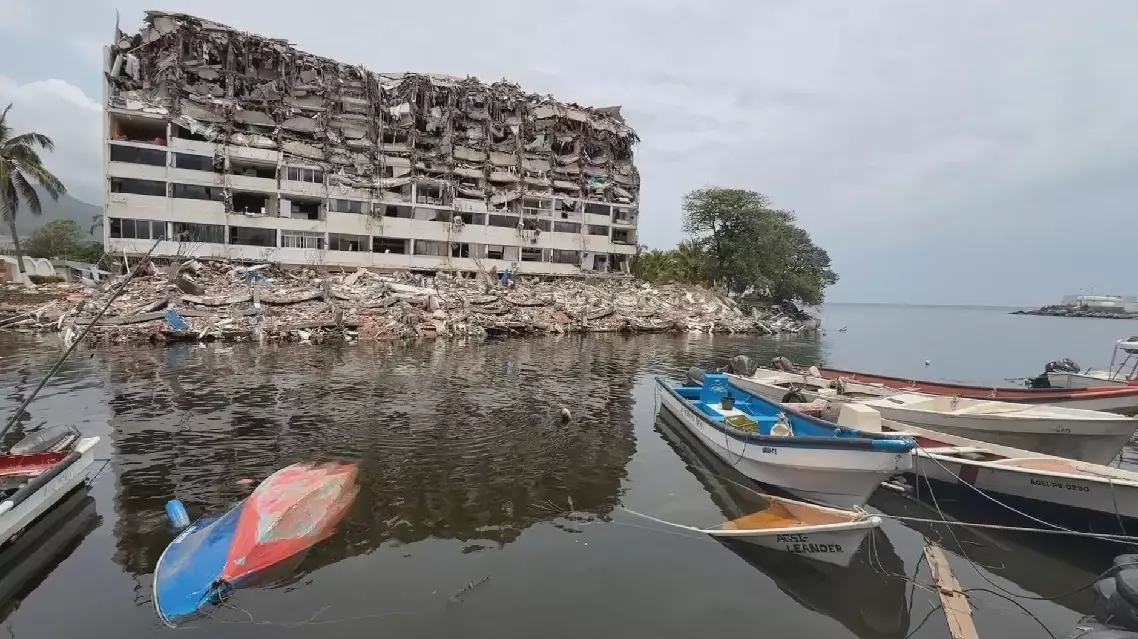
At a fishing port in the town of Caraballeda, some 150 fishermen were working before the quakes hit. The area also housed fish product shops and a seafood processing plant that provided jobs for local women. The earthquakes directly affected about 200 families in the area -- bringing casualties, damaged homes, and wrecked workplaces that sustained their livelihoods.
"This disaster is affecting every Venezuelan right now. We can't go out to fish -- there's simply no fuel. Buildings are down, and so many of my fellow fishermen have lost their boats. We're now trying to repair what we can, holding on to whatever little we have left," said Jimmy Rangel, a local fisherman.
Local authorities have stepped in to help fishermen restore their means of production and return to sea as soon as possible.
What's happening at this port is a microcosm of the broader economic crisis unfolding behind Venezuela's recent earthquakes, and the impact of this disaster is likely to linger for a long time.
Across La Guaira state, shopping centers, small businesses, supermarkets, and tourism-related industries have suffered varying degrees of damage and are expected to feel the effects for some time to come.
To protect quake-affected communities and drive economic recovery, the Venezuelan government has announced a package of policy measures covering banking, financial markets, construction, small and micro enterprises, the oil and gas sector, and the pharmaceutical and food industries.
Venezuela faces daunting task of post-quake economic recovery