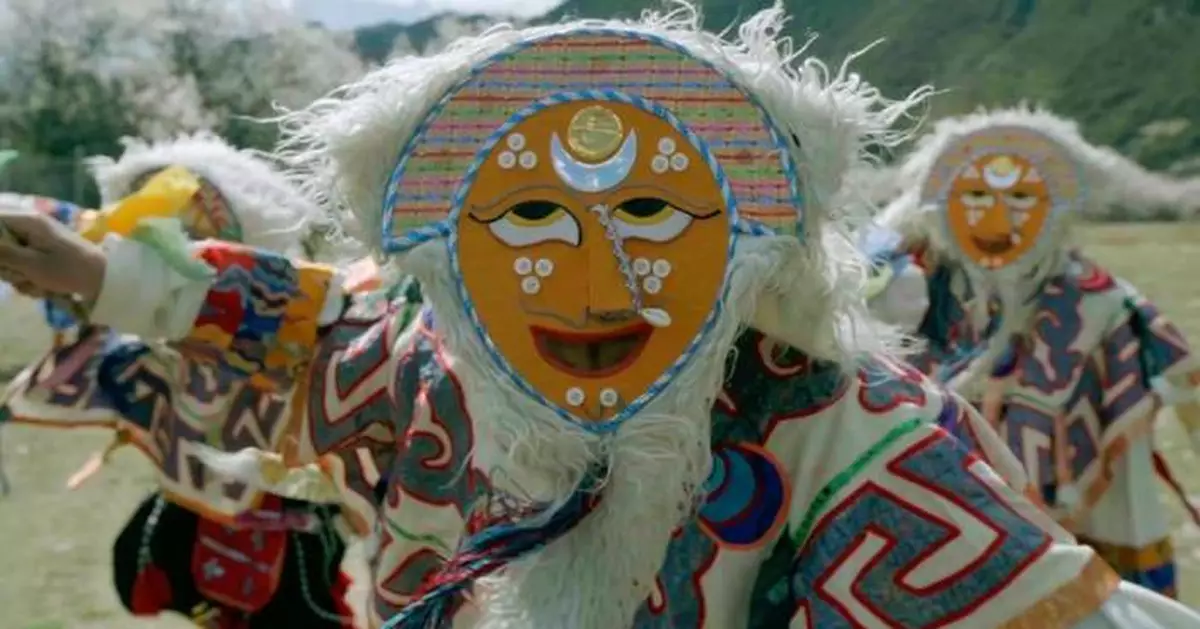
Tibetan Opera, regarded as a "living fossil" of Tibetan culture and boasting a history of over 600 years, has seen stronger efforts in protection and inheritance over the past decades.
Combining talking, singing, acting, dancing and literature, Tibetan Opera was included in the first batch of national-level intangible cultural heritages, three years before it was acknowledged by UNESCO and included on the Representative List of the Intangible Cultural Heritage of Humanity.
Based on folklore, legends and Buddhist classics, traditional plays are usually staged on wheat-threshing floors, pastures and open floors in gardens and forests during the daytime. Without any curtains or lighting, performers wearing masks perform to the accompaniment of drums and cymbals.
According to legend, Tibetan Opera was first performed by seven sisters, and this is reflected in its Tibetan name Lhamo, meaning "goddess". Many of its themes are drawn from Buddhist scriptures and mythology.
Tibetan Opera has evolved over the centuries, and a performance today generally comprises three parts: Wenba Dun, the opening in which blessings are evoked; Xiong, depicting epic legends; and Tashi, the ending in which prayers are offered for good fortune. In Tibetan communities, the traditional opera remains an essential part of the spiritual and cultural life.
Today, improved efforts to safeguard China's intangible cultural heritage are helping this ancient art to thrive. Meanwhile, innovative interpretations are attracting new audiences, especially younger people.
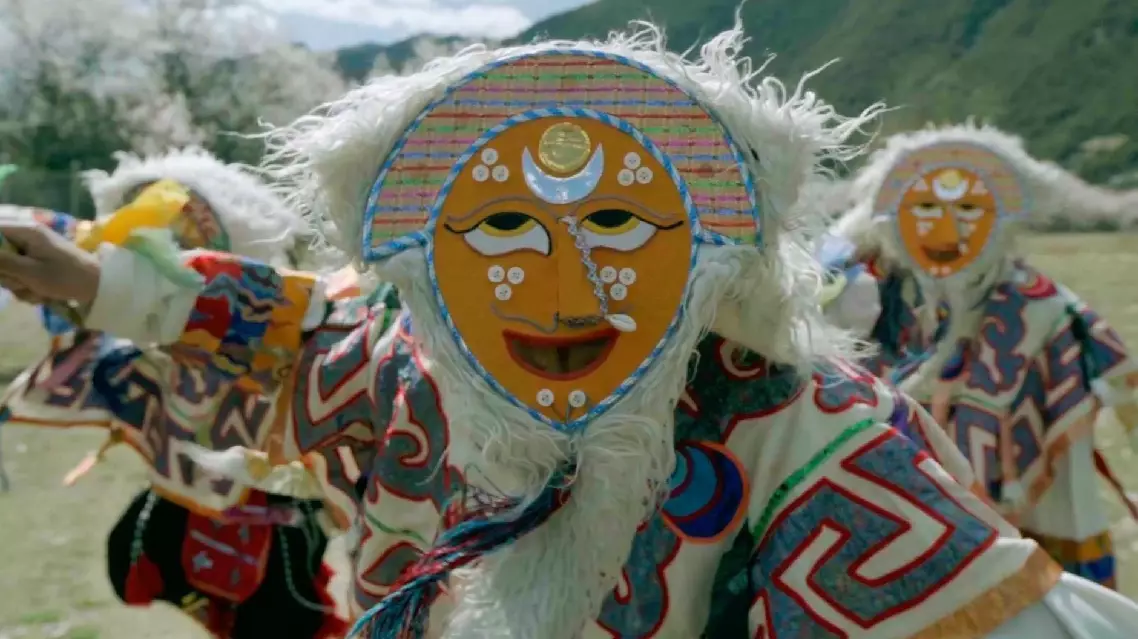
Tibetan Opera well preserved through generations of efforts