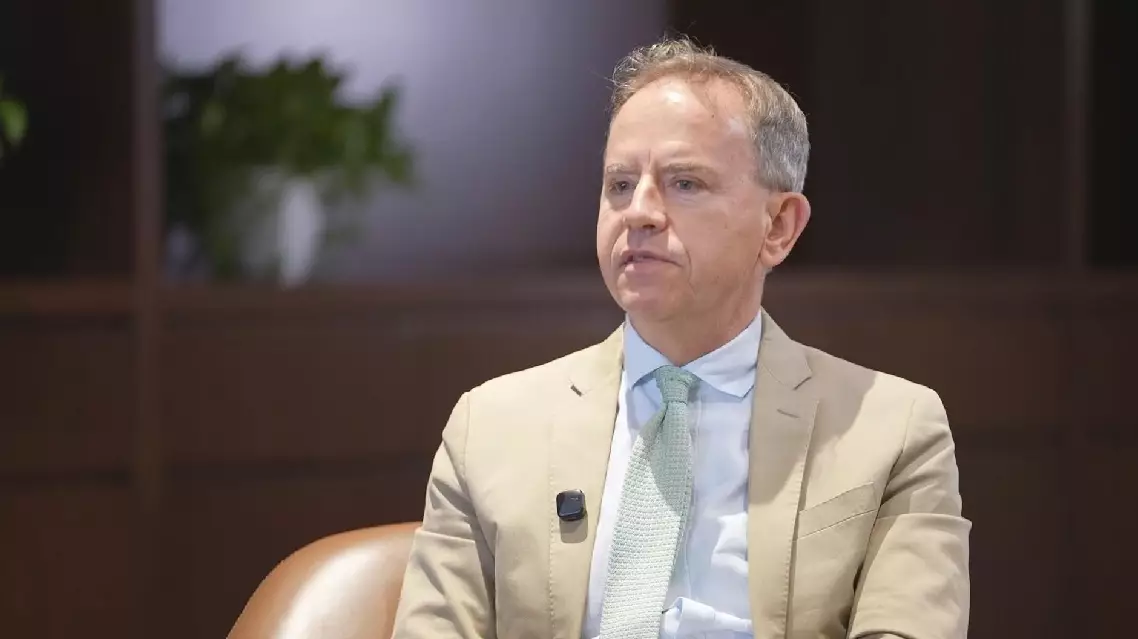
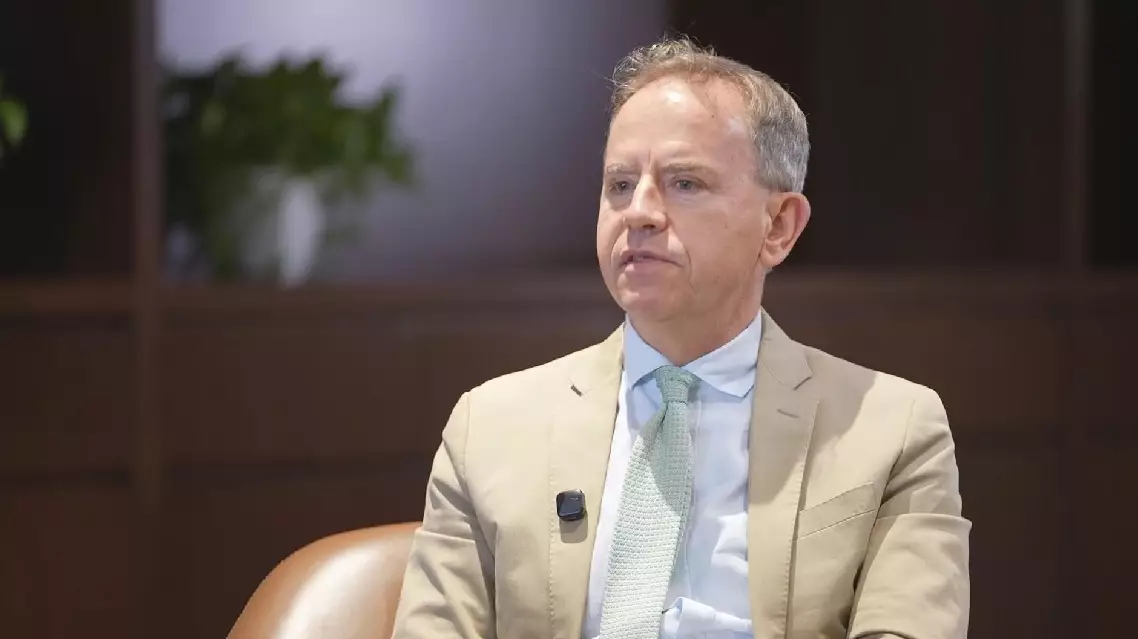
The Global South must not be left behind in AI advances, said Stephen Jackson, United Nations (UN) Resident Coordinator in China.
Jackson's remarks came as China prepares to host the 2026 World AI Conference and High‑Level Meeting on Global AI Governance, which runs from Friday through Sunday in Shanghai, with inclusion, security and development set to dominate the global debate on artificial intelligence.
In an interview with China Global Television (CGTN), Jackson warned that AI's rapid advances risk widening the global divide unless developing nations gain equal access to emerging technologies.
"So, one of the things I think is very important as we go forward with AI is precisely that countries in the Global South should not be left behind. The idea of open source and the idea of horizontal sharing of technologies is a very, very welcome one in principle I think. Of course, with open source, there is also the danger of leakage, either just in terms of technological innovation or as we touched on earlier, that a benignly intended technology then gets re-purposed, hacked if you like, for malign purposes. My sense is that China is very attentive to that danger. And so again, it's a question of balance. But I do think that China's commitment to trying to share these technologies as they emerge with the Global South is one that should be very much encouraged. Because we do not want these new technologies to further deepen the divide between the Global North and the Global South," said Jackson.
Shifting from principles to practice, the UN official turned to the real-world impact of AI, pointing to its disruptive effects on jobs and its potential to drive development in the Global South. He noted that while the pace of technological change brings significant challenges, it also opens new opportunities for transformation.
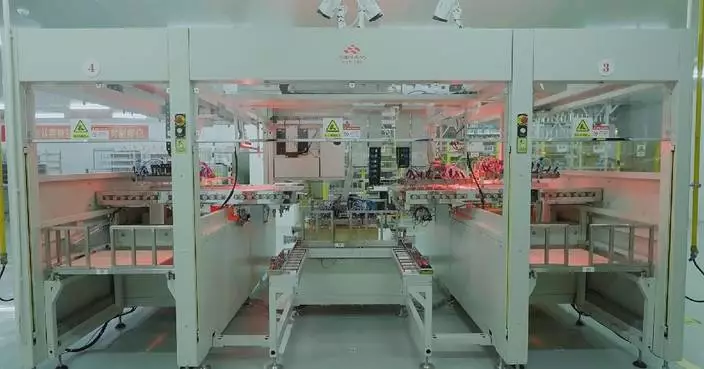
"I do think it's even more challenging for the Global South and also in the Global North, for those people who might otherwise have dreamt of a world of work in, let's say, manufacturing. Because I think we get the sense and we can see it from China's innovation in embodied artificial intelligence. We can see that robotics is going to have a major, major displacement effect on employment. But now again, let's do the positive bit. We can also see that artificial intelligence is going to have a major, and I would think positive effect on, let's say, agriculture. We are at a moment where because of climate change around the world, certainly in the country of Kenya where I served as resident coordinator of the UN until coming to China, where we are seeing the seasons are less predictable than they've been in living memory. It's very difficult to know when to plant now because you don't know when the rains are going to come. You have no reliable intelligence on that anymore. So I think AI is helping to change that. There are some very interesting initiatives from China on using satellite, geospatial, big data and AI really to try to get a better sense of when the optimum planting moment is and the optimum harvesting moment is. I can see that kind of technology and putting it on your smartphone being something that really does superpower agriculture in the global south at a moment when we very much need it," he continued.
Global South countries should not be left behind in AI advances: UN official
Global South countries should not be left behind in AI advances: UN official