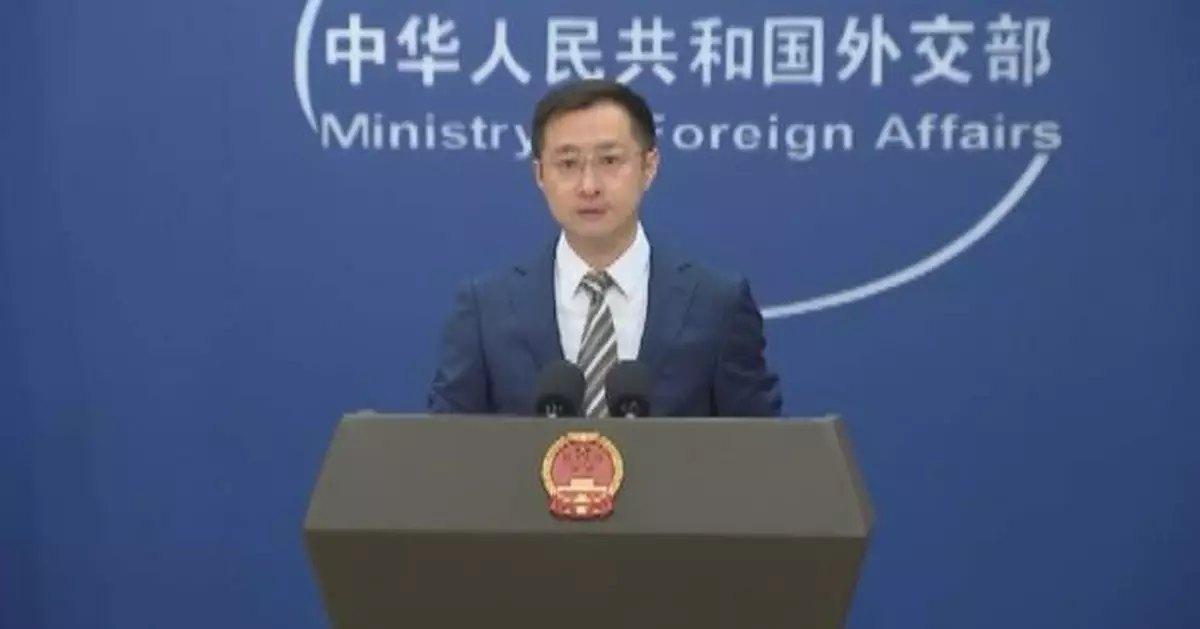
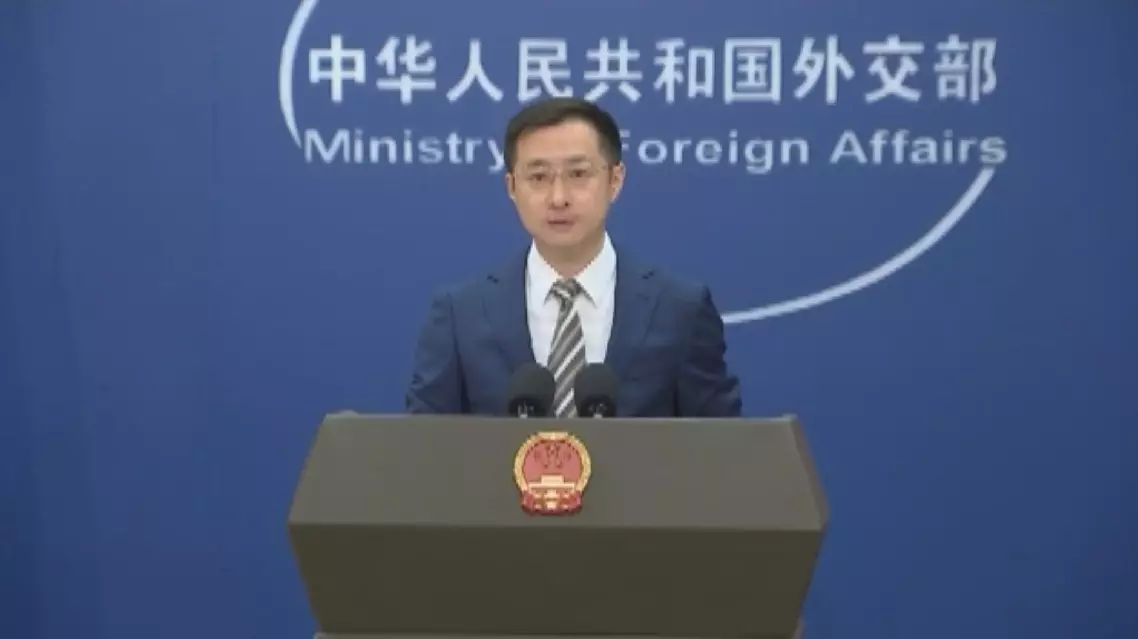
Decoupling and disruption of industrial and supply chains will make all parties pay higher price in the end, a Chinese Foreign Ministry spokesman said on Wednesday.
"The global industrial and supply chains are deeply interconnected and mutually complementary in advantages. We all belong to one community with common stakes. Decoupling, protectionist barriers, and forcibly reengineering industrial and supply chains are not only expensive, but also against both market rules and the choice of businesses. Eventually it will cost everyone more and deliver less," Lin Jian, the spokesman, told a press conference in Beijing.
True sense of security comes from cooperation, not isolation, and keeping the global supply chain safe, stable and unimpeded is a shared responsibility of all countries, Lin said.
"China will continue to unswervingly adhere to expanding high-standard opening up, and will continue to provide quality products and cooperation opportunities for the rest of the world with its mega-sized market and complete industrial system. We stand ready to work with other countries to resist the logic of bloc confrontation, make the global supply chain an all-win chain, and provide steady impetus for common development of the world," he said.
Decoupling, supply chain disruptions will only incur heavier losses to all: spokesman
The introduction of artificial intelligence (AI) can help transform the education sector by creating more tailored learning to suit the needs of individual students, according to a top U.S. tech journalist.
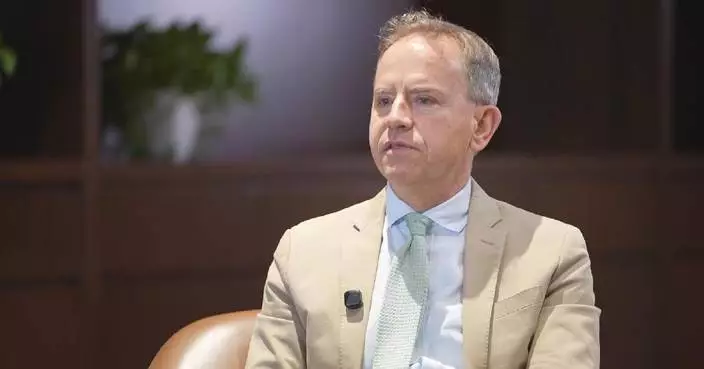
Kevin Kelly, founding executive editor of the leading international tech magazine Wired, gave his assessment on the impact of AI in an interview with the China Global Television Network (CGTN) in Shanghai, which is set to play host to the upcoming 2026 World AI Conference (WAIC) and High-Level Meeting on Global AI Governance.
Kelly, who is also a prominent futurist and writer, shared his view on the role AI could play in classrooms, and believes the technology could act as a kind of personalized tutor to help teachers tailor instruction to meet the specific needs of each student.
"One of the hopes for education in China or the U.S. or anywhere else in the world is that you have education that's tailored to individual students and that runs at their pace, rather than having a classroom where it only goes at the pace of the dumbest student, and you want that to happen in a personalized way, and you can't do that as a teacher with 30 students, without having an AI tutor help you. And so the AI has the potential to act as a tutor to help children move at their own pace in response to their own curiosity. So bringing AI into the classroom is one way that we can get a much more personalized educational program while still covering the things that need to be done in common, like learning how to read and write," he said.
Kelly further noted that in the age of AI, education should focus less on giving answers and instead place more emphasis on teaching students how to ask the right questions and nurture their natural curiosity.
"Education increasingly is not going to be about giving answers. Because that's what the AIs do. They're really good at giving answers. All the students are using it. So we're not going to train them to give answers. We want to train students to ask questions, to make a good question. Questions are much more valuable than answers. Most innovation and science is a 'what if', 'what if this' -- that's a great question. That's how you move a business," he said.
Addressing some concerns surrounding the use of AI, Kelly acknowledged that new technologies are often imperfect at first, but warned that ignoring or banning them could mean losing the chance to properly shape their future or refine them to make them fit for purpose.
"You need to try them under often or more than once, because right now, they're not very good, these new technologies, AI, the virtual mirror world glasses, they're not going to be very good and if you try them now, you probably won't like them, they probably won't work for you, they probably not be worth the money, but you kind of have to keep trying them. This is again, this idea of failing forward. Okay, because if you try and ignore them or prohibit them or ban them or outlaw them or dismiss them, you don't get to steer. The only way we're going to figure out how to get these things do the best with the least harm is to use them. So if you hear about something, try to give it a chance more than once," said Kelly.
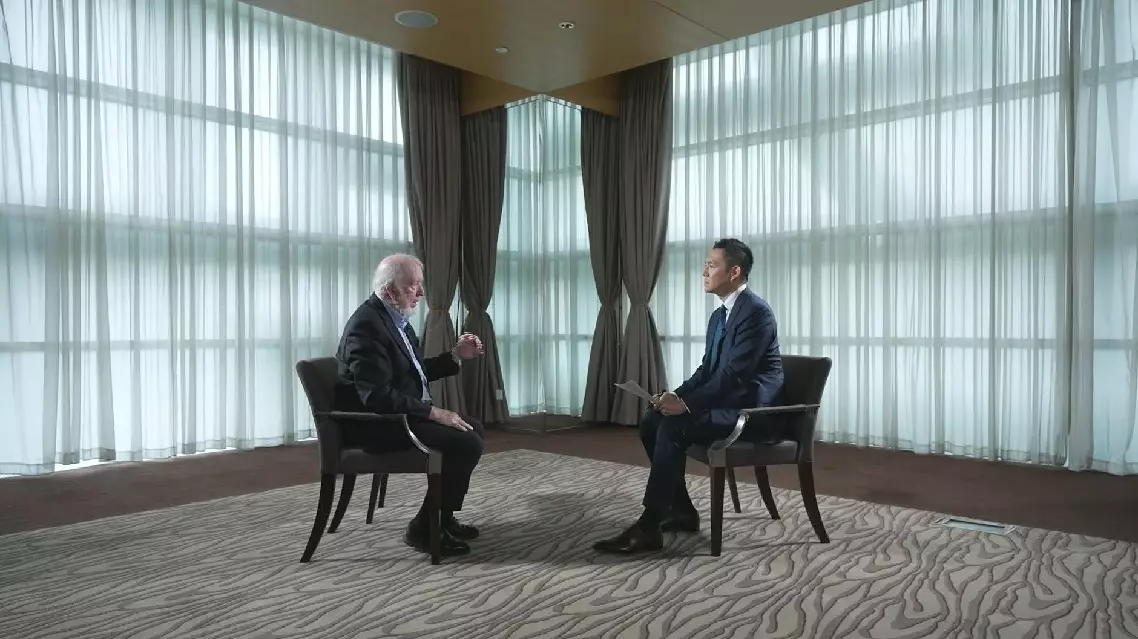
AI can help tailor education to suit individual student's needs: US tech editor