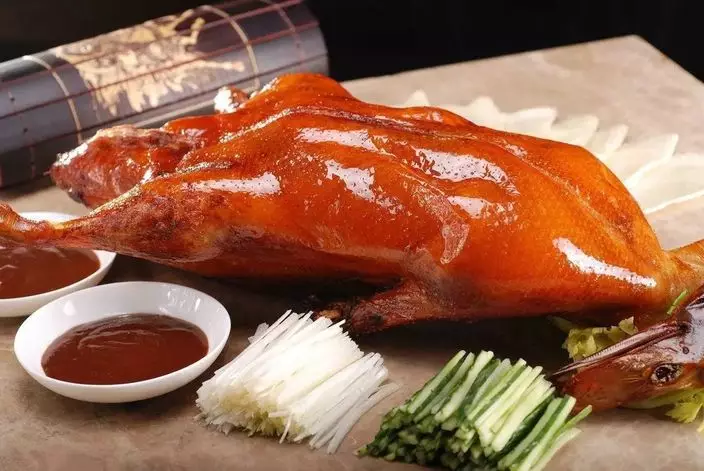
Brussels has evidently decided that targeting electric vehicles, steel, and chemicals just isn't enough. In a bizarre escalation, the EU is now dragging its trade war with China straight to the dinner table, turning Peking duck into the latest casualty.
The European Commission announced a full anti-dumping investigation into Chinese duck meat products, effective immediately, and left the door open to punitive tariffs. It also ordered mandatory customs registration for all Chinese duck meat entering the EU. This marks the first time in recent years that Brussels has extended trade barriers to a Chinese agricultural product. Analysts see it as possible payback for China's anti-dumping duties on European cognac imposed in May 2025, a sign that the EU-China trade dispute has now reached the dinner table.
According to the Commission's notice, China's duck production and cross-border sales benefit from policy intervention and multiple layers of subsidy. That support, Brussels argues, has driven a flood of cheap, oversupplied duck meat toward European markets. The influx has hit local farmers hard and undermined existing market mechanisms while eating into the EU's domestic industry. If the allegations hold up, the EU could impose tariffs on Chinese duck meat products.
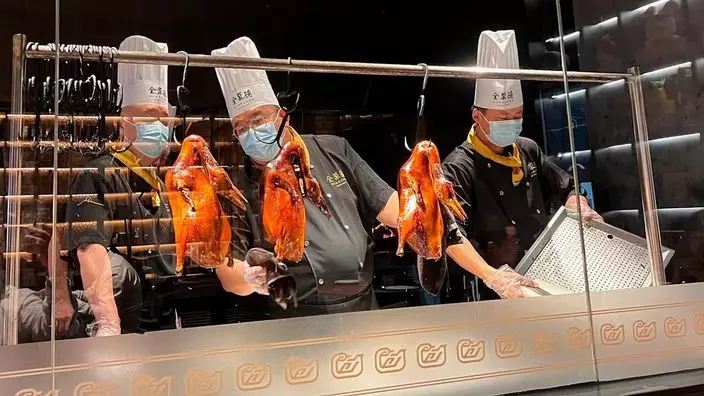
The Commission's investigation into Chinese duck products could affect the raw materials behind China's signature Peking duck dish, with punitive tariffs not ruled out.
The Financial Times reported on July 10 that this is the EU's first extension of trade barriers into the Chinese agricultural sector in recent years. Previous EU protectionist measures against China focused mainly on industrial goods such as electric vehicles, steel and chemicals. The latest dispute is expected to further strain EU-China relations.
EU officials have repeatedly warned that the bloc's trade deficit with China is widening and now stands at roughly one billion euros a day, calling the trend unsustainable. Tensions between the two sides are already running high. Brussels has signaled that it will take further action if no progress is made on trade issues by October this year.
The European Commission says China rears the well known Pekin duck, the raw material for Peking duck dishes. Farmers benefit from subsidies tied to the national five year plan, low interest loans and cheap soybean feed. The Commission states the investigation stems from a complaint filed by five EU duck producers, who allege Chinese export prices for duck meat are below market levels and are damaging the EU industry. If the allegations are proven, the EU could impose tariffs on imported duck meat, whether fresh, frozen or smoked.
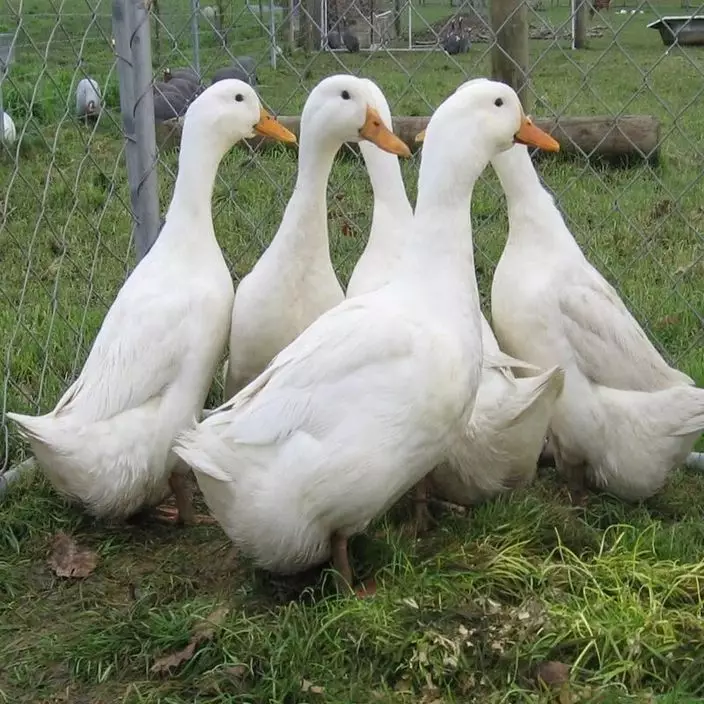
Pekin ducks have been raised in Europe and the United States for some 400 years.
Pekin duck sits at the center of this trade dispute, and it comes with centuries of history. The breed is known for its large size, fast growth and well distributed fat, traits that have made it a mainstay of modern duck meat farming. Pekin ducks were introduced to Europe and the United States some 400 years ago and remain one of the most important breeds in commercial duck farming today.
John Clarke, a former senior agricultural trade negotiator for the EU, finds the timing of the probe highly curious. He points out the absurdity of targeting such an iconic would likely provoke a strong response from both producers and authorities in Beijing.
Clarke also points to the odd timing given the EU's push to register Peking duck as a Geographical Indication (GI) product, which would tie the product's identity to its place of origin and bar non-Chinese producers from using the name. He warns that Beijing and Chinese companies may view the probe as retaliation for the earlier anti-dumping measures on cognac, another iconic European product, and could strike back. Producers of Italy's Prosecco, he adds, should be nervous.
Financial Times figures citing the UN Food and Agriculture Organization show China produces 4.8 million tonnes of the 5 million tonnes of duck meat made worldwide each year, about 96 percent of global output. The EU's duck meat market was worth 800 million euros in 2025, of which 199 million euros came from Chinese imports.
China accounts for 4.8 million of the 5 million tonnes of duck meat produced globally each year, about 96 percent of world output.
Chinese outlet Observer, however, notes that the EU is not actually a major market for Chinese poultry exports. In recent years, poultry exports from the Chinese Mainland have flowed mainly to Japan, South Korea, Hong Kong and Southeast Asia. The EU market only developed gradually after Brussels resumed imports of Chinese poultry in 2019.
This is not the first duck related trade dispute between China and the EU. In 2015, China requested consultations with the EU over its poultry tariff quota management measures and initiated World Trade Organization dispute settlement proceedings. In 2017, a WTO panel ruled that the EU's tariff quota allocation for duck products violated WTO rules.
To implement the ruling, China and the EU held multiple rounds of talks and signed an implementation agreement in November 2018. The deal set an annual country specific tariff quota of 6,600 tonnes for cooked duck meat from China, with a 10.9 percent tariff rate within the quota and a levy of 2,765 euros per tonne on volumes exceeding it.
The agreement ended the previous arrangement under which Chinese duck meat competed for quota alongside other exporting countries, and it created more stable conditions for Chinese duck meat to enter the EU market.
On June 29, Chinese Commerce Minister Wang Wentao met with EU Trade Commissioner Maros Sefcovic. Both sides agreed to establish a trade and investment dialogue mechanism, aiming to resolve bilateral economic and trade differences.
After the talks, Sefcovic said that if no progress is made on narrowing the trade imbalance by October this year, the EU will take further measures.
Friction between China and the EU has been building for years. Brussels has launched anti-subsidy and anti-dumping measures against Chinese products including electric vehicles, while Beijing has opened anti-dumping investigations into EU pork, dairy and French cognac. This latest probe shows the dispute is now spreading into agricultural products.
Under EU procedure, the investigation is expected to run for about a year, and even if dumping is confirmed, the EU still needs support from a majority of member states before formally imposing anti-dumping measures.
Deep Throat
** 博客文章文責自負,不代表本公司立場 **