KAMPALA, Uganda (AP) — An elementary school bus returning from an educational trip to a scenic waterfall in Uganda veered off the road and overturned, killing at least 20 children and one adult and leaving at least nine children in critical condition, police and a government official said Friday.
The bus crashed Thursday night in the Kapchorwa District in eastern Uganda on the way back from the region’s Sipi Falls, the Uganda Police Force said in a statement posted on X.
Survivors, including three adults and several children, were taken to several hospitals, according to police. More than 28 children were being treated in hospitals, nine of them in critical condition, Ugandan Minister of Local Government Balaam Barugahara Ateenyi said on X.
The adult among the 21 people who died appeared to be the founder and head of the school, Barugahara said.
Video from the Uganda Red Cross showed bodies of victims in and around the wreckage as people arrived to help following the nighttime crash. Some of the survivors were transported to a hospital in a pick-up truck, according to the video provided to The Associated Press.
Education Minister John Muyingo said the government had suspended all school trips and tours across the country of around 45 million people in response to the tragedy.
The bus belonged to the King David Junior School, an elementary school in the capital, Kampala, police said. The village where police said the crash occurred is near the Uganda-Kenya border, some 300 kilometers (some 190 miles) from Kampala.
The driver reportedly lost control of the bus, which veered off the road, struck a rock and overturned, according to the police statement, which added that the information was preliminary and the cause of the crash was under investigation.
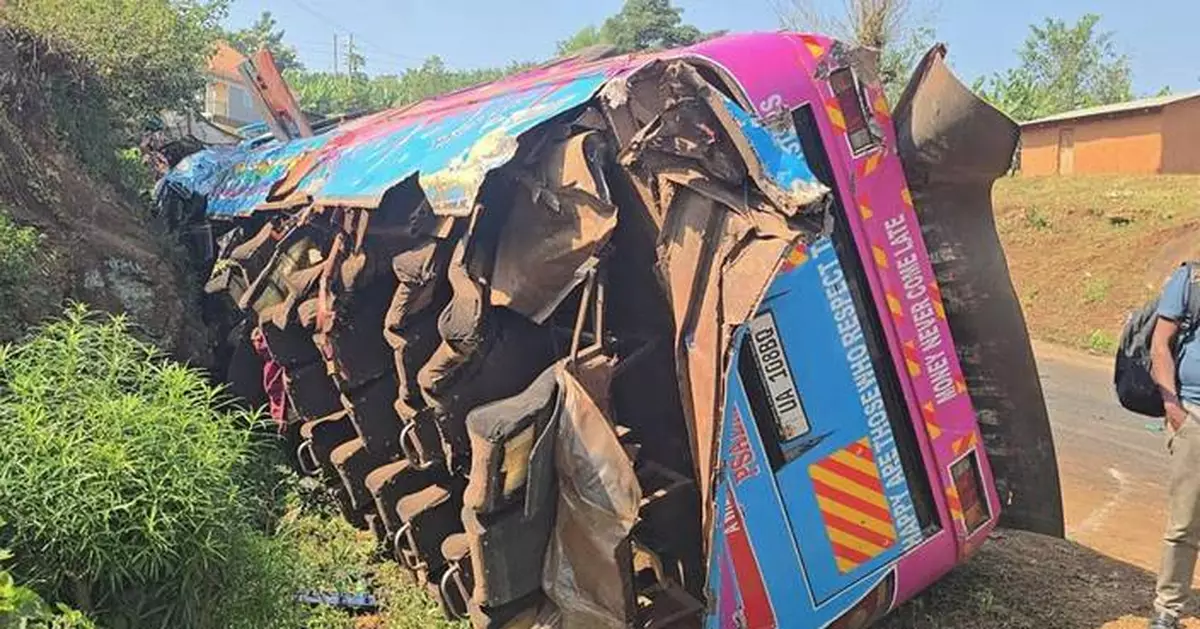
A police photo showed the bus lying on its side with the entire roof ripped off and the seats exposed, including some that were mangled. Luggage and clothing lay strewn on the road.
Road accidents are common in the East African nation and often are blamed on poorly maintained vehicles, speeding and poor road conditions, which are problems across Africa. At least 14 people died when a bus collided with a truck in a remote area of northern Uganda earlier this month.
Africa has the worst road safety record in the world, with more than 300,000 annual road deaths and around 26 deaths per 100,000 people. In Europe, which has far more road traffic, there are around 20,000 deaths yearly and nine deaths per 100,000 people, according to the World Health Organization and the United Nations.
AP Africa news: https://apnews.com/hub/africa
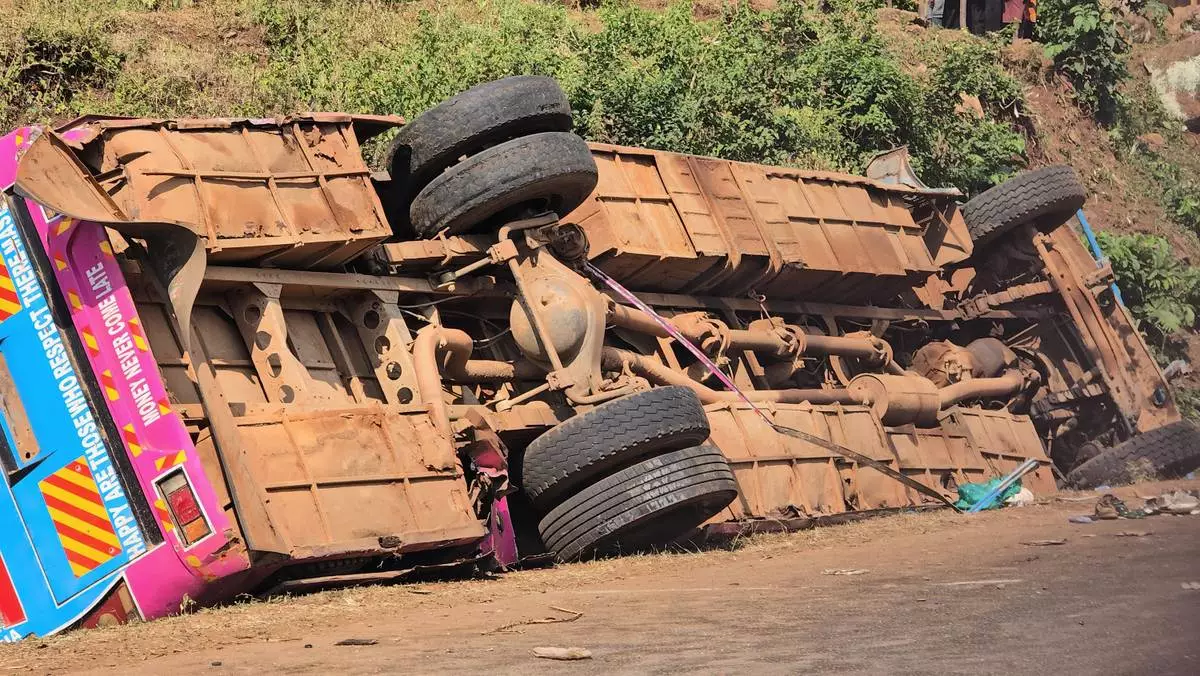
A bus lies on the side of the road Friday, July 17, 2026, after it crashed Thursday night in the the Kapchorwa District in eastern Uganda. (AP Photo)
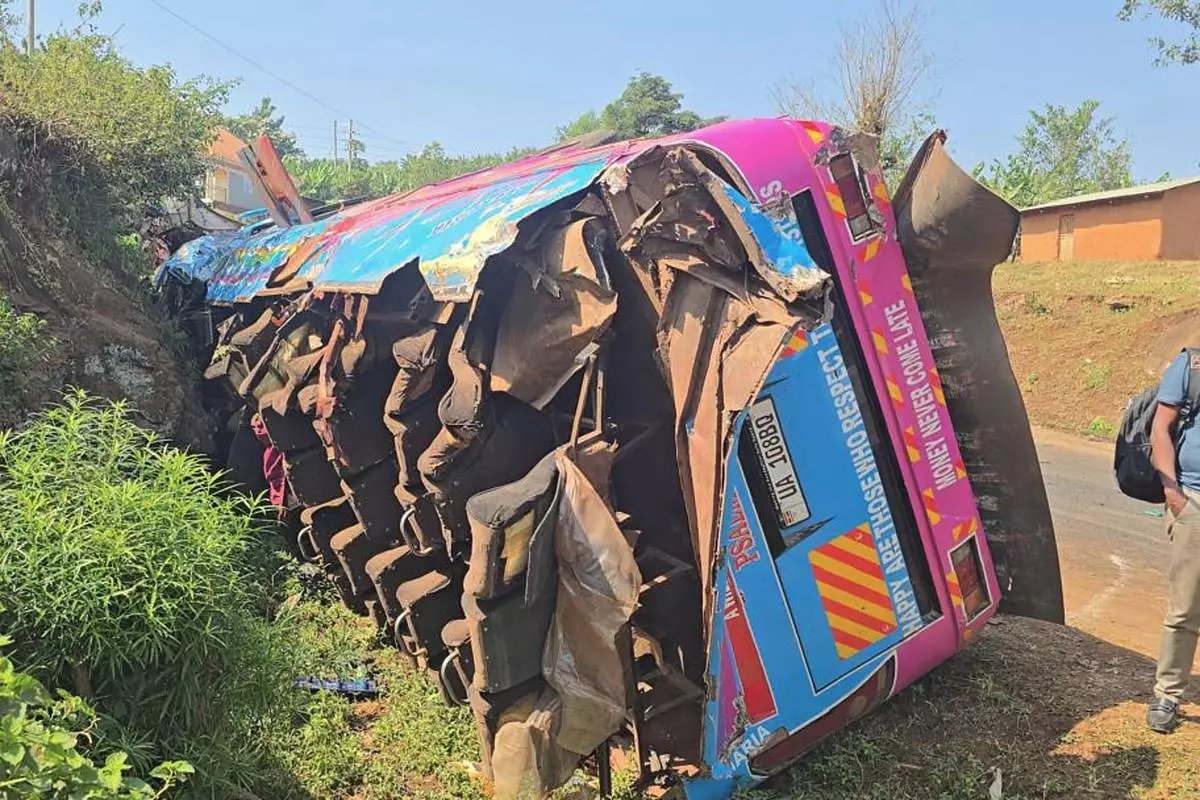
A bus lies on the side of the road Friday, July 17, 2026, after it crashed Thursday night in the the Kapchorwa District in eastern Uganda. (AP Photo)
SOUTHPORT, England (AP) — Lucas Herbert and Sam Burns took their place in history Friday in the British Open when each equaled the major record with rounds of 8-under 62 on a day of low scoring at Royal Birkdale.
Even as the buzz was wearing down, there was a reminder that a name in the record book is not nearly as satisfying as the name to be etched in the silver claret jug on Sunday.
Halfway through the second round, it was abundantly clear anything was possible.
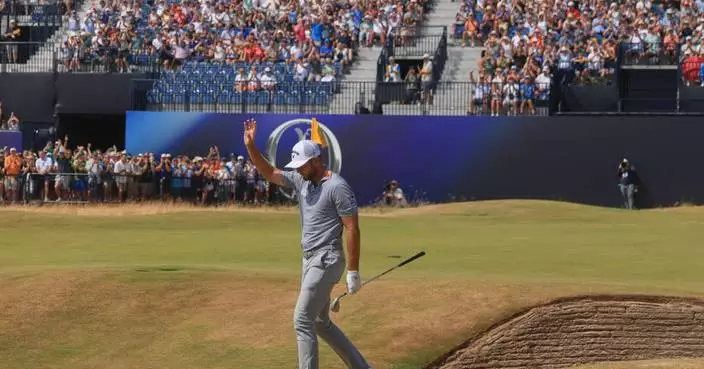
Herbert's record-tying round could have felt like a consolation prize. The 30-year-old Australian was practically flawless until he stood over a 5-foot par putt for a 61. He pulled it left and dropped hands onto his knees when he realized his shot at history was over.
“So it was a strange one – knocking that in and knowing I tied the record but feeling like it might be one of best chances we’ve ever had to shoot a 61,” he said.
It was only 20 minutes later when Royal Birkdale saw another 62, and it came out of nowhere. Burns, who wasn't even planning to play in The Open until his wife gave birth to their second child earlier than expected, was having a good round that turned into a great one.
He finished with three straight birdies — from 40 feet off the green at the 16th, from 20 feet on the 17th and holing a bunker shot for the first birdie of the day on the 18th — for his 62.
Herbert has the early lead at 8-under 132, two shots ahead of 18-hole leader Jackson Suber (69) and Cameron Young, who birdied the last two holes for another 67. Burns was another shot behind.
Defending champion Scottie Scheffler teed off in the afternoon, when the wind was expected to be at least slightly stronger than a wee breeze that led to so much low scoring in the morning.
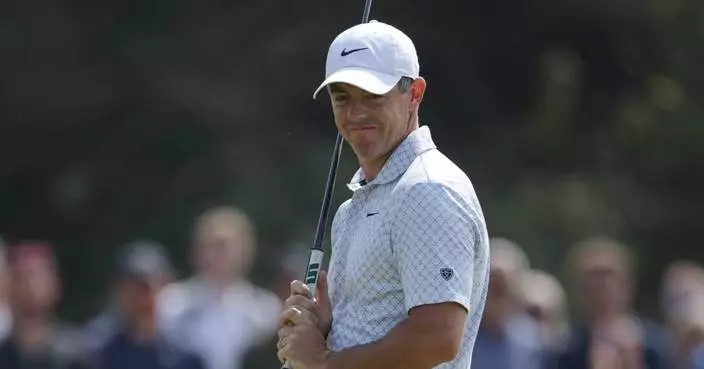
Rory McIlroy had a 67 that didn't feel all that great compared to what was going on around him. He saved par on the final hole and was at 1-under 139, leaving him at least seven behind.
AP golf: https://apnews.com/hub/golf
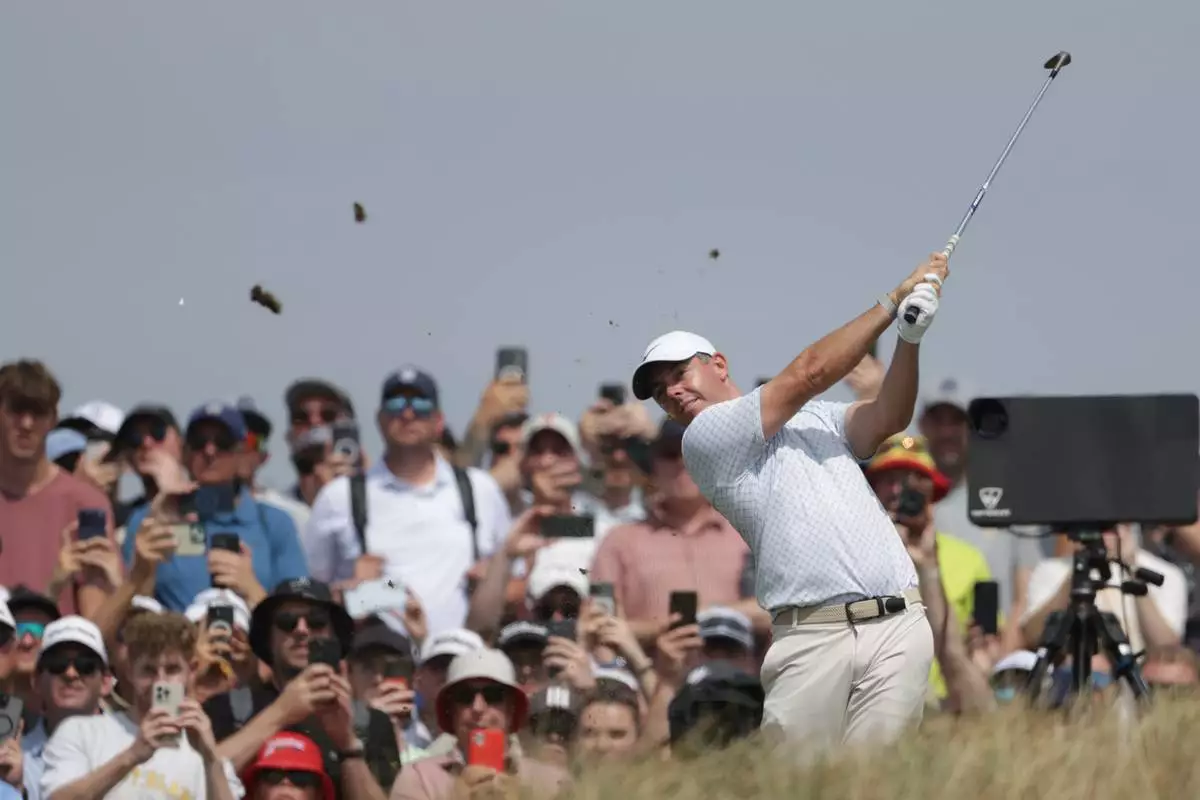
Rory McIlroy of Northern Ireland tees off the 7th hole during the second day of the British Open Golf championships at Royal Birkdale golf club, in Southport, England, Friday, July 17, 2026. (AP Photo/Peter Morrison)
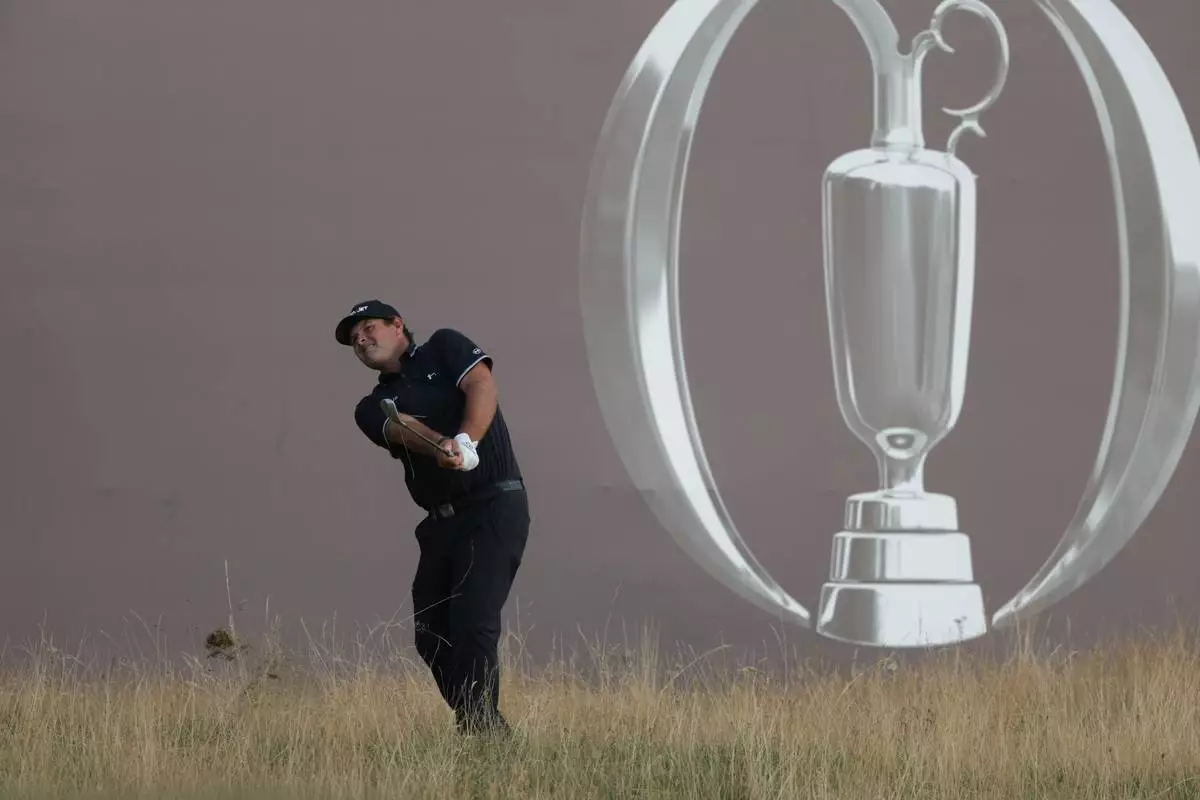
Patrick Reed of the United States chips onto the 18th green during the first day of the British Open Golf championships at Royal Birkdale golf club, in Southport, England, Thursday, July 16, 2026. (AP Photo/Peter Morrison)
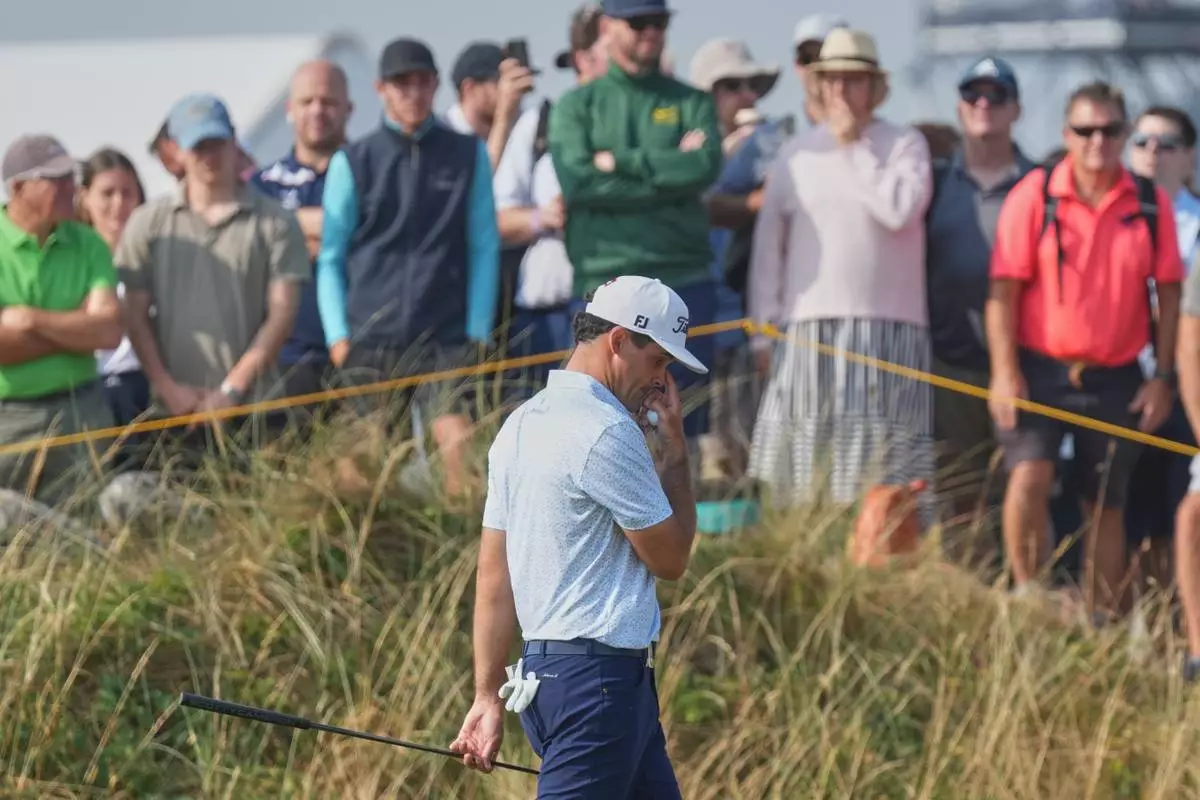
Jackson Suber of the United States looks down as he walks off the 7th green during the second day of the British Open Golf championships at Royal Birkdale golf club, in Southport, England, Friday, July 17, 2026. (AP Photo/Jon Super)
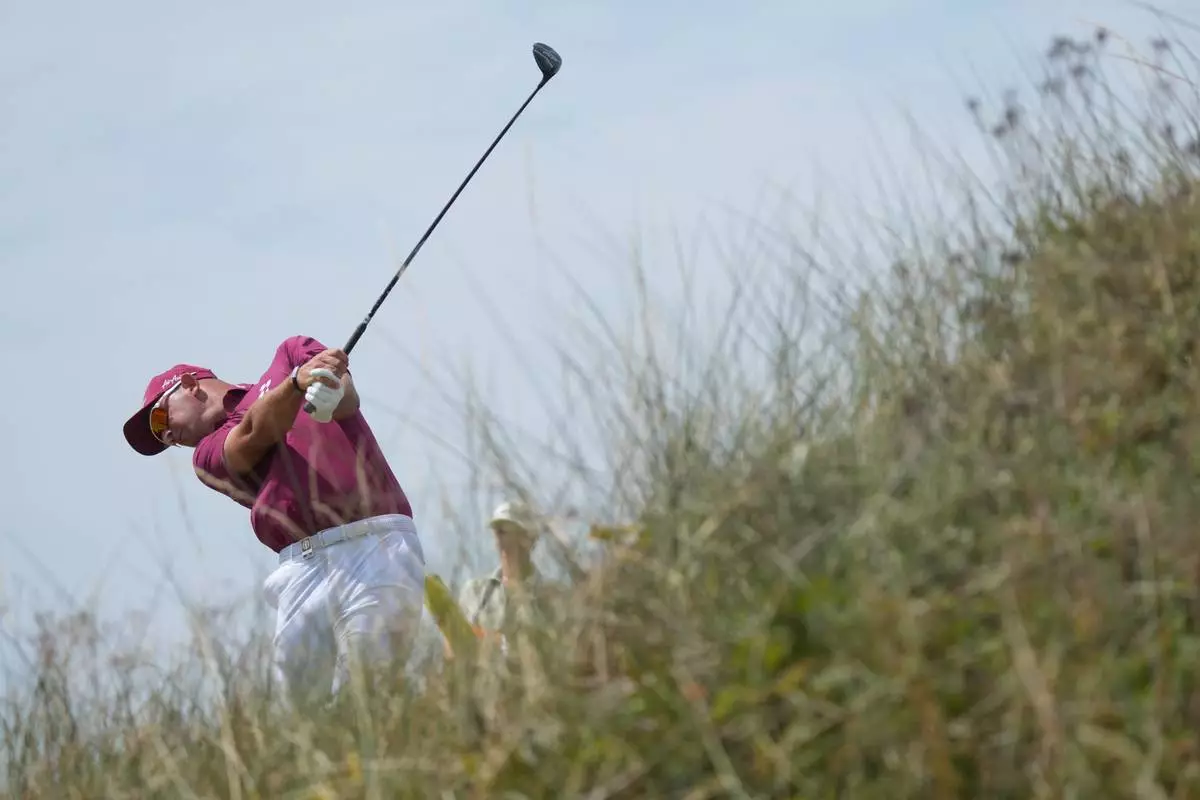
Lucas Herbert of Australiaplays off the 13th tee during the second day of the British Open Golf championships at Royal Birkdale golf club, in Southport, England, Friday, July 17, 2026. (AP Photo/Jon Super)
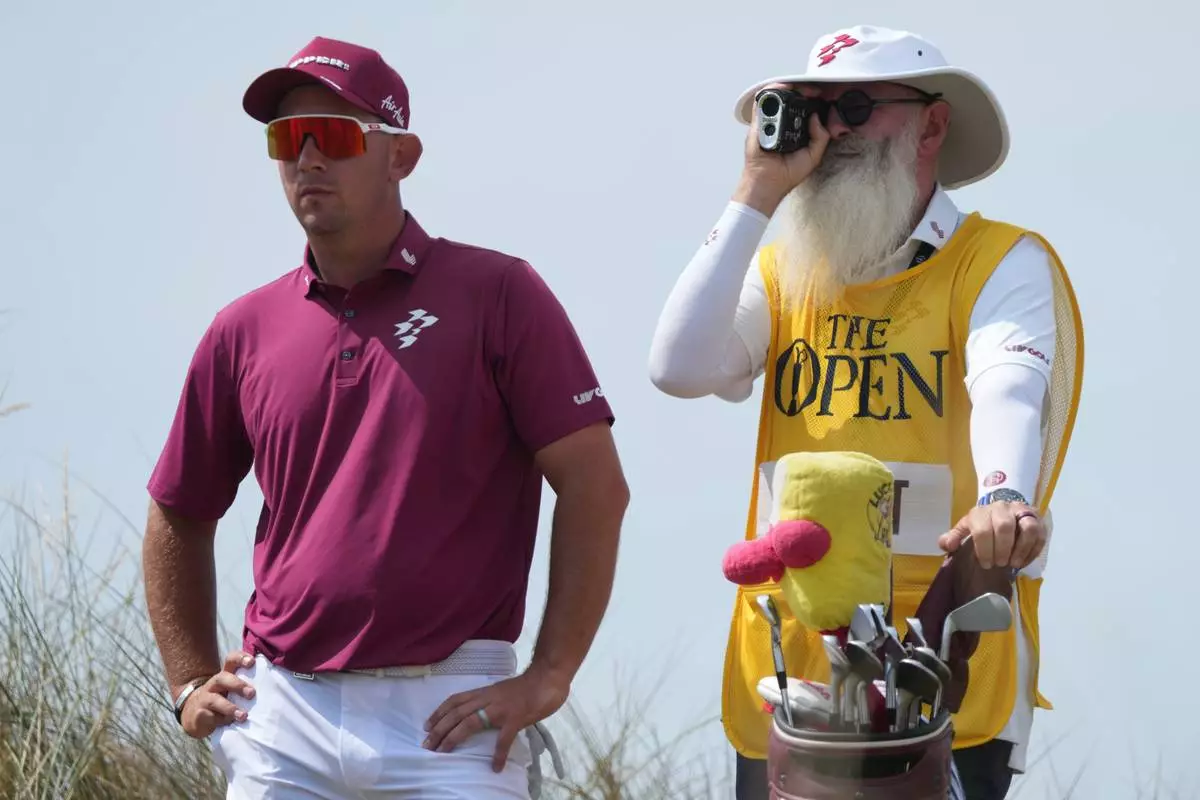
Lucas Herbert of Australia with his caddie Nick Pugh, look at the 13th hole from the tee during the second day of the British Open Golf championships at Royal Birkdale golf club, in Southport, England, Friday, July 17, 2026. (AP Photo/Jon Super)
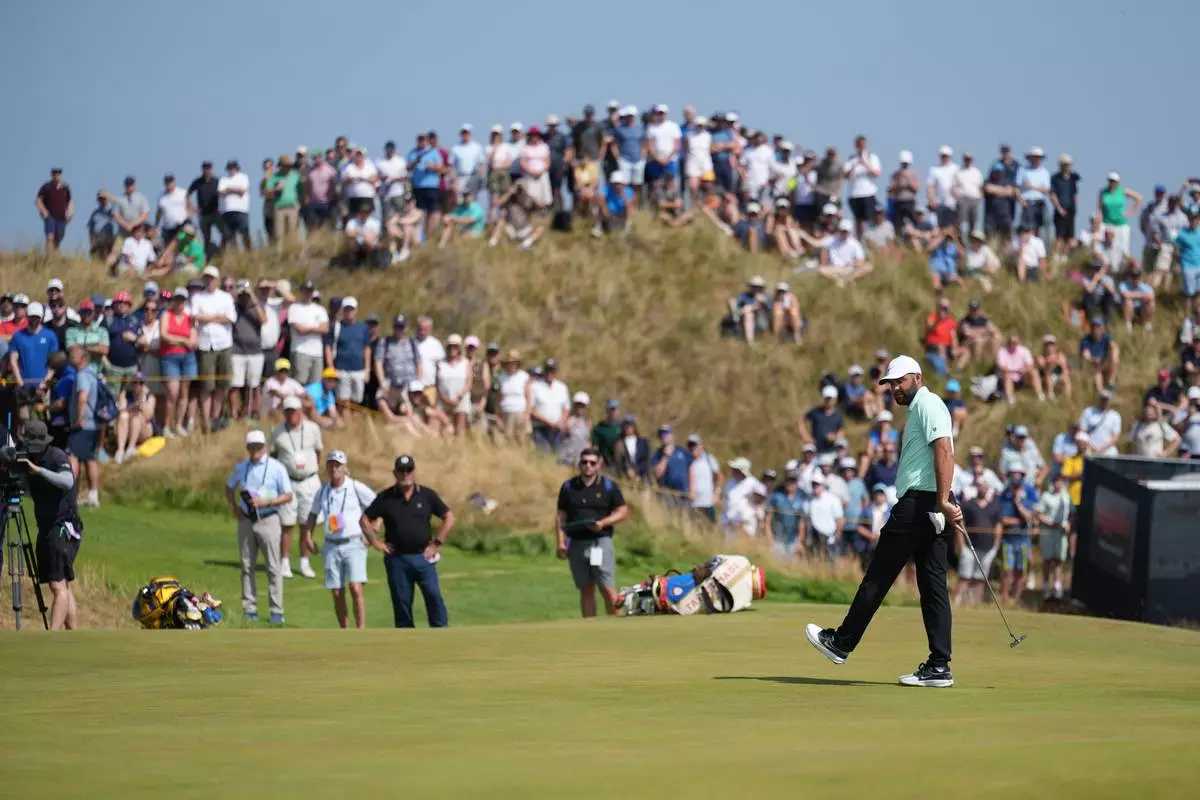
Scottie Scheffler of the United States reacts after putting on the 6th green during the first day of the British Open Golf championships at Royal Birkdale golf club, in Southport, England, Thursday, July 16, 2026. (AP Photo/Jon Super)
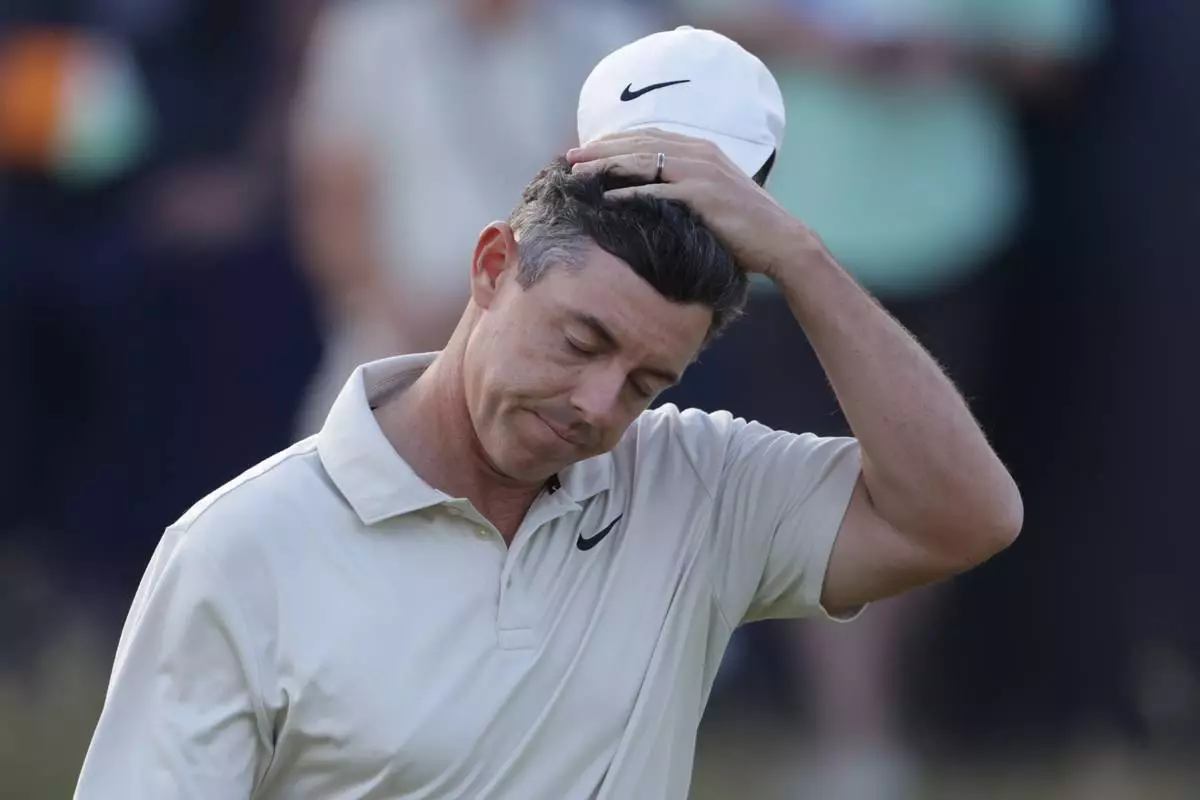
Rory McIlroy of Northern Ireland reacts after putting on the 18th green to complete his first round during the first day of the British Open Golf championships at Royal Birkdale golf club, in Southport, England, Thursday, July 16, 2026. (AP Photo/Peter Morrison)
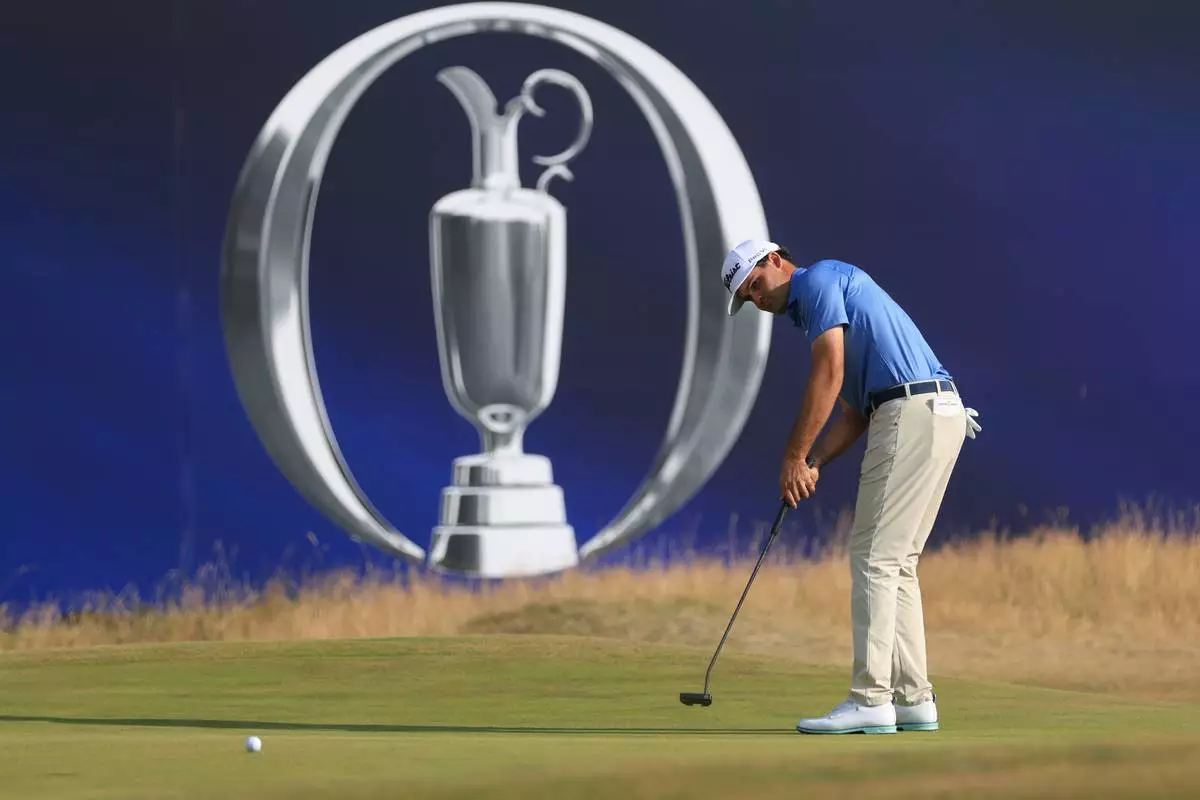
Jackson Suber of the United States putts win the 18th green during the first day of the British Open Golf championships at Royal Birkdale golf club, in Southport, England, Thursday, July 16, 2026. (AP Photo/Peter Morrison)
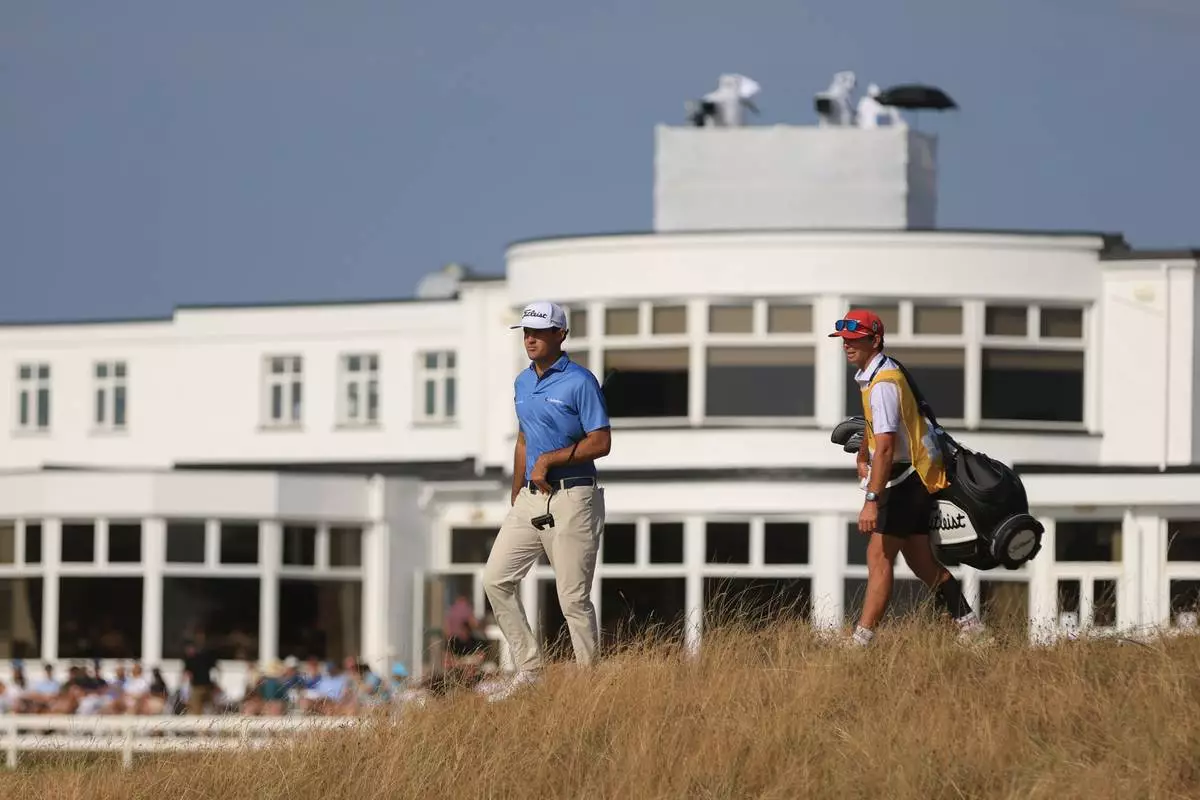
Jackson Suber of the United States, and his caddie Greyson Porter walks towards the 18th green during the first day of the British Open Golf championships at Royal Birkdale golf club, in Southport, England, Thursday, July 16, 2026. (AP Photo/Peter Morrison)