
Skip to Content Facebook Feature Image

Canada to consider all possible response options if new U.S. tariffs take effect: Canadian PM

HotTV

Canada to consider all possible response options if new U.S. tariffs take effect: Canadian PM
HotTV

HotTV

Canada to consider all possible response options if new U.S. tariffs take effect: Canadian PM

2026-07-22 12:51 Last Updated At:15:01

Canadian Prime Minister Mark Carney said on Tuesday that Canada will consider all possible response options if the new tariffs take effect.

The White House announced on Monday that the United States will impose an additional 50 percent ad valorem tariff on certain Canadian products. The move is intended to counter "discriminatory measures" taken by Canada in the trade of automobiles and auto parts.

According to a fact sheet released by the White House, the new tariffs will target a range of Canadian goods, including wine, hockey sticks, and cement. Notably, these duties will be applied even to products that currently qualify under the United States-Mexico-Canada Agreement (USMCA).

The White House said that the tariffs are designed to offset the burden and disadvantage imposed on U.S. commerce by Canada's discriminatory practices. The new measures are scheduled to take effect as of 00:01 Eastern Time (0401 GMT) on August 19.

Following the announcement, Carney confirmed that he had spoken with U.S. President Donald Trump, adding that Canada will consider all possible response options if the new tariffs take effect.
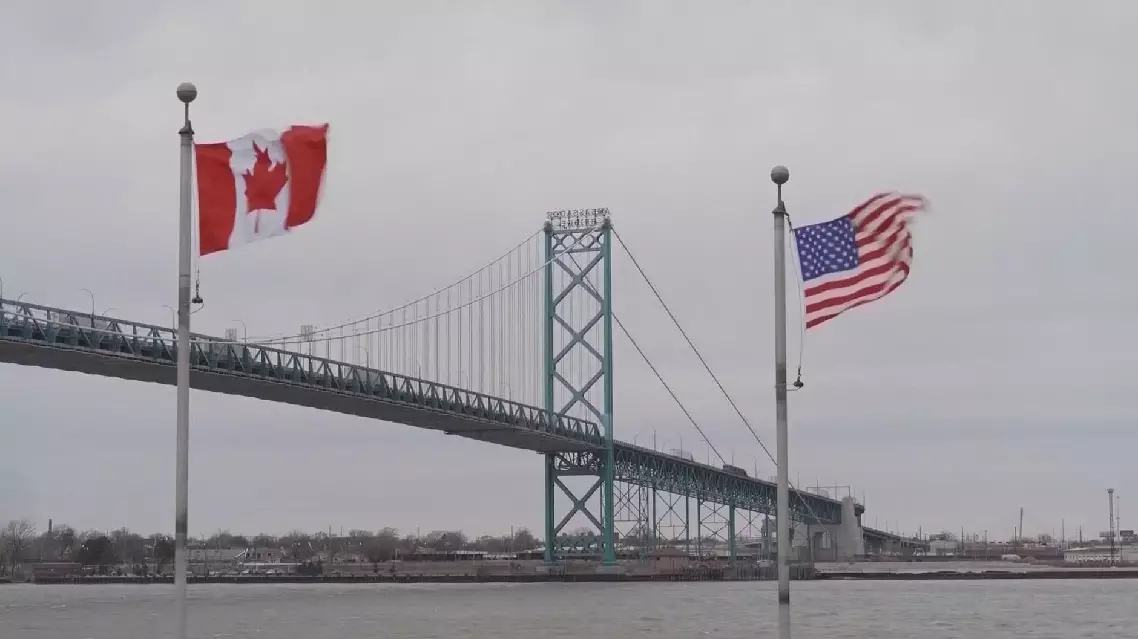
Canada to consider all possible response options if new U.S. tariffs take effect: Canadian PM
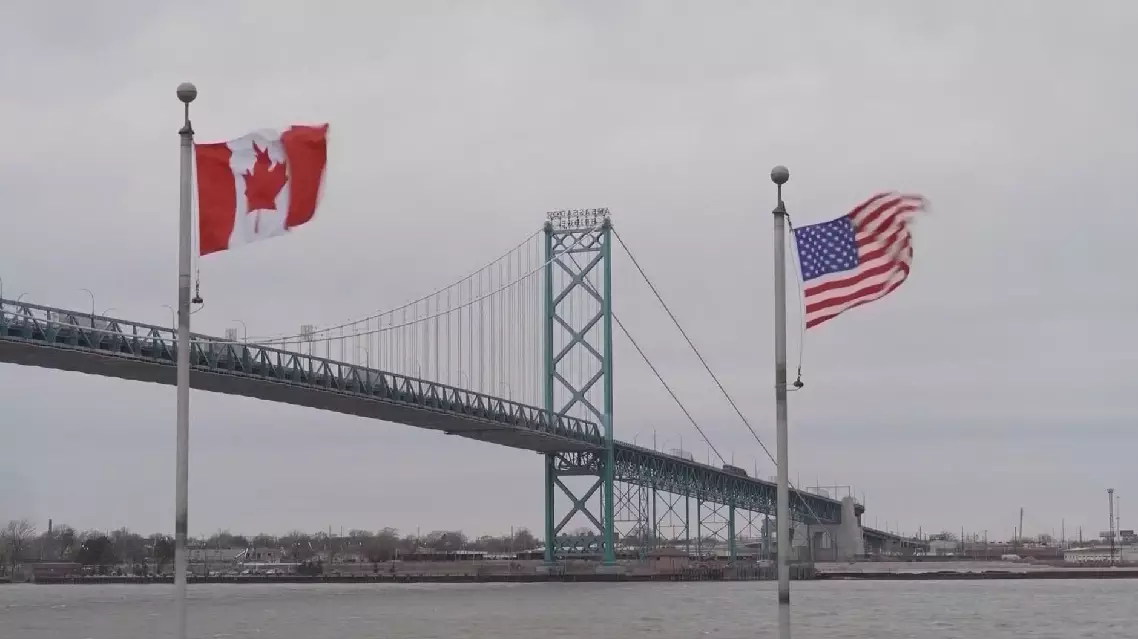
Canada to consider all possible response options if new U.S. tariffs take effect: Canadian PM

Canada to consider all possible response options if new U.S. tariffs take effect: Canadian PM

Canada to consider all possible response options if new U.S. tariffs take effect: Canadian PM

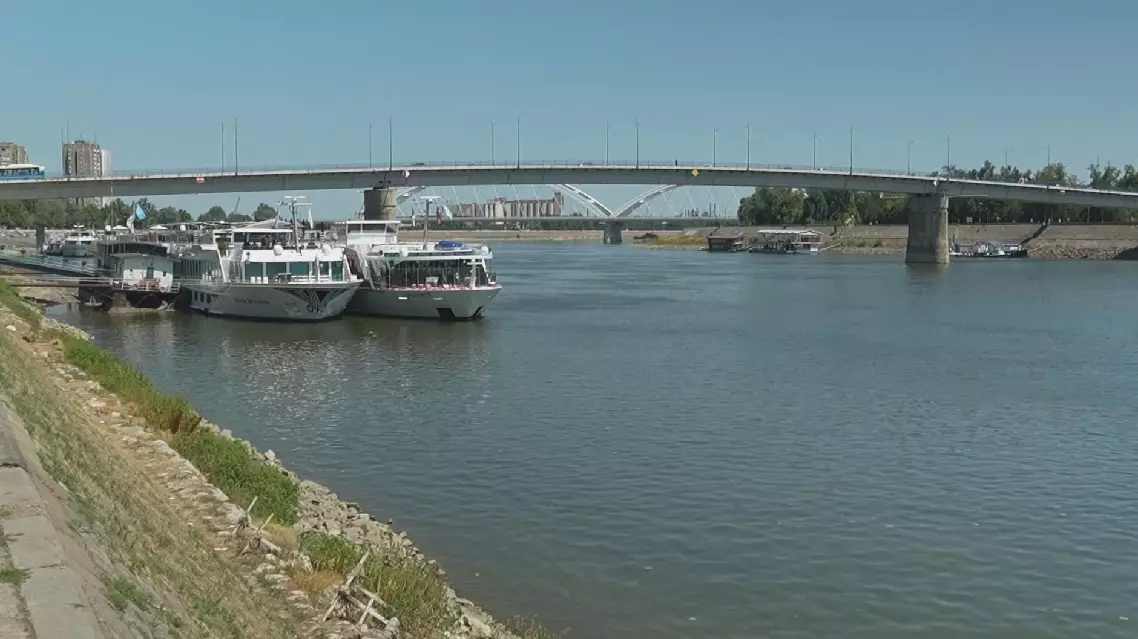
Falling water levels on the Danube River, driven by persistent heat, are disrupting Serbia's grain exports along the key shipping route.

The Vojvodina Province in northern Serbia, a crucial grain-producing area for the country, has been particularly hard hit. As the Danube shrinks, ships are being forced to reduce their loads to stay afloat, driving up transportation costs and squeezing profit margins for farmers and exporters.

"Today, the water level at the monitoring station in Novi Sad stood at minus 44 centimeters. Normally, it should be around 150 centimeters this time of year. So the river is now roughly two meters lower than usual. This has created significant shipping difficulties. Some sections of the river have become nearly impassable, forcing ships to reduce their loads just to get through," said Bozidar Belos, advisor to the director of public water management company Vode Vojvodine.

Serbia's hydrometeorological department has warned that Danube water levels are expected to fall even further in the coming days.

To address the crisis, Serbia is working with neighboring countries on dredging the river and building sluices and dams to ease pressures on both navigation and irrigation.

Danube water levels plunge amid prolonged heatwave, threatening Serbia's grain exports

Danube water levels plunge amid prolonged heatwave, threatening Serbia's grain exports

Recommended Articles