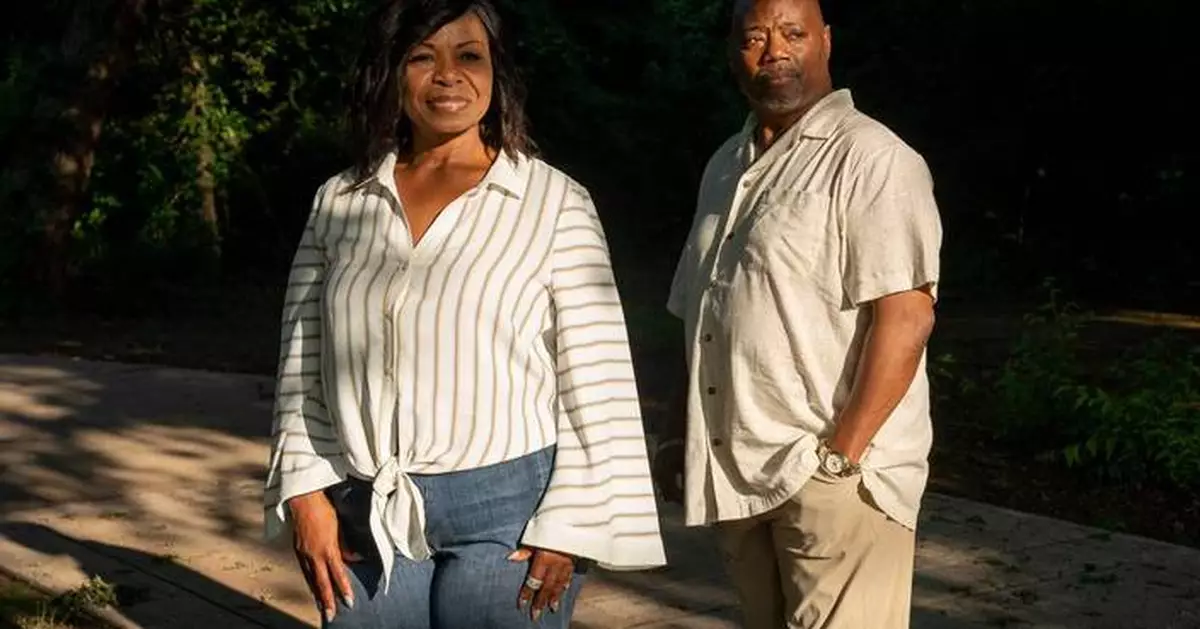
Two descendants of Black people once enslaved by a Native American tribe are asking a federal court in Oklahoma to force tribal leaders to issue them citizenship cards as ordered a year ago by a tribal court.
A lawsuit filed Thursday in U.S. District Court in Oklahoma City on behalf of Rhonda Grayson and Jeffrey Kennedy names Principal Chief David Hill and the Muscogee Nation Citizenship Board as defendants.
It says that Hill and the citizenship board are violating an 1866 treaty between the tribe and the U.S. government by refusing to recognize Black Creek Freedmen as citizens as ordered by the Muscogee Nation Supreme Court in July 2025.
The board had denied the applications of Grayson and Kennedy in 2019 because they could not identify a lineal descendant of the tribe, but the court said the pair are entitled to tribal citizenship.
However, Hill and the board have not yet issued the citizenship cards, denying Grayson and Kennedy their “right to vote and the ability to participate fully as members of the Nation,” according to the lawsuit.
Last August, Hill blocked the tribe’s citizenship board from issuing citizenship cards until leaders decide how to change the tribe’s constitution. The tribe's headquarters is in Okmulgee, about 100 miles (160 kilometers) northeast of Oklahoma City.
A spokesman for the Muscogee Nation said late Thursday afternoon that it had not yet been served with the complaint.
“We would point out that federal law and precedent is clear that matters of Muscogee Nation law and governance are to be addressed through the Nation’s own governmental institutions,” the Muscogee Nation said in a statement.
“We are committed to ensuring that the Muscogee Nation’s Constitution and laws are followed fairly and consistently," the statement said. “Getting policies right is always more important than getting them done quickly. Anything less would undermine the integrity of our governmental processes and the rights of our citizens.”
The Muscogee Nation is one of five tribes in Oklahoma that once practiced slavery.
Under the 1866 treaty, the tribe abolished slavery and granted citizenship to the formerly enslaved. The Muscogee Nation adopted in 1979 a constitution that restricted membership to the descendants of people listed as “Muscogee (Creek) Indians by blood” on the Dawes Rolls, a census of members of the five tribes created around 1900.
When the Dawes Rolls were created, people were listed on two separate rolls: those who were Muscogee and those who were identified by the U.S. government as Freedmen.
The court's 2025 ruling also directed the board to apply the treaty of 1866 to future applicants who can trace an ancestor to either roll. The decision could create a path to tribal citizenship for thousands of new members who are not Muscogee by blood.
Attorney Damario Solomon-Simmons, a Black Creek Indian who is one of the lawyers representing Grayson and Kennedy, said Thursday that there about 100,000 Black Creeks across the United States.
Successful legal cases were brought against two of the five Oklahoma tribes, the Seminole Nation and the Cherokee Nation, which have since granted citizenship to Freedmen descendants.
“Every day of non-compliance is another day that Black Creek Freedman are denied our birthright and our very identity as citizens,” said Grayson, president of the Muscogee Creek Indian Freedmen Band.
“The fight is bigger than every one of us," she told reporters Thursday. "It belongs to every Black Creek Freedman descendant who has carried this history, protected these stories and refused to let our identity be dismissed or diminished.”
————————-
Williams is a member of AP's Race & Ethnicities Team. He reported from Detroit.
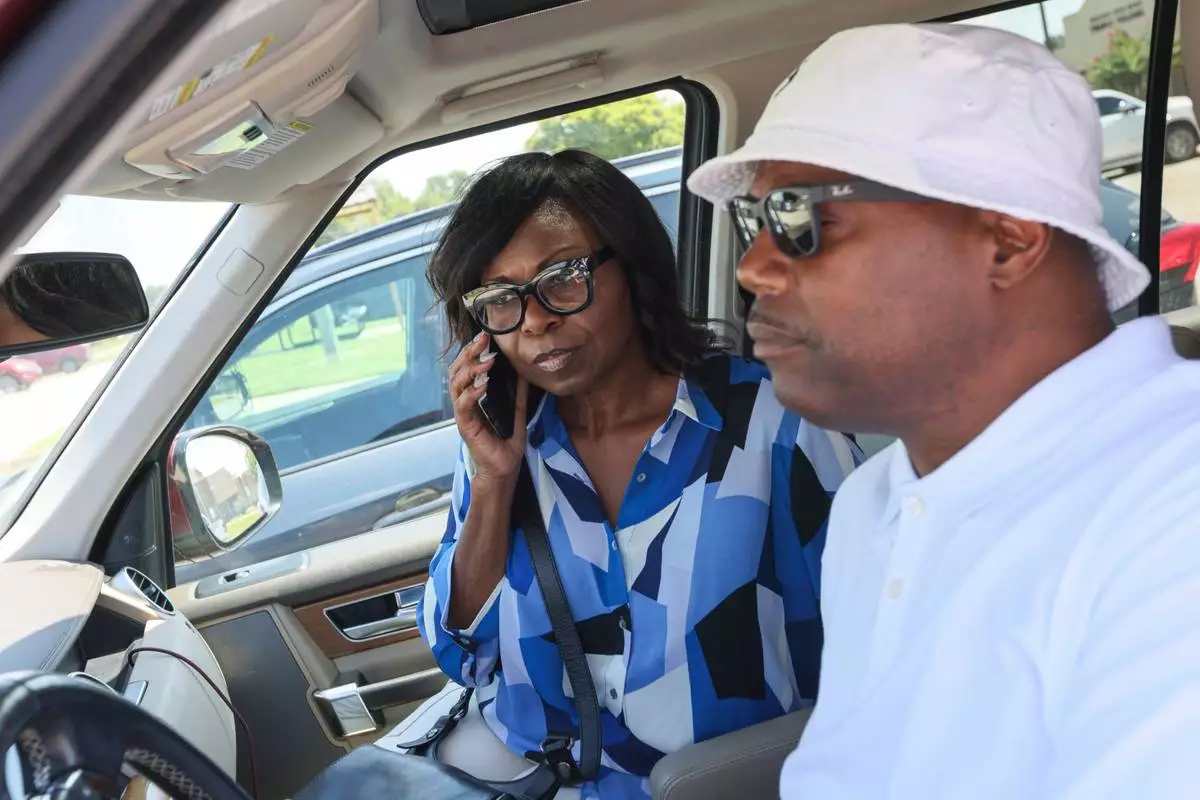
FILE - Rhonda Grayson, left, calls an attorney after she and Jeffrey Kennedy, right, were unable to get citizenship cards from the Muscogee Nation, Aug. 21, 2025, in Okmulgee, Okla. (AP Photo/Nate Billings, File)
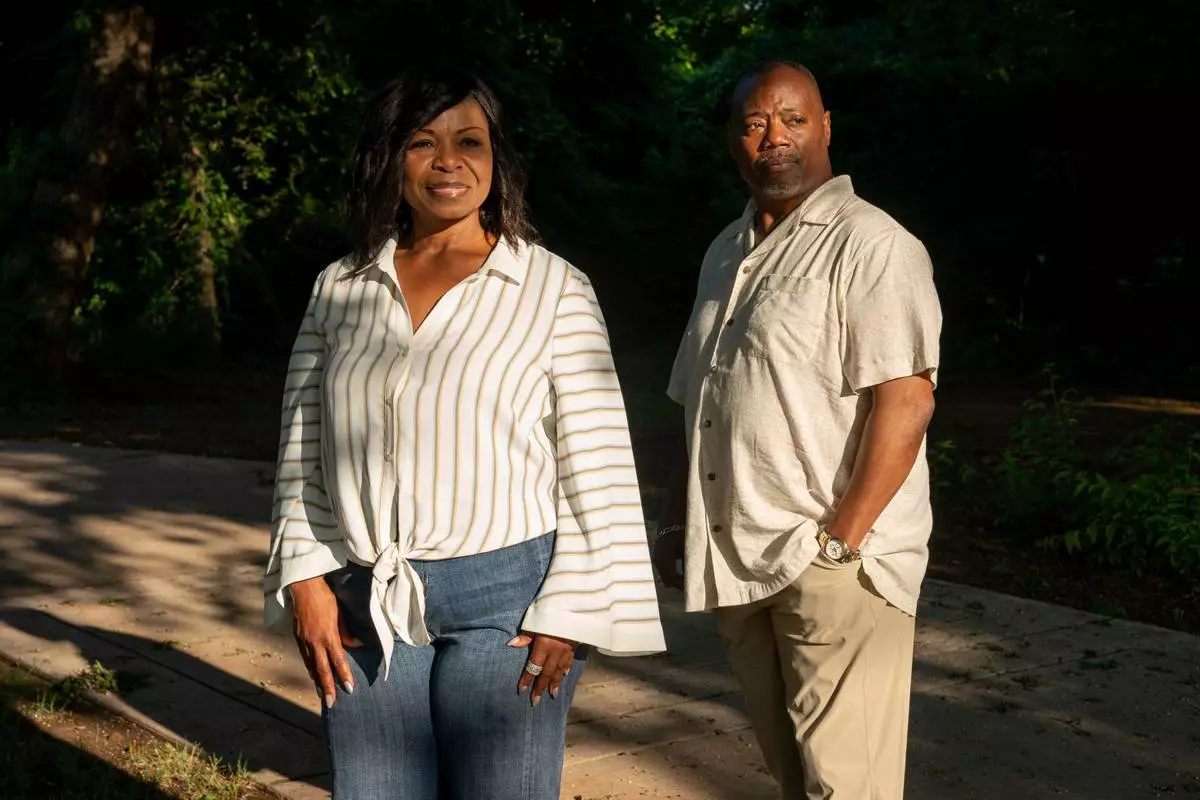
FILE - Rhonda Grayson and Jeff Kennedy pose on June 16, 2025, in Moore, Okla. (AP Photo/Nick Oxford, File)
OGUNQUIT, Maine (AP) — Giant metal roosters are popping up on lawns in and around a community in southern Maine and as far away as New Zealand in support of a 6-year-old autistic girl and her love of the colorful creations.
David and Sara LeBlanc had a rotating display of the roughly 6-foot-tall (1.8-meter-tall) ornaments decorating their Ogunquit lawn until officials in the small coastal town deemed them to be impermissible advertising for their attached restaurant, The Omelette Factory.
The couple initially resisted the town's removal order, insisting the roosters were meant to comfort their daughter Pyper, not advertise their business.
“Roosters don’t lay eggs,” David LeBlanc told The Associated Press on Wednesday.
But they eventually came to an agreement with the town allowing them to keep two of the roosters in front of their home.
As for what to do with the others? That's where friends, neighbors and complete strangers came in.
The LeBlancs took in Pyper as a foster child and later adopted her. She arrived with a stuffed rooster, and roosters became her favorite animal, her parents said. When her father took her to a Tractor Supply Store to play with baby chicks last year, she noticed a large rooster sculpture for sale and asked her dad what it was saying.
“I think he wants to come home,” David LeBlanc said he told her.
Eventually, their collection grew to more than two dozen roosters, which they set up in batches for seasonal and holiday displays. Pyper took to hiding behind one each morning while waiting for the school bus, which her parents said helps her regulate her emotions and navigate transitions.
But the couple ruffled feathers when they added a rooster to their restaurant’s logo, which is featured on its shirts and other merchandise. Although the LeBlancs said they view the rooster as a “family crest,” the town saw their lawn statues as advertising.
A code enforcement officer, Tyler McOsker, issued the LeBlancs $450 in fines and ordered them in April to "remove all unpermitted signage, including but not limited to rooster statues."
McOsker didn't respond to an email requesting comment. But he told the Zoning Board of Appeals in June that he had no idea the roosters were connected to Pyper’s autism diagnosis until the couple appealed the fines. He also pointed to a May 2025 article in a local weekly newspaper that described the roosters as a “fun and unconventional way to announce that The Omelette Factory is officially open for business.”
“That, to me, is the definition of a sign. You’re announcing you’re opening,” McOsker told the board.
David LeBlanc said the reporter misinterpreted a customer’s joke about the roosters serving as an “Open” sign.
“We never said that,” he said.
The zoning board discussed the issue last month. At one point, board member Jay Smith voiced frustration at the lack of medical proof that the roosters were necessary.
“I’m inclined to think there may be some merit to a comfort animal on the front lawn … but the point is, how many does it take?” he said.
Autism spectrum disorder is a complex developmental condition that affects different people in different ways, and comfort objects are frequently incorporated into therapy for autistic children to help manage transitions, support emotional regulation and provide a sense of familiarity, Beverley Cush Evans, a professor of special education at Lesley University, told the AP.
“It’s part of who they are and what they need," she said.
Eventually, the board decided it lacked the authority to rescind the fines but tried to accommodate the family by granting a disability variance that essentially deemed two roosters necessary for Pyper’s access to the home.
“I want to emphasize we’re talking about two roosters. If they have babies or multiply in the night — no,” another board member said.
The variance requires the roosters to be part of a railing, however, and for now, they are just bolted to the steps. The couple has been fined another $500 for noncompliance.
David LeBlanc said he is moving on from the dispute and is focusing on the good that has come from it. The family has given roosters to others to “foster” and show their support for autism acceptance, starting with a man named Sam who lives up the road. Though Pyper was sad to see them go, she understands the adage about making lemonade, LeBlanc said.
“She understands that the roosters being taken away were the lemons, and Sam and his friends, fostering them, are the lemonade,” he said. “It’s a beautiful thing.”
Thanks to news coverage and a Roosters of Ogunquit Facebook page, the story has spread far and wide. One supporter wrote in from New Zealand sharing pictures of his children with a rooster statue in their yard.
Hetal Patel, who owns a motel in nearby Wells and has a relative with autism, wanted to buy a rooster after hearing about Pyper. They were sold out in the Ogunquit area, though, so she and her son went to New Hampshire last week to get one.
“We found the last one,” she said. “We couldn’t wait to put it out. People were so supportive, they were honking. It was so nice to see all the love for Pyper.”
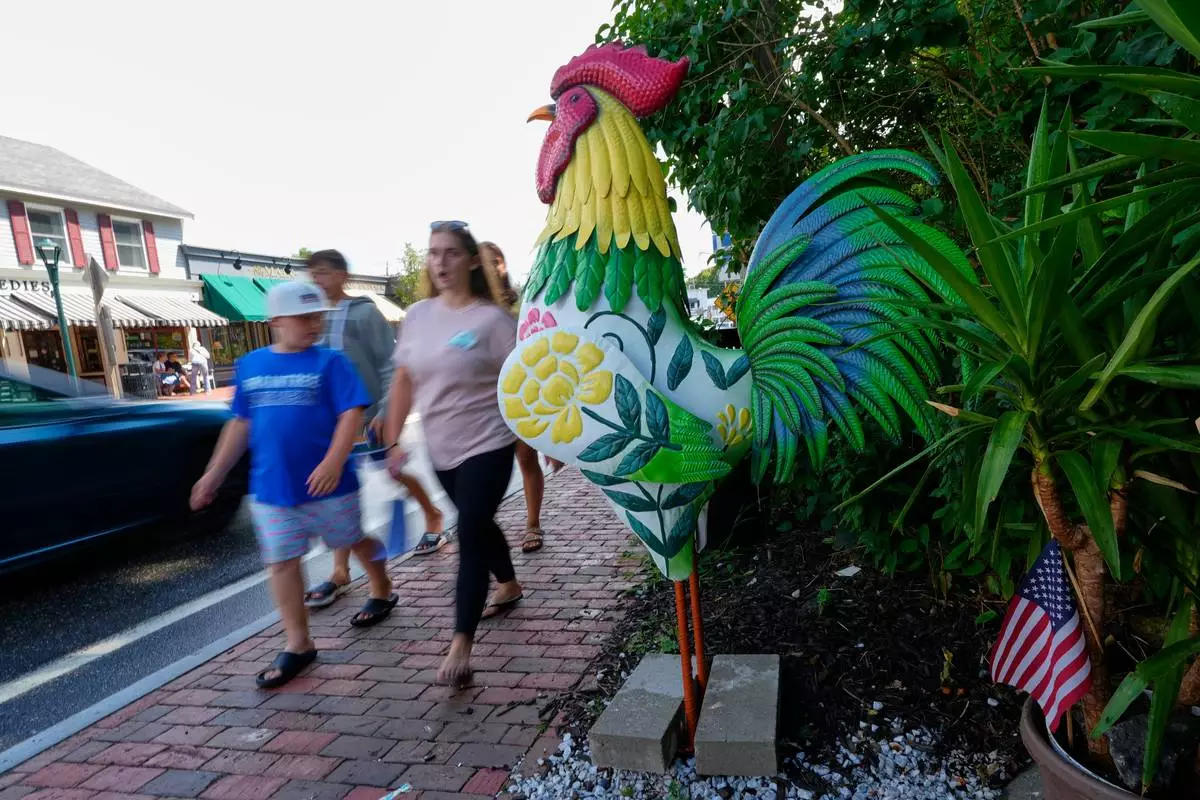
A large tin rooster stands alongside Main Street as a sign of solidarity for a young girl with autism in Ogunquit, Maine, Wednesday, July 22, 2026. (AP Photo/Robert F. Bukaty)
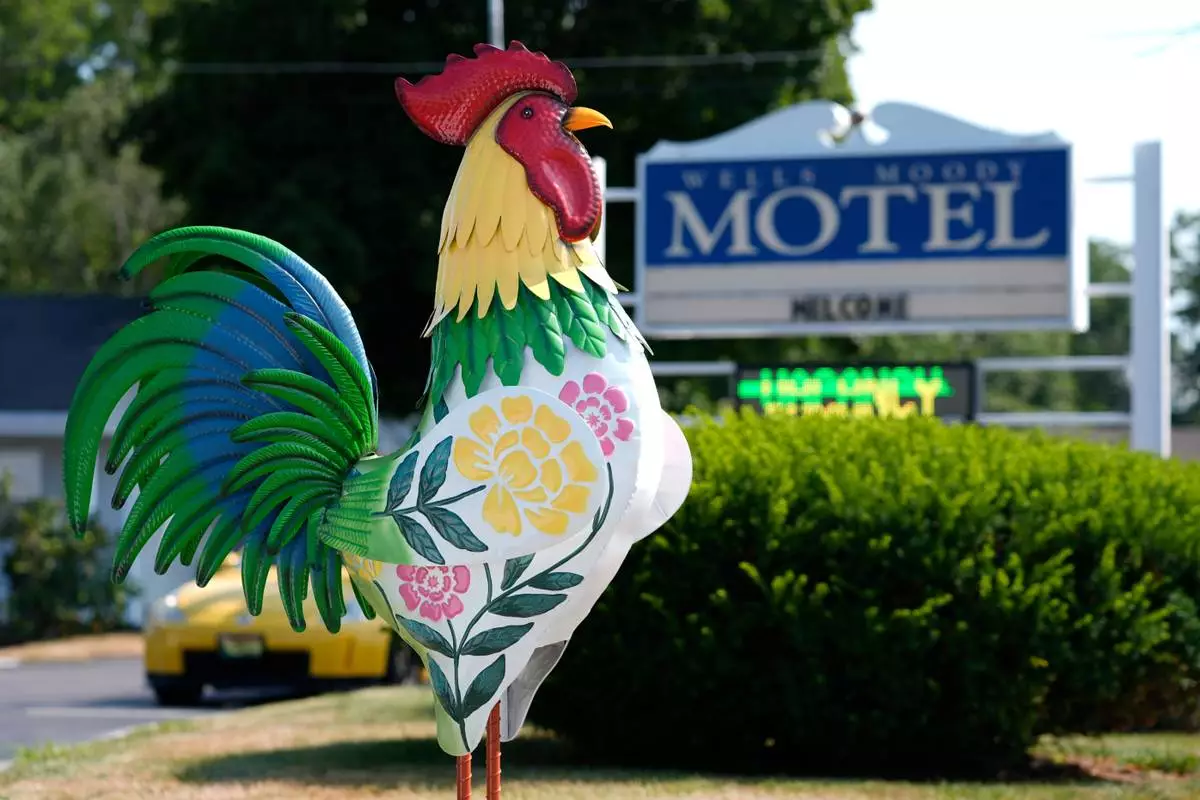
A tin rooster stands outside the Wells Moody Motel in Wells, Maine, Wednesday, July 22, 2026. (AP Photo/Robert F. Bukaty)
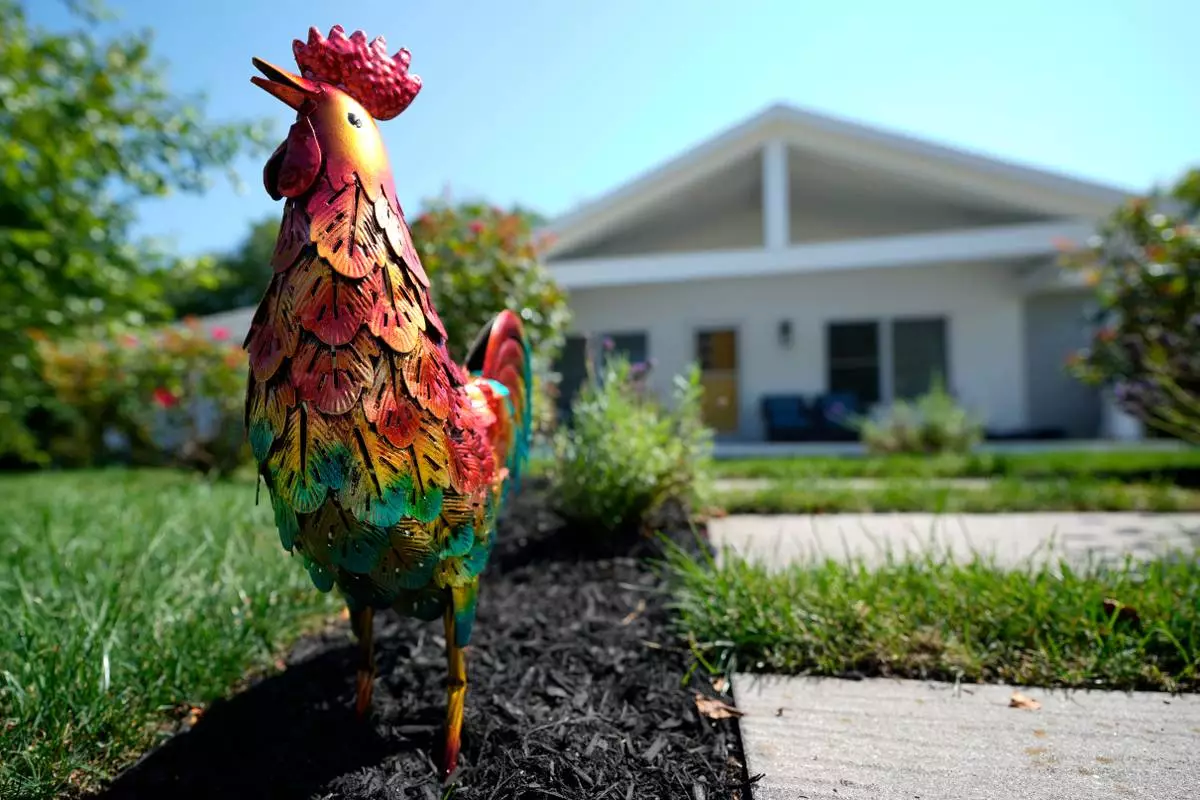
A small rooster stands outside a home as a sign of solidarity for a young girl with autism in Ogunquit, Maine, Wednesday, July 22, 2026. (AP Photo/Robert F. Bukaty)
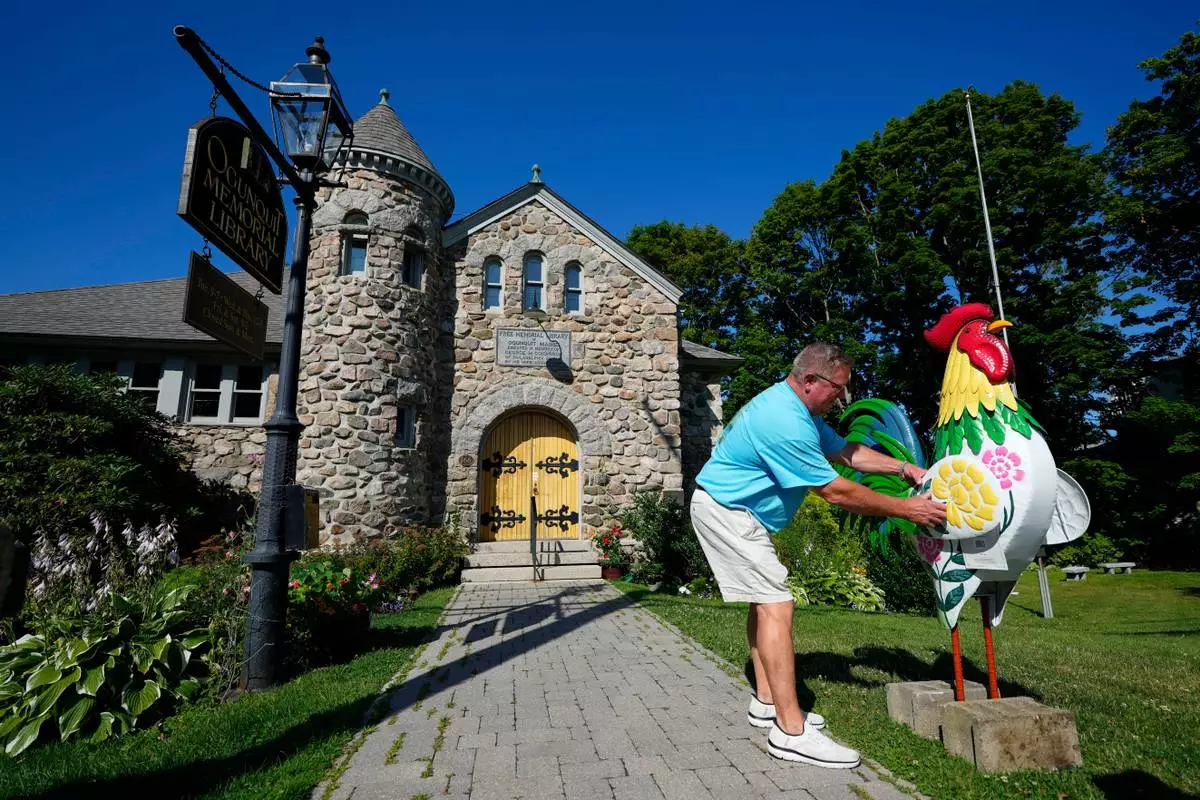
David LeBlanc sets up a rooster in front of the Memorial Library in Ogunquit, Maine, Thursday, July 23, 2026. (AP Photo/Robert F. Bukaty)
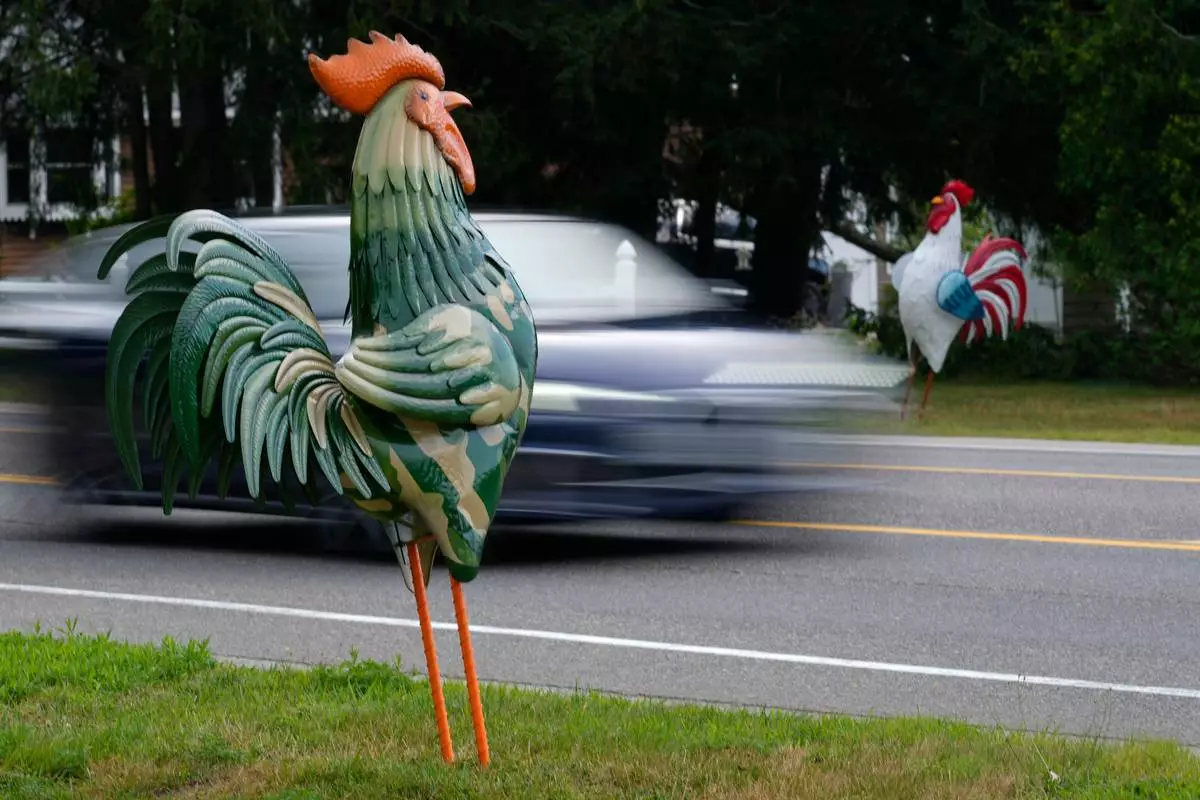
Tin roosters flank Rte. 1 in Wells, Maine, Wednesday, July 22, 2026. (AP Photo/Robert F. Bukaty)
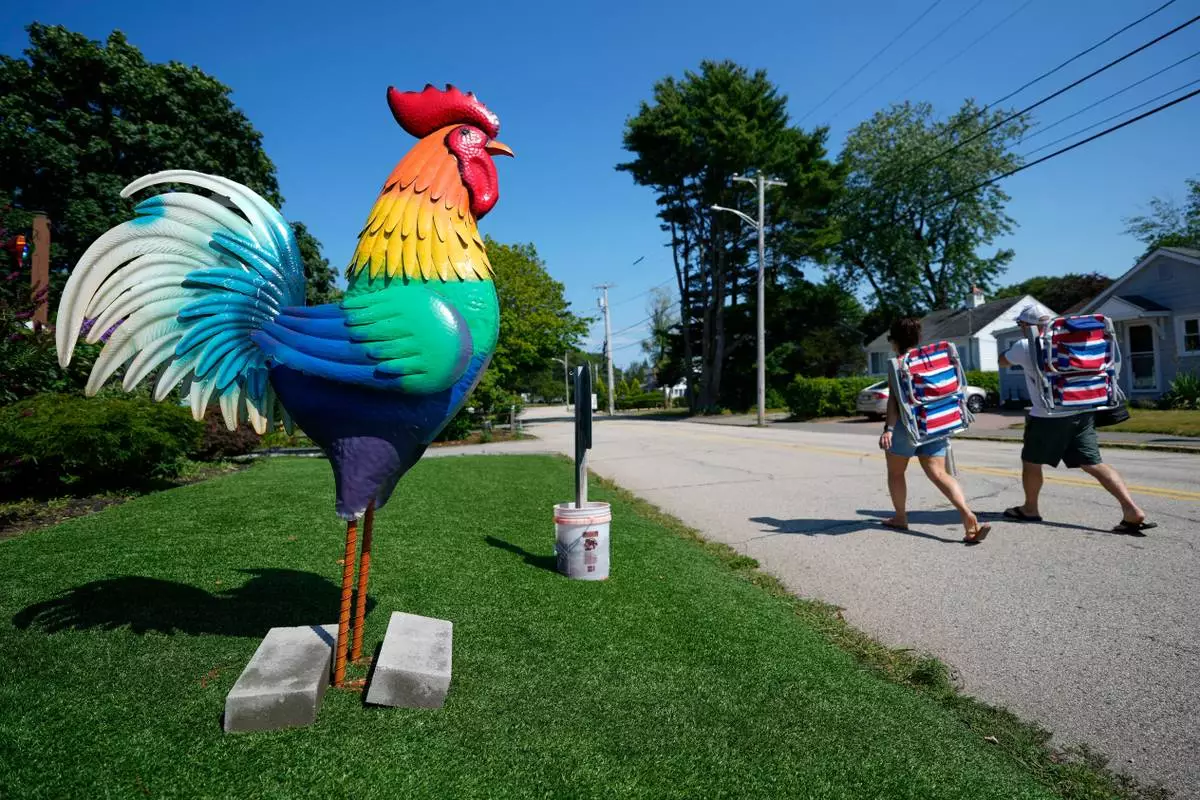
Beach-goers pass by a large tin rooster set up outside a motel in solidarity with a young girl with autism in Ogunquit, Maine, Wednesday, July 22, 2026. (AP Photo/Robert F. Bukaty)