Jingdezhen City in east China's Jiangxi Province, reputed as the world's "porcelain capital," has succeeded in reviving its old handicraft porcelain industry sites through functional transformation, with contemporary artisans keeping the traditional porcelain-making techniques alive.
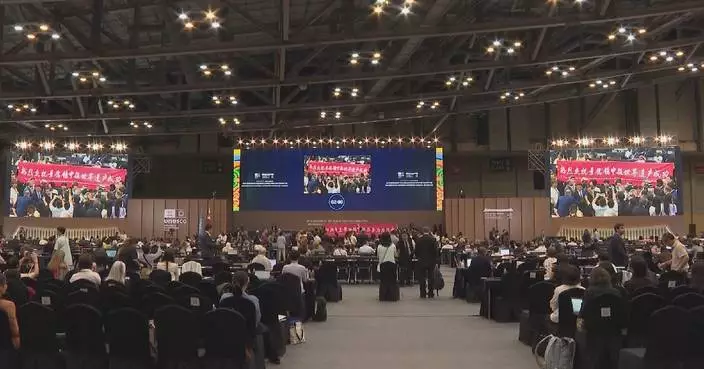
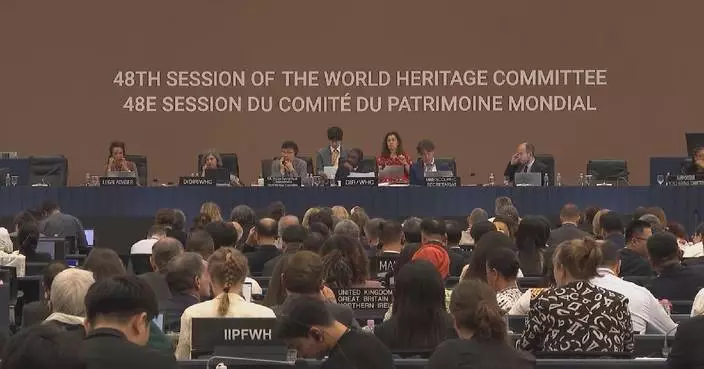
The United Nations Educational, Scientific and Cultural Organization (UNESCO) added China's Jingdezhen Handicraft Porcelain Industry Sites to the World Heritage List on Saturday at the 48th session of the World Heritage Committee held in Busan, South Korea.
The Jingdezhen Handicraft Porcelain Industry Sites are a group of heritage sites representing the handicraft porcelain industry system that developed in Jingdezhen from the 10th to the 19th century.
Porcelain of the highest quality was produced at Jingdezhen, and its blue-and-white porcelain and designs became a prized global commodity and a symbol of Chinese culture and artistry, according to UNESCO.
Since the porcelain industry is still flourishing in Jingdezhen, making full use of the ancient kiln ruins to benefit the present porcelain production has become a goal for the local authorities. They believed that by doing so, traditional skills will be kept in the ancient sites via modern-day's craftspeople.
"For porcelain-making, the handcraft itself is an intangible cultural heritage, and its production is also type of tangible outcome. In that sense, they are inherently intertwined. What we are doing is to make use of the modern factories and bring in intangible-heritage artisans. By turning the place into an industry chain, more people are willing to gather here, forming a good agglomeration effect," said Guan Qiang, president of China Museum Association.
Shangguan Zehua is one of the craftsmen who firstly settled down in the Luomaqiao kiln ruins. For him, the ruins have provided him with endless inspirations.
"This space is great, very rustic. The environment is what I want, especially here, as a ruin that used to produce blue-and-white porcelain ware from the Yuan Dynasty (1271-1368). I also make the blue-and-white porcelain, so I'm willing to come here. This workshop I chose is the best and the biggest in this area, even it is a little bit expensive," said Shangguan.
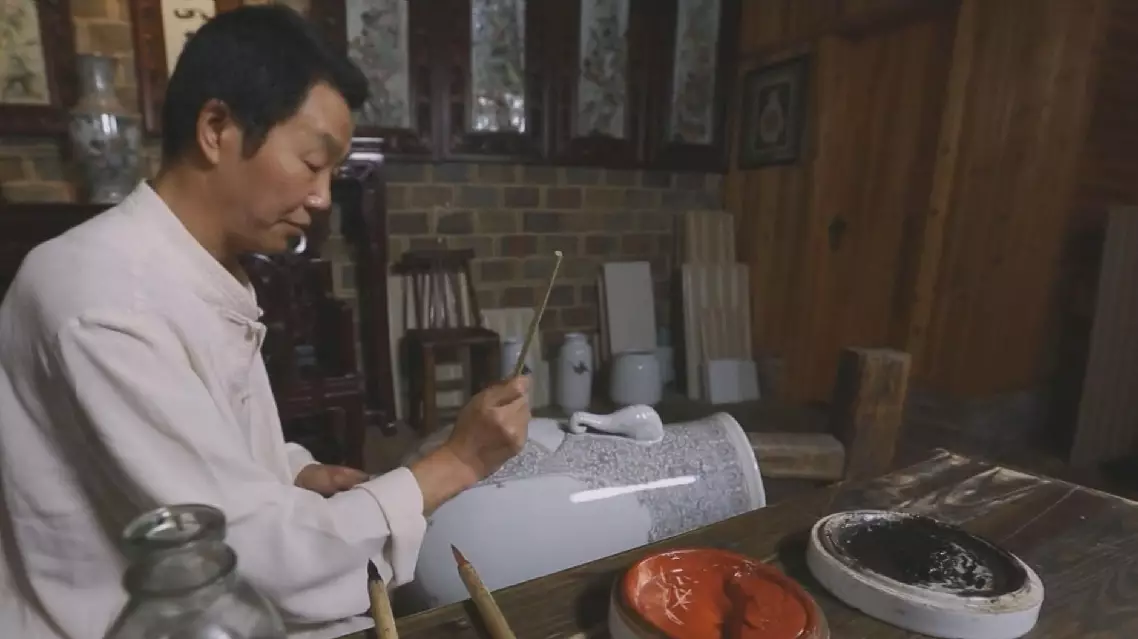
"Porcelain capital" revives ancient kiln ruins for modern porcelain industry
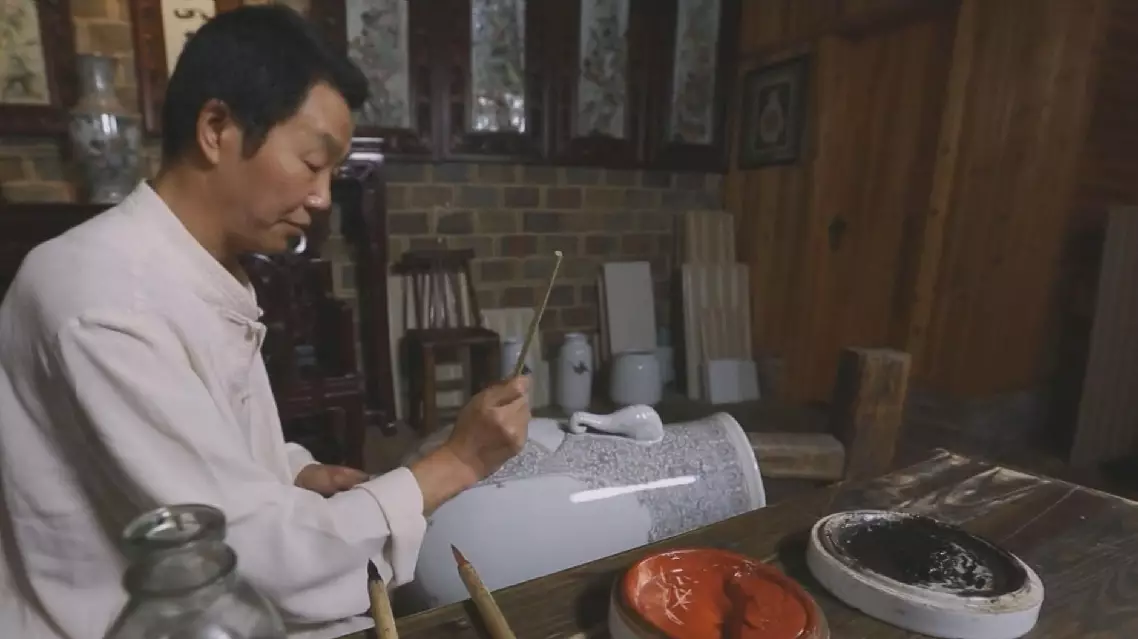
"Porcelain capital" revives ancient kiln ruins for modern porcelain industry