On Monday, the 48th session of the UNESCO World Heritage Committee in Busan, the Republic of Korea, approved the boundary modification of the Migratory Bird Sanctuaries along the Coast of Yellow Sea-Bohai Gulf of China, officially incorporating the Changshan Archipelago into the World Heritage list.
This marks another expansion of the World Natural Heritage site following its previous expansion in 2024, further improving the integrity of the migratory bird sanctuaries series, according to the National Forestry and Grassland Administration.
The Changshan Archipelago in Dalian, northeast China's Liaoning Province, sits on the only sea route of the East Asian-Australasian Flyway, and it serves as a critical energy supply stop for tens of millions of migratory birds during their cross-Bohai Sea migration.
The newly added heritage section covers more than 4,900 hectares. The region is rich in biological resources, with over 140 recorded bird species.
At the 43rd session of the UNESCO World Heritage Committee in Baku, Azerbaijan, in 2019, the Migratory Bird Sanctuaries along the Coast of Yellow Sea-Bohai Gulf of China (Phase I) was inscribed on the list. At the 46th session in New Delhi, India, in 2024, UNESCO inscribed Phase II of the Migratory Bird Sanctuaries, expanding the existing site to include five additional protected areas.
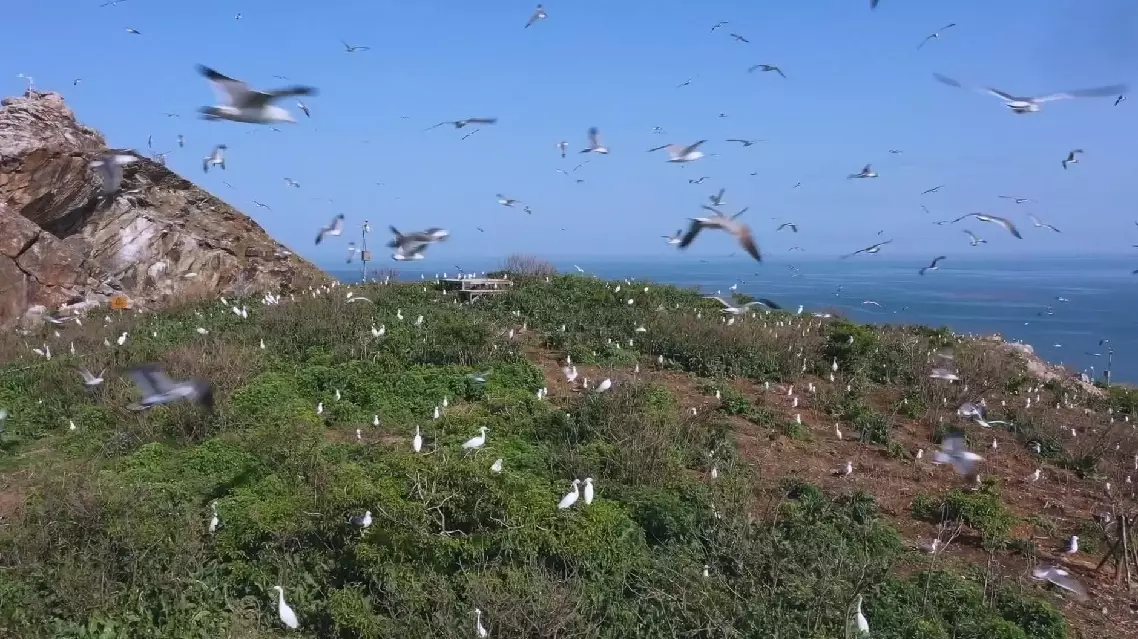
China's Changshan Archipelago migratory bird sanctuary inscribed on World Natural Heritage list
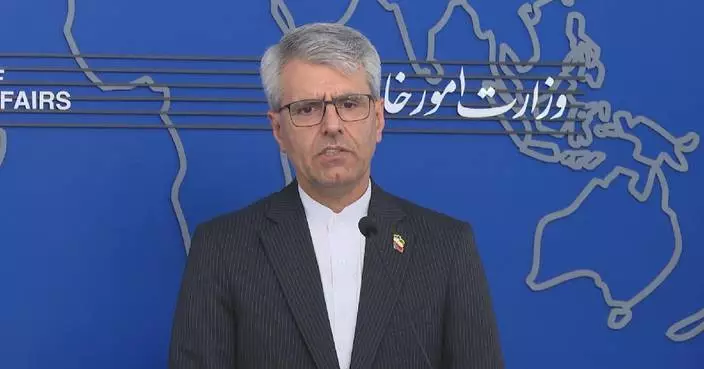
Iranian Foreign Ministry spokesman Esmaeil Baghaei said on Monday that Tehran will not let the United States determine the war's end, while U.S. President Donald Trump warned that Washington stands ready to resume military actions if diplomacy collapses.
Noting that the United States has been "stuck in a quagmire" for five months, Baghaei said at a press briefing that Tehran will not allow the U.S. side "to determine the time of war and peace, and we will defend ourselves for as long as necessary."
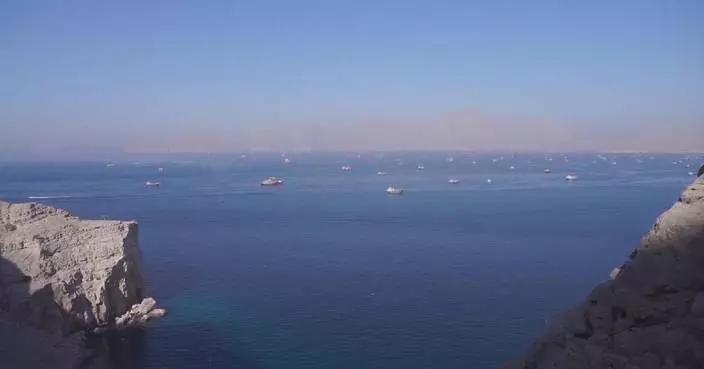
He added that the United States was not involved in recent talks with Oman over the management of the Strait of Hormuz, which he described as "positive."
These talks have no connection with the United States. They are a bilateral matter between Iran and Oman, and they are continuing, he said, noting that the waterway "remains closed."
Baghaei said that some Gulf countries have been involved in the U.S. war on Iran, without giving further details.
He also warned of "unforeseen" consequences after Ukraine attacked an Iranian vessel in the Caspian Sea over the weekend.
In a separate statement posted on X, Baghaei said, "Zelenskyy has attacked an Iranian commercial vessel, killing a sailor," calling it a blatant violation of the UN Charter "done at Israel's behest to drag Europe into its war."
"This action by Ukraine was an absolutely illegal and unjustified act ... as well as a dangerous act of adventurism that will certainly not go unanswered by us," Baghaei said at the press briefing, adding that the consequences of Ukraine's action "will certainly be unforeseen."
On the same day, Trump told media that the U.S. is currently engaged in "very deep talks" with Iran, and warned that if the diplomatic efforts fail, the U.S. will resume "very strong military action."
In the interview, the president said that on July 24 he had suspended planned U.S. military strikes against Iran to allow room for negotiations, adding that the decision was made at the request of mediators in the Middle East.
When asked how long he was willing to give diplomacy a chance, Trump said "Not much time. Either it goes fast or not at all."
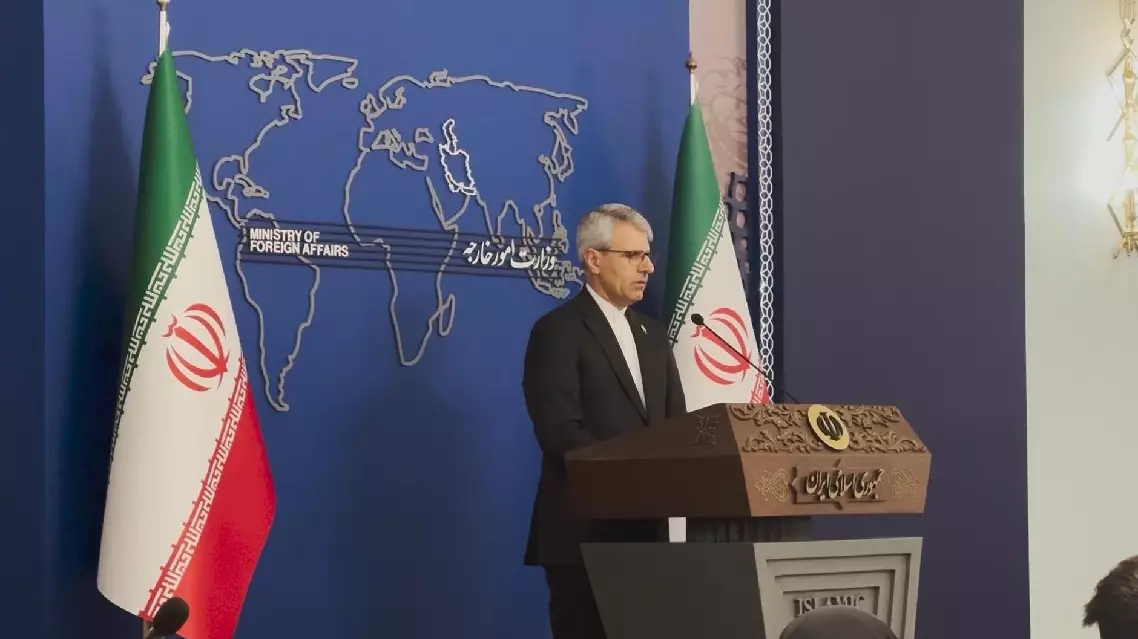
Iranian FM says won't let U.S. determine end of war, Trump threatens strikes if talks break down