Skip to Content Facebook Feature Image

What to know from AP's report about pregnant women and babies dying in Nepal amid USAID cuts

News

What to know from AP's report about pregnant women and babies dying in Nepal amid USAID cuts
News

News

What to know from AP's report about pregnant women and babies dying in Nepal amid USAID cuts

2026-08-13 19:58 Last Updated At:20:01

GAUR, Nepal (AP) — The United States’ decision to slash its foreign aid program has led to an increase in deaths of pregnant women and babies in Nepal, The Associated Press has found.

The decision by U.S. President Donald Trump’s administration to eliminate the United States Agency for International Development last year gutted maternal and child health programs worldwide. In Nepal, the funding cuts led to the closure of nutrition and reproductive outreach programs designed to save mothers’ and babies’ lives.

More Images
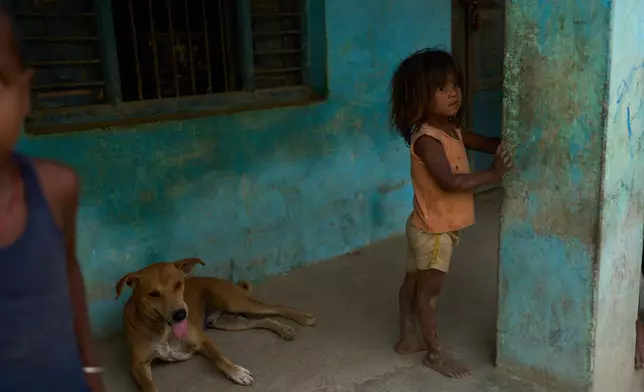
Children play in Gaur, Nepal, on May 19, 2026. (AP Photo/Bram Janssen)
Children play in Gaur, Nepal, on May 19, 2026. (AP Photo/Bram Janssen)

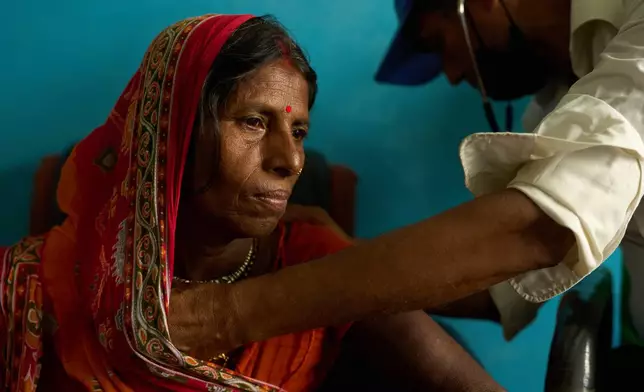
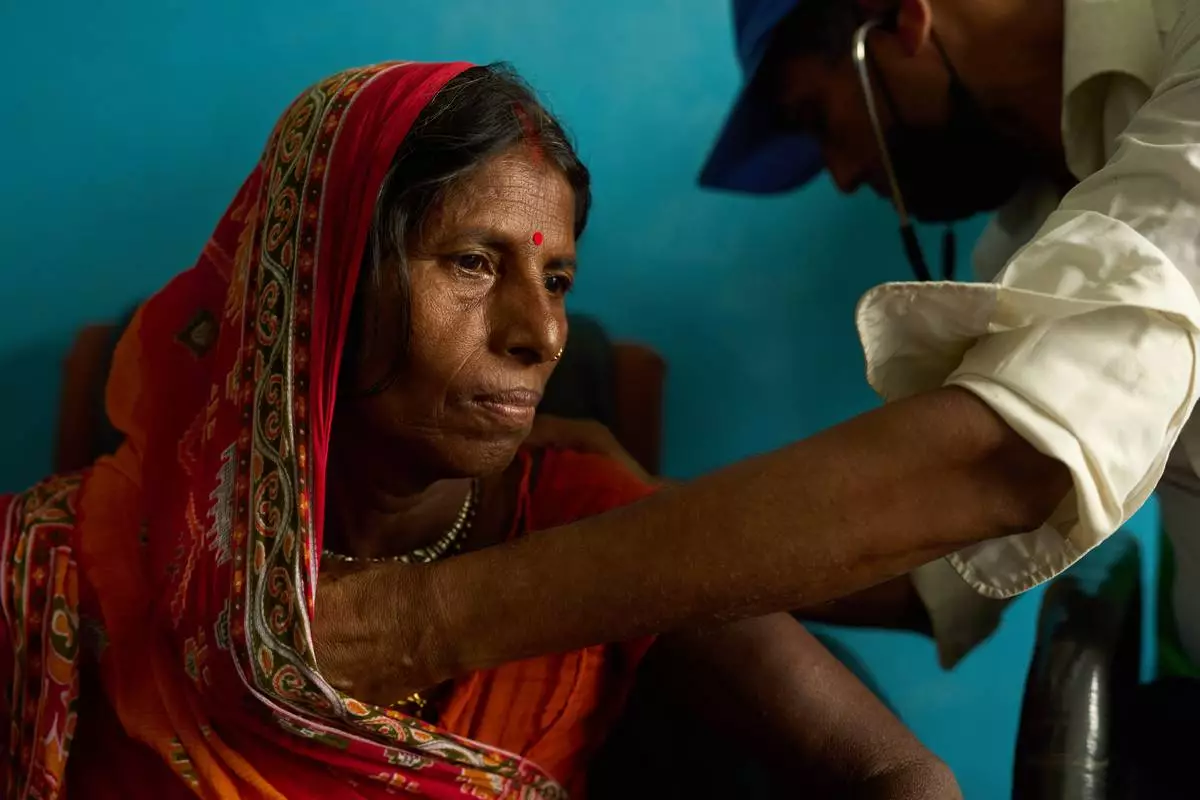
A woman receives an examination from a doctor inside a clinic in Gaur, Nepal, on May 20, 2026. (AP Photo/Bram Janssen)
A woman receives an examination from a doctor inside a clinic in Gaur, Nepal, on May 20, 2026. (AP Photo/Bram Janssen)

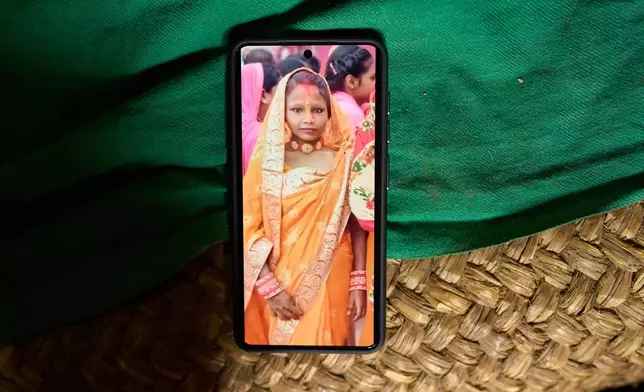
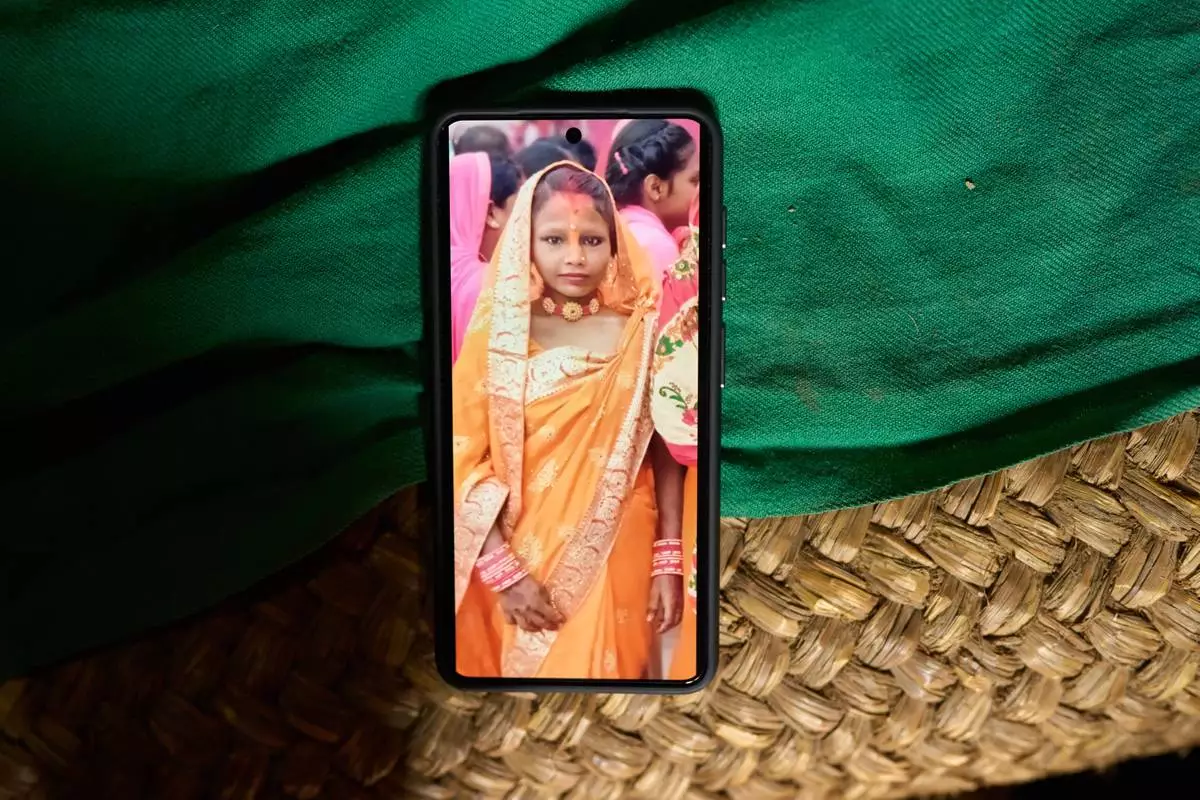
A photo of Kabita Mukhiya, who died during pregnancy, is displayed on a phone on May 19, 2026, in Gaur, Nepal. (AP Photo/Bram Janssen)
A photo of Kabita Mukhiya, who died during pregnancy, is displayed on a phone on May 19, 2026, in Gaur, Nepal. (AP Photo/Bram Janssen)

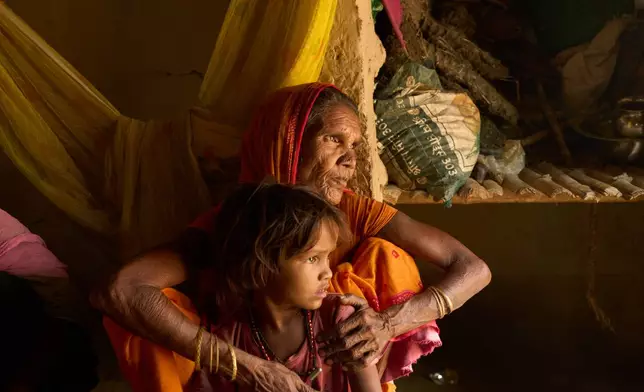
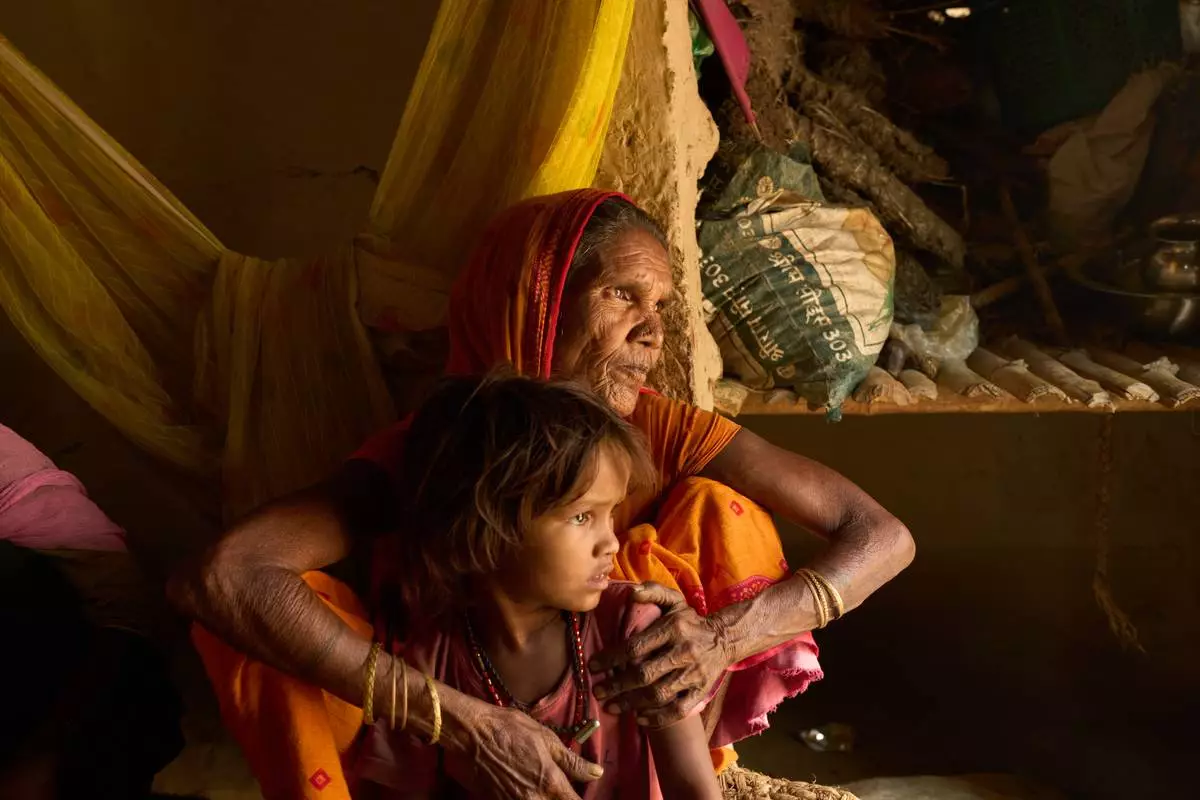
Lachhiya Devi sits with her 5-year-old granddaughter, Sonam Mukhiya, in her home in Gaur, Nepal, on May 19, 2026. Sonam's mother, Kabita Mukhiya, died in December while 28-weeks pregnant amid disruptions to nutrition programs and reproductive outreach services following last year's foreign aid cuts by the United States. (AP Photo/Bram Janssen)
Lachhiya Devi sits with her 5-year-old granddaughter, Sonam Mukhiya, in her home in Gaur, Nepal, on May 19, 2026. Sonam's mother, Kabita Mukhiya, died in December while 28-weeks pregnant amid disruptions to nutrition programs and reproductive outreach services following last year's foreign aid cuts by the United States. (AP Photo/Bram Janssen)

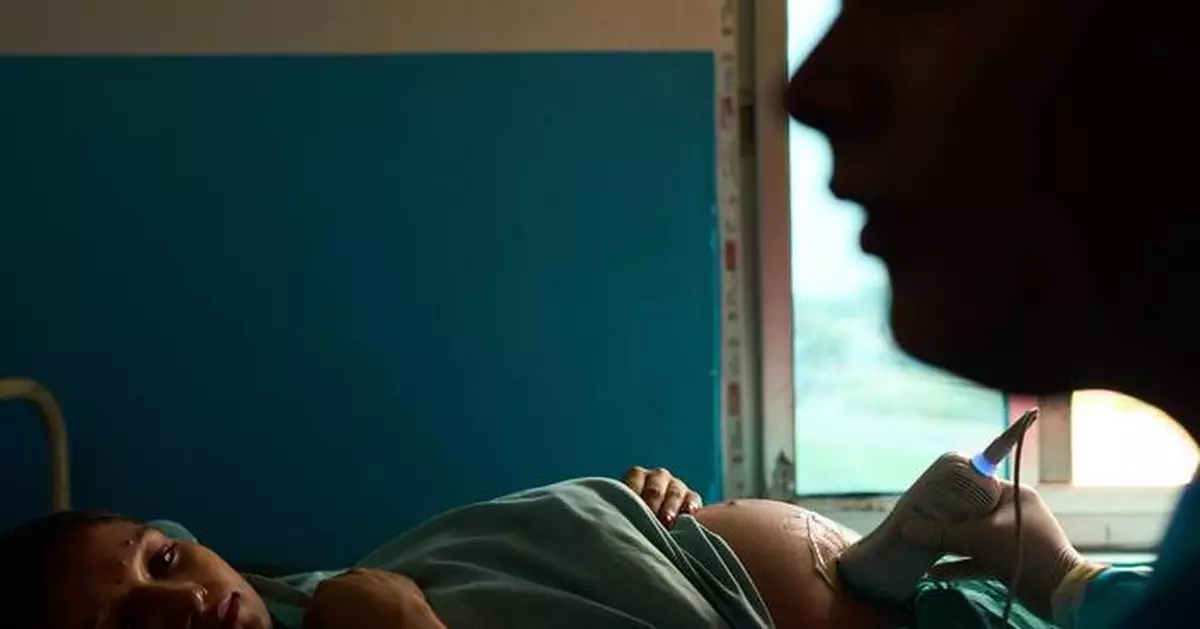
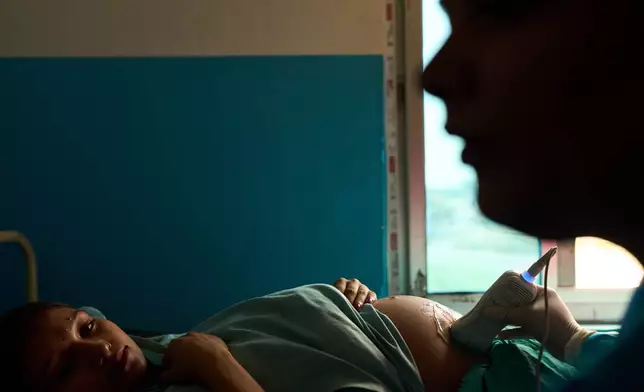
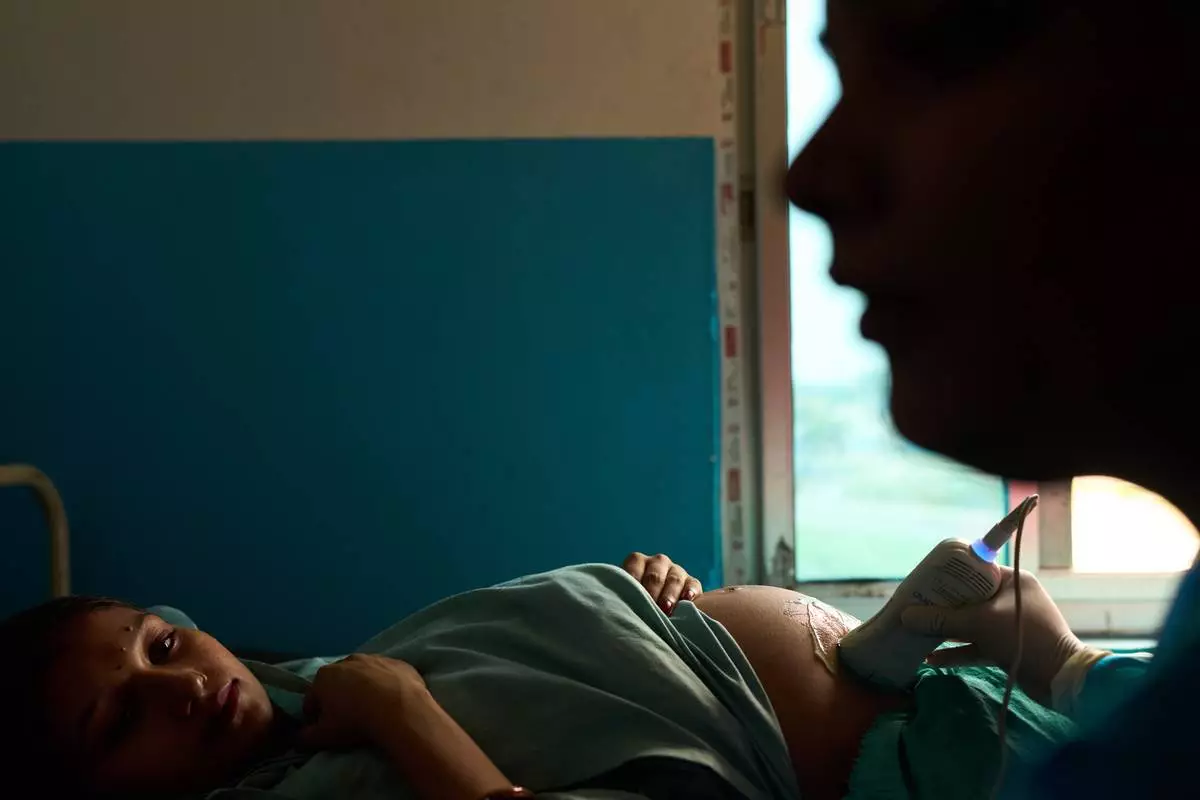
Anita Gupta, 20, receives an ultrasound in Gaur, Nepal, on May 20, 2026. (AP Photo/Bram Janssen)

Anita Gupta, 20, receives an ultrasound in Gaur, Nepal, on May 20, 2026. (AP Photo/Bram Janssen)

The U.S. State Department says it still supports programs in Nepal aimed at improving maternal and child health. But health workers, government officials, aid workers and families in Nepal say the funding cuts have had a devastating and deadly impact on pregnant women and babies.

Here’s what to know from AP’s report on the fallout of the funding cuts:

The decision by the Trump administration to dissolve USAID — once the world’s largest humanitarian donor — decimated nutrition programs for millions of pregnant women and children and left scores of birthing centers devoid of equipment, medicine and staff. The U.S. cuts, followed by foreign aid cuts from several other countries, forced 60%of women’s organizations to reduce their services, according to the World Health Organization.

In Nepal, the funding cuts eliminated nutrition programs that provided supplements and food items to impoverished pregnant women, and closed a program that equipped birthing centers and trained nurses, midwives and outreach workers. Those workers regularly visited pregnant women’s homes, explained the warning signs of complications and urged them to attend prenatal appointments, often escorting them there. That program reached 100,000 women and girls across Nepal in its first three years.

Because of cuts by the U.S. and other countries to foreign aid, the Gates Foundation has predicted that 2025 will be the first year this century where child deaths will increase.

In Nepal, the program closures meant many pregnant women have found it difficult to adequately feed themselves, and left them to navigate a medical system they struggle to trust or understand. As a result, pregnant women aren’t identifying complications fast enough, leading to emergencies, health workers and government officials say.

“The number of deaths of mothers, young mothers, during delivery has really increased,” says Mona Sherpa, country director for the aid group CARE Nepal, which lost more than half its funding from the U.S. cuts. “The expected number within a year is happening within four to six months.”

Babies, too, have increasingly died since the program closures. In the village of Prempur Gonahi, for example, it took just 10 months — a touch longer than a typical pregnancy — for newborns to begin dying again after the U.S. cuts, says the officer in charge, Sadho Baitha.

Before CARE’s program launched in Rautahat in December 2022, Baitha says, the village averaged 10 to 15 neonatal deaths per year. By 2024, records show, there were zero. But since the program’s cancelation, newborns have begun dying again; the first was in December, and four more followed by March.

Yet many deaths linked to the funding cuts will remain invisible, in part because the cuts themselves left scores of mortality data collectors jobless. In some places, there is simply no one left to count people who died.

Most of the women helped by these canceled programs are poor, uneducated and isolated. Even if they make it to a doctor, they often struggle to understand what the doctor is saying.

The outreach workers who operated under CARE’s program would frequently visit pregnant women’s homes, escort them to prenatal appointments and act as a mediator between the women and their doctors to ensure nothing was lost in translation.

Kabita Mukhiya, for example, was a 20-year-old uneducated woman living in a poor village near the India border. When she was pregnant, she experienced excruciating stomach pains, severe swelling and delirium. She was also starving; the U.S.-funded nutrition supplements and food she received in a previous pregnancy had been eliminated by the funding cuts. And the outreach workers who once visited her village to help pregnant women had stopped coming.

Not realizing her symptoms constituted an emergency, Mukhiya suffered at home for weeks before her aunt took her to the hospital. By then, it was too late: Both she and her unborn baby died.

Mukhiya died from complications of eclampsia, with severe anemia contributing significantly -- both conditions that can often be identified and managed through regular prenatal care, health workers say.

Rajkumari Patel, who worked as an outreach worker under CARE’s canceled program, says deaths like Mukhiya's were precisely what she and her colleagues had been trained to prevent.

“I would have asked her, ‘Is the baby kicking? When did you last feel movement?’ I would have checked for swelling in her hands and face. I would have looked at her eyes for signs of anemia,” Patel says. “These are the signs I would have noticed in Kabita and said, ‘This woman needs a hospital today -- not tomorrow.’ Maybe we could have saved her life.”
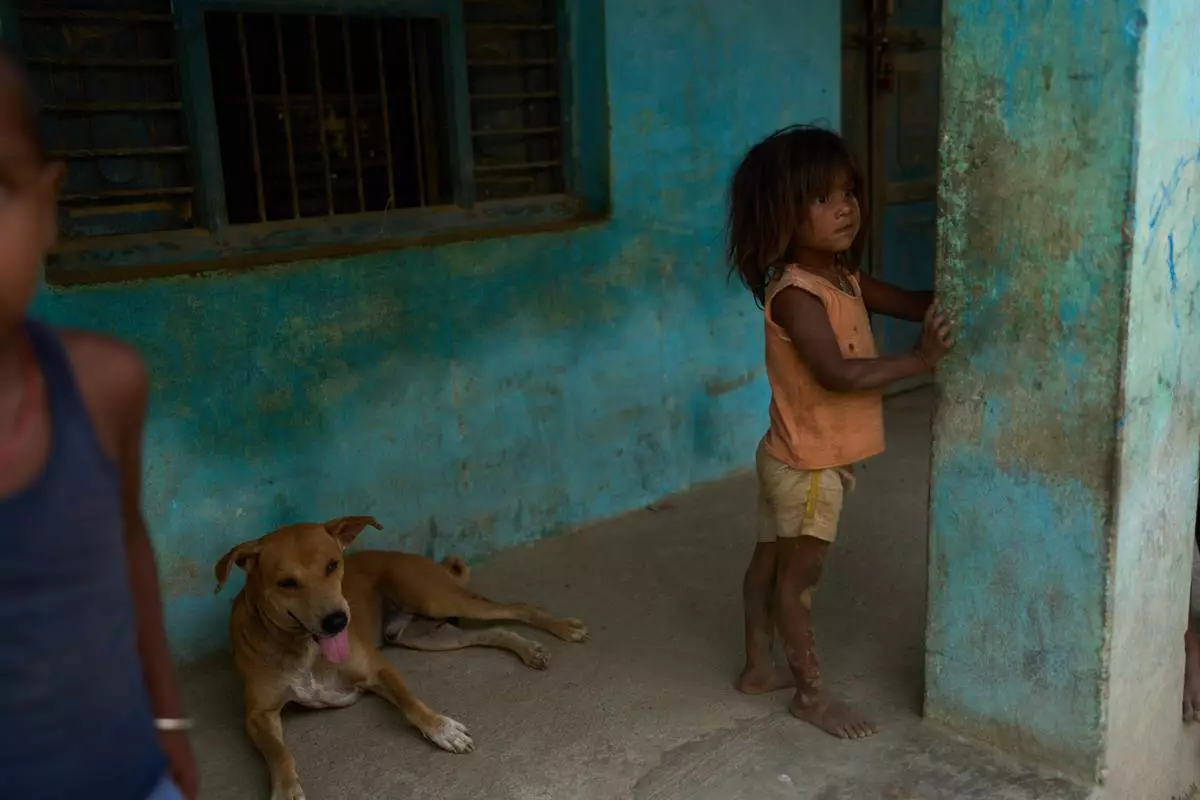
Children play in Gaur, Nepal, on May 19, 2026. (AP Photo/Bram Janssen)
Children play in Gaur, Nepal, on May 19, 2026. (AP Photo/Bram Janssen)

A woman receives an examination from a doctor inside a clinic in Gaur, Nepal, on May 20, 2026. (AP Photo/Bram Janssen)
A woman receives an examination from a doctor inside a clinic in Gaur, Nepal, on May 20, 2026. (AP Photo/Bram Janssen)

A photo of Kabita Mukhiya, who died during pregnancy, is displayed on a phone on May 19, 2026, in Gaur, Nepal. (AP Photo/Bram Janssen)
A photo of Kabita Mukhiya, who died during pregnancy, is displayed on a phone on May 19, 2026, in Gaur, Nepal. (AP Photo/Bram Janssen)

Lachhiya Devi sits with her 5-year-old granddaughter, Sonam Mukhiya, in her home in Gaur, Nepal, on May 19, 2026. Sonam's mother, Kabita Mukhiya, died in December while 28-weeks pregnant amid disruptions to nutrition programs and reproductive outreach services following last year's foreign aid cuts by the United States. (AP Photo/Bram Janssen)
Lachhiya Devi sits with her 5-year-old granddaughter, Sonam Mukhiya, in her home in Gaur, Nepal, on May 19, 2026. Sonam's mother, Kabita Mukhiya, died in December while 28-weeks pregnant amid disruptions to nutrition programs and reproductive outreach services following last year's foreign aid cuts by the United States. (AP Photo/Bram Janssen)

Anita Gupta, 20, receives an ultrasound in Gaur, Nepal, on May 20, 2026. (AP Photo/Bram Janssen)

Anita Gupta, 20, receives an ultrasound in Gaur, Nepal, on May 20, 2026. (AP Photo/Bram Janssen)
LUSAKA, Zambia (AP) — Zambians cast votes Thursday in a presidential election that will test whether President Hakainde Hichilema ’s economic reforms were enough to overcome widespread frustration over the cost of living.

Around 8 million people in the southern African country of 22 million are registered to vote in the one-day election. Voters will also choose members of Parliament and local government councilors. Results are expected Monday, according to the electoral commission.

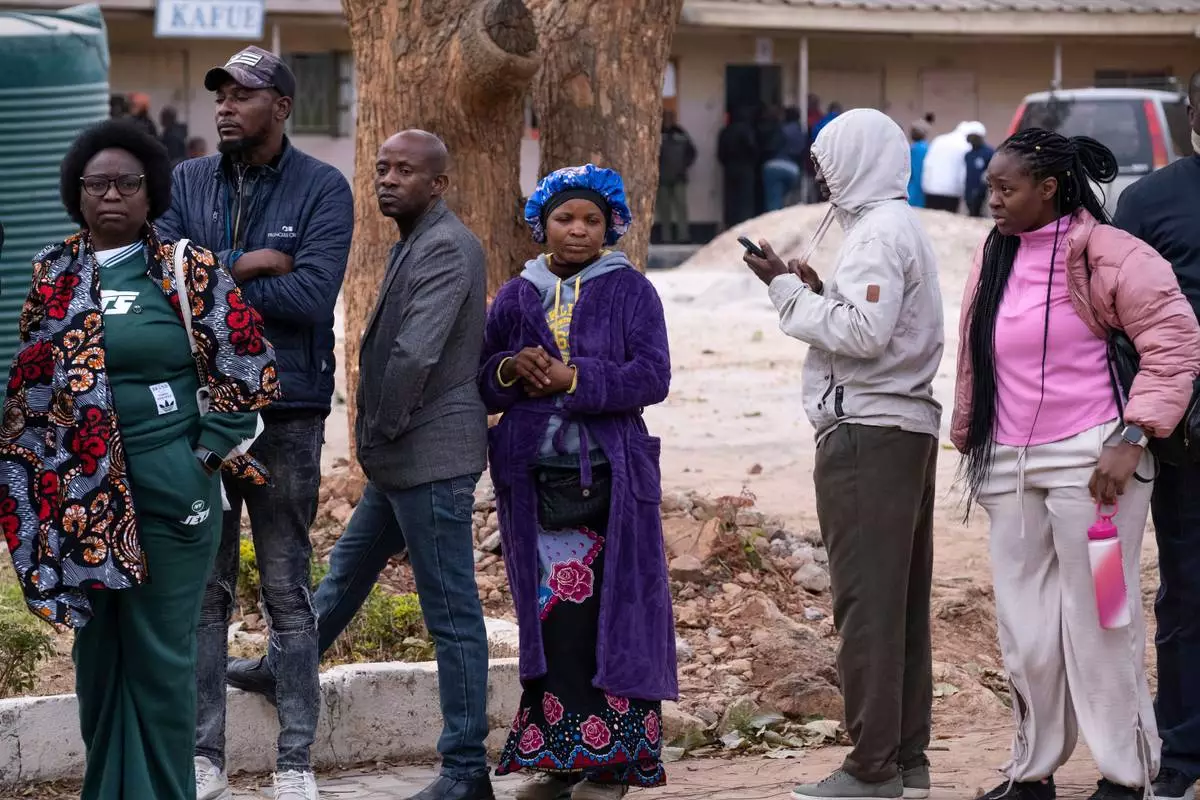
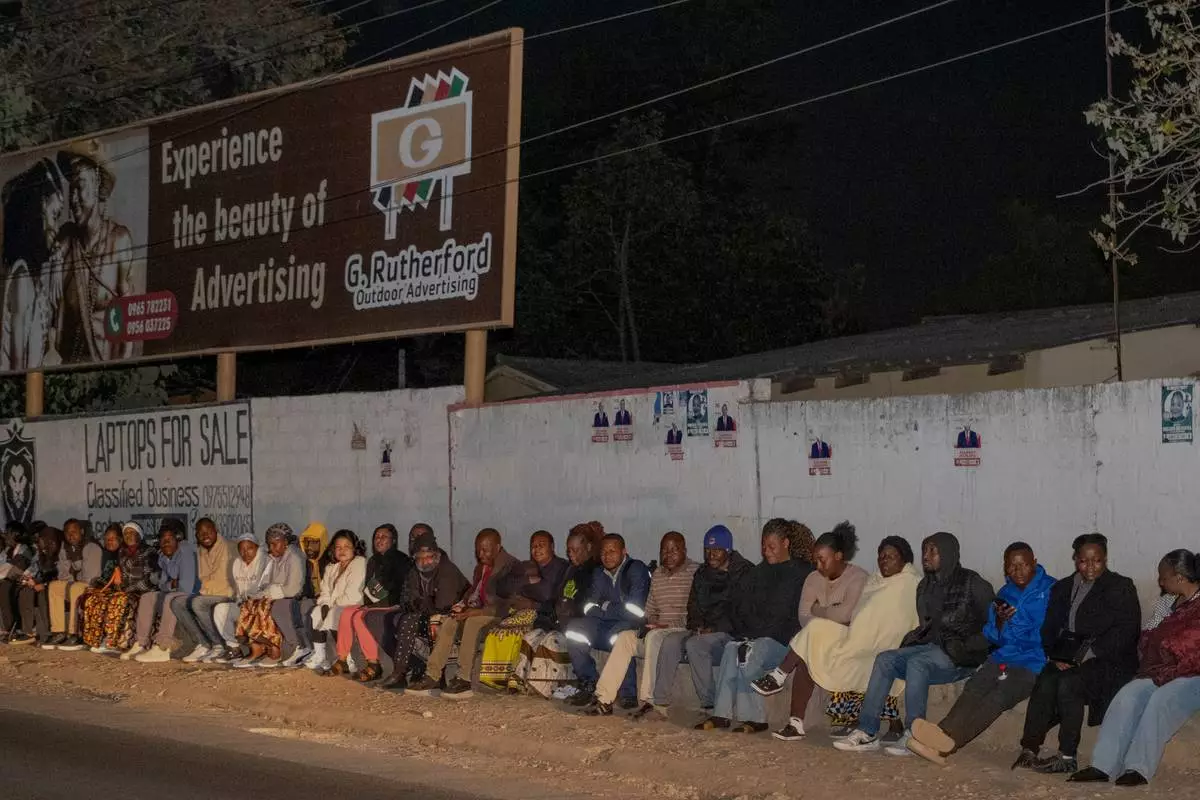
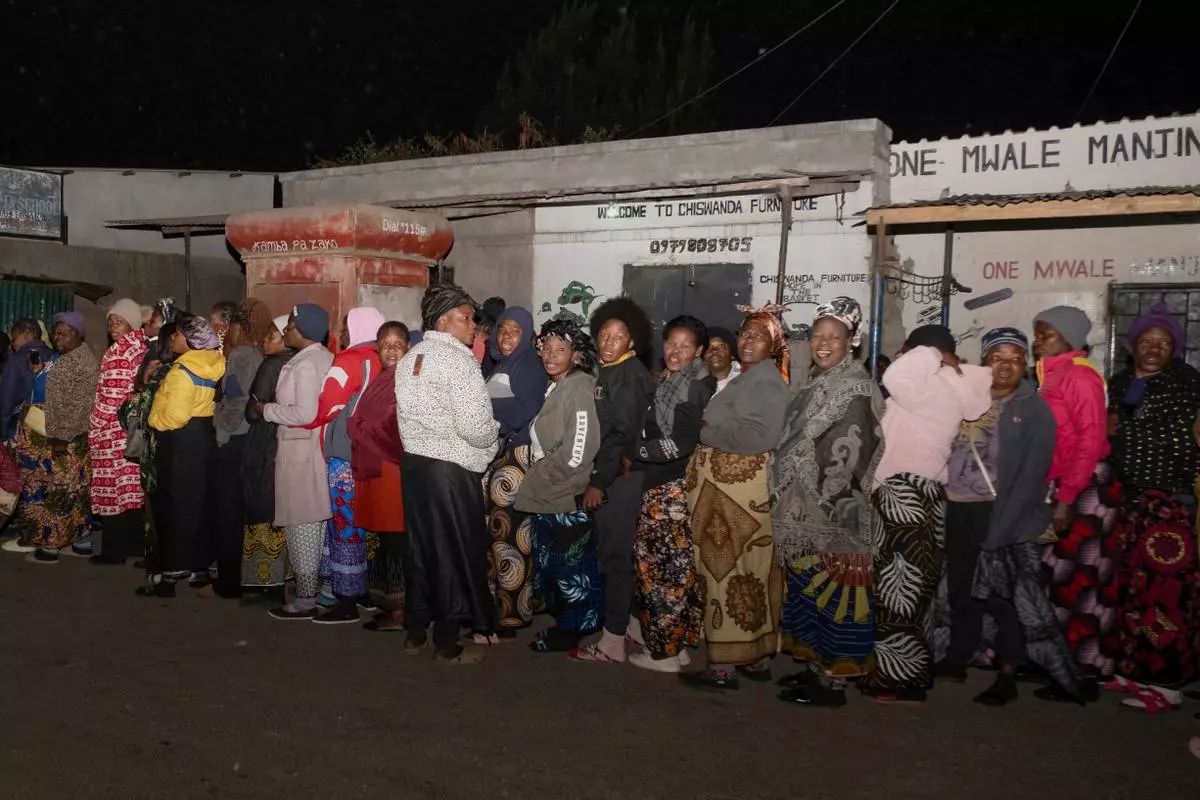
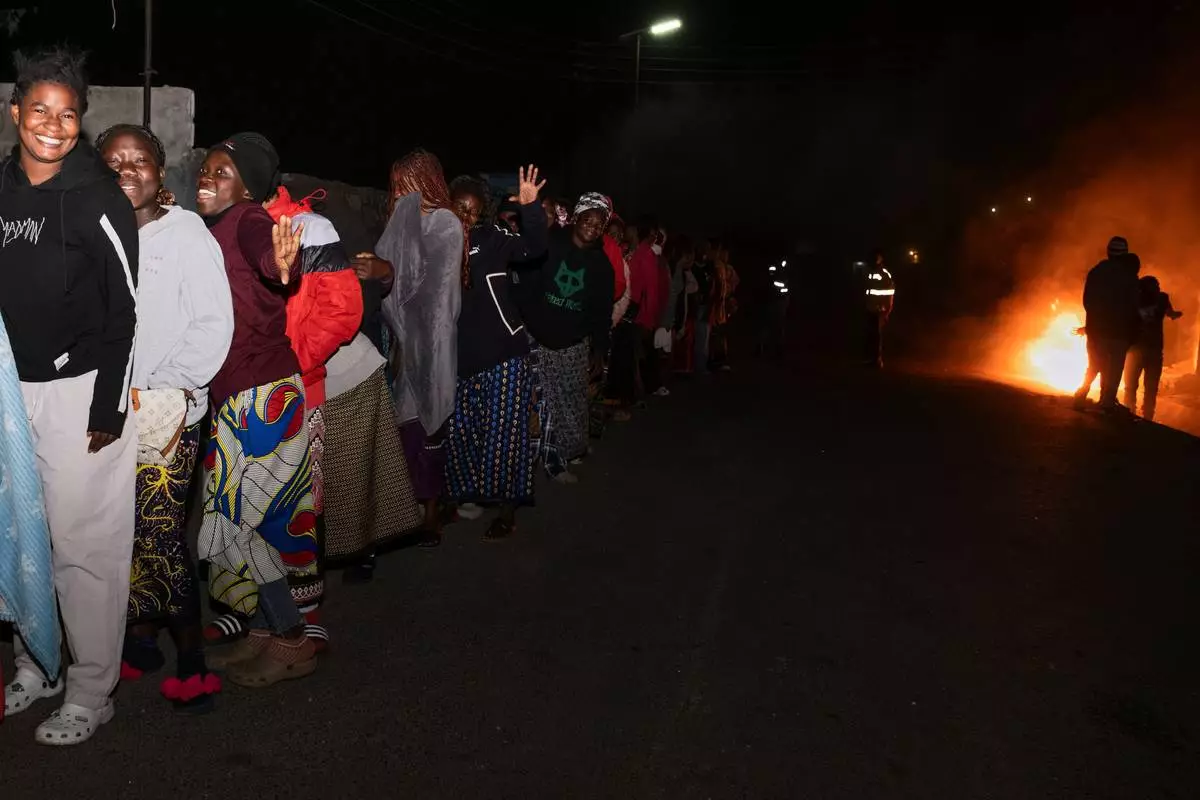
Voters bundled in thick jackets against the morning chill began forming long lines before dawn outside polling stations across Lusaka, the capital.

Some huddled around small makeshift fires while election officials arranged ballot boxes, checked voter lists and prepared polling stations.

European Union election observers watched the proceedings at one polling station in the capital. A local election observer said confusion over voter rolls, inadequate directions and poor crowd management at some polling stations caused delays and frustration that could discourage some people from voting.

Mathias Ngoma, in his 70s, said he has voted in every election he could because “it’s the only voice I have.”

“I braved the cold to choose leaders I am hoping will make things better in our constituency,” he said.

The election is widely seen as a referendum on Hichilema’s handling of the economy. He came to power in 2021 and is seeking a second term. He argues he inherited an economy in crisis and has overseen the restructuring of Zambia’s massive foreign debt, presided over economic growth and courted investors.

Hichilema says he needs another five years to create jobs, improve infrastructure and expand public services.

Many Zambians say they don’t feel the benefits as unemployment, food prices and an unstable electricity supply continue to strain household budgets.

Hichilema faces 13 other candidates, and his strongest challenger, analysts say, is Brian Mundubile, a politician who leads an alliance of opposition parties.

Mundubile has campaigned on promises to tackle the rising cost of living, improve agriculture, and restore freedoms while accusing Hichilema’s government of undermining democratic institutions.

Beene Siloka, a first-time voter, said casting her ballot was a proud moment despite some initial confusion about where to wait in line.

“I’ve cast my vote, and I’m proud,” she said. “It’s my first time voting, and we’re looking forward to greater things for Zambia.”

The election is being closely watched abroad because Zambia is a major copper producer seeking to sharply increase production of the metal, which is critical to electric vehicles, renewable energy and power grids.

China is Zambia’s largest foreign investor and has extensive mining interests in the country, while the United States has sought a greater role as Washington looks to diversify supplies of critical minerals and reduce its reliance on China. Hichilema has courted investment from both China and Western partners, including the U.S., as he seeks to increase annual copper production to 3 million metric tons by 2031.

Security and political tensions rose in the final days of the campaign. Police deployed additional officers and warned against violence, disruptions at polling stations and the circulation of false results.

Before casting his ballot, Hichilema urged Zambians to vote peacefully. “Today, the future of our nation is in your hands,” he wrote on X. “Please vote peacefully, respect one another and remember that we are One Zambia, One Nation.”

Opposition parties have accused Hichilema’s government of using state institutions to target political rivals, allegations the government rejects.

Amnesty International said ahead of the vote that Zambia had experienced a “growing pattern” of authoritarian practices that threatened freedoms of expression, assembly and the media, concerns the government has rejected.

The opposition's Tonse Alliance said a law enforcement raid on its offices days before the election was politically motivated.

Hichilema spent four months in jail on treason charges when he was an opposition leader under former President Edgar Lungu, whom he defeated in 2021.

Lungu remained an influential political figure until his death in South Africa last year. A prolonged dispute between his family and the government over his funeral and burial added to tensions ahead of the election.

A presidential candidate must win more than 50% of the vote to avoid a runoff.

Zambia has long been regarded as one of southern Africa’s more stable democracies, with a history of largely peaceful transfers of power. Hichilema’s victory in 2021 marked the country’s third transfer of power to an opposition candidate since multiparty democracy was restored in 1991.

Polls are expected to close at 1600 GMT.

Associated Press video journalist Alfonso Nqunjana in Lusaka, Zambia, contributed to this report.

AP Africa news: https://apnews.com/hub/africa AP Africa news: https://apnews.com/hub/africa

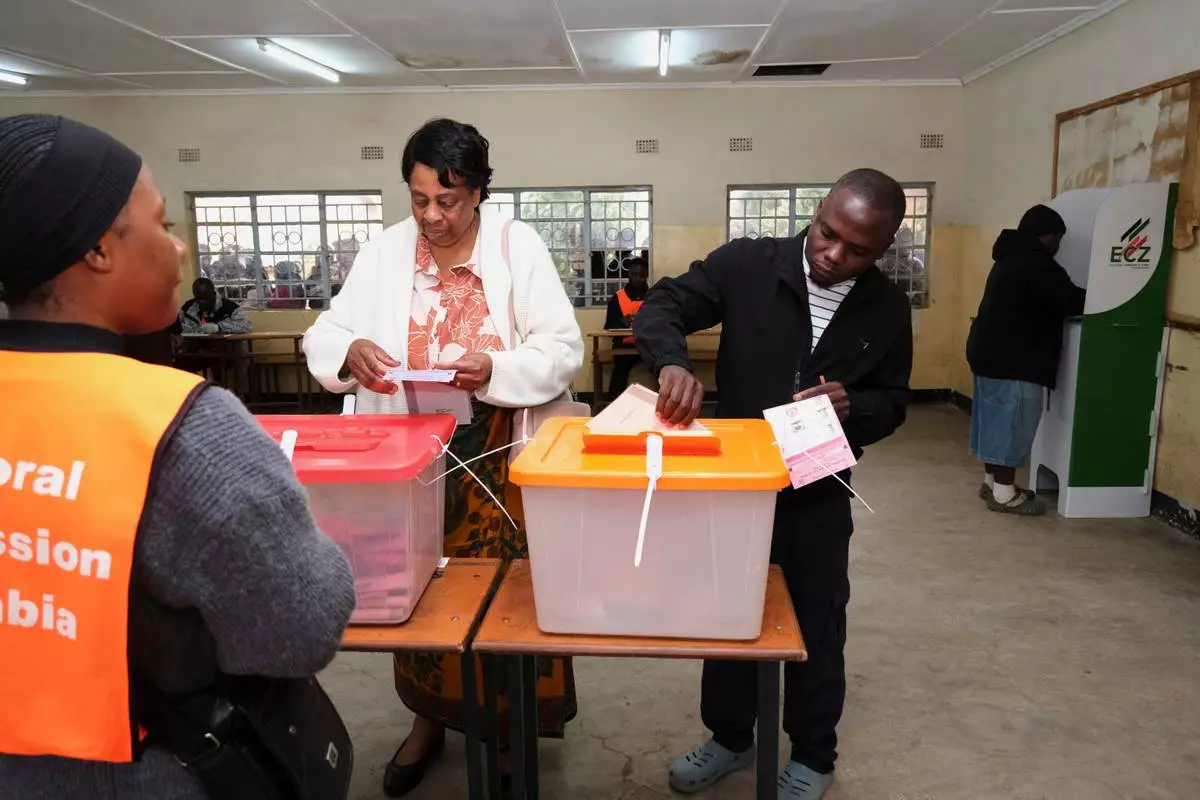
Zambians cast their vote at a polling station during a presidential election in Lusaka, Zambia, Thursday, Aug. 13, 2026. (AP Photo/Anita Reed)

Zambians cast their vote at a polling station during a presidential election in Lusaka, Zambia, Thursday, Aug. 13, 2026. (AP Photo/Anita Reed)

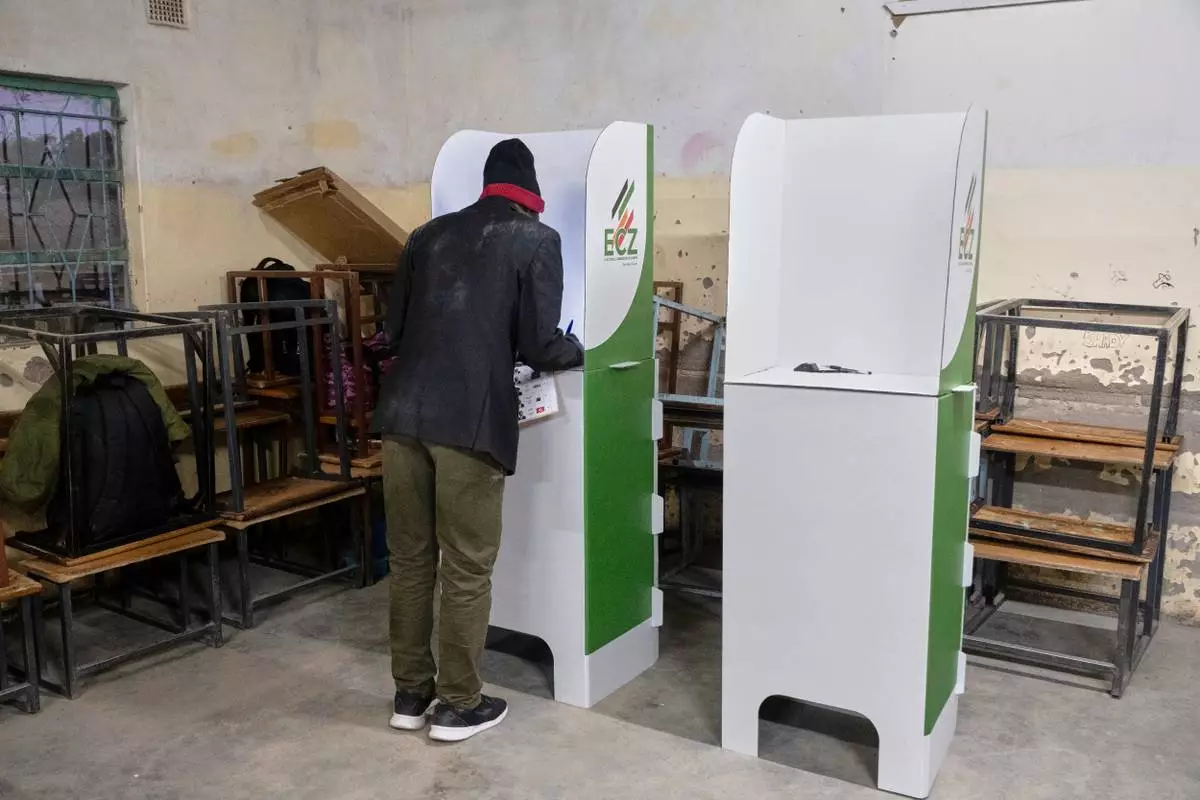
A man is seen in a voting booth at a polling station during a presidential election in Lusaka, Zambia, Thursday, Aug. 13, 2026. (AP Photo/Anita Reed)

A man is seen in a voting booth at a polling station during a presidential election in Lusaka, Zambia, Thursday, Aug. 13, 2026. (AP Photo/Anita Reed)

People queue up outside a polling station during a presidential election in Lusaka, Zambia, Thursday, Aug. 13, 2026. (AP Photo/Anita Reed)

People queue up outside a polling station during a presidential election in Lusaka, Zambia, Thursday, Aug. 13, 2026. (AP Photo/Anita Reed)

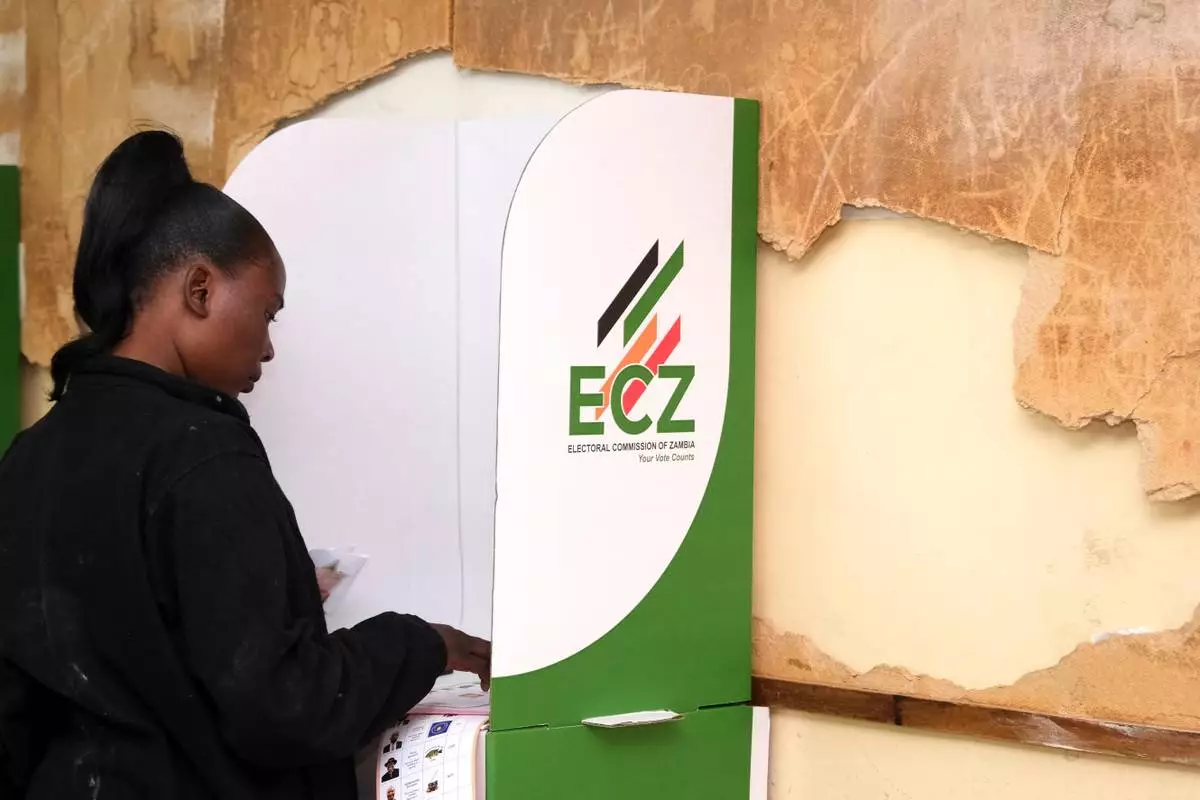
A woman is seen in a voting booth at a polling station in Lusaka, Zambia, Thursday, Aug. 13, 2026. (AP Photo/Anita Reed)

A woman is seen in a voting booth at a polling station in Lusaka, Zambia, Thursday, Aug. 13, 2026. (AP Photo/Anita Reed)

Zambians queue outside a polling station on the outskirts of Lusaka, Zambia, Thursday, Aug. 13, 2026. (AP Photo/Anita Reed)

Zambians queue outside a polling station on the outskirts of Lusaka, Zambia, Thursday, Aug. 13, 2026. (AP Photo/Anita Reed)

Zambians queue outside a polling station on the outskirts of Lusaka, Zambia, Thursday, Aug. 13, 2026. (AP Photo/Anita Reed)

Zambians queue outside a polling station on the outskirts of Lusaka, Zambia, Thursday, Aug. 13, 2026. (AP Photo/Anita Reed)

Zambians queue outside a polling station on the outskirts of Lusaka, Zambia, Thursday, Aug. 13, 2026. (AP Photo/Anita Reed)

Zambians queue outside a polling station on the outskirts of Lusaka, Zambia, Thursday, Aug. 13, 2026. (AP Photo/Anita Reed)

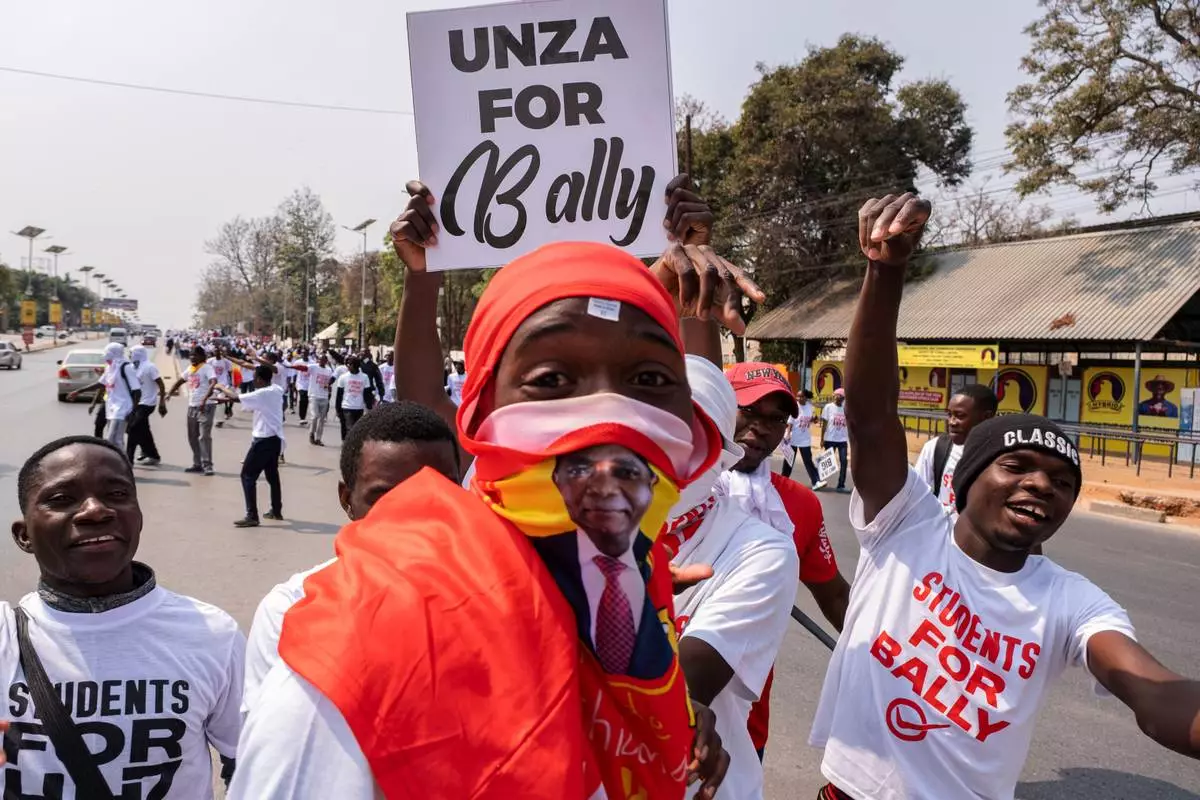
Supporters of Zambian incumbent President and United Party for National Development (UPND) presidential candidate Hakainde Hichilema campaign on the street in Lusaka, Zambia, Monday, Aug. 10, 2026. (AP Photo/Anita Reed)

Supporters of Zambian incumbent President and United Party for National Development (UPND) presidential candidate Hakainde Hichilema campaign on the street in Lusaka, Zambia, Monday, Aug. 10, 2026. (AP Photo/Anita Reed)

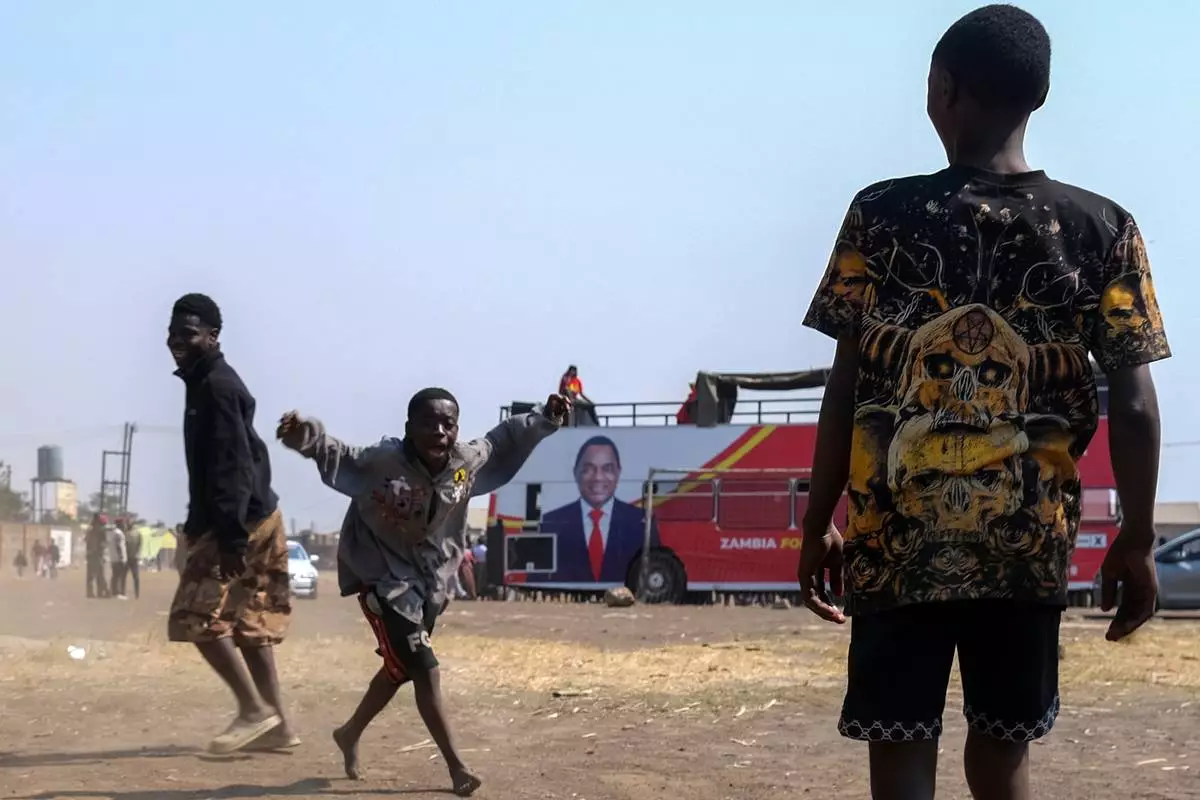
Supporters of Zambian incumbent President and United Party for National Development (UPND) presidential candidate Hakainde Hichilema attend a campaign rally on the outskirts of Lusaka, Zambia, Saturday, Aug. 8, 2026. (AP Photo/Anita Reed)

Supporters of Zambian incumbent President and United Party for National Development (UPND) presidential candidate Hakainde Hichilema attend a campaign rally on the outskirts of Lusaka, Zambia, Saturday, Aug. 8, 2026. (AP Photo/Anita Reed)

Recommended Articles