The heads of six Arab soccer federations expressed their “full support” and “confidence” in Gianni Infantino on Thursday as the embattled FIFA president fights to keep his job after his failed World Cup private investment plan.
The backing came from 2030 World Cup co-host Morocco, Qatar, Egypt, Mauritania, Lebanon and Sudan, with four of the signatories being FIFA council members.
“We, the undersigned leaders of our respective football associations, express our full support for Mr. Gianni Infantino, President of FIFA, and reaffirm our confidence in his leadership and continued commitment to the development of football worldwide,” the statement read.
“We deeply appreciate Mr. Infantino’s sustained efforts to advance football globally, expand opportunities across all regions and strengthen the game’s role in bringing people and communities together.”
The statement said the signatories “look forward to continuing our close cooperation with him towards a stronger and more prosperous future for world football, expanding opportunities and further enhancing Arab football’s contribution to the global game.”
Infantino is facing a revolt after his plan to sell stakes in the World Cup to private equity investors. He withdrew the $20 billion proposal after a furious backlash by global soccer officials, including European body UEFA, which has warned of a boycott of all FIFA games and events.
UEFA teamed up with CONCACAF — the confederation for North, Central America and the Caribbean — and the AFC — the confederation in Asia — and issued an open letter Monday saying Infantino’s plan was a “fundamental breach of trust” and described it as “deception.”
And on Thursday, the Football Association of Ireland said in a statement it has withdrawn its support for Infantino to be re-elected as FIFA president in March, saying “recent events have raised significant concerns regarding governance, transparency and the lack of meaningful consultation.”
The soccer federations in England and Wales did the same last week, while Northern Ireland said it was backing UEFA's stance.
By expressing support for Infantino, Qatar and Lebanon aligned against the Asian Football Confederation. Infantino’s official Instagram account previously has posted letters of support from several member federations, including Morocco, Qatar and the United Arab Emirates.
The four FIFA council members among the signatories were Qatar Football Association president Sheikh Hamad bin Khalifa Al Thani, Egyptian Football Association president Hany Abo Rida, Moroccan Football Federation president Fouzi Lekjaa and Mauritanian Football Federation president Ahmed Yahya.
The other two were Lebanese Football Association president Hashem Haidar and Moatasem Gafar, president of the Sudan Football Association.
Infantino has been FIFA president since 2016 and seemed sure to be re-elected unopposed next year in Morocco.
FIFA has set a Nov. 18 deadline for challengers to come forward.
See AP’s full soccer coverage here

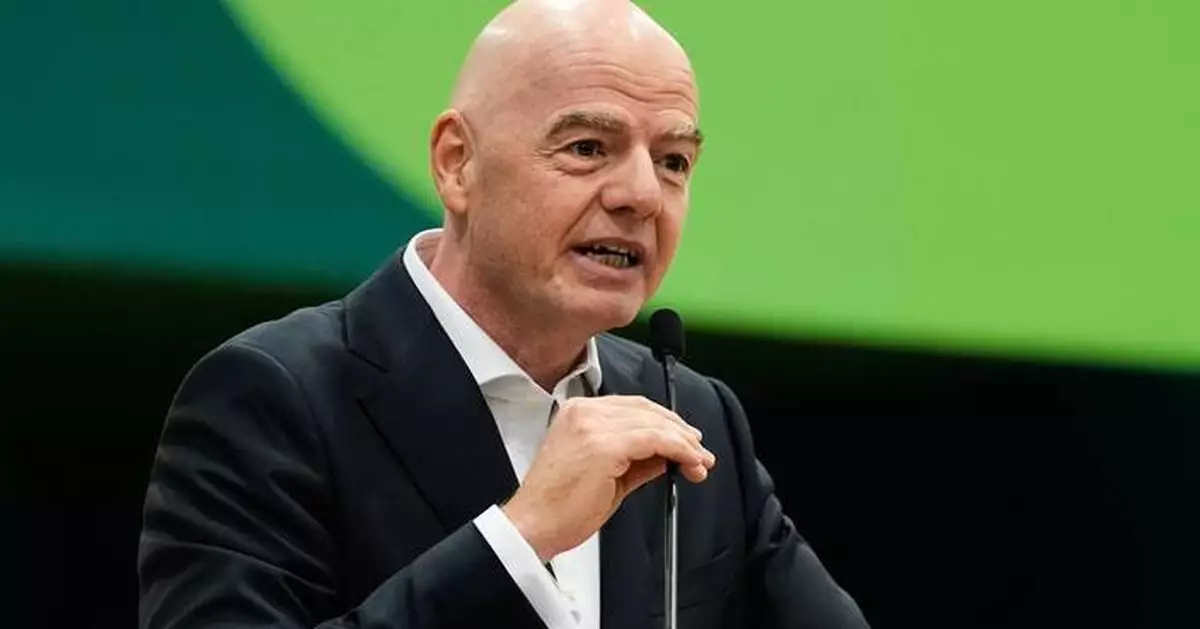
FIFA President Gianni Infantino arrives for the inauguration of Colombia's new president Abelardo de la Espriella in Cali, Colombia, Friday, Aug. 7, 2026. (AP Photo/Santiago Saldarriaga)
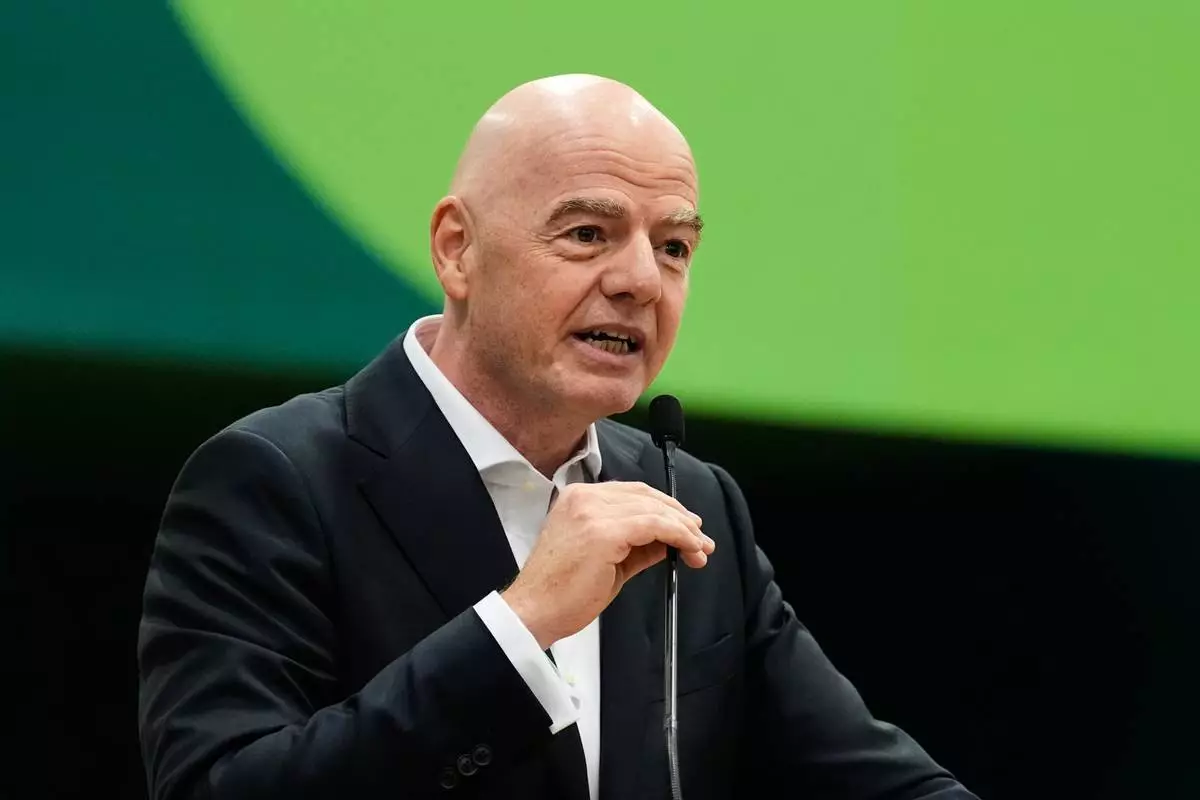
FILE - FIFA President Gianni Infantino makes comments during the opening ceremony of the International Broadcast Center, June 1, 2026, in Dallas. (AP Photo/Tony Gutierrez, File)
GAUR, Nepal (AP) — The United States’ decision to slash its foreign aid program has led to an increase in deaths of pregnant women and babies in Nepal, The Associated Press has found.
The decision by U.S. President Donald Trump’s administration to eliminate the United States Agency for International Development last year gutted maternal and child health programs worldwide. In Nepal, the funding cuts led to the closure of nutrition and reproductive outreach programs designed to save mothers’ and babies’ lives.
The U.S. State Department says it still supports programs in Nepal aimed at improving maternal and child health. But health workers, government officials, aid workers and families in Nepal say the funding cuts have had a devastating and deadly impact on pregnant women and babies.
Here’s what to know from AP’s report on the fallout of the funding cuts:
The decision by the Trump administration to dissolve USAID — once the world’s largest humanitarian donor — decimated nutrition programs for millions of pregnant women and children and left scores of birthing centers devoid of equipment, medicine and staff. The U.S. cuts, followed by foreign aid cuts from several other countries, forced 60%of women’s organizations to reduce their services, according to the World Health Organization.
In Nepal, the funding cuts eliminated nutrition programs that provided supplements and food items to impoverished pregnant women, and closed a program that equipped birthing centers and trained nurses, midwives and outreach workers. Those workers regularly visited pregnant women’s homes, explained the warning signs of complications and urged them to attend prenatal appointments, often escorting them there. That program reached 100,000 women and girls across Nepal in its first three years.
Because of cuts by the U.S. and other countries to foreign aid, the Gates Foundation has predicted that 2025 will be the first year this century where child deaths will increase.
In Nepal, the program closures meant many pregnant women have found it difficult to adequately feed themselves, and left them to navigate a medical system they struggle to trust or understand. As a result, pregnant women aren’t identifying complications fast enough, leading to emergencies, health workers and government officials say.
“The number of deaths of mothers, young mothers, during delivery has really increased,” says Mona Sherpa, country director for the aid group CARE Nepal, which lost more than half its funding from the U.S. cuts. “The expected number within a year is happening within four to six months.”
Babies, too, have increasingly died since the program closures. In the village of Prempur Gonahi, for example, it took just 10 months — a touch longer than a typical pregnancy — for newborns to begin dying again after the U.S. cuts, says the officer in charge, Sadho Baitha.
Before CARE’s program launched in Rautahat in December 2022, Baitha says, the village averaged 10 to 15 neonatal deaths per year. By 2024, records show, there were zero. But since the program’s cancelation, newborns have begun dying again; the first was in December, and four more followed by March.
Yet many deaths linked to the funding cuts will remain invisible, in part because the cuts themselves left scores of mortality data collectors jobless. In some places, there is simply no one left to count people who died.
Most of the women helped by these canceled programs are poor, uneducated and isolated. Even if they make it to a doctor, they often struggle to understand what the doctor is saying.
The outreach workers who operated under CARE’s program would frequently visit pregnant women’s homes, escort them to prenatal appointments and act as a mediator between the women and their doctors to ensure nothing was lost in translation.
Kabita Mukhiya, for example, was a 20-year-old uneducated woman living in a poor village near the India border. When she was pregnant, she experienced excruciating stomach pains, severe swelling and delirium. She was also starving; the U.S.-funded nutrition supplements and food she received in a previous pregnancy had been eliminated by the funding cuts. And the outreach workers who once visited her village to help pregnant women had stopped coming.
Not realizing her symptoms constituted an emergency, Mukhiya suffered at home for weeks before her aunt took her to the hospital. By then, it was too late: Both she and her unborn baby died.
Mukhiya died from complications of eclampsia, with severe anemia contributing significantly -- both conditions that can often be identified and managed through regular prenatal care, health workers say.
Rajkumari Patel, who worked as an outreach worker under CARE’s canceled program, says deaths like Mukhiya's were precisely what she and her colleagues had been trained to prevent.
“I would have asked her, ‘Is the baby kicking? When did you last feel movement?’ I would have checked for swelling in her hands and face. I would have looked at her eyes for signs of anemia,” Patel says. “These are the signs I would have noticed in Kabita and said, ‘This woman needs a hospital today -- not tomorrow.’ Maybe we could have saved her life.”
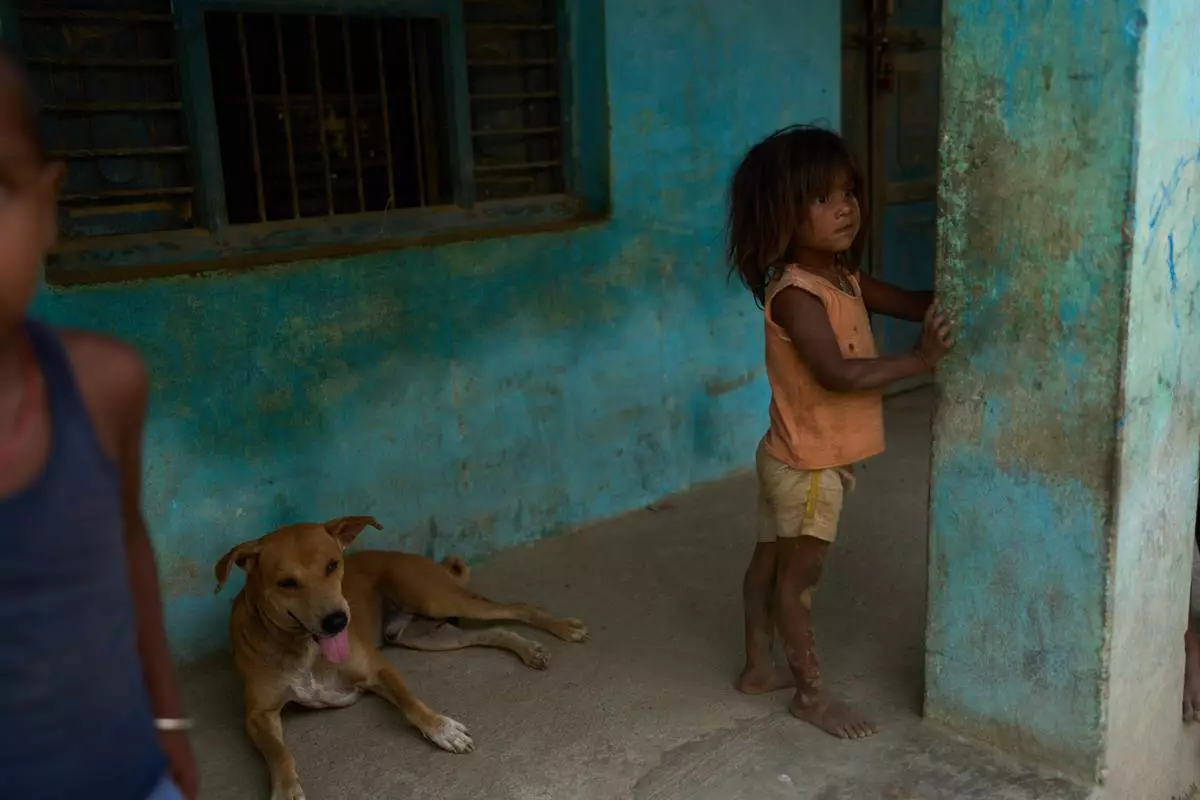
Children play in Gaur, Nepal, on May 19, 2026. (AP Photo/Bram Janssen)
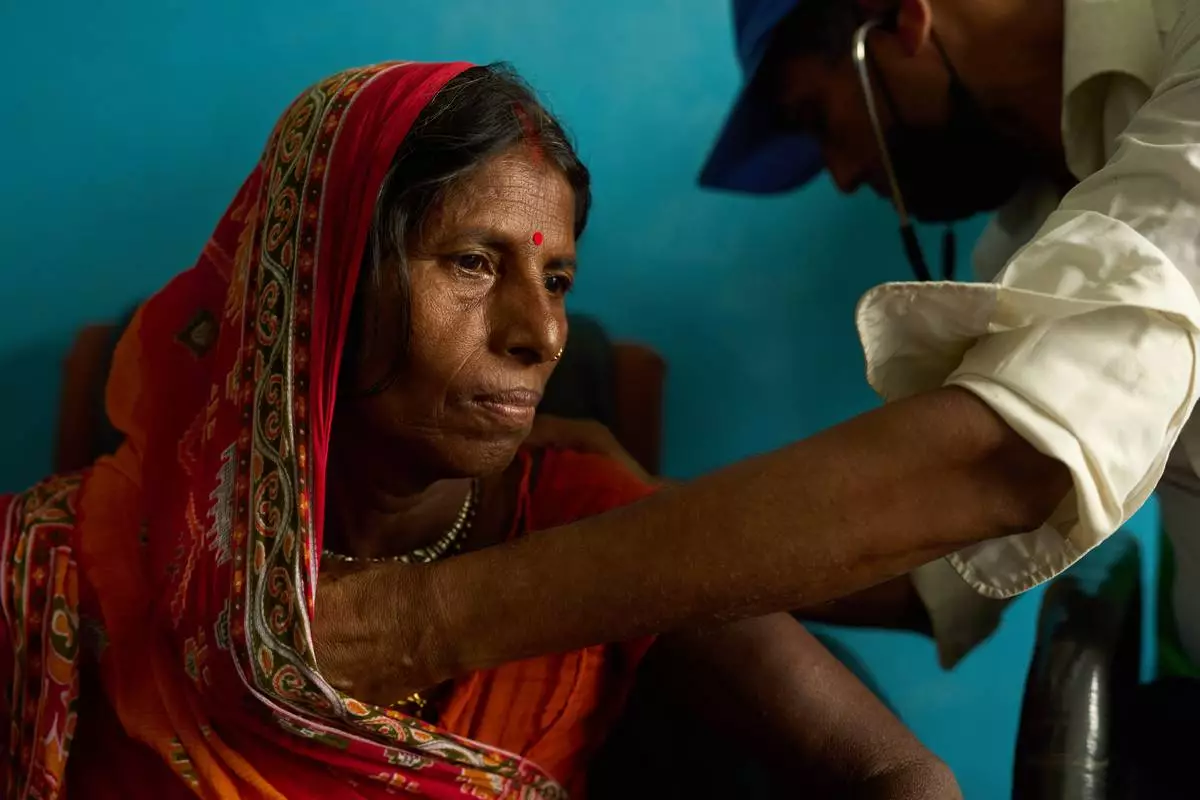
A woman receives an examination from a doctor inside a clinic in Gaur, Nepal, on May 20, 2026. (AP Photo/Bram Janssen)
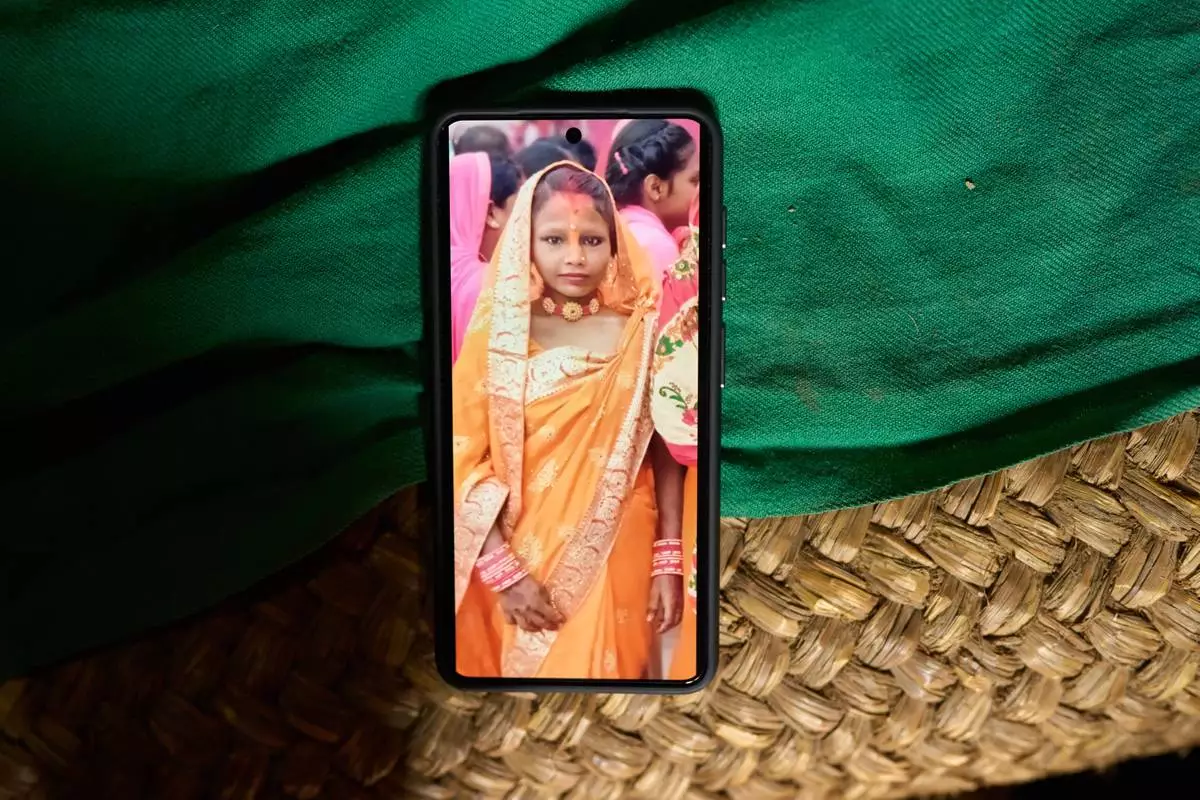
A photo of Kabita Mukhiya, who died during pregnancy, is displayed on a phone on May 19, 2026, in Gaur, Nepal. (AP Photo/Bram Janssen)
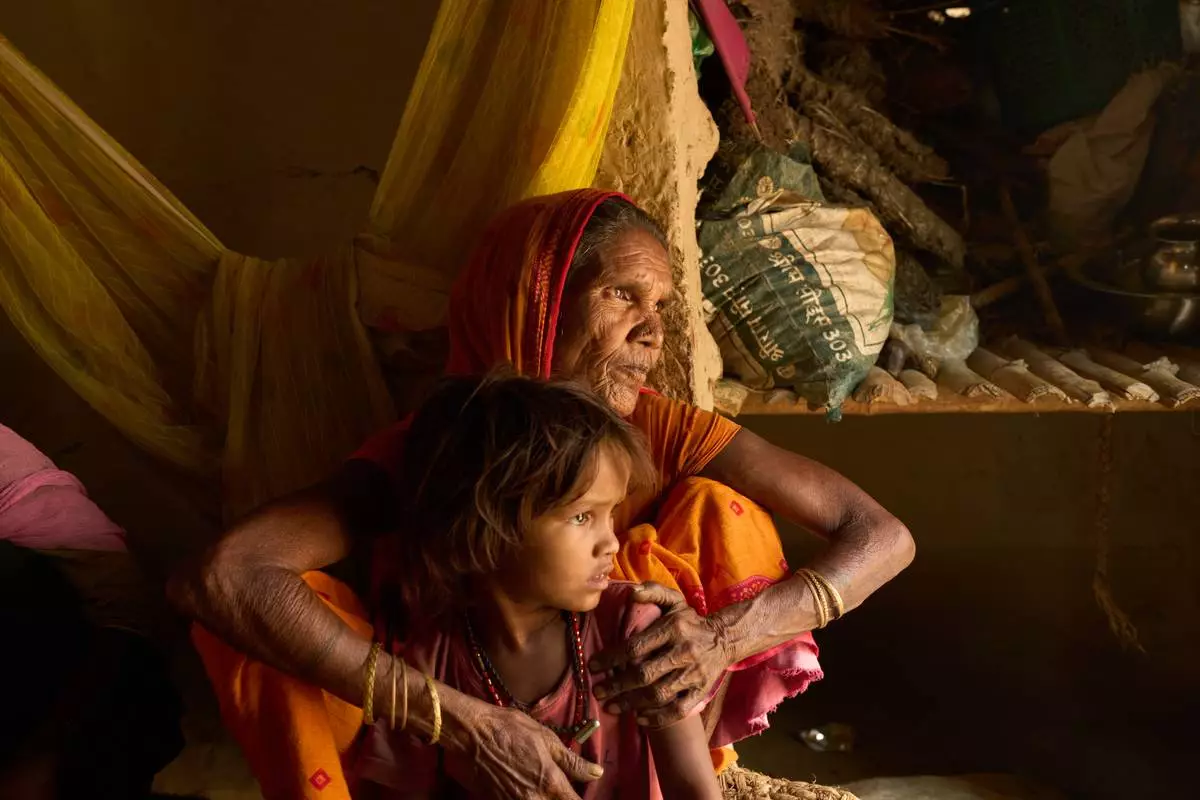
Lachhiya Devi sits with her 5-year-old granddaughter, Sonam Mukhiya, in her home in Gaur, Nepal, on May 19, 2026. Sonam's mother, Kabita Mukhiya, died in December while 28-weeks pregnant amid disruptions to nutrition programs and reproductive outreach services following last year's foreign aid cuts by the United States. (AP Photo/Bram Janssen)
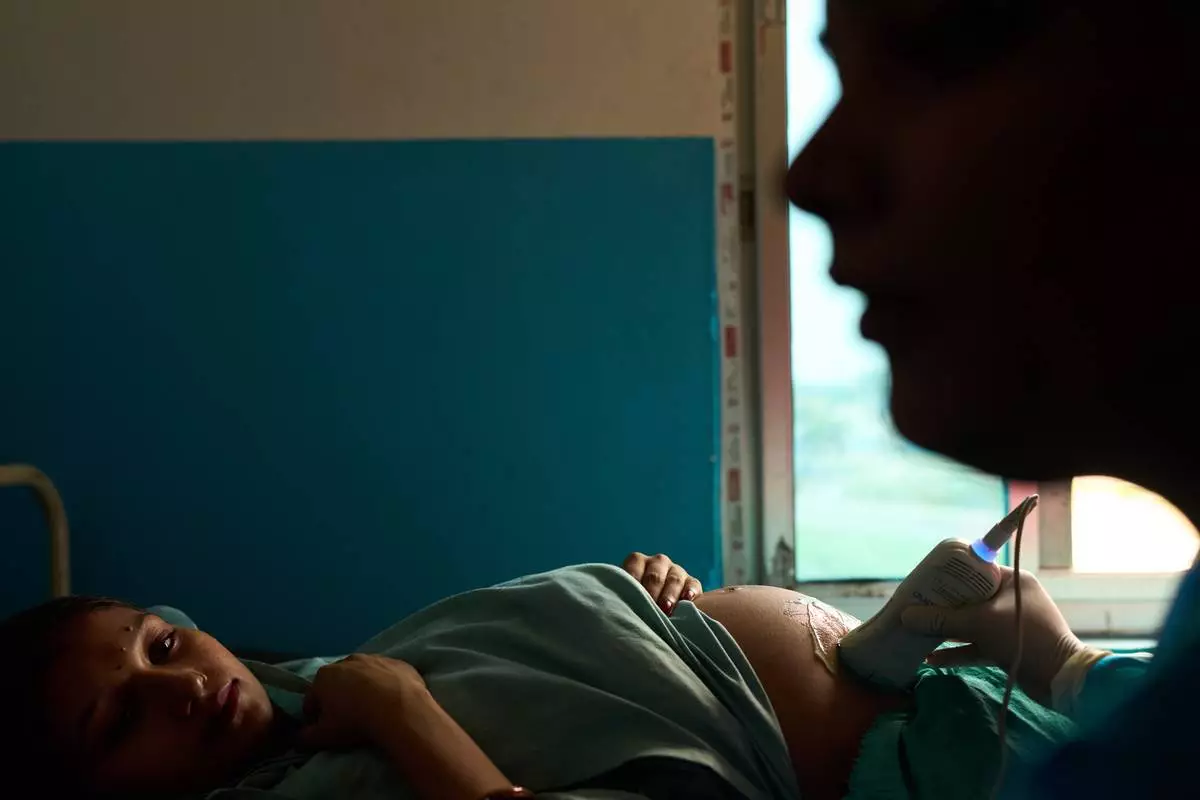
Anita Gupta, 20, receives an ultrasound in Gaur, Nepal, on May 20, 2026. (AP Photo/Bram Janssen)