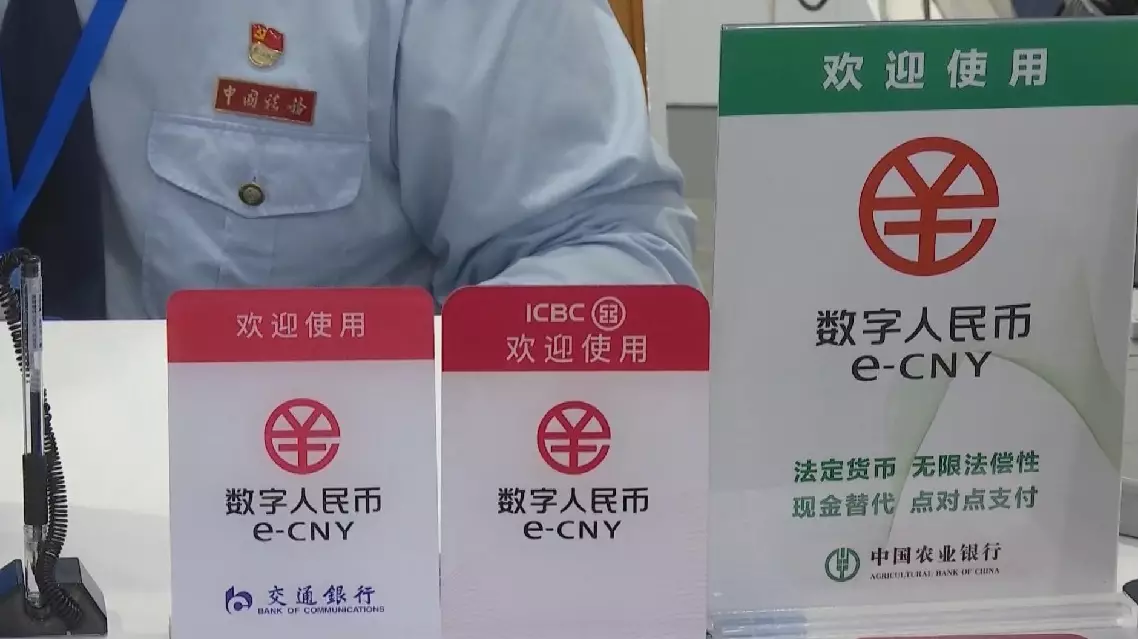
China's central bank announced on Monday that it has added eight banks to its list of authorized institutions for digital yuan operations, in a step to promote the steady development of the digital currency.
The move aims to improve the inclusiveness of digital yuan services, and meet public demand for secure, convenient and efficient digital yuan services, according to the People's Bank of China (PBOC).
The newly added operators, including Ping An Bank, Hengfeng Bank, China Bohai Bank, Bank of Shanghai, Bank of Hangzhou, Huishang Bank, Bank of Changsha, and Guangxi Beibu Gulf Bank, will be linked to the central bank's digital yuan system.
They will start offering digital yuan services after operational and technical preparations have been completed.
This expansion has brought the number of operating institutions for digital yuan business to 30.
The PBOC began research on digital currency in 2014, and pilot programs were first launched in late 2019. Since then, domestic and cross-border trials have seen the digital yuan adopted across a wide range of daily uses, including retail transactions, dining, tourism, education, healthcare, public services, and cross-border settlements that make life easier for foreign visitors.
In October 2025, the PBOC announced that it will support more commercial banks to become authorized operators of digital yuan services, ending a pause of more than two years since Industrial Bank became the 10th such operator in 2022.
In April 2026, the PBOC added 12 banks as new operators of digital yuan at one stroke, with city commercial banks joining the list for the first time.
The central bank said it will continue to expand the number of operators in order to build an open, inclusive and fair competition environment for the development of the digital yuan.
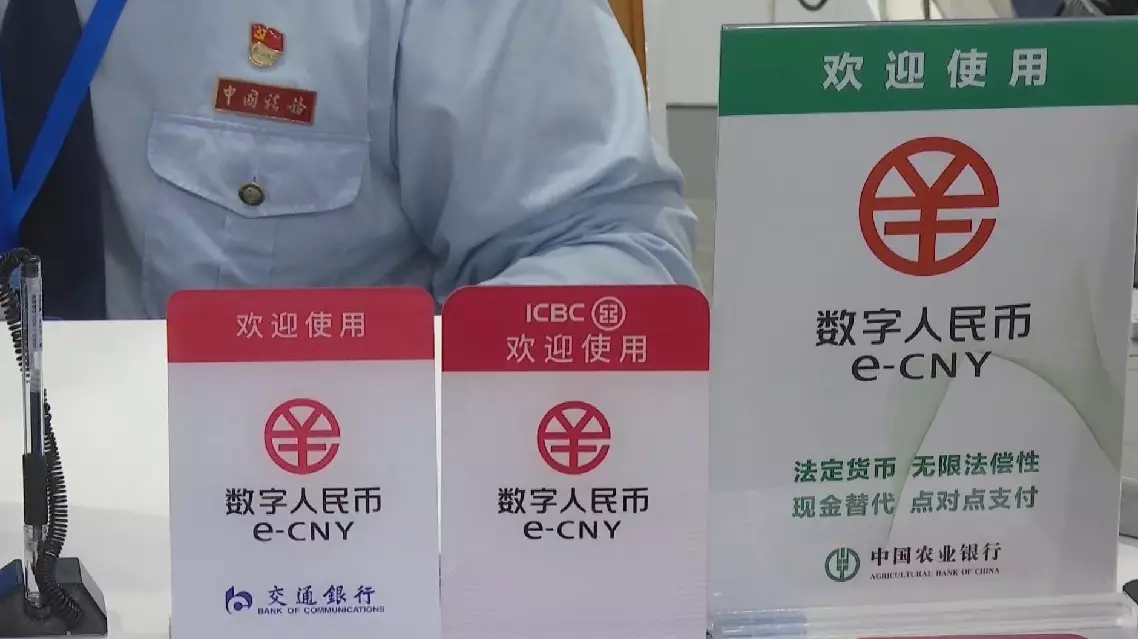
China's central bank adds 8 banks as digital yuan operators
China's central bank adds 8 banks as digital yuan operators
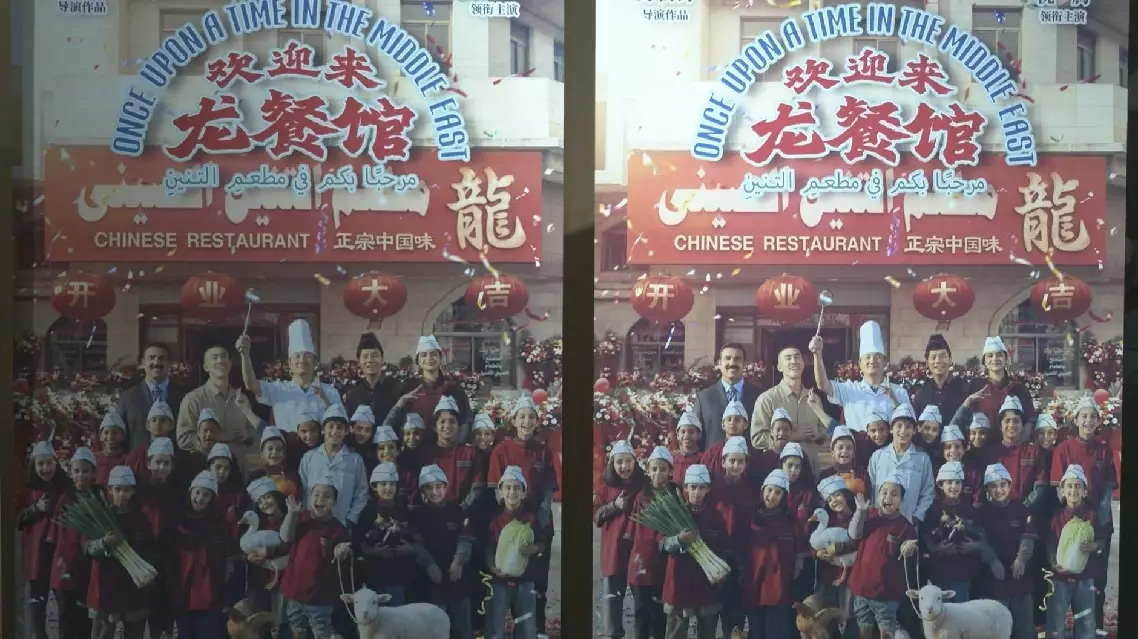
China's box office boom is continuing as film fans head out to catch a series of big summer releases with the much-acclaimed anti-war film "Once Upon a Time in the Middle East" proving a major hit among moviegoers as it surged past the one-billion-yuan (about 148.35 million U.S. dollars) mark just a week after opening.
The country is in the midst of its summer box office season, which officially runs from June 1 to August 31 and is seen as one of the most lucrative periods of the year for the cinema sector.
Amid this ongoing film frenzy, daily box office revenue has exceeded 100 million yuan for 38 consecutive days, with the total summer box office takings now surpassing 10.2 billion yuan (over 1.5 billion U.S. dollars).
This means China's total 2026 annual box office revenue, including pre-sales, has now exceeded 26 billion yuan (about 3.85 billion U.S. dollars), according to data from online ticketing platforms.
The surge in footfall at cinemas in recent days has been driven by the release of the domestically-produced drama "Once Upon a Time in the Middle East," which opened nationwide on Aug. 11.
The film, which tells the story of an ordinary cook in a Chinese restaurant in war-torn Iraq in 2003, has drawn positive feedback for both its perspective on war and vivid portrayal of life in the Middle East.
After grossing over one billion yuan in just eight days since its release, the movie now ranks fourth on the 2026 summer box office chart, while it has also scored as high as 9.9 points on Chinese online ticketing platforms, the highest rating for any domestic film in the past three years.
Rather than relying on grand battle scenes, the story is set almost entirely in a small Chinese restaurant, giving it an intimate feel, while its depiction of food as also whetted viewers' appetites. It adopts the humble viewpoint of chef Xu Fu, and portrays the struggles and sufferings of ordinary people trapped in the midst of conflict, exploring themes of survival, compassion and the value of peace.
The movie's success highlights the rising standards of China's fast-expanding film industry. The set was constructed at the China Movie Metropolis in the eastern Shandong Province, one of the country's key bases for industrialized film production, where an entire street block was built to resemble the bustling commercial atmosphere of the downtown area depicted in the film.
China's box office boom continues as anti-war film breaks one-billion-yuan mark