The midterms are less than three months away. A new Financial Times poll, out August 16, shows over 53% of registered voters, among them 25% were Republicans, say their finances have worsened since Trump returned to the White House January last year.

55% disapprove of Trump's performance. Among them 20% are Republicans.
One factor is the US-Iran war and other issues that keep pushing up fuel prices and other consumer costs.
The poll also shows Democrats with a clear advantage. While 45% favor Republicans, 51% of Americans say they'll vote for a Democratic candidate in the November midterms.
On jobs and the economy, voters trust Democrats more than Republicans.
For Trump and the Republican Party, this is a blaring alarm. Republicans believe it was voter trust on these issues that powered Trump’s 2024 victory. That trust is now eroding.
The nonpartisan London-based firm Focaldata conducted the poll from August 7 to 10, surveying 1,913 registered voters.
The results are stark: 53% of registered voters say their living conditions have worsened under Trump. That includes nearly 57% of independents and almost a quarter of Republicans.
Nearly two-thirds of respondents say the US economy is on the wrong track.
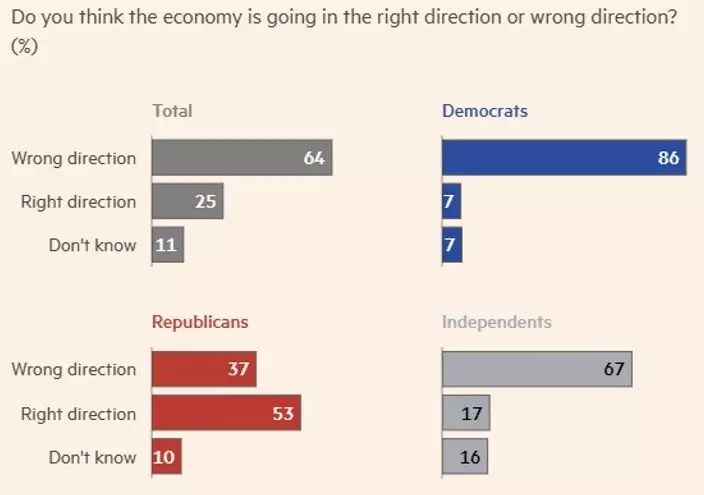
53% say their living conditions have worsened under Trump. Nearly two-thirds say the economy is on the wrong track.
Trump's Approval Tanks
Voters are handing Democrats the advantage on the issues that hit kitchen tables hardest: inflation, cost of living, jobs, and the economy. It's a brutal verdict on Trump's economic stewardship.
And Trump's numbers on inflation and cost of living? Abysmal. A full 64% disapprove. That includes nearly 70% of independents and about a third of his own Republicans.
The reality is stark. US inflation hit 3.4% in July.
High prices are forcing millions of Americans to slash spending. Consumer confidence has cratered, sinking near historic lows.
And wages fell in July, according to US government data.
Trump's overall approval is just as grim. A full 55% of Americans disapprove of his performance. That includes nearly one in five Republicans.
Here's a flashing red light for the White House: Trump's net approval among Republicans (the share satisfied minus those opposed) has plunged 8 points in just one month.
Midterm Reckoning and the War Factor
Trump won't be on the ballot in November. But the midterms are widely seen as a national referendum on his leadership.
Democrats need to win just four seats in the Senate and four in the House to seize control of Congress next year.
If they pull it off, they can block any partisan legislation for the next two years. That would gut the Republican agenda, leaving it virtually powerless except through executive actions by the president and his cabinet.
According to reports, polls have been telling a consistent story for months: Democrats are likely to retake the House. The Senate? That's a tougher climb.
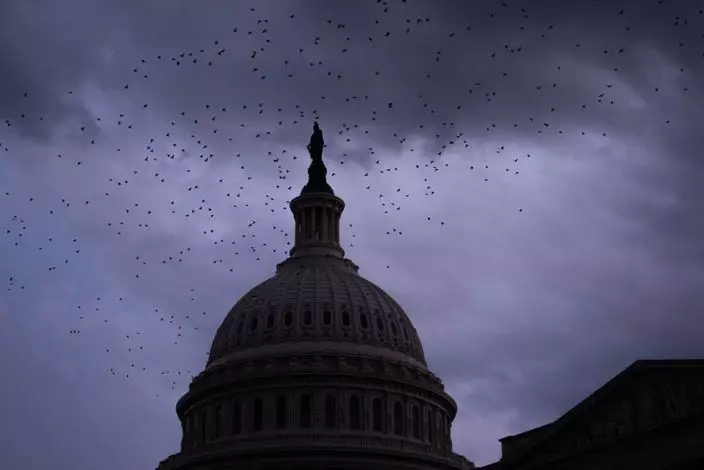
A string of recent polls shows Democrats could retake the House.
And then there's the war. A Reuters survey found Americans' support for a war with Iran is extremely low. The vast majority believe Trump has failed to clarify his goals or strategy.
Deep Throat
** 博客文章文責自負,不代表本公司立場 **
A whistleblower is dead. Britain's The Banker magazine reported on October 2 that Simon Andriesz, a former British banker, died by suicide. He was 57.
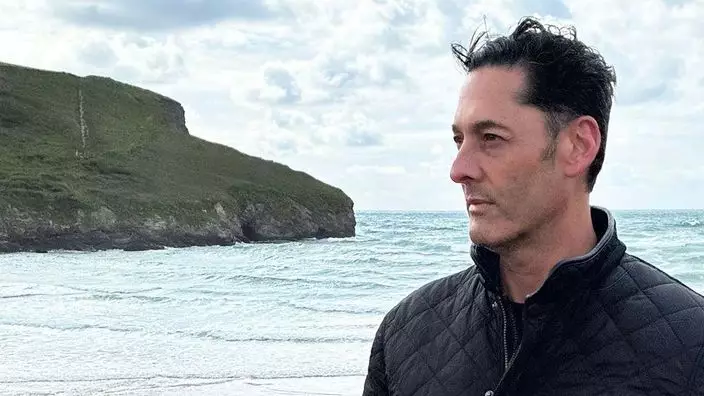
Ex-banker whistleblower Simon Andriesz dead by suicide at 57.
The Evidence Left Behind
Andriesz had spent more than 35 years in the financial markets. He previously served as a managing director at Wall Street's BGC Group. The firm's CEO at the time: Howard Lutnick, now the US Commerce Secretary.
The news instantly sent shockwaves through international opinion. The reason? According to reports, Andriesz held evidence of a key connection between Lutnick and sex offender Jeffrey Epstein.
Andy Agathangelou, founder of the Transparency Task Force, confirmed Andriesz's death.
The organization had joined Andriesz in blowing the whistle on Lutnick's past business dealings with Epstein. Andriesz tracked down a 2018 email chain using Lutnick's initials.
Andriesz had already taken his story to the BBC. He said he discovered evidence that Lutnick failed to disclose his business relationship with Epstein. He also found a 2018 email in which Lutnick and Epstein discussed the prospects of a digital advertising startup they were both involved in.
The BBC aired the program in July under its "File 4 Investigation" banner. Its title: "The Epstein Files: Lutnick, the Royals and the British Whistleblower."
A congressional oversight committee said at the time it would step in and investigate. But the White House swiftly rejected the reports.
From 2005 Denial to a Senate Reversal
Lutnick's story had a shelf life. He had stated publicly that he cut ties with Jeffrey Epstein back in 2005.
Then the unsealed documents told a different story. They showed that in 2012 Lutnick arranged for his entire family to visit Epstein's private Caribbean island for lunch.
The proof was ironclad, and it forced a reversal. At a Senate hearing this February, Lutnick changed his story and admitted he had indeed lunched with Epstein: "I did have lunch with him as I was on a boat going across on a family vacation. My wife was ... We had lunch on the island. That is true. For an hour."

Lutnick forced to admit Epstein lunch at Senate hearing.
Andriesz had already tried the official channels. He reported the inside information to the FBI in 2020 and 2021, only to be coldly brushed off.
The price was devastating. He was fired for exposing his former employer's financial problems, then mired in lengthy litigation. The enormous pressure wrecked his physical and mental health and ruined his family's finances.
But the record has its limits. No evidence to date shows Lutnick was involved in any of Epstein's actual crimes.
The Epstein Death List Grows Longer
Key figures in the Epstein saga keep dying by "suicide," one after another. Jeffrey Epstein himself, the case's central character, was found "hanged" in his cell at New York's Metropolitan Correctional Center in August 2019. Jean-Luc Brunel followed in 2022. The famed French modeling agent, branded an "accomplice" and suspected of recruiting and raping underage girls for Epstein, hanged himself in a Paris prison while awaiting trial.
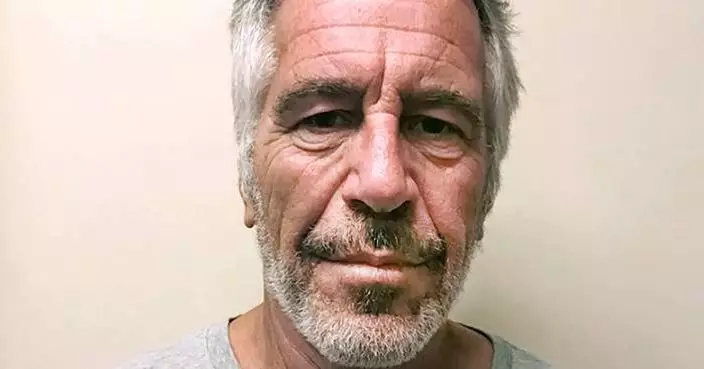
Epstein case figures keep dying by 'suicide'.
Virginia Giuffre also took her own life in April 2025, dying on a farm in Australia at the age of 41. She was the earliest key victim and witness to publicly accuse Epstein and Britain's Prince Andrew of sexual assault.
The "Epstein-related death list" circulating online and among the public runs to more than 20 names. Now yet another "whistleblower" meets the same end, pulling the case back into the spotlight.