The Macao Special Administrative Region (SAR) government on Tuesday released the Third Five-Year Plan for Economic and Social Development of the Macao SAR (2026-2030).
The plan, consisting of 10 parts and 36 chapters, sets out eight development goals, which are: to ensure full implementation of the holistic approach to national security; to improve the effectiveness of law-based governance; to make substantial progress in appropriate economic diversification; to advance progress with high-quality development of the Guangdong-Macao In-Depth Cooperation Zone in Hengqin; to yield visible results from the integrated development of education, technology and talent; to further improve people's well-being; to make significant progress in building a beautiful and "smart" Macao; and to better integrate into and serve the country's overall development.
The third five-year plan is a roadmap for high quality development in a new stage and an important initiative for Macao to advance the cause of "one country, two systems" and better integrate into and serve the country's overall development, said Macao SAR Chief Executive Sam Hou Fai at a press conference held on Tuesday at the SAR government headquarters to introduce the plan.
The release followed a public consultation conducted from May 20 to June 28, during which the SAR government solicited opinions and suggestions from various sectors of society.
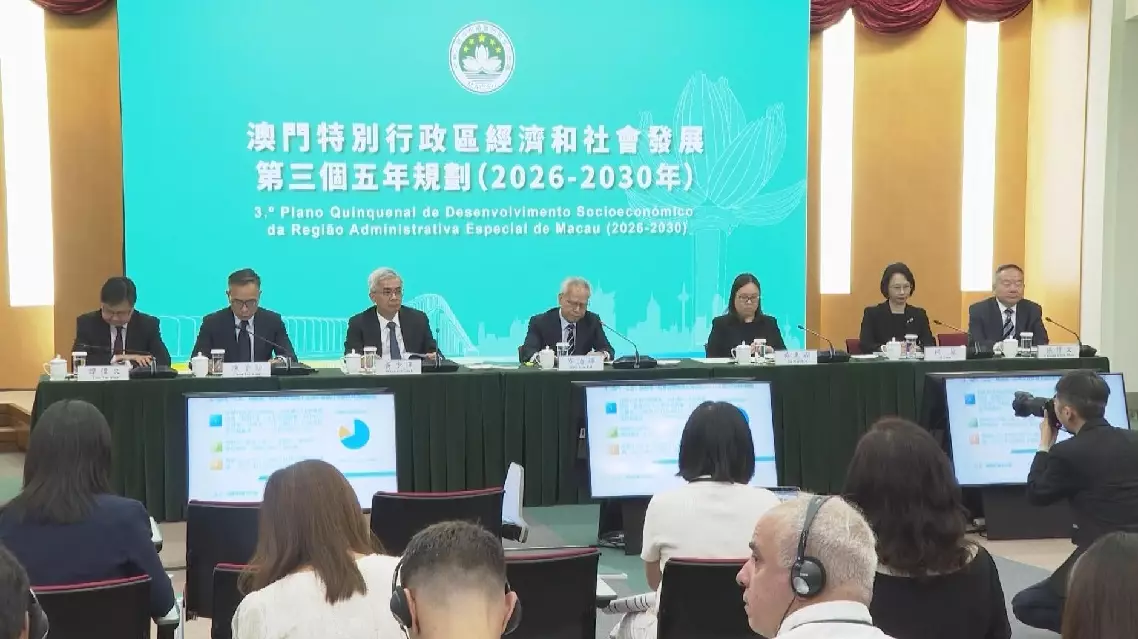
Macao unveils 3rd 5-year plan for economic, social development
The South China Sea region showed stable marine ecological conditions in 2025, with improving coral coverage, healthy mangrove ecosystems and the return of rare species, according to two reports released by the South China Sea Bureau of the Ministry of Natural Resources on Friday.
The 2025 South China Sea Marine Ecological Early Warning and Monitoring Report and the 2025 South China Sea Marine Ecological Protection and Restoration Report were published at an event in Haikou City of south China's Hainan Province to mark the National Ecology Day, which fell on Saturday this year.
The reports indicated that the overall marine ecological status remained stable in the South China Sea region last year. Mangrove ecosystems were in good condition, with canopy coverage exceeding 75 percent.
For the first time, a comprehensive assessment of island reef ecological conditions was provided across the Xisha, Zhongsha and Nansha islands, covering nine reefs in detail. This has provided a fundamental basis for strengthening the classification, protection and management of islands and reefs.
The ecological conditions of the Xisha Islands are showing positive signs of recovery, while Huangyan Dao (Island) in the Zhongsha Islands features a unique and diverse ecosystem, the reports said.
In 2025, a total of 66 marine ecological restoration projects were carried out in the South China Sea region with a cumulative investment nearing five billion yuan (about 74.18 million U.S. dollars), according to the reports.
By the end of 2025, the region had designated marine ecological protection redline areas covering about 2.66 million hectares and marine protected areas spanning around seven million hectares.
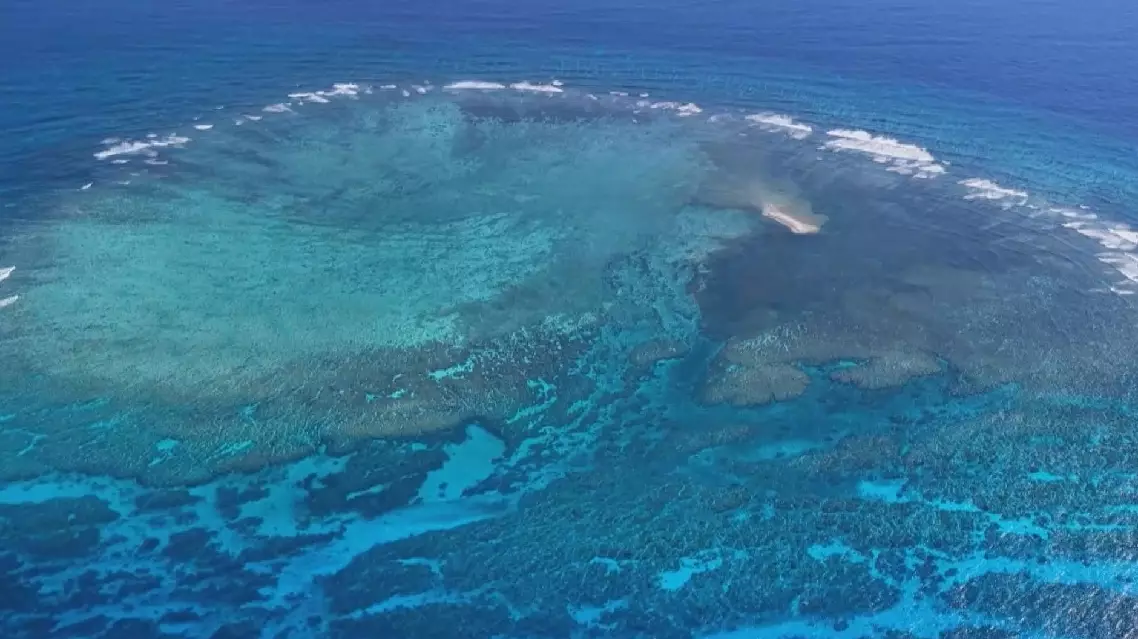
South China Sea marine ecology stable in 2025: reports