The agonizing history of the millions of enslaved Africans trafficked to Brazil's northeastern port city of Salvador has once again come into sharp focus, as the world observed the International Day for the Remembrance of the Slave Trade and its Abolition on Sunday.
From the 16th century onward, Salvador served as one of the primary entry points for enslaved Africans, with millions forced to land and labor on local sugarcane plantations. Today, the city stands as a stark reminder of this brutal past.
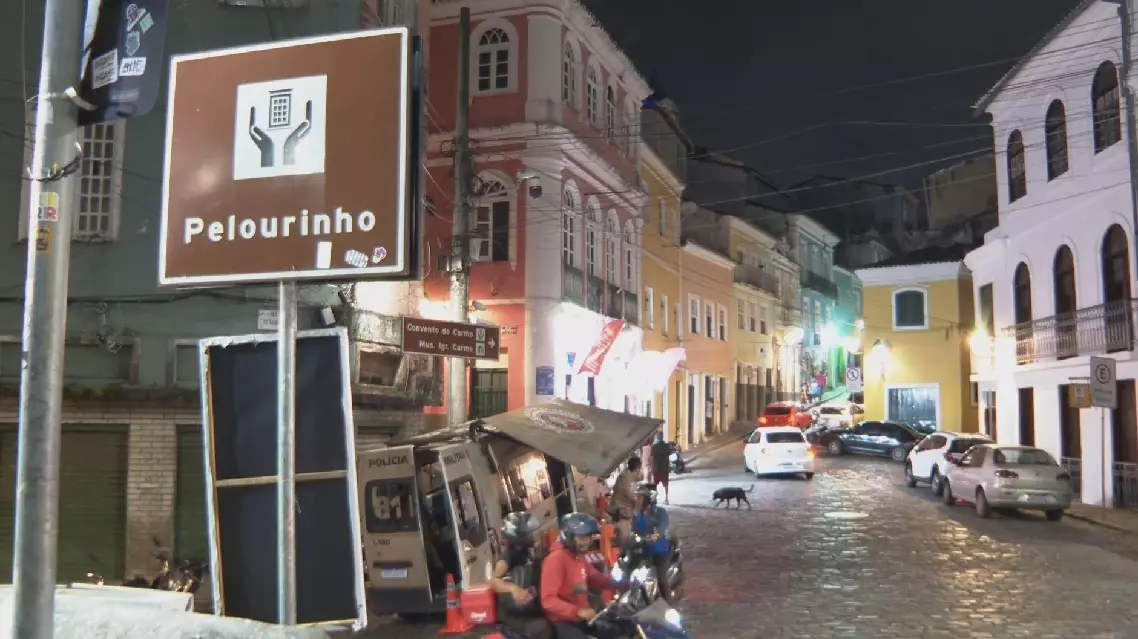
At the heart of this history is the Pelourinho Square. Pelourinho gets its name from the Portuguese word for pillory, or a whipping post. During the colonial era, this central plaza served as a primary slave market and a site for the public punishment and torture of enslaved Africans.
"Because thousands of African slaves have lost their lives over there, everybody calls the name of this place 'Pelourinho'," said Marco Gomes, who has spent more than two decades working as a tour guide in the square.
Today, the site has become a vibrant landmark showcasing Afro-Brazilian culture. Yet, the uneven cobblestone streets beneath visitors' feet still bear silent witness to a heavy and indelible history.
Gomes noted that many of the iconic buildings in Salvador's old town were built brick by brick by enslaved Africans. The transformation of Salvador from a tropical rainforest into a sprawling city was fueled by their sweat and sacrifice.
Historical records show that Brazil received the largest number of enslaved Africans in the American continent. More than 5 million Africans were trafficked to the country, with the port of Salvador alone receiving more than 1 million. The city was the first large-scale hub for the transatlantic slave trade in the Americas.
For Thelma Baiana, a local resident who has lived in Salvador's old town for over half a century, Pelourinho is far more than a tourist destination. It is a vessel for family memory and national trauma.
Her ancestors were among the enslaved people who endured immense hardships on this very soil.
"My great-grandfather was a descendant of enslaved people, and he lived right here. Up over there, it used to be the place where enslaved people were executed and traded. I have known about this history since I was very young. I believe it is crucial to preserve the history of Pelourinho, and it is just as important for the younger generation to learn about it," said Baiana.
Today, the Pelourinho Square has become a vital center for Afro-Brazilian culture. Just a short walk from the square is an Afro-Brazilian museum, which showcases the rich cultural elements and heritage of Afro-Brazilians, as well as the wrongs they suffered.
"Slavery is not a pleasant memory we wish to hold onto, but the pain of history must be remembered. Only then can we avoid repeating the past and ensure it is never forgotten," said Marcelo Cunha, a staff member at the museum.
Agony of enslaved Africans remembered in Brazil’s historic slave port Salvador