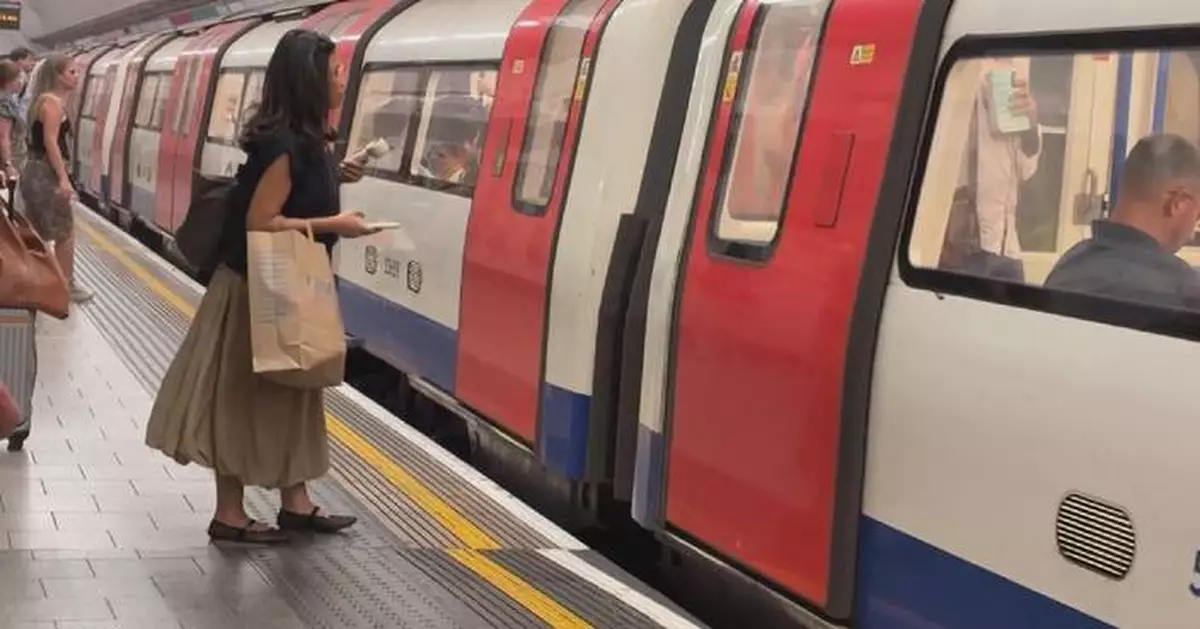
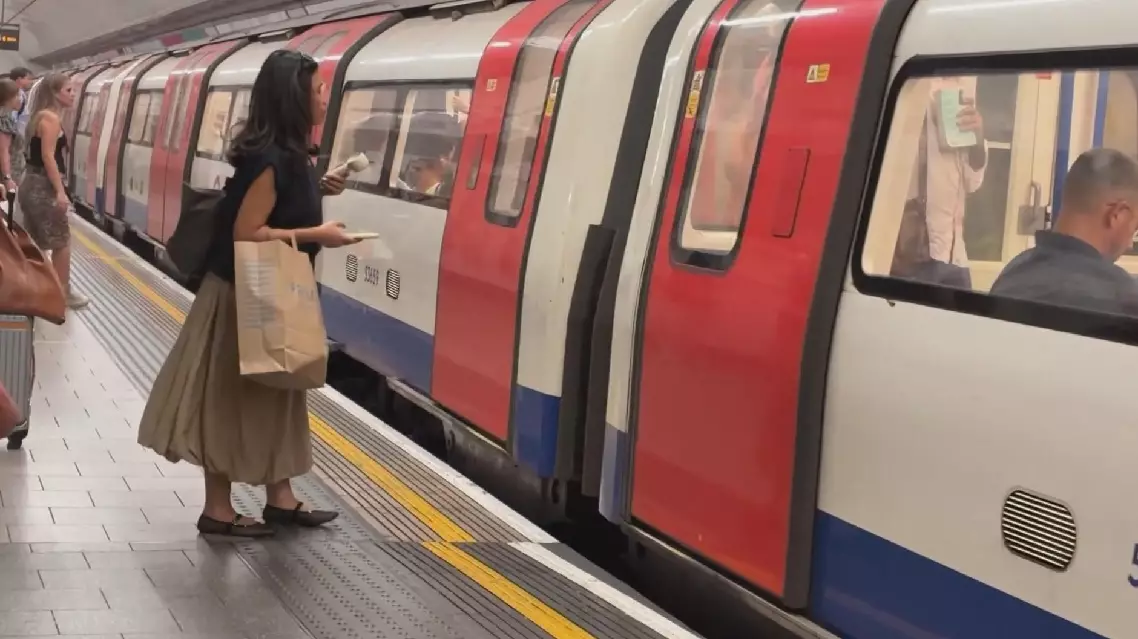
Britain's hottest summer on record is putting its aging public transport network to the test, leaving millions of commuters sweltering and sparking calls for urgent upgrades to ensure a cool and safe ride for both drivers and passengers alike.
London boasts one of the oldest public transport systems in the world with the first buses coming into service in 1829. These days, more than 5 million bus journeys are made on a typical day across the London bus network. However, in its nearly 200 years, the transport system has rarely had to deal with weather as hot as in 2026.
Only 500 out of the total 9,000 London buses have full air conditioning. The rest have a combination of something called "forced air ventilation", tinted glass, white roofs and opening the main windows in an effort to keep the passenger deck cool. However, with summers like 2026 set to become more common in the years ahead, many feel these measures are not doing enough to ensure a safe and comfortable ride for passengers and drivers.
The working conditions of London Bus drivers during various heatwaves both in 2025 and 2026 has become an increasingly contentious issue, forcing some to stage strike action.
"Cabs are getting up to 45 degrees so the driver is unbelievably fatigued, very hot, and it makes it really difficult to drive, to concentrate. We're having members report nausea, and sunstroke, so it's a really, really dangerous situation," said Nadine Edwards, regional officer of Unite the Union, a trade union in the UK.
London Mayor Sadiq Khan has called on private bus companies to have all their vehicles fitted with some form of air conditioning. However they say the publicly owned Transport For London, or TFL, should pay for it.
The challenge is significantly more complex on the London Underground, where air-conditioned trains currently cover about 40 percent of the network.
The world's oldest underground rail system has been running since 1863. The first deep-level tunnels were created by tunneling through clay. However clay absorbs heat, and 163 years of trains and passengers, generates a lot of heat. And that heat has nowhere to go. So while fitting air con on the tube may cool individual carriages, it would also produce more heat across the rest of the underground network.
"It would be better if there was air conditioning across the different trains on the underground," said a tube passenger.
"I usually have a neck fan which really helps, but without that today I'm a bit exhausted, to be honest," anther tube passenger said.
Passengers could get some respite soon, however, with TFL set to roll out new trains later this year. The new Piccadilly line will become the first "deep tube line" to have full air conditioning. However, that's just one of 11 lines, so the oldest underground rail network in the world still has some way to go before conditions improve for its overheated customers.
Two train derailments in the south of England in August caused several injuries and travel disruption. Investigators have made extreme heat the focus of their inquiries. It seems Britain's vast and varied public transport network is in a race against time to adapt to the challenges of global warming.
UK's public transportation services struggle to cope with heatwave