The joint interview delegation themed “Leveraging New Advantages to Align with the 15th Five-Year Plan” visited the Nansha IT Park in Guangzhou on August 25 to observe the achievements of Guangzhou-Hong Kong cooperation and industry-academia-research integration, and to experience the new developments in Nansha District.
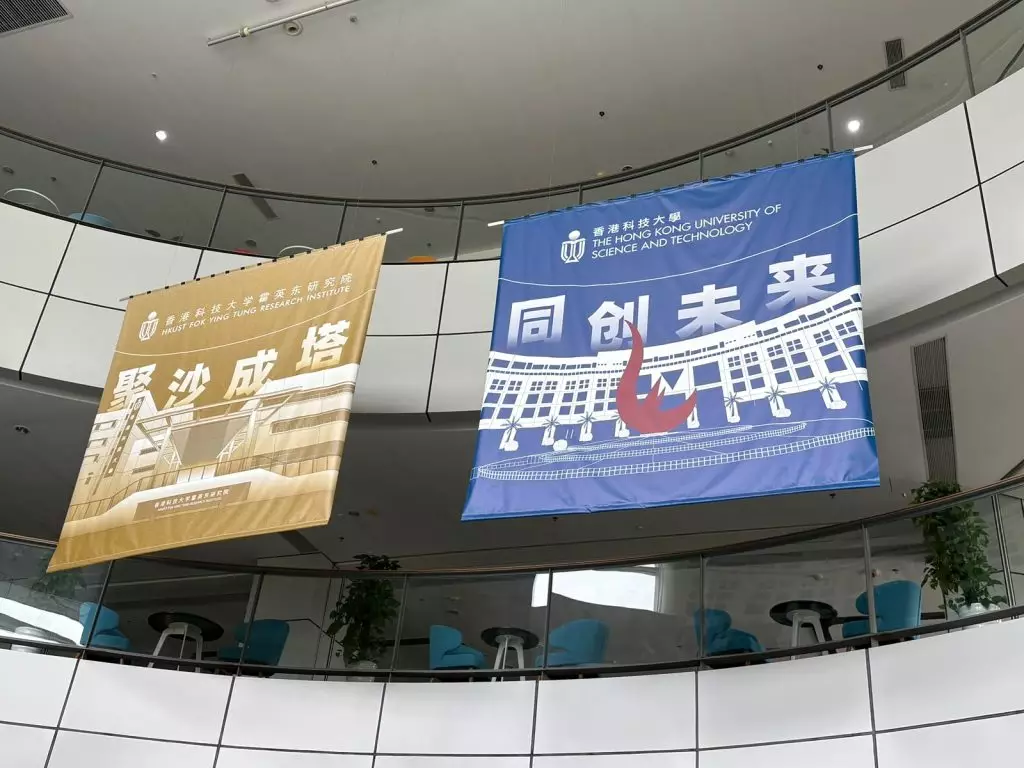
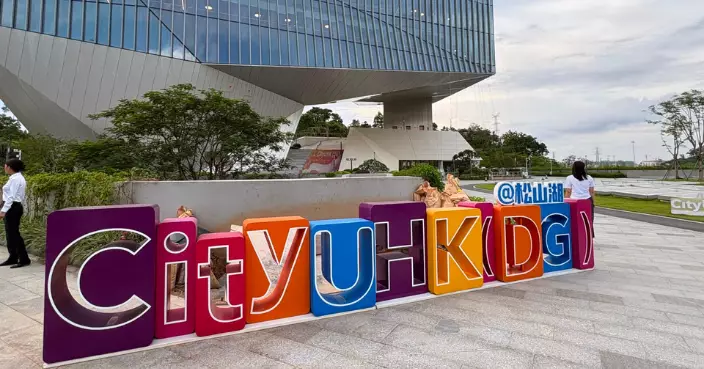
The Guangzhou HKUST Fok Ying Tung Research Institute, Photo by Bastille Post
The Guangzhou HKUST Fok Ying Tung Research Institute is an important platform for HKUST's technology research and development and technology transfer serving the Chinese Mainland. Dr. Gao Min, the director of the institute, introduced that HKUST has over 30,000 square metres of innovation space in Guangzhou, of which more than 10,000 square metres are dedicated to startup incubation. Currently, multiple teams led by professors, with student participation, have been formed and have ultimately achieved commercialisation.
Click to Gallery
The Guangzhou HKUST Fok Ying Tung Research Institute, Photo by Bastille Post
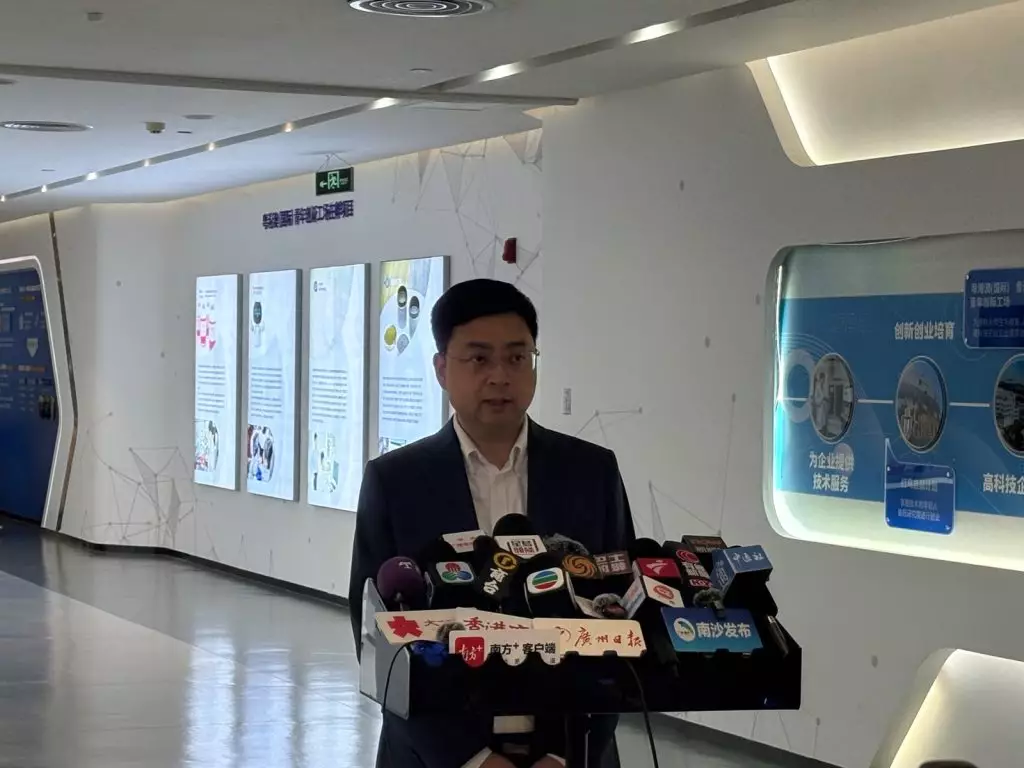
Dr. Gao Min, the director of the Guangzhou HKUST Fok Ying Tung Research Institute, Photo by Bastille Post
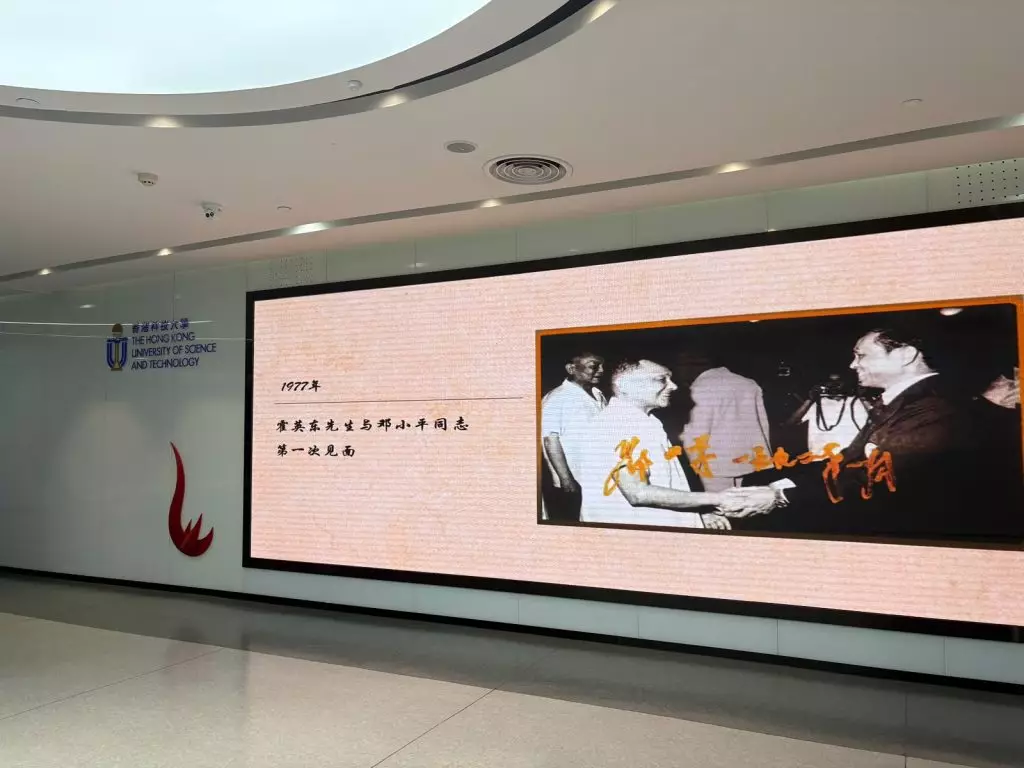
The Guangzhou HKUST Fok Ying Tung Research Institute, Photo by Bastille Post
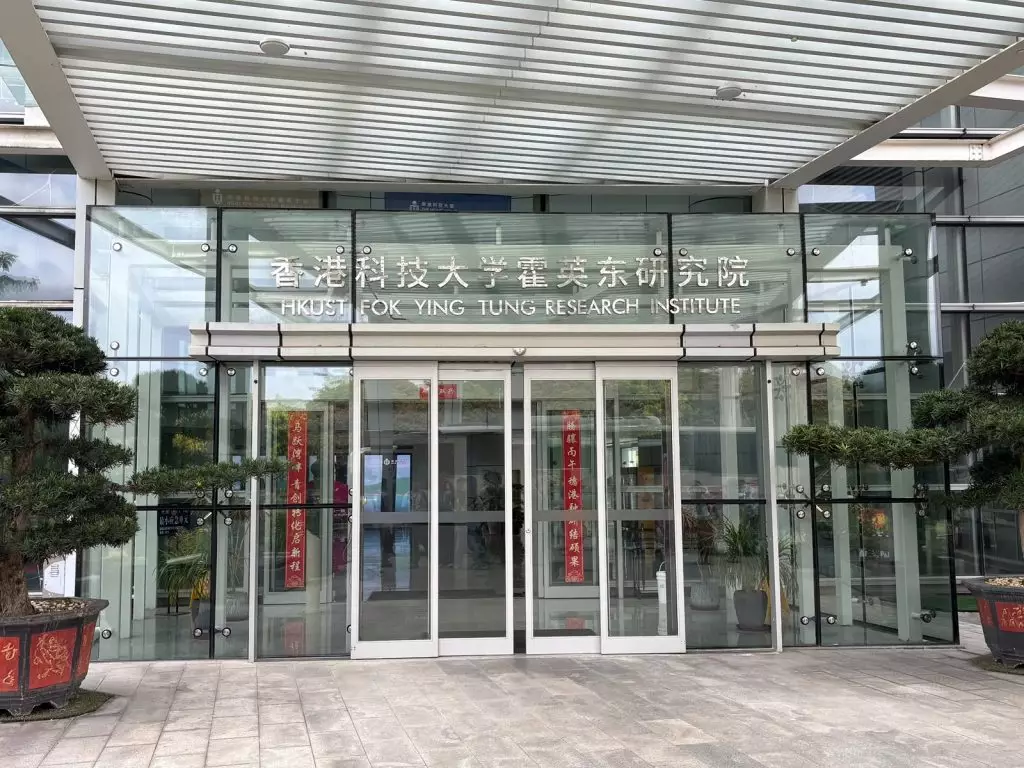
The Guangzhou HKUST Fok Ying Tung Research Institute, Photo by Bastille Post
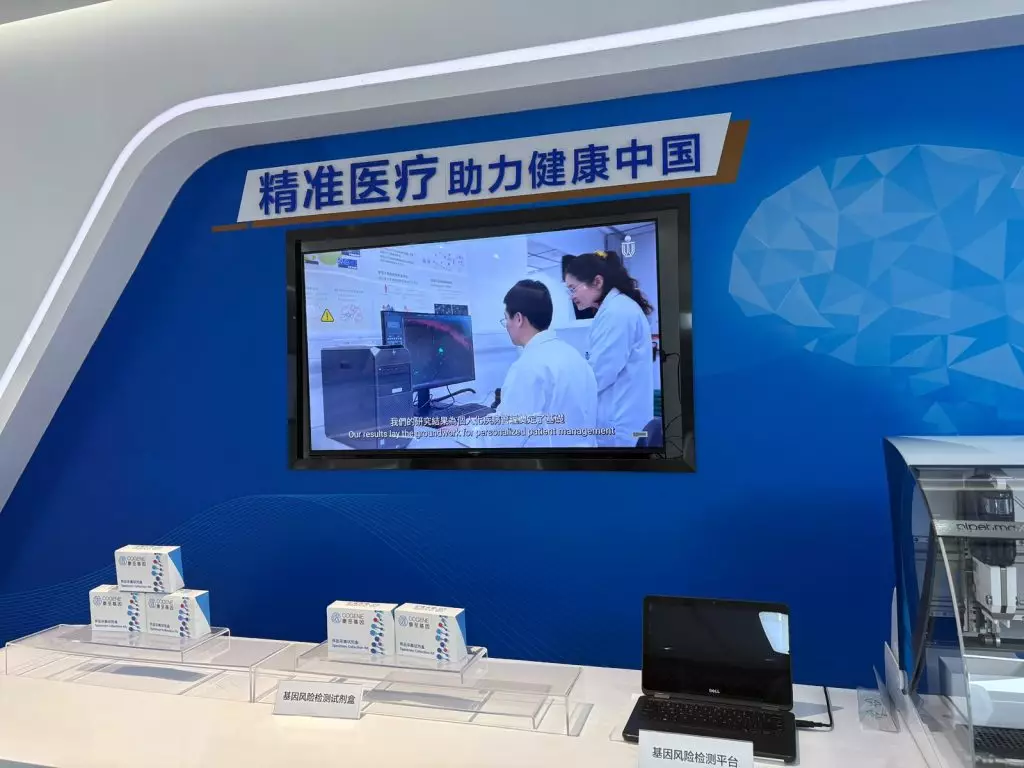
Photo by Bastille Post
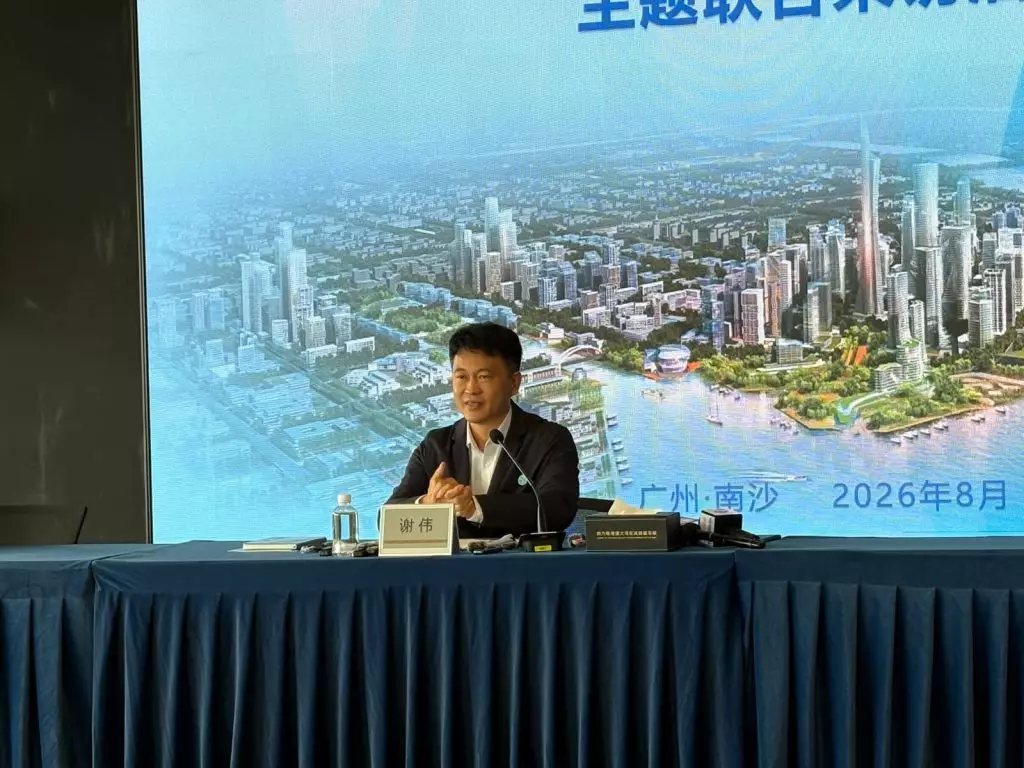
Mr. Xie Wei, Deputy Secretary-General of the Guangzhou Municipal People's Government and Deputy Director of the Administrative Committee of Guangzhou Nansha Economic and Technological Development Zone, Photo by Bastille Post
Regarding the division of labour and cooperation in industrialisation between Guangzhou and Hong Kong, Dr. Gao Min stated that original basic research is mainly conducted in Hong Kong. In contrast, the subsequent engineering, productisation, and industrialisation stages are promoted on the Chinese Mainland. He believes that current enterprise needs have shifted from simple manufacturing to the development of high-quality, long-lifespan products based on scientific principles, driving the in-depth improvement of scientific research.
Dr. Gao Min, the director of the Guangzhou HKUST Fok Ying Tung Research Institute, Photo by Bastille Post
HKUST and HKUST (Guangzhou) have implemented a “2+2” talent training mechanism, where students study for two years at the Guangzhou campus and two years at the Hong Kong campus, aiming to effectively combine the educational and industrial resources of both regions.
The Guangzhou HKUST Fok Ying Tung Research Institute, Photo by Bastille Post
Dr. Gao Min believes that computer science and artificial intelligence on the Chinese Mainland are developing rapidly, giving it a clear advantage over Hong Kong in scientific and technological innovation. This includes a large reserve of high-quality engineers and sufficient space to provide various laboratories. “The salaries offered by technology companies on the Chinese Mainland far exceed what doctors in Hong Kong earn,” he pointed out. He also believes that Hong Kong’s talent policies are not yet open enough, making it difficult to attract high-quality engineers quickly, as the Chinese Mainland does, solely through high salaries.
The Guangzhou HKUST Fok Ying Tung Research Institute, Photo by Bastille Post
Photo by Bastille Post
Currently, Nansha District offers a reduced corporate income tax rate of 15% to enterprises in encouraged industries within the pioneer start-up zone, and implements the “Hong Kong residents, Hong Kong taxes” policy, allowing Hong Kong and Macao residents working in Nansha District to pay taxes at Hong Kong and Macao rates, reducing their actual burden.
In addition to collaborating with Hong Kong on the transformation of research and development achievements, Nansha District has also established Hong Kong-style communities, schools for Hong Kong residents’ children, and the Hong Kong and Macao Drugs and Medical Devices Connect measure, which allows Hong Kong- and Macao-registered drugs and medical devices used in public hospitals there to be used in the Guangdong-Hong Kong-Macao Greater Bay Area. Nansha District has also launched cross-border services such as ambulance transfers between Guangzhou and Hong Kong. Mr. Xie Wei, Deputy Secretary-General of the Guangzhou Municipal People's Government and Deputy Director of the Administrative Committee of Guangzhou Nansha Economic and Technological Development Zone stated, “We have basically achieved the goal of enabling Hong Kong and Macao residents in Nansha District to see Hong Kong doctors, receive treatment with Hong Kong medicines, and obtain medical insurance reimbursement under Hong Kong schemes, attracting over 11,000 Hong Kong and Macao residents.”
Mr. Xie Wei, Deputy Secretary-General of the Guangzhou Municipal People's Government and Deputy Director of the Administrative Committee of Guangzhou Nansha Economic and Technological Development Zone, Photo by Bastille Post
Last year, Nansha District’s gross domestic product (GDP) reached RMB 240.2 billion; in the first half of this year, its GDP grew by 11.5% year-on-year, ranking among the top in the region. Mr. Xie Wei stated that during the 15th Five-Year Plan period, under the guidance of Guangzhou’s 15th Five-Year Plan, Nansha District will adhere to its position within the Greater Bay Area, collaborate with Hong Kong and Macao, and look towards the world. It will deeply implement the “five-port linkage” strategy — seaport, airport, digital port, talent port, and financial port — to leverage Nansha’s role as the “Eye of the Greater Bay Area," the pivotal point of the regional chessboard, and drive the overall momentum of regional development.