Skip to Content Facebook Feature Image

SCO's mechanisms drive 25 years of effective cooperation: secretary‑general

China

China

China

SCO's mechanisms drive 25 years of effective cooperation: secretary‑general

2026-08-29 17:09 Last Updated At:18:47

Over the past 25 years since its founding, the Shanghai Cooperation Organization's (SCO)'s cooperation mechanisms have enabled member states to build mutual trust, reach consensus on tough issues and maintain effective cooperation despite their different political systems and cultural backgrounds, said the organization's secretary‑general.

From six founding members to a 27-nation family, the SCO has grown steadily over the past 25 years.

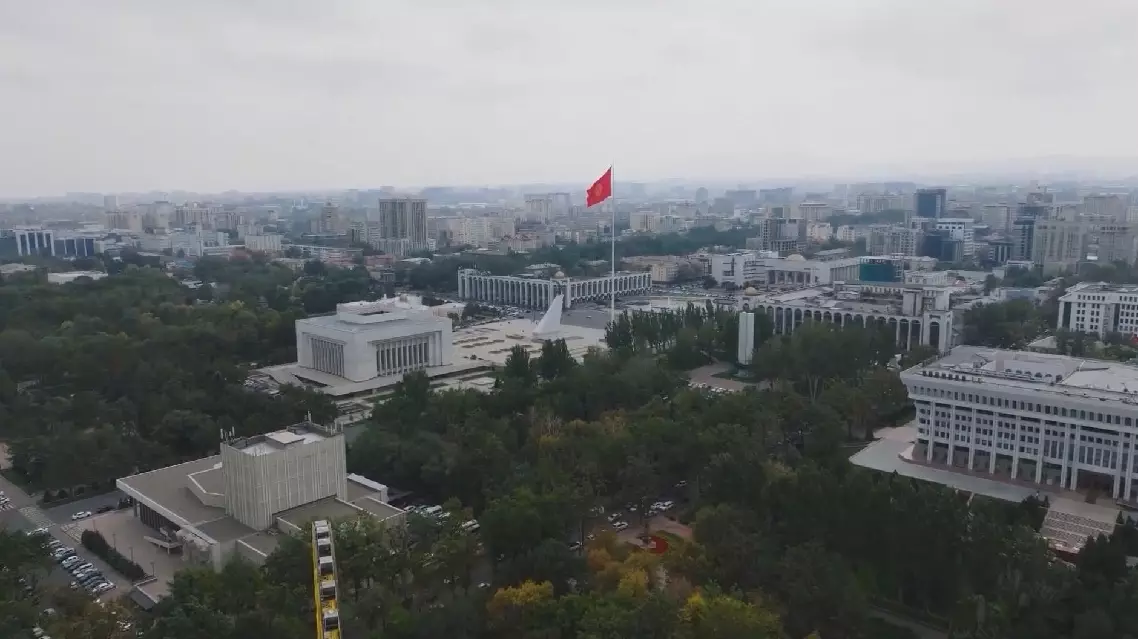
In an interview with China Media Group ahead of the 2026 SCO Summit in Bishkek, Kyrgyzstan, SCO Secretary‑General Nurlan Yermekbayev said that the organization's success over the years lies in its ability to build trust and effective cooperation among diverse member states.

"Over the past 25 years, the SCO has successfully built a space of mutual trust and formulated a dialogue mechanism based on equality and mutual respect through consultation. We believe that although member states have differences in political systems and economic development priorities, and each has its own unique history, culture and civilization traditions, within a relatively short period of time, these countries with different characteristics and positions have learned to work together and reach consensus on the most complex issues. We believe that this is one of the most significant achievements made through cooperation over the past 25 years," Yermekbayev said.

"Another important achievement is that the SCO has established a distinctive multi-level cooperation mechanism in a wide range of fields. At present, we have 29 cooperation mechanisms in specialized fields, namely the regular meeting mechanism for the heads of various ministries and departments, collectively known as the meetings of heads of sectoral bodies. The heads, experts and senior officials of these ministries and departments meet once every year and every two years. It is precisely at these professional conferences and those of various ministries and departments that all parties formulate cooperation plans in different fields. Ultimately, the effectiveness of the entire organization's work precisely depends on these mechanisms," he said.

Given the central role of these mechanisms, Yermekbayev said the SCO Secretariat has made their efficiency a top priority.

"Therefore, as the main permanent body of the SCO, the Secretariat of the SCO gives primary attention to the efficiency and effectiveness of the work of these professional mechanisms. The work of our entire organization ultimately depends on the efficiency of the professional mechanism," he said.
SCO's mechanisms drive 25 years of effective cooperation: secretary‑general

SCO's mechanisms drive 25 years of effective cooperation: secretary‑general

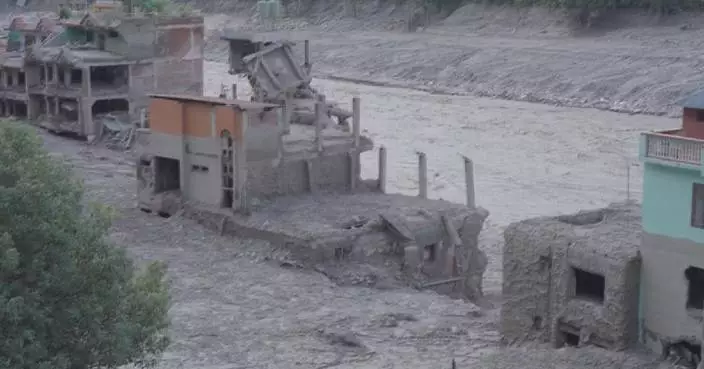
The challenges facing rescuers in clearing the last kilometer of roads to the mudslide-hit southwest China’s border port of Gyirong are ensuring the safety of rescue personnel and overcoming natural obstacles, said a member of the rescue team.

A mudslide that originated on Nepal's side of the China-Nepal border struck Gyirong in China's Xizang Autonomous Region on Wednesday.

A key task for the rescuers is to repair damaged roads that have been almost completely destroyed by the mudslides. This will allow heavy machinery and more rescuers better access to affected areas.

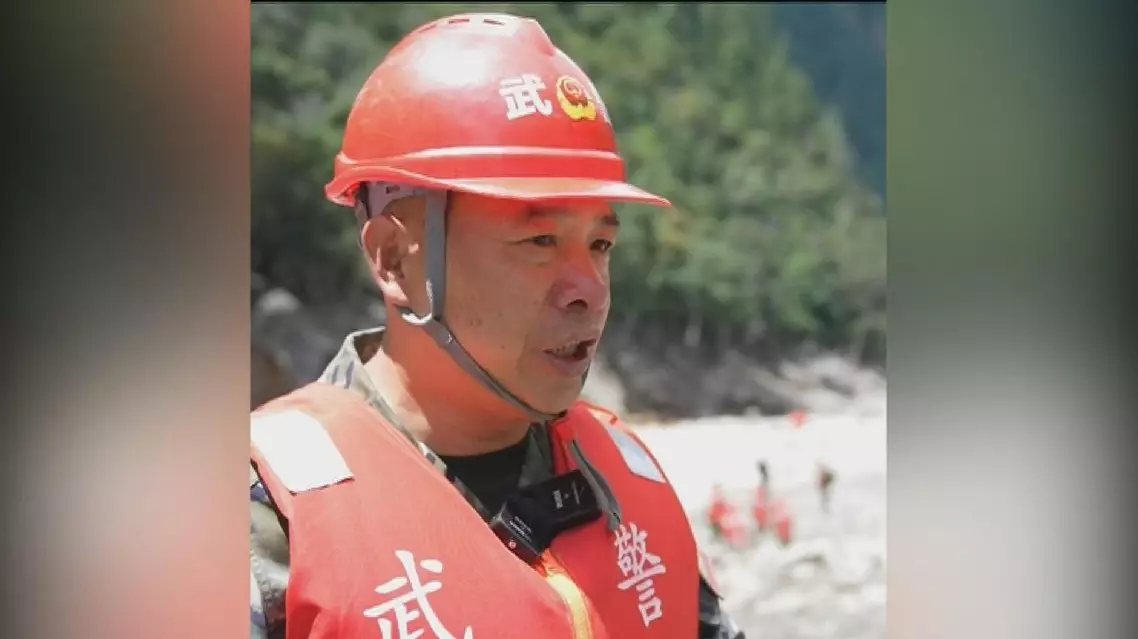
Jiang Wanqiang, a member of the Xigaze Detachment of the People's Armed Police, talked about the main challenges the team faced during key operations.

"We need to find ways to quickly clear the last kilometer that leads us to the core rescue area in Gyirong Town. The biggest challenge is ensuring the safety of our personnel during rescue operations. We currently face risks such as barrier lakes, dam breaches, mountain collapses, and avalanches, which could trigger further upstream landslides. This poses the greatest threat to our own safety," he said.

"Secondly, significant challenges exist for us to open up the rescue route. The final kilometer consists almost entirely of steep cliffs and rivers, with no existing road infrastructure. Clearing this section is extremely difficult. In the next phase, we may deploy some machinery—engineers and a large number of construction vehicles—which could help ensure the successful establishment of the final kilometer of the rescue road," Jiang said.

The troops moved to a site about two kilometers from Gyirong Port on Friday to carry out search-and-rescue and mud-clearing operations. Persistent overnight rain and the risk of secondary disasters, including further mudslides, mean the area is not safe for camping. The troops returned to Gyirong Town last night to rest, before setting out again for the rescue site at 08:00.

Equipped with life-detection devices, shovels and pickaxes, the troops conducted a systematic search for survivors on Saturday. They also cleared mud and rocks, and leveled the road surface to open up access routes.

Safety concerns, natural barriers pose new challenges to rescuers in Xizang's Gyirong Port

Safety concerns, natural barriers pose new challenges to rescuers in Xizang's Gyirong Port

Recommended Articles