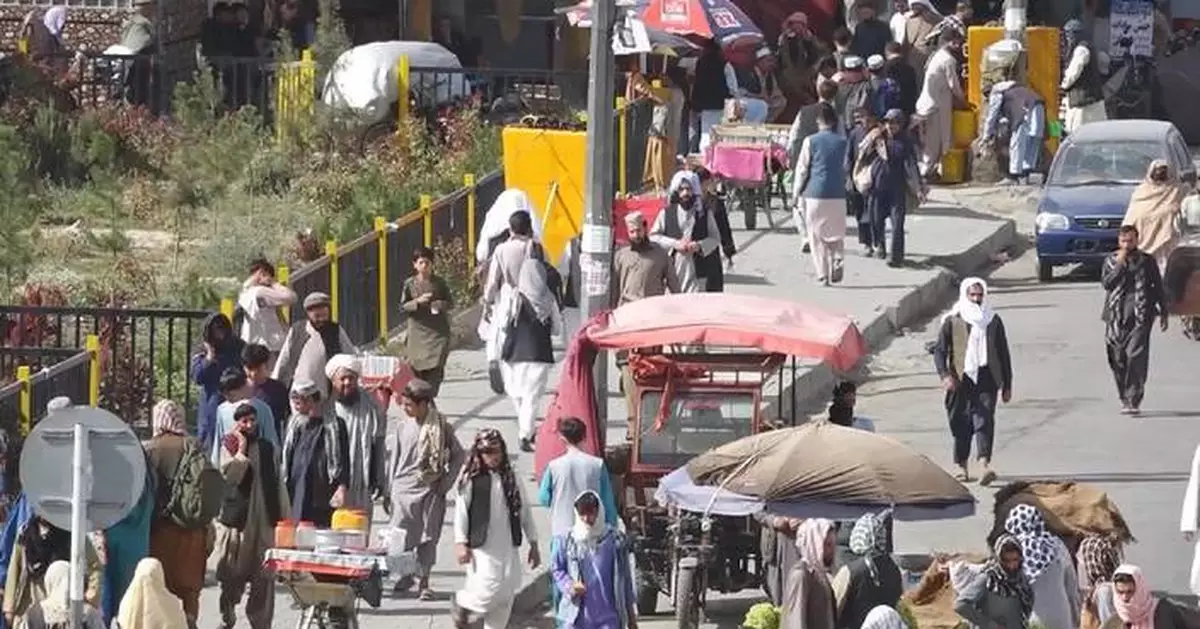
Afghanistan's economy sees signs of recovery after more than four decades of war and conflict.
The Taliban-led government has focused on investment, mining, trade, and infrastructure. But Afghan assets frozen by the United States, limited financial resources and weak markets have hampered sustainable growth.
Afghan entrepreneurs, including women operating under restrictive conditions, persevere to keep their businesses afloat.
Samira Mohamadi, a female entrepreneur in Afghanistan's dining industry, has turned recovery into reality.
She runs three restaurants, providing dozens of jobs for Afghan women, and has just opened an 8,000-square-meter family venue on the outskirts of Kabul.
"Fortunately, I'm very happy that I have been able to serve as the head of the Working Women's Association. After I opened the first women-run restaurant, more than 270 restaurants are now being managed by women," said Mohamadi.
However, Mohamadi also admitted that high rents, a lack of financial support and limited resources are major obstacles to her goals as an entrepreneur and businesswoman.
Economic experts cite improved security and freedom of movement as major opportunities after more than four decades of war and conflict in Afghanistan.
Sulaiman Bin Shah is the CEO of a business consulting firm. He identifies sanctions and banking restrictions, high unemployment and poverty, and weak infrastructure as the three key challenges to Afghanistan's economic recovery.
"If I can just summarize for you, you can count tens of great things happening in the country but at the same time, we should be considerate and cognizant of the challenges and the troubles and the hardships and the sufferings that people of Afghanistan continue to have, whether because of the internal domestic policies or because of the negligence of the international community," said Shah.
While small businesses are growing, many Afghans still face unemployment, poverty, and limited access to basic services, underscoring the need for broader economic support.
"Compared to the past, many people have rebuilt their businesses, but some are still disappointed. We must not lose hope," said Naweedullah Sahil, a Kabul resident.
Five years after the Taliban returned to power, Afghanistan has made progress in rebuilding its economy, but the next chapter may be the most important: turning that momentum into a more sustainable future for businesses, workers, and the wider economy.
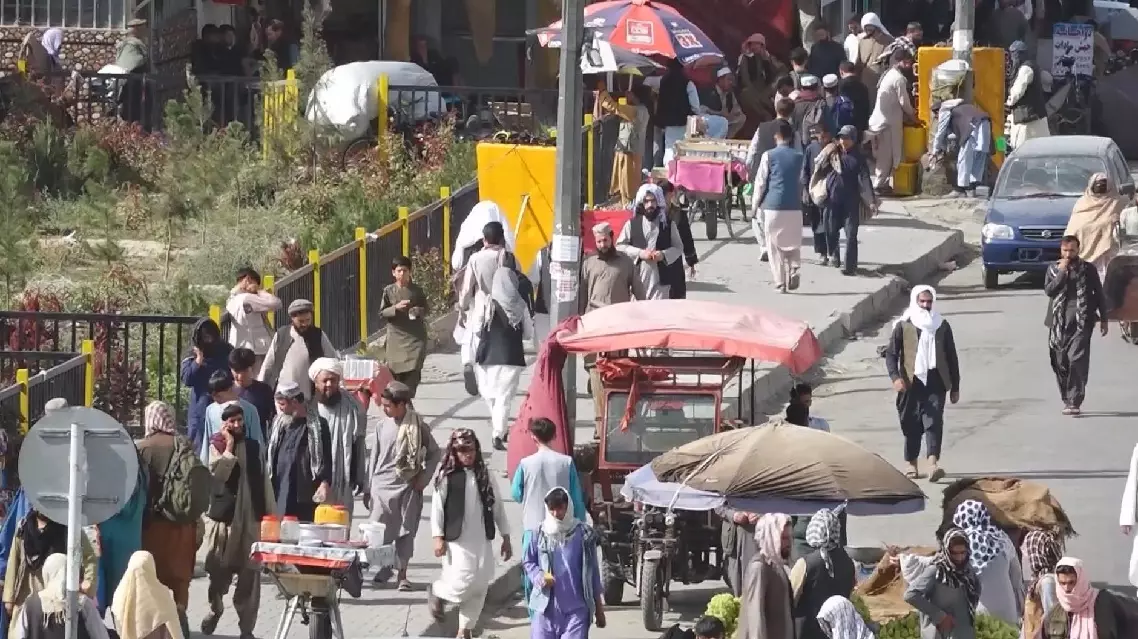
Afghanistan sees signs of economic recovery despite deep-seated challenges