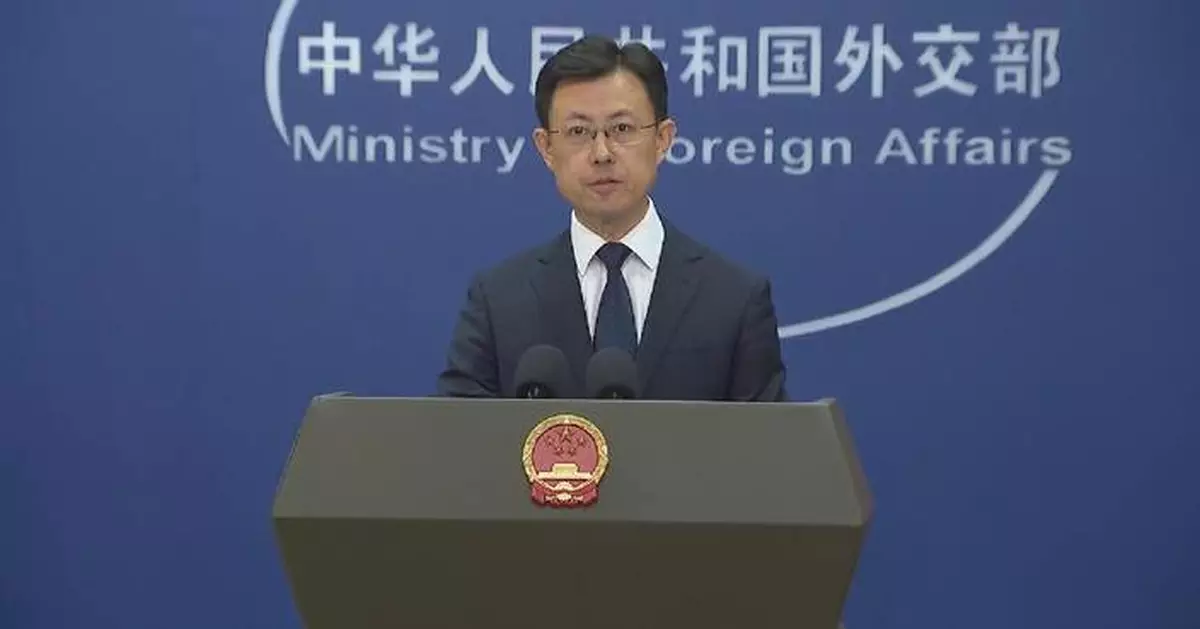
China is making all-out efforts to search for Chinese and foreign nationals who are missing following a catastrophic mudslide that struck the Nepal-China border region, while providing emergency assistance to its neighboring country, Foreign Ministry spokesman Guo Jiakun said Monday.
"The severe mudslide was triggered by a sudden glacier collapse in Nepal's border region, causing significant casualties and leaving many unaccounted for on both sides. While conducting emergency rescue and relief efforts at home, China immediately extended a helping hand to Nepal to support its emergency response and disaster relief efforts," Guo said.
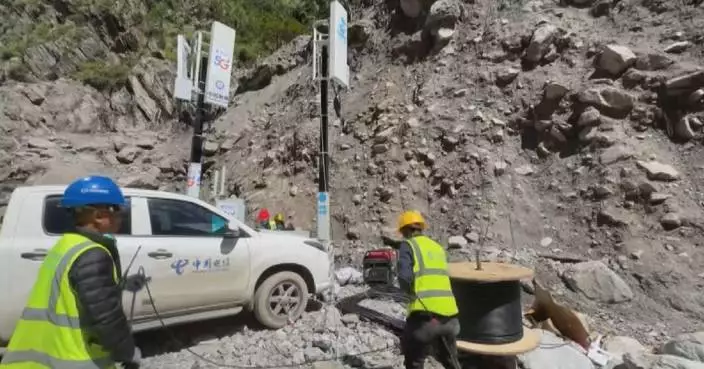
According to the spokesman, the Chinese government has provided emergency cash assistance and humanitarian aid to Nepal. The first batch of 50 tons of relief supplies has already arrived in Kathmandu. Two teams of Chinese tunnel rescue experts have been deployed to the disaster zone.
China has also shared critical information with Nepal, including images, satellite and hydrological data and early warning alerts for upstream barrier lakes, and is actively assisting stranded Nepalese citizens to return home.
Noting all Chinese nationals who had been contacted in the disaster area in Nepal have been properly relocated and are in a safe condition, Guo said Chinese authorities are maintaining close communication with foreign embassies in China to investigate the foreign nationals who remain unaccounted for and deal with the aftermath.
"Nearly 100 Chinese citizens are missing in the disaster-stricken area on the Nepalese side. Nepal is making every effort to search for and rescue the missing or trapped people. Chinese tunnel experts have arrived in the disaster area in Nepal to assist in related rescue work," he said.
The death toll from the devastating mudslide in Nepal has risen to 903, with 4,247 people still missing as of 09:00 local time on Monday, the Nepalese National Disaster Risk Reduction and Management Authority said.
On the Chinese side, 16 people have been confirmed dead and 546 others remain missing as of 18:00 Saturday, according to the regional government after the disaster hit Gyirong Port in southwest China's Xizang Autonomous Region.
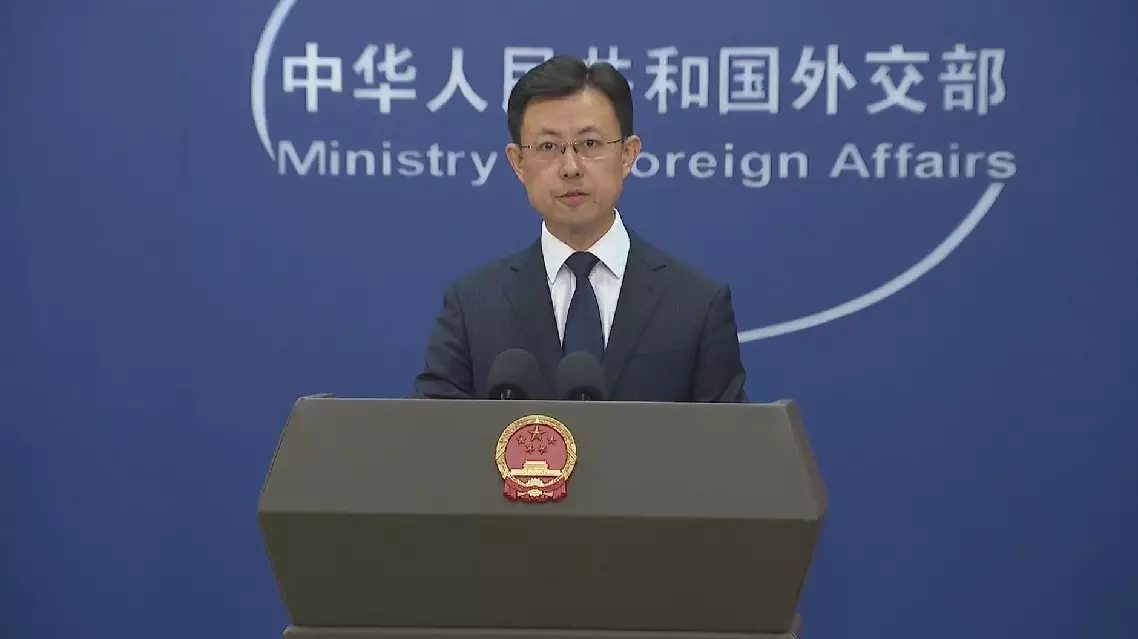
China continues search for people missing in mudslide, provides assistance to Nepal: spokesman
Agreements signed between China and Kyrgyzstan at the 2026 Shanghai Cooperation Organization (SCO) Summit in Bishkek are expected to inject fresh momentum into Kyrgyzstan’s growing technology sector, especially in digital economy, artificial intelligence (AI) and clean energy, an expert said.
The summit, held Monday and Tuesday in the Kyrgyz capital, ran under the theme "25 Years of the SCO: Together Towards Sustainable Peace, Development, and Prosperity" and brought together leaders from more than 20 countries.
In an interview with China Global Television Network (CGTN), Chubak Temirov, deputy director of the High Tech Park of the Kyrgyz Republic, said the SCO’s 25 years of trust now pave the way for joint technology ventures beyond Kyrgyzstan’s domestic market.
"The SCO spent 25 years building relationships and trust between our countries, between China and Kyrgyzstan and all other members. And I believe the next stage should be about building things together, in relation to technology; technologies, companies, research, products, and maybe new markets. Today, technology company in Bishkek doesn't necessarily think only about our domestic market, which is only 7.4 million people. We think broader, in relation to all SCO countries, or even global market," Temirov said.
In his meeting with Kyrgyz President Sadyr Japarov on Monday, Chinese President Xi Jinping said China and Kyrgyzstan should work together to build the Belt and Road Joint Laboratory and strengthen cooperation in areas including AI.
Echoing President Xi's words, Temirov identified local-language AI applications as the most immediate opportunity for Kyrgyzstan, while emphasizing that the best form of technology transfer lies in building local capacity to develop future products independently -- a partnership model that could deepen bilateral collaboration following the summit.
"I think the immediate practical opportunities for Kyrgyzstan in AI would be the local language AI. For example, let's imagine just a farmer in rural area, in some remote mountain in Kyrgyzstan, as you know, Kyrgyzstan is a mountainous country, could speak to an AI assistant in Kyrgyz language and receive information about weather, maybe agriculture. A student could have an AI tutor, for example, in his own language, in native language. Or a citizen could interact with digital public services, right? Digital public services now, in every country, are becoming a major trend of digitalization. Everyone now, just sitting from home, can get any public service s and get different things to make his life easier, right?" he said.
"China has a big scale from infrastructure and a mature AI ecosystem. The best technology transfer is not when you receive any finished product. As I said, it's when your people gain capability to build already the next product themselves, right? This is the kind of China-Kyrgyzstan technology partnership I would see as a really good example. I truly believe that after this summit, we can go to a new layer of friendship and collaboration. And I see more opportunities between China and Kyrgyzstan in AI in general, and in other technologies," he added.

China, Kyrgyzstan double down on tech innovation at SCO Summit