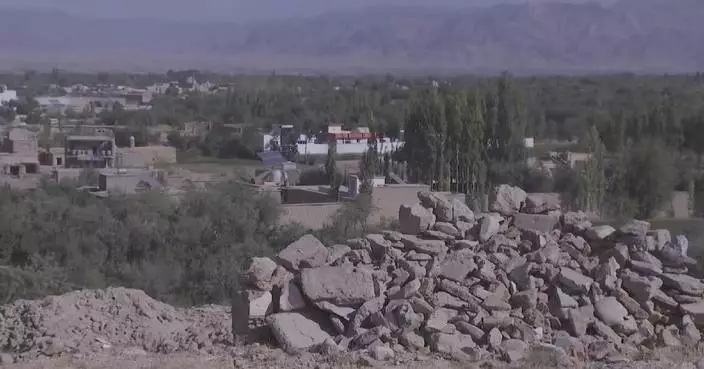
Emergency telecom teams are racing to install equipment to bring communication coverage to the core rescue area at the mudslide‑hit Gyirong Port in southwest China’s Xizang Autonomous Region, after the disaster knocked out local utilities.
The deadly mudslide, which was triggered by the collapse of a high-altitude glacier on the Nepalese side of the border with China, has left at least 16 people dead and 546 others missing in Gyirong, according to the Xizang regional government.
Support teams from telecom operators moved swiftly to lay optical cables in the aftermath. Two temporary base stations have since been deployed, extending coverage into the port’s core zone and restoring vital links for rescue work.
According to the local communications administration bureau, 5G cross‑network roaming has been activated at the rescue site. The function lets personnel switch to other operators’ networks when their own has no coverage, helping to resolve dead zones and stabilize signals for command and data transmission.
Meanwhile, local communications authorities have deployed relay drones to plug coverage gaps after the mudslide disrupted utilities at Gyirong Port. The airborne system supplements ground networks to keep rescue teams connected.
The drones have flown 21 sorties totaling 148 hours, supporting more than 26,000 user connections and over 3,100 calls. The added links are helping sustain disaster assessment, search and rescue, and on‑site emergency response.
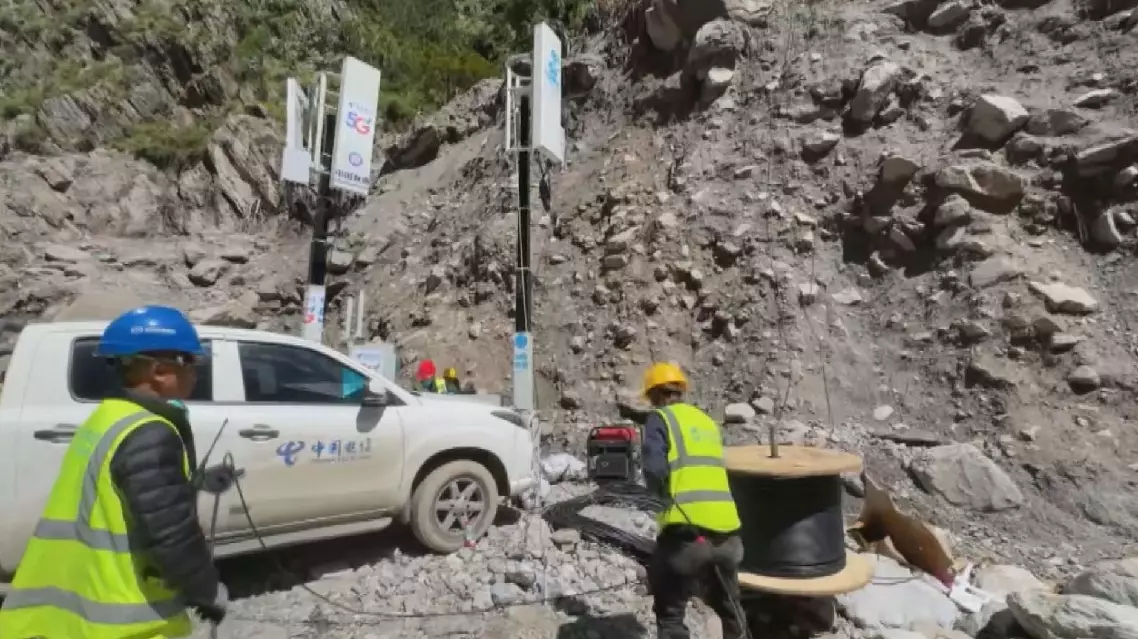
Telecom teams race to restore vital links at mudslide‑hit Gyirong Port in Xizang