The Tianwen-3, China's first Mars sample-return mission, is progressing smoothly, entering the prototype development phase with multiple technical breakthroughs and with scientific preparations underway simultaneously, said the mission's chief scientist on Thursday.
The Tianwen-3 mission, part of China's planetary exploration program, is planned for launch around 2028. It aims to bring Martian samples back to the Earth around 2031.
If everything goes according to plan, the mission will become the first to return the Red Planet's substances to the Earth, helping drive research across various disciplines such as astrobiology and planetary geology, while expanding human understanding of Mars and supporting efforts to explore extraterrestrial life.
"The Tianwen-3 mission is progressing smoothly, with intensified efforts being made to overcome technical challenges. The probe equipment has entered the prototype development phase, and scientifically, many scientist teams from across the country are working together to tackle the challenges in accordance with the mission's scientific objectives," said Hou Zengqian, an academician with the Chinese Academy of Sciences and principal investigator of the Tianwen-3 mission, on the sidelines of the International Deep Space Exploration Conference 2026 in east China's Hefei City.
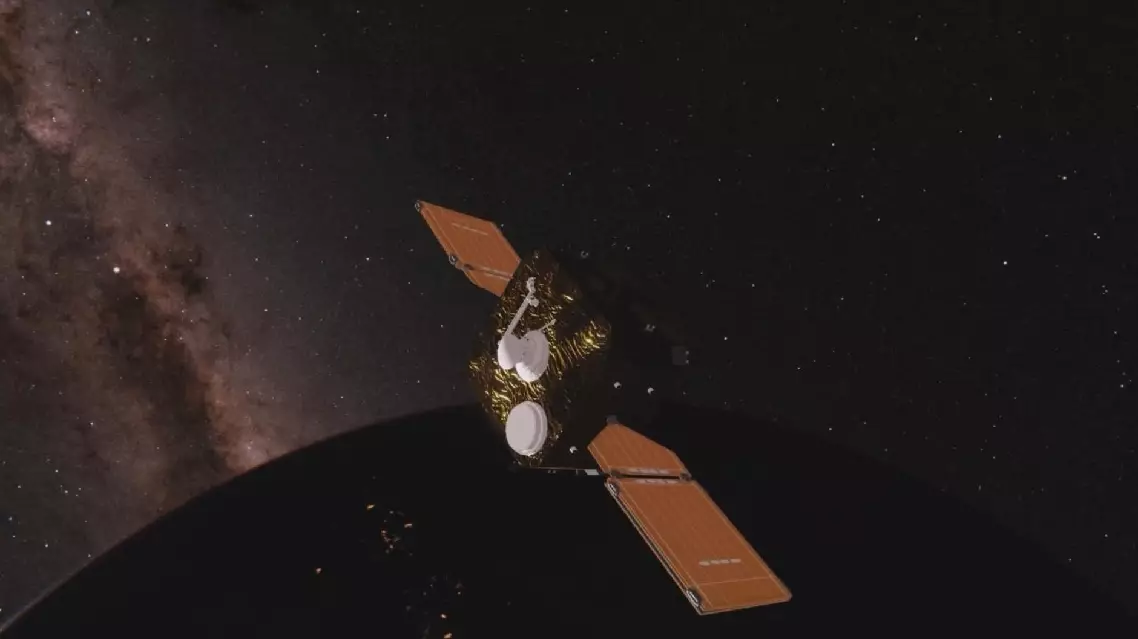
China's Tianwen-3 Mars mission progressing smoothly: chief scientist
During the recent conflict, the U.S. deployed military equipment on a scale more than ten times that of Iran's forces, but failed to achieve its objectives, Iran's Islamic Revolutionary Guard Corps (IRGC) Deputy Commander-in-Chief Mostafa Izadi said on Wednesday.
Izadi said the conflict had challenged the longstanding perception of U.S. military superiority, with senior U.S. military officials now acknowledging the pressure exerted by Iran's strategic and military capabilities.
He also said that Iran's production capacity for advanced drones and missiles has now surpassed its defensive needs, producing several times more than previously launched at enemy targets. Additionally, the development of Iran's new air defense systems is progressing steadily.
Iran's acting Defense Minister Ebn Al-Reza said that Iranian battlefield analysis shows the enemy deployed its highest level of technology against Iran, and that the conflict has provided Tehran with significant technical expertise and intelligence.
In another development, Secretary of Iran's Supreme National Security Council Mohsen Rezaei said Wednesday that Iran's new strategy in the fields of war, diplomacy and economy will soon "shatter" the U.S. foundations.
"Iran's new strategy on the battlefield as well as in the fields of diplomacy and countering the economic siege will shatter your (U.S.) foundations," he posted on X, reacting to the deadly overnight U.S. attacks.
Earlier in the day, U.S. Central Command said on X its forces had "successfully completed a wave of strikes against Iranian military targets," citing "recent attempted attacks by the IRGC against commercial shipping in the Strait of Hormuz and against American service members."
Iran responded by attacking U.S. bases and assets in Jordan, Kuwait, Bahrain, Iraq's semi-autonomous Kurdistan region and the United Arab Emirates.
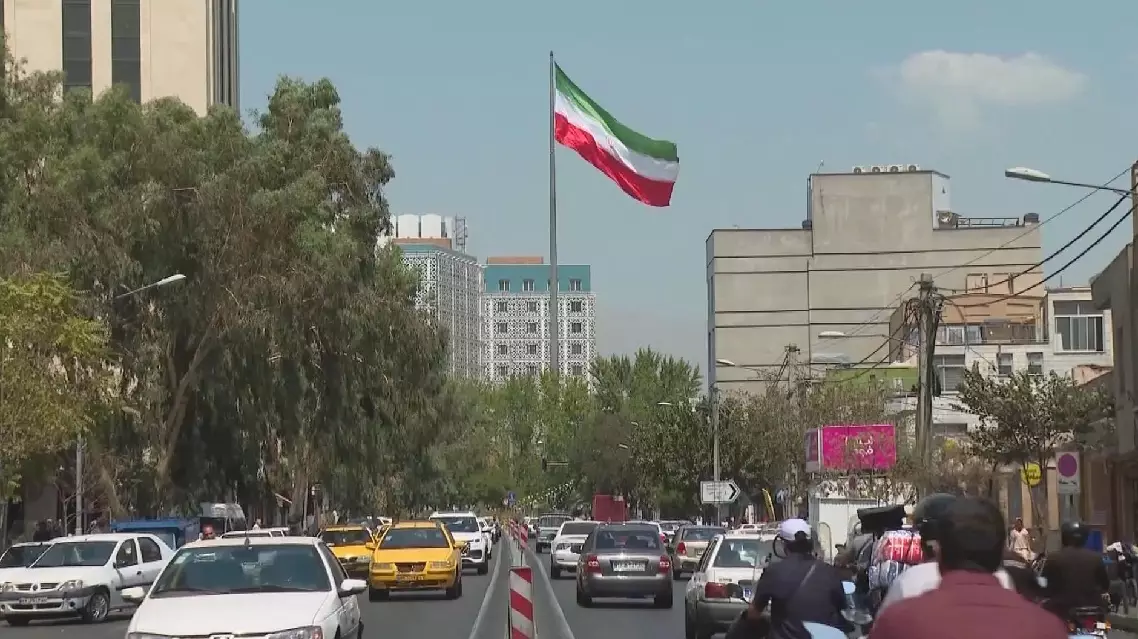
Iranian military official says U.S. recent attacks all fail