The Russian attack on the headquarters of the Security Service of Ukraine (SSU) is a "major escalation that demands resolute responses", Ukrainian Foreign Minister Andrii Sybiha said Friday.
"Moscow launched this strike during a renewed push for peace -- laying bare its true rejection of diplomacy," Sybiha wrote on X.
He called on Ukraine's partners to condemn the attack and step up pressure on Russia.
Earlier on Friday, Ukrainian President Volodymyr Zelensky said that a Russian drone struck the SSU building in central Kiev, aiming "directly" at the office of SSU deputy director Oleksandr Poklad.
Zelensky stated in his post on X that Ukraine will deliver a "tangible response" that "mirrors this strike".
There was no immediate response from the Russian side to the Ukrainian claims.

Ukraine calls Russian attack on security service headquarters "major escalation"
U.S. President Donald Trump's threat of tariff hikes on cars imported from Canada will severely impact Japanese automakers, which hold a significant share of the Canadian automotive market, according to a Japanese economist.
On August 24, Trump announced that tariffs on cars, automotive parts and steel imports from Canada will be increased to 50 percent, effective January 1, 2027.
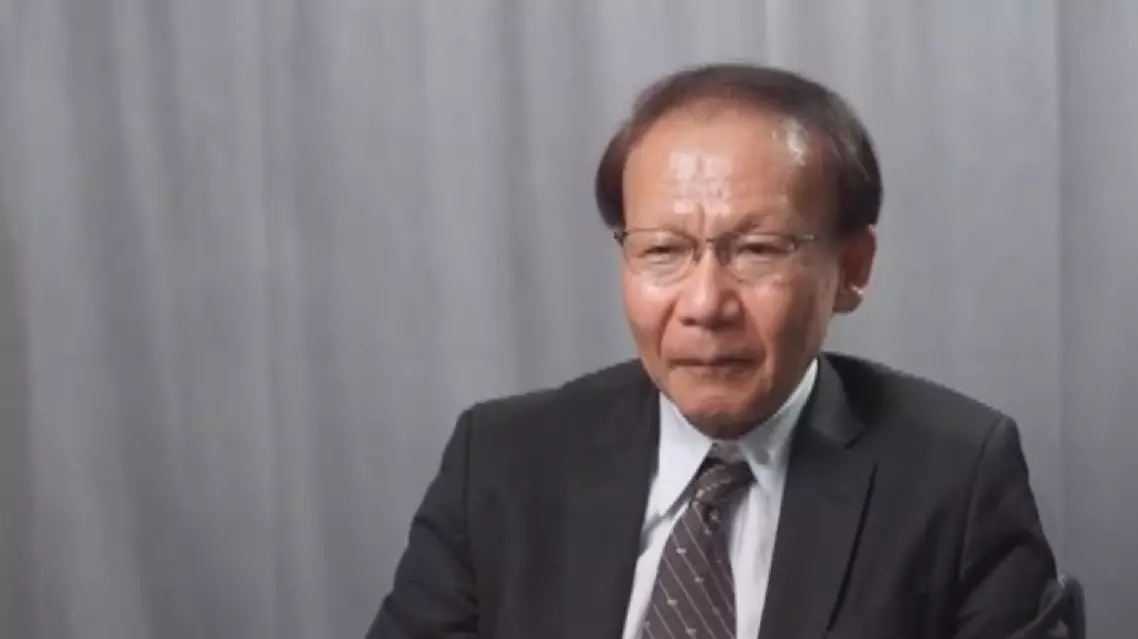
"To some extent, it can be said that Japanese automakers have already captured a considerable portion of Canada's automotive industry. These automakers aim to export to the vast U.S. market, and the United States-Mexico-Canada Agreement (USMCA) is the prerequisite for this model. The agreement stipulates that cars produced in Canada and Mexico can be exported to the United States duty-free or with significantly reduced tariffs. Now that this agreement may become invalid, it could deal a nearly fatal blow to Japan's automotive industry," said Hidetoshi Tashiro, chief economist of Japan's Infinity LLC.
Tashiro also said that a growing number of Japanese companies are beginning to reconsider and adjust their supply chains and global strategies.
"The U.S. market is no longer the overwhelmingly dominant market it once was. Therefore, from an economic perspective, Japanese automakers are very likely to shift the focus of their global operations and global strategies from North America to East Asia, with China at its center," said Tashiro.
Trump's tariffs on Canadian cars to impact Japanese automakers: economist