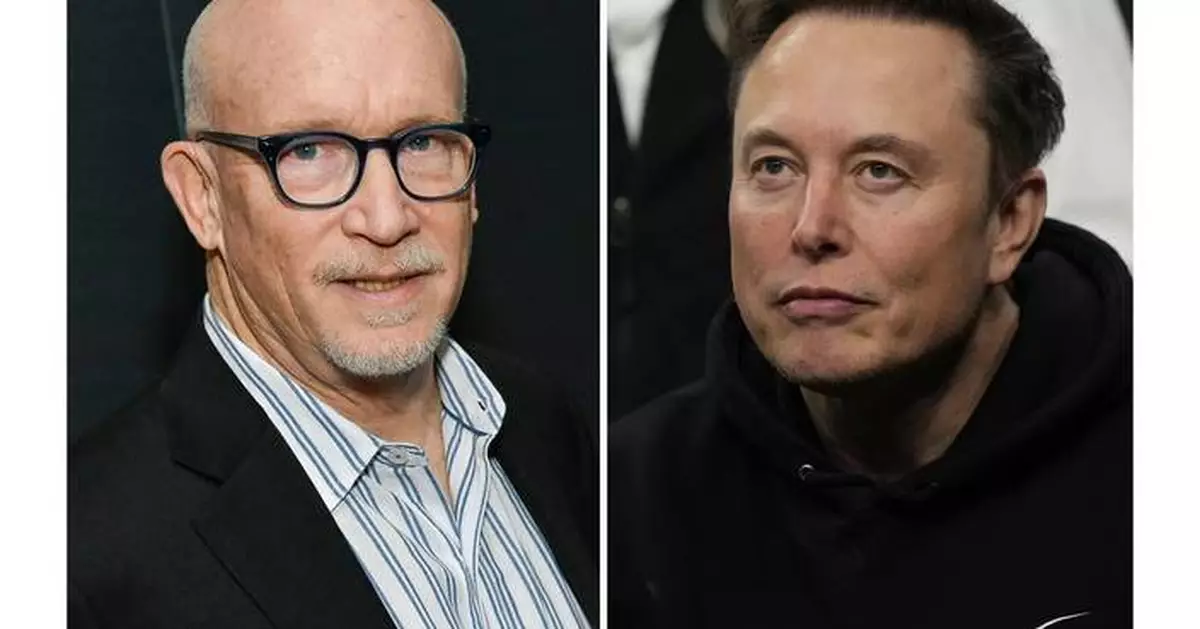
VENICE, Italy (AP) — Alex Gibney has made films about powerful people, corporations and organizations before: Enron, Elizabeth Holmes, Scientology and the U.S. military’s abuses at Bagram and Abu Ghraib are just a few. And yet, he said, nothing compares to the scope of power held by his latest subject, Elon Musk.
With a nearly four-hour runtime, “Musk” is having its world premiere this week at the Venice Film Festival. It's one of the most hotly anticipated of the festival and the year — Bleecker Street is releasing it in theaters in October.
Gibney spoke to The Associated Press about upending the Musk myth, his revelations about his power and his support of President Donald Trump.
Remarks have been edited for clarity and brevity.
GIBNEY: A number of people came to me a few years ago, actually early 2023, and said, would you like to make a film about him? And I initially wasn’t sure, but a really good friend of mine convinced me that it was a good idea because it would be a portrait of kind of 21st century power. And so with that, I dug in.
GIBNEY: In some ways it’s a simple story (with) a lot of complicated details. I think the source of his power comes from, how should I put this, (expletive)? That is to say, his ability to speak with confidence about the future in ways that convince people to invest in his companies. It’s really a future that rarely is in sync with facts or evidence or any remote possibility. So that is really what I discovered. That and the fact I think his genius, if there is a genius, is that he is not an inventor, he’s an investor. His genius is stock pumping.
The other thing I discovered was that the reasons for turning toward Trump were both a break with the past, I mean, people look to the way that he was idolized by many people on the, you could call it the left, or people who regarded him as a kind of climate savior for what he was doing with Tesla. Many people wondered about that transition. I discovered two things. One is, in a way, it was a predictable transition because he goes where the federal government money is.
But the other reason is his companies were facing an enormous number of federal investigations. And indeed, Tesla was under criminal investigation. But out of that case, there was a good chance that under a (Kamala) Harris administration, he might go to prison. He joked about that on the Tucker Carlson show. I think those were two key motivators that I had initially underestimated. A lot of people clocked it to the woke mind virus. After doing some research, I didn’t see it that way.
GIBNEY: Nothing compares to this in terms of the scope of his power. What’s interesting about Musk is it’s not so much something that’s new as an old wine in a new bottle. And Musk, I think like some of the characters that I’ve followed in the past, is afflicted with what some people call noble cause corruption. That is to say, you begin to believe in a cause. And in Musk’s case, it was making us multiplanetary and also leading us into a more sustainable environmental world. And because you’re in line with those important, valuable, good causes, anything you do in the service of those causes is OK. And ultimately that leads you to corruption.
In a way, Musk is not dissimilar from the guys at Enron. He’s not dissimilar from Elizabeth Holmes in the way that he bent the truth to serve his impulses.
The one big difference with Musk is that he has companies (SpaceX and Tesla) which contain a great number of very qualified engineers and executive leaders.
GIBNEY: What is it that physicist Richard Feynman used to say? It’s good to have an open mind, but not so open that your brains fall out. There is always bias, but I’m always willing to have my assumptions challenged. I started off as a kind of an admirer and was honest in my desire to want to talk to him, but ultimately he didn’t want to talk to me. Then you start digging into the facts and you follow them where they lead. And where they led for me was to a place that upended the myth, I would say, of Elon Musk as a kind of modern Leonardo da Vinci.
GIBNEY: He didn’t really except in so far as the fact that people were terribly afraid to speak to me on the record, or at least on camera. They were just terrified of Elon. And these were people in his companies. These were people who knew him well. These were supporters and critics.
A lot of people close to him who were his admirers would say, “I can’t talk to you unless I get Elon’s permission.” I thought, wow, for such a big and powerful person, that seems awfully weak.
GIBNEY: This probably doesn’t share that much with the Melania documentary.
One of the things I would say about the film is it’s a dark and dangerous topic, but the film itself is a fun ride.
For ongoing coverage of the 2026 Venice Film Festival, visit: https://apnews.com/hub/venice-film-festival
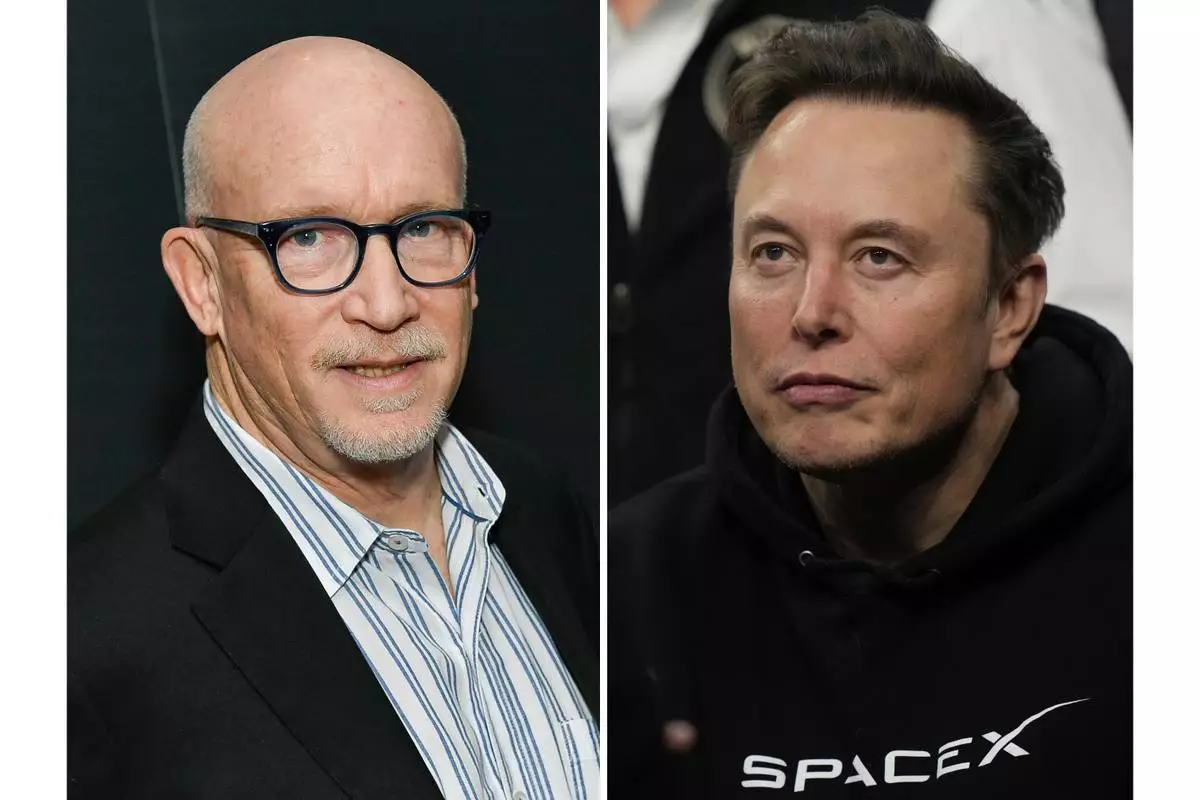
This combination of images show filmmaker Alex Gibney, left, and Elon Musk. (AP Photo)