Farm‑equipment makers and food‑safety technology firms are showcasing new tools at the Eighth China Grain Trading Conference in Changsha, central China, as extreme weather drives demand for innovations to safeguard harvests and grain supplies.
The conference, running from Sept 5 to 7, has drawn more than 3,100 companies displaying products and technologies across the grain supply chain, from farming and storage to processing and trade.
One new combine harvester on display features a 500-mm-wide tracked undercarriage intended to improve traction and reduce sinking in waterlogged, muddy fields. The machine also has upgraded threshing and grain-cleaning systems.
"Strong El Nino conditions this year generally carry over into the following year, and there could be heavier spells of rain during next autumn's harvest. When farmers need to bring crops in quickly, this machine's larger track contact area puts less pressure on the ground, so it sinks less and can move more easily through muddy fields," said Liu Qiao, an exhibitor.
Beyond the field, exhibitors are also deploying data tools to address food-safety risks in grain storage. One digital grain-quality testing platform can screen for aflatoxin and deoxynivalenol, a mycotoxin also known as vomitoxin.
"Our database holds nearly 10,000 TB, or about 10 petabytes, of data, equivalent to roughly 1.2 billion inspection images of individual grains. We can test key indicators, including aflatoxin and deoxynivalenol, to single-digit precision. This is about the safety of the staple foods on tables across China," said Zhou Dingkun, an exhibitor.
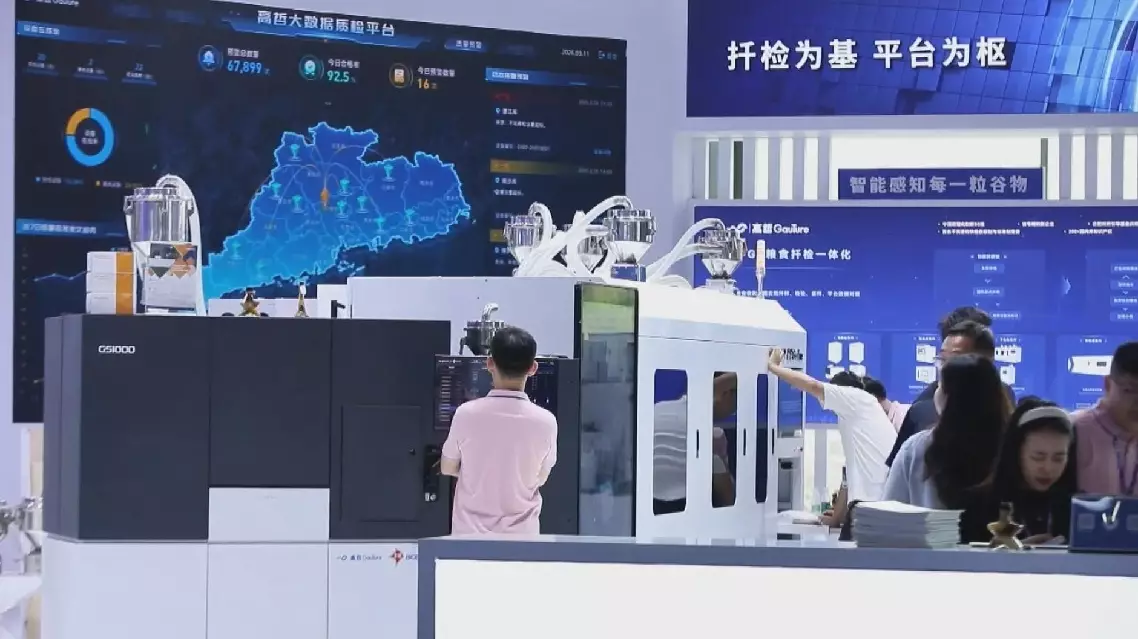
Grain trade fair in Changsha highlights upgrades for harvest, storage safety
Journalists must exercise caution when using artificial intelligence (AI) to ensure it strengthens rather than undermines the core values of their profession, a senior Malaysian media executive said Saturday at the Asia‑Pacific Media Forum in south China's Shenzhen.
Datin Paduka Nur‑ul Afida Kamaludin, chief executive officer of the Malaysian National News Agency Bernama, stressed that accuracy, balance, fairness,transparency and human accountability must remain at the heart of journalism.
The forum brought together more than 400 representatives from media, think tanks and government sectors across 42 countries and regions, as well as United Nations agencies and other international organizations.
While AI offers journalists an efficient tool, it also carries the risk of generating misinformation and deepfakes on an unprecedented scale, Nur‑ul Afida Kamaludin told the forum.
She later highlighted the same point in an interview with China Global Television Network (CGTN), stressing the need for caution in adopting the technology.
"AI is bringing very rapid transformation to the media world, and especially among us, the journalists, but at the same time, despite using it as a tool to ease the process of our daily work, I believe that the journalists should also be extra careful using AI in their work," she said.
Looking ahead to the 53rd anniversary of establishing diplomatic relations between China and Malaysia next year, Nur-ul Afida called on the media to play a greater role in strengthening people-to-people ties.
"From a media perspective, I believe we need to focus more on the people-to-people relations. We have to produce more stories on the ordinary people, because that is the human interest stories that will attract our readers, our audiences. Let's look forward for a better relationship among the people and between the government, as well as companies between China and Malaysia," she said.
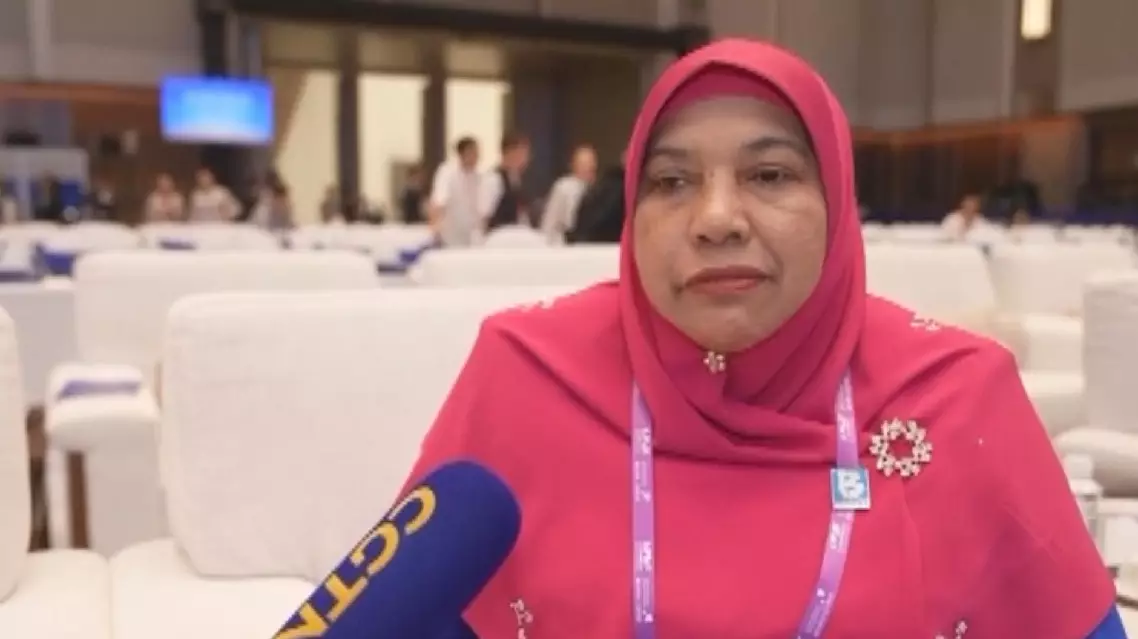
Malaysian National News Agency CEO calls for responsible AI use