The fifth batch of emergency aid supplies from China arrived at Tribhuvan International Airport in Kathmandu, the capital of Nepal, on Friday afternoon, aboard a Y-20 large transport aircraft of the Chinese Air Force.
The shipment includes diesel generators, medical protective masks, mortuary cabinets, DNA testing equipment and reagents, water rescue equipment and other items, which are expected to provide support for Nepal's follow-up operations in the country's mudslide-affected areas.
A fast-moving chain mudslide, triggered by a high-altitude glacier collapse in Nepal, struck the China-Nepal border on Aug. 26, causing heavy casualties and leaving many missing.
The death toll from the devastating mudslide in Nepal had climbed to 1,385 as of 11:00 local time on Friday, according to the latest figures from Nepal's National Disaster Risk Reduction and Management Authority.
Another 5,130 people are still unaccounted for, the data showed.
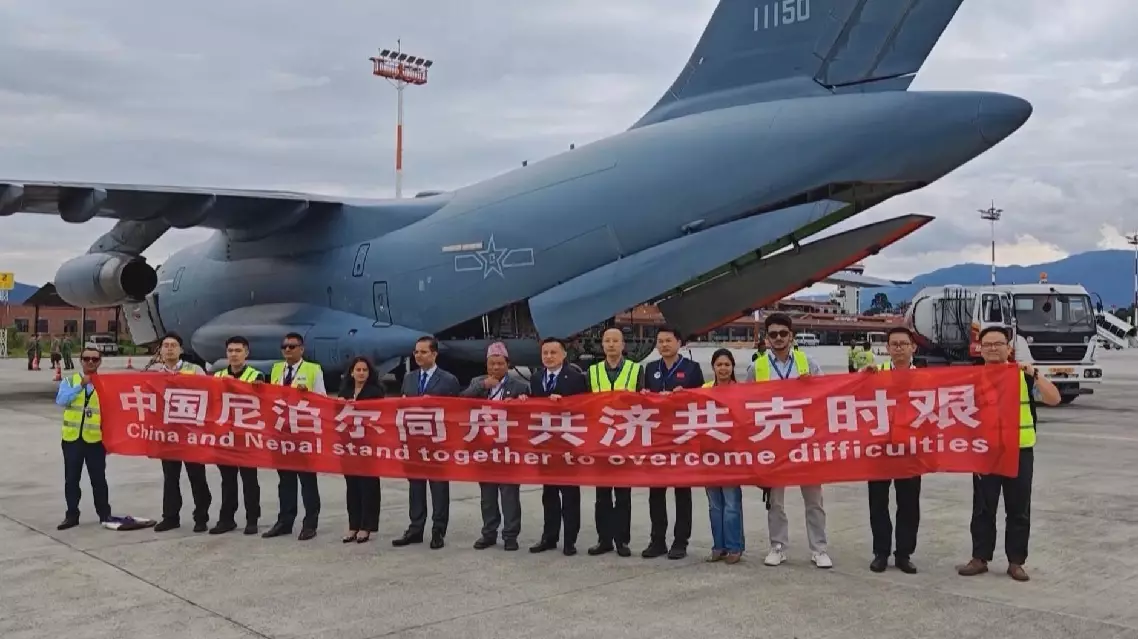
Fifth batch of China's emergency aid supplies arrives in Nepal after deadly mudslide
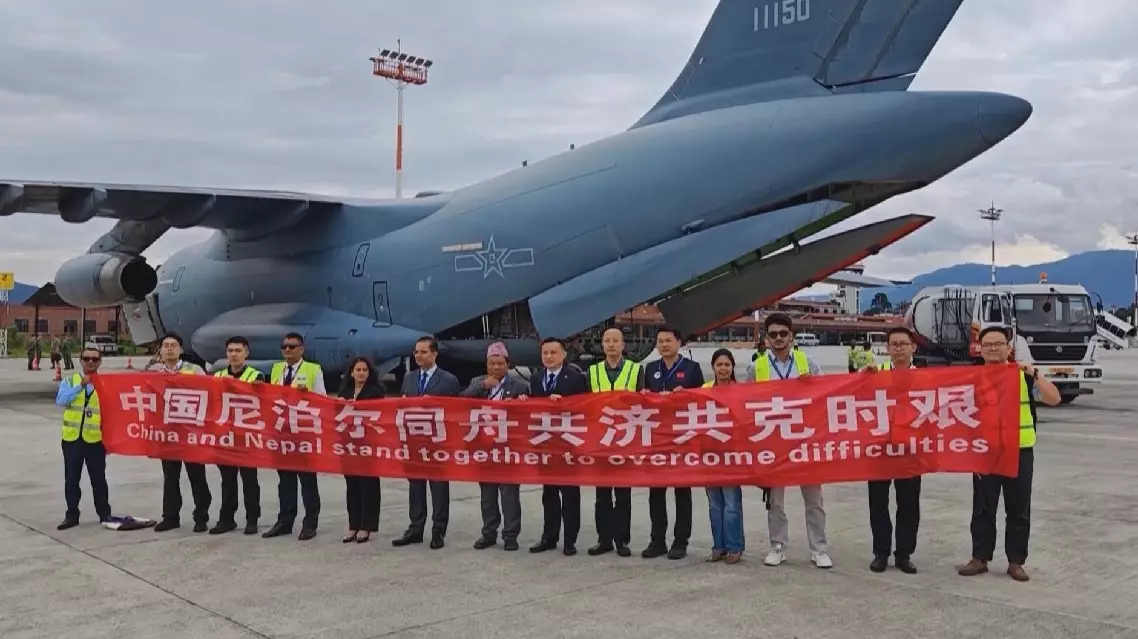
Fifth batch of China's emergency aid supplies arrives in Nepal after deadly mudslide
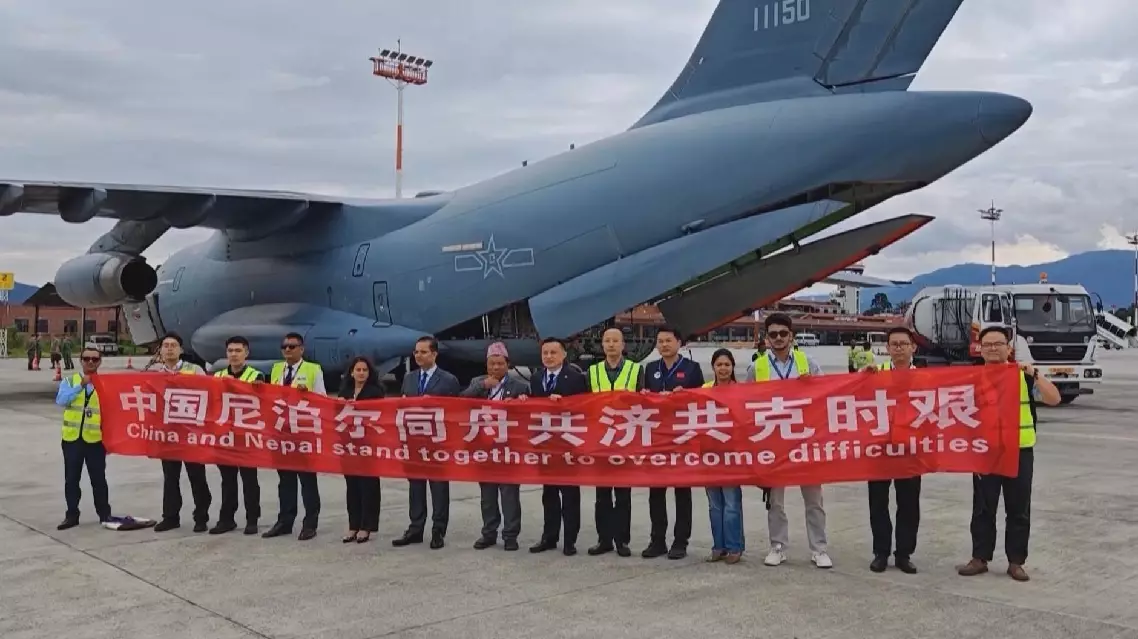
Fifth batch of China's emergency aid supplies arrives in Nepal after deadly mudslide
Russian political experts said the upcoming talks between Russia, the United States and Ukraine amount to technical consultations, with almost no room for negotiation on core issues, making major breakthroughs unlikely.
The trilateral talks on the Ukraine issue will be held in Abu Dhabi, the capital of the United Arab Emirates, from Tuesday to Wednesday. Security guarantees for the parties, confidence-building measures and humanitarian efforts are among the topics for discussion.
"These are consultations, not negotiations. Discussions are underway on important, but in principle, technical questions. That is, they will not talk about territories, they will not talk about the nature of the regime, they will not talk about Ukraine's internal rules regarding language and Russian culture," said Dmitry Trenin, chairman of the Russian International Affairs Council.
"In my view, the Ukrainian side is not independent. The shadow of the European Union is always looming there. And in current conditions, the Europeans, by and large, do not want to make concessions to Russia," said Andrey Sidorov, associate professor at the History Department of Moscow State University.
Russian President Vladimir Putin set out Moscow's position at a meeting with the Foreign Ministry leadership in June 2024, saying Russia would declare a ceasefire and begin talks as soon as Ukrainian forces withdraw from the Donetsk, Luhansk, Zaporizhzhia and Kherson regions and Kiev announces it will not join NATO.
"When our president articulated these demands, a corresponding caveat was made - that if you do not meet us halfway now, our positions may harden according to the real situation on the ground. And Ukraine and the West are letting the time slip away," said Andrey Koshkin, head of the Department of Political Analysis and Socio-Psychological Processes at Plekhanov Russian University of Economics.
Ahead of the Abu Dhabi talks, a humanitarian operation was carried out in the city of Oleshky in the Kherson region in southern Ukraine, evacuating hundreds of civilians to safe locations.
According to Russian presidential press secretary Dmitry Peskov, Russia prioritizes achieving its goals by peaceful means. On Friday, Putin also invited members of the Russian negotiation team to a meeting with Federal Security Council members to discuss the upcoming trilateral talks.
"It can be said with certainty that we will definitely not compromise on territories. But for everything else -- the size of the Ukrainian army, the security zone, security guarantees for Ukraine from the West, they can be discussed," said Konstantin Blokhin, a leading researcher at the Center for Security Studies at the Russian Academy of Sciences.
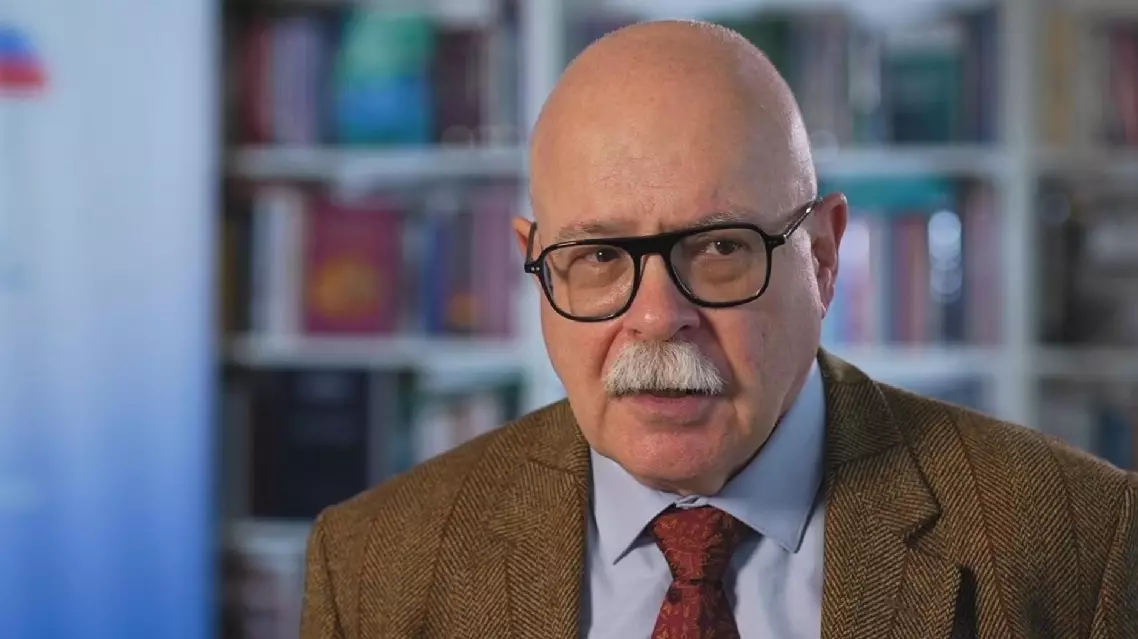
Russian experts expect little breakthrough from Russia-U.S.-Ukraine talks in Abu Dhabi