More than 1,300 Nepalese, including businesspeople, have chosen to stay in disaster-hit Gyirong Town in southwest China's Xizang Autonomous Region after devastating mudslides and floods struck the China-Nepal border, hoping to rebuild their lives and businesses.
The massive mudslide, which was triggered by a high-altitude glacier collapse in neighboring Nepal, hit the Gyirong Port on Aug. 26, killing at least 43 and leaving 519 missing in the county, as search and rescue operations continue.
Saga Tsering Tamang, who runs a gift shop and a restaurant with his family, recalled the moment he learned about the disaster and tried to reach his family back home.
"When I suddenly hear that news, I frequently try to contact my home people, and I said to them that China government has helped us with food, medicals, and all the management is good here. You should not worry about us, but you should take care of you and your family. Migration post police, and they report us, and they talk to us with 'If you have any problem, you can come here and told us, and if you want to go back to Nepal, we will took you to Nepal,' and this very thankful to China government," he said.
Rajendra Ghatani, who runs his family's silver bowl business, said Gyirong has become more than just a place to work for him.
"I'm very comfortable in this town. I feel safe here. I feel almost good here," he said.
Ghatani said the Nepalese living in Gyirong see the town as their anchor and a base from which to pursue their dream of expanding their businesses into other major cities.
Tamang also pointed to Gyirong's proximity to Nepal and the relatively low cost of doing business there.
"For Nepalese people of Rasuwa here [enjoy] free tax, with the low investment. We can get back to my hometown at two hours. I think this is the best opportunity for us," said Tamang.
For centuries, Gyirong Port has been a hub of trade and friendship between China and Nepal. The disaster hit their businesses hard, yet these resilient Nepalese have chosen to stay, because this is still their land of dreams.
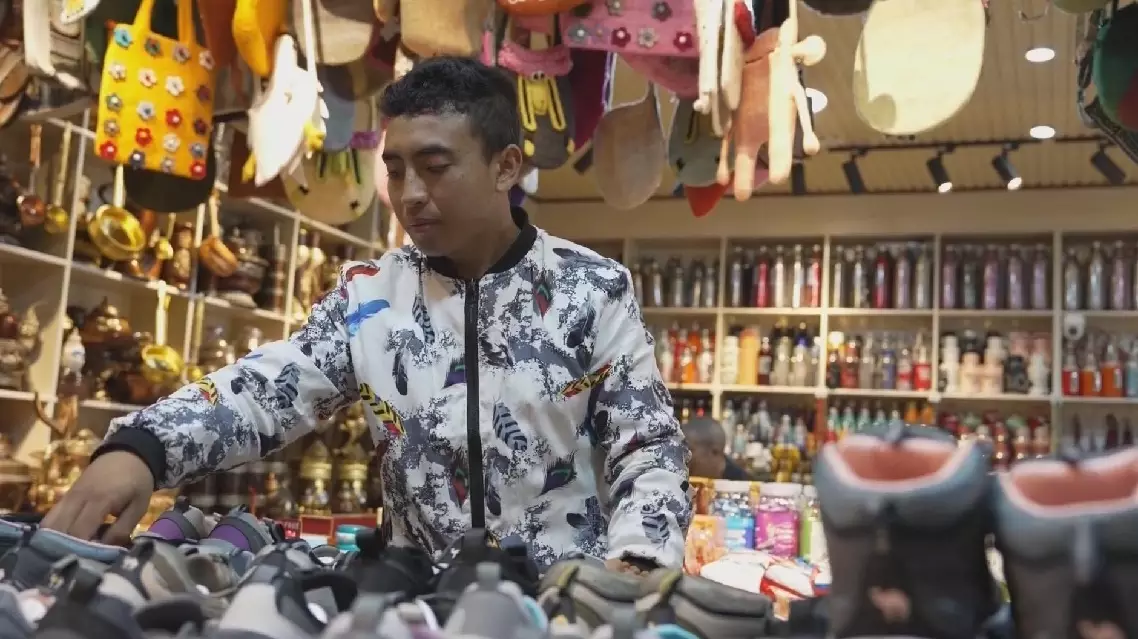
Nepali merchants choose to stay in Gyirong to rebuild lives after mudslide
India, heavily reliant on China for electronic components, is seeking to strengthen its own manufacturing capacity by adopting technologies from its largest trading partner as the BRICS summit opens with trade cooperation high on the agenda.
As the BRICS summit gets underway, boosting trade within the bloc is a key focus. This year, China has become India's largest trading partner, with electronics making up a significant share of that trade.
Pramod Yadav, director of AD Net, has been selling cables, mobile and laptop accessories, and monitoring cameras in New Delhi's Nehru Place, where for decades Indians have come to buy, repair and upgrade their technology, for more than 20 years.
He has witnessed a shift from loose, unbranded imports brought in through grey channels to finished products and components supplied directly by major manufacturing hubs in China.
While India's electronics manufacturing sector is seeing increased investment and ambition, significant gaps remain to be addressed.
"We need to focus more on things like molding machines and components, such as ICs (integrated circuits) and chips, right here in India. We should learn from China -- observing how they manufacture these products and understanding their technology, so that we can then advance this sector in India," said Yadav.
India imports more than 10 billion U.S. dollar worth of electronic components from China each year, spanning key categories such as displays, batteries, PCBs and camera modules.
China also remains India's largest source of integrated circuits, with imports rising nearly 64 percent year on year.
India's own semiconductor mission is racing to close that gap. But observers say a faster way to strengthen manufacturing in the long run would be to ease restrictions on the transfer of machinery and technical know-how.
"I think what it should be that we should allow the machinery and technology come in without any duty and any customs problems. So rather than people importing those products, they can manufacture here. It will create employment. Let technology import freely and rather encourage it," said Mohammed Saqib, president of India-China Economic and Cultural Council.
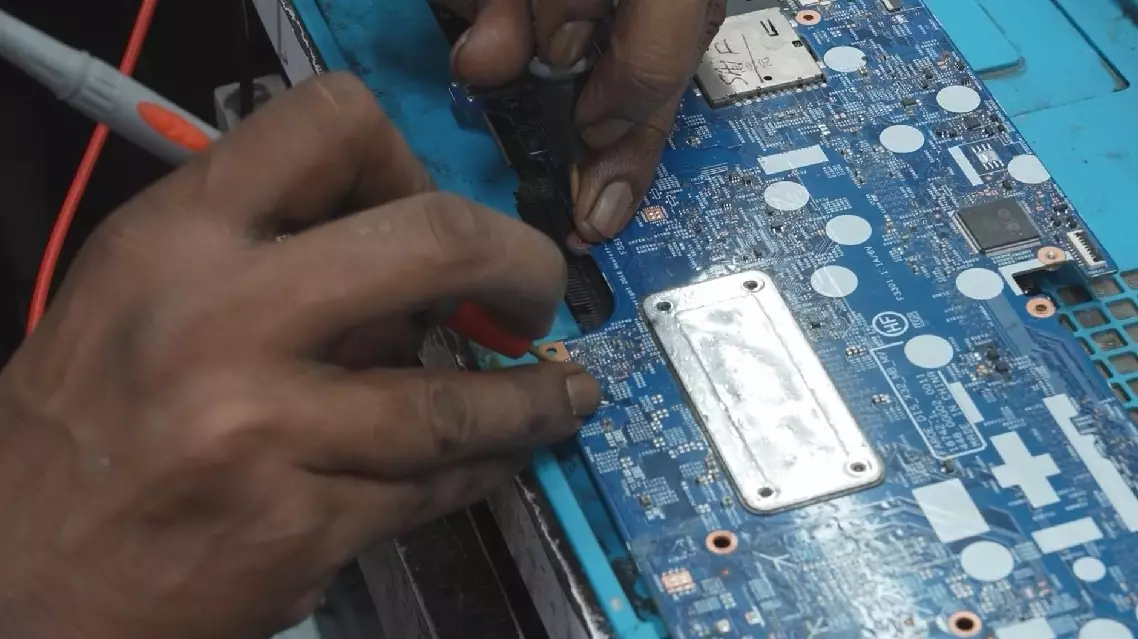
India seeks China technology skills to strengthen electronics manufacturing