Indonesia's National Search and Rescue Agency said Monday that a passenger ship which capsized in the Java Sea remains afloat in an upside-down position, as rescue operations continue for the 129 people still missing.
The passenger ship, Virgo Transport 8, was carrying about 240 people when it lost contact at around 02:00 local time on Sunday after encountering bad weather, according to the search and rescue agency.
The vessel departed from Surabaya in East Java province on Saturday and was heading to Banjarmasin in South Kalimantan province.
As of early Monday, six people have been confirmed dead and 129 remain unaccounted for, the agency said.
Multiple ships, aircraft and helicopters have been deployed for the rescue operation. Navy divers, special frogman units and maritime drones have also been mobilized to focus on locating the missing.
Indonesia, an archipelagic country of around 17,000 islands, relies heavily on ferries and other maritime transport to connect its regions and facilitate travel. Maritime accidents occur periodically due to weather and sea conditions, as well as vessel safety issues.

Rescue efforts intensify as capsized Indonesian passenger ship remains afloat upside down with 129 missing
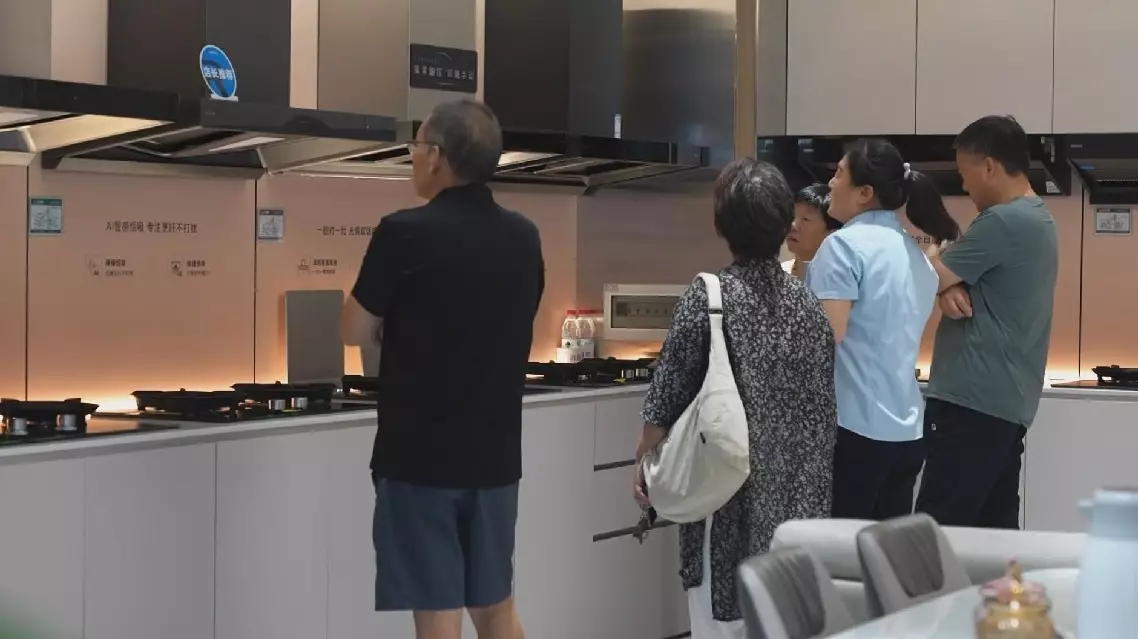
China's Ministry of Commerce, together with the National Development and Reform Commission and six other departments, released an action plan on Monday to promote smart home consumption, aiming to meet the growing demand for upgraded lifestyles.
The plan outlines measures in seven areas, including expanding high-quality smart home supply, improving industry standards, developing elderly-friendly smart homes, streamlining the service chain for recycling used household goods, and enhancing community services, and strengthening fiscal and financial support.
Specific measures include promoting elderly-friendly products such as home service robots, health monitoring devices, and smart care equipment, and enriching the supply of smart home products and home renovation services for seniors. Local authorities are encouraged to set their own subsidy categories and standards for smart home products and to support whole-home smart upgrades.
The plan also encourages manufacturers to strengthen research and development, calls for cultivating large, reputable home renovation companies and platforms offering customized, diverse renovation packages, and promotes made-to-order and appointment-based services. It calls for accelerating the formulation and implementation of national standards for smart home interoperability, guiding financial institutions to increase loan support for smart home purchases, and encouraging consumers to buy related products.
Smart homes have developed rapidly in recent years, with rising market penetration driven by faster technological upgrading and growing demand for a better quality of life.
The Ministry of Commerce said it will work with relevant departments to implement the measures and bring more smart home products into households, so as to better meet people's needs for a better life.
China unveils action plan to boost smart home consumption