Skip to Content Facebook Feature Image

Xi charts course for high-quality development of greater BRICS cooperation: Chinese FM

China

Xi charts course for high-quality development of greater BRICS cooperation: Chinese FM
China

China

Xi charts course for high-quality development of greater BRICS cooperation: Chinese FM

2026-09-14 19:48 Last Updated At:22:07

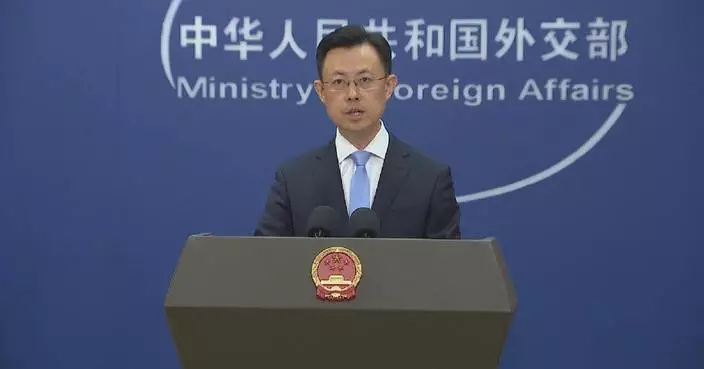
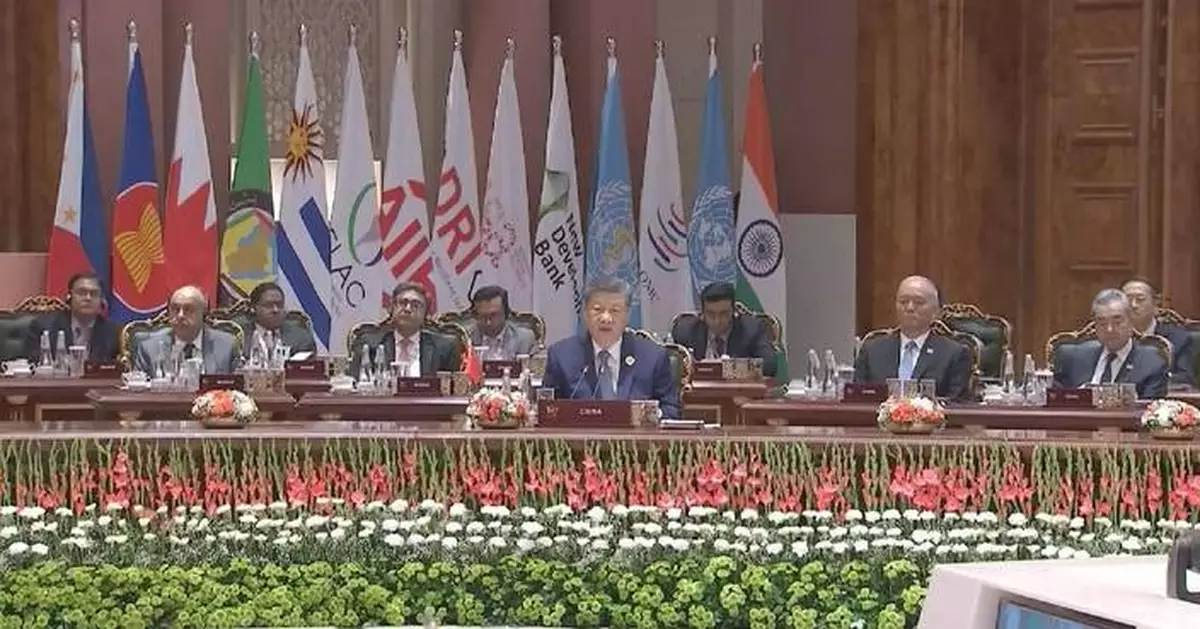
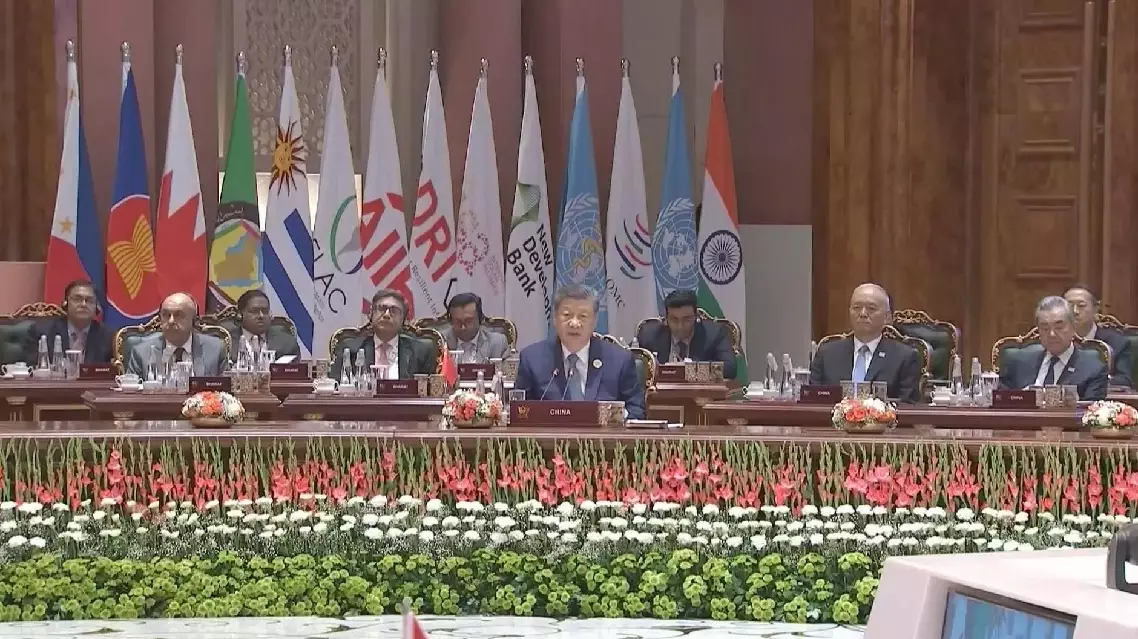
Chinese President Xi Jinping's attendance at the BRICS summit in India is of strategic significance for steering the high-quality development for greater BRICS cooperation, Chinese Foreign Minister Wang Yi said Sunday.

The South Asian trip also promoted strength through unity among Global South countries, Wang said.

Wang, also a member of the Political Bureau of the Communist Party of China Central Committee, made the remarks while briefing reporters on Xi's visit to India to attend the 18th BRICS Summit on Saturday and Sunday.

First, Xi's visit injected fresh impetus into BRICS cooperation. The Chinese president summed up the development of BRICS over the past two decades with three key phrases: self-reliance and self-strengthening, standing together through wind and rain, and fruitful outcomes, Wang said.

Standing at a new historical starting point, Xi called on BRICS countries to be pioneers in advancing innovation-driven development, upholding peace and stability, facilitating mutual learning between civilizations, and reforming and improving global governance, Wang said.

In 2027, the BRICS will usher in its fourth "China Year". Xi announced that China will take this opportunity to work with all parties to build consensus, open up prospects for the future, and embark on the third golden decade of BRICS cooperation, Wang said.

Second, Xi's visit empowered the Global South, Wang said.

Xi put forward four important proposals to strengthen the Global South: jointly defending the rule of law in international affairs and ensuring that international law and international rules are applied to all; holding high the banner of multilateralism and upholding the authority and role of the United Nations; staying committed to a people-centered development philosophy and striving to deliver on the 2030 Agenda for Sustainable Development; and jointly advancing security governance and tackling both traditional and nontraditional security threats, Wang said.

Focusing on the new round of scientific and technological revolution and industrial transformation, Xi proposed initiatives including the BRICS initiative of AI-empowered new industrialization, the open source and inclusive AI initiative, the digital industry cooperation initiative, and the intelligent manufacturing cooperation initiative, Wang said.

Third, Xi's visit guided China-India relations, Wang said.

Xi and Indian Prime Minister Narendra Modi conducted a candid and in-depth exchange of views on strategic, long-term and directional issues concerning China-India relations, Wang said, noting that the most important consensus they reached was that China and India should be partners.

The Chinese president said China and India can draw on each other's strengths, support one another, help each other succeed and pursue common development, Wang said.

The leaders of the two countries agreed to jointly maintain peace and tranquility in border areas, while the two countries will support each other as rotating chair of the BRICS, Wang said.
Xi charts course for high-quality development of greater BRICS cooperation: Chinese FM
Xi charts course for high-quality development of greater BRICS cooperation: Chinese FM

Xi charts course for high-quality development of greater BRICS cooperation: Chinese FM
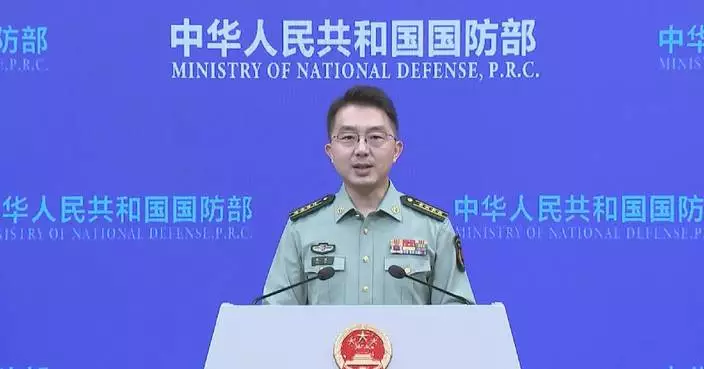
Xi charts course for high-quality development of greater BRICS cooperation: Chinese FM
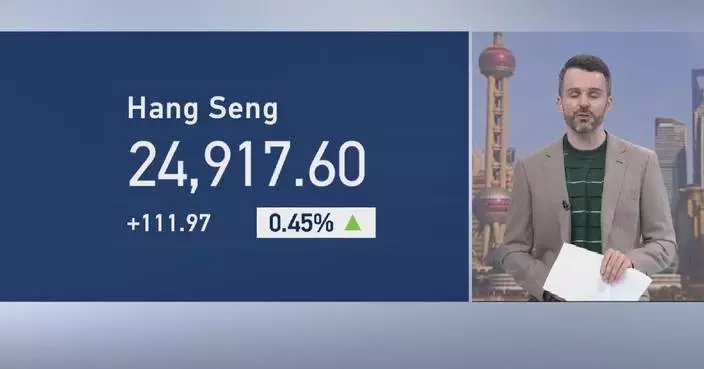
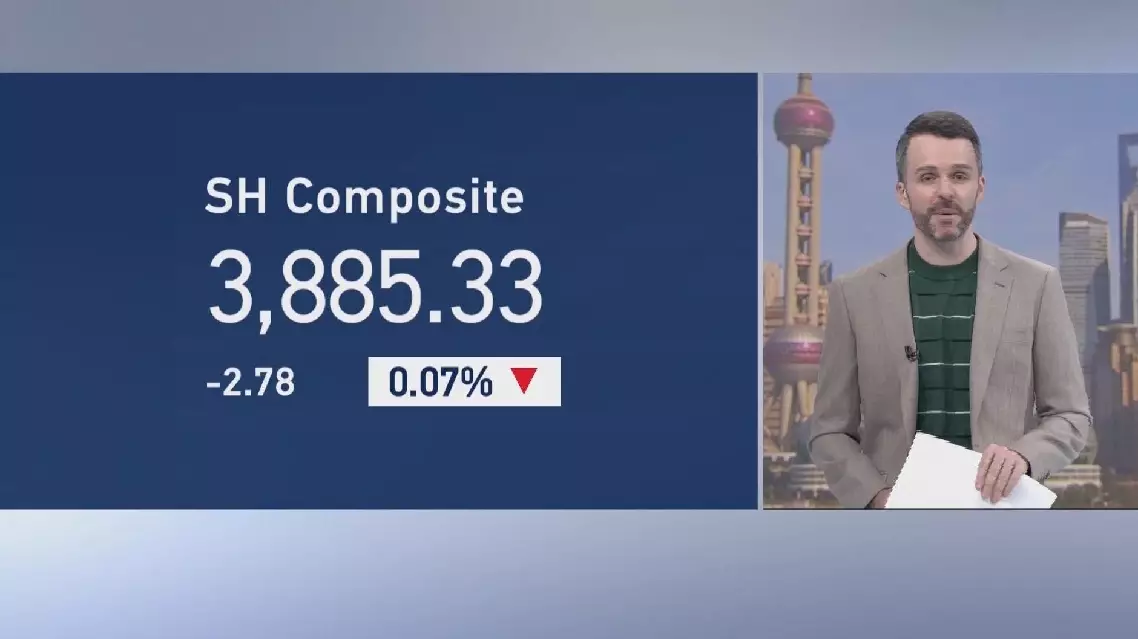
China's benchmark Shanghai Composite Index closed almost flat on Monday amid a wide sell-off of artificial intelligence-related stocks triggered by calls from top executives of major U.S. AI developers to slow the pace of AI development, according to Timothy Pope, an analyst for China Global Television Network (CGTN).

The Shanghai Composite Index dropped 0.07 percent to 3,885.33 points on Monday, while the Shenzhen Component Index closed 0.64 percent lower at 13,384.57 points.

The ChiNext Index, tracking China's Nasdaq-style board of growth enterprises, lost 1.10 percent to close at 3,285.58 points Monday. The STAR Composite Index, which reflects the performance of stocks on China's sci-tech innovation board, closed 0.35 percent lower at 1,811.23 points.

Pope noted that despite the overall resilience of major indexes, AI hardware stocks were among the biggest losers on the day.

"The Chinese mainland markets proved pretty resilient today actually as global AI stocks wobbled. We saw oil prices jump and interest-rate hike bets rising as well. The Shanghai Composite Index ended the session pretty much flat, while the Shenzhen Component [Index] lost a little more than half of 1 percent. AI stocks around the world sank today after the Anthropic CEO Dario Amodei published an essay calling for a slowdown in the development of frontier AI models. That was also backed up by OpenAI boss Sam Altman and some other industry leaders as well. But critically for Chinese companies, Amodei also called for tighter restrictions on exports of advanced AI chips and semiconductor equipment to China. We saw AI shares on the A-share have been caught in a bit of a rotation cycle already lately, with investors switching in and out pretty aggressively from these AI hardware stocks. So that added some extra momentum to today's move out of that sector. They were falling and were one of the weaker sectors today," said Pope.

The analyst said stocks of listed big state-own banks saw an injection of capitals from investors amid AI sell-off.

"Investors took some shelter in financial stocks. The big state-owned banks were once again helping to support the Shanghai index and investors were also waiting for the latest bank-lending data, although that wasn't released before the close of the markets today. There was also a small rebalance in the STAR 50 today. A handful of new companies joined the high-tech index, but that didn't fundamentally change things for the pressured tech sector," he said.

Pope highlighted that Chinese investors will witness a slew of data release in the rest of the week, helping them to have a more comprehensive grasp of the status of the country's domestic demand.

"For the week ahead in China, it's going to be very data-heavy. Tomorrow we have a big data dump including fixed-asset investment, property data, retail sales and industrial production and that's really going to give the market some clues about the state of domestic demand after those very strong trade figures that we saw last week," he said.

Chinese stocks resilient as calls for AI slowdown trigger sell-off: analyst

Chinese stocks resilient as calls for AI slowdown trigger sell-off: analyst

Recommended Articles