The Beijing Xiangshan Forum's openness and non-alignment are helping bring representatives with opposing views together for dialogue, a French expert said on Wednesday.
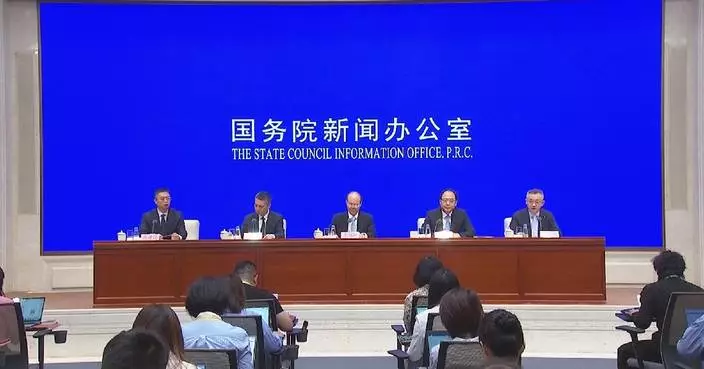
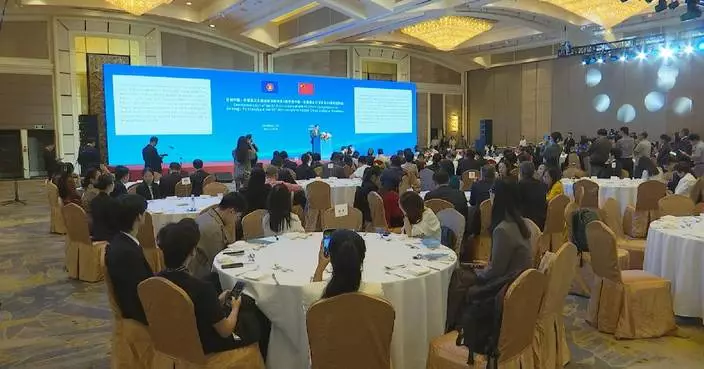
The forum, now in its 13th edition, opened on Wednesday in Beijing, bringing together official representatives, scholars, experts, and observers from more than 100 countries, regions, and international organizations.
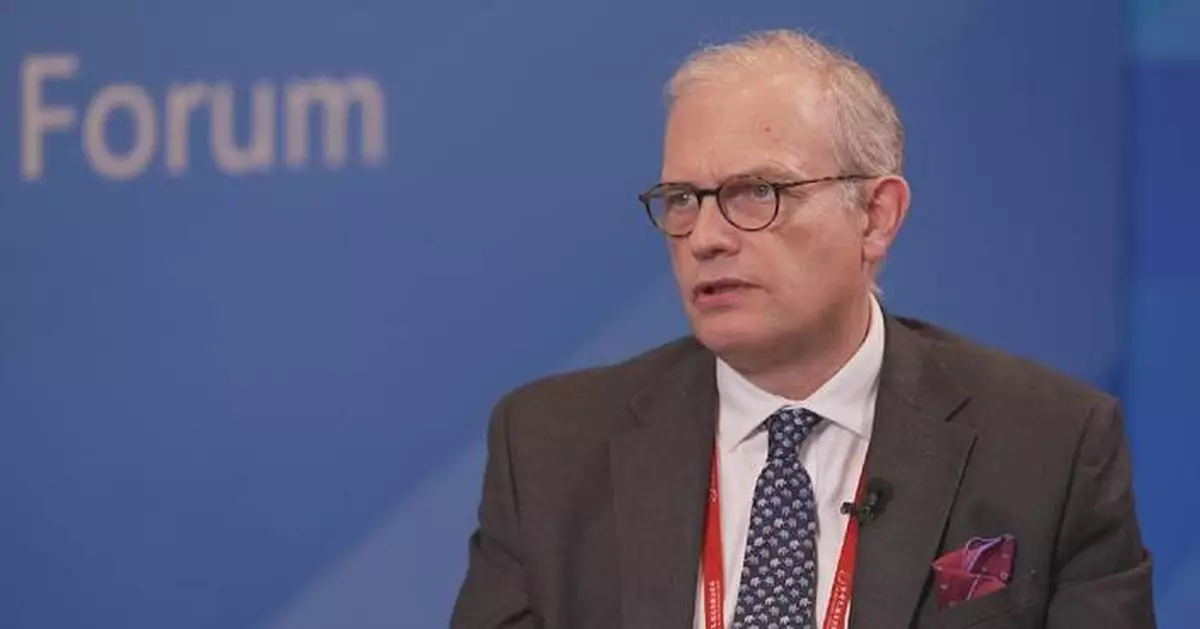
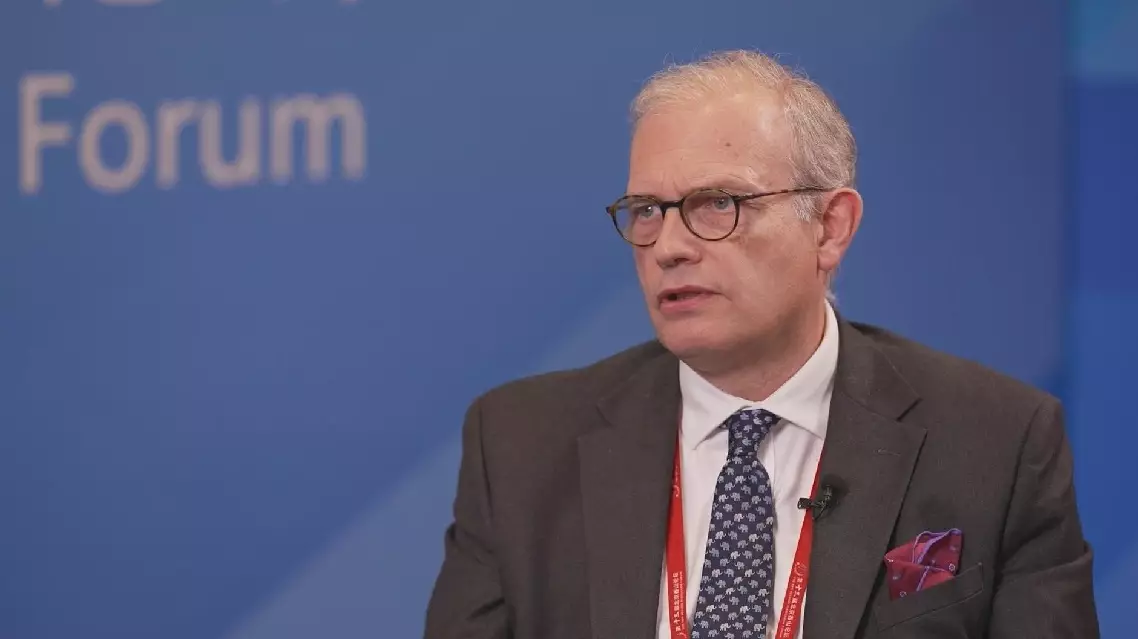
In an interview during the forum, French scholar Jean Christophe Iseux von Pfetten, chairman of the Royal Institute for East-West Strategic Studies in Britain and a frequent participant at the forum, said China's policy of maintaining friendly relations with all countries and not taking sides in conflicts was key to the forum's appeal.
"I think it comes from two main reasons. One is Xiangshan Forum is situated in China and China is very open - it's friends to all the countries in the world, and also [does] not take side in conflict. That's the reason why officials are happy to come here and speak about very sensitive issues. The second reason I think is because this conference, specifically Xiangshan Forum, [has] a competitive advantage against other forums dealing with security, such as Shangri-La or the Munich Conference in Gearmany, where people from the West are likely to come. If you do not have anybody from Russia or if you do not have anybody from Iran, you cannot actually engage into a dialogue," he said.
The three-day event features four plenary sessions, eight parallel sessions and eight closed-door seminars, covering both traditional and unconventional security issues, such as strategic stability, regional hotspots, latest technologies and counter-terrorism operations.
The forum has developed into a platform for representatives from different countries to exchange views. Jean Christophe Iseux von Pfetten said the current session could also help address international and regional hotspots.
"We have a closed-door seminar where we have representatives from Lebanon, from Iran, from Israel and from the West, then probably we will not have breakthrough decision [or an] agreement, but we might have a dialogue which will allow to deflate further escalation. As you know, we have major escalation with the Houthis trying to sort of block the Gulf of Aden, which is another extra issue for the world, not only for the West, but also for China, because the major trade which is going through the Suez Canal needs to go through. This is concerned not only with oil flow, but the entire actually international trade, East-West. I am very confident that the future will be brighter because China is really taking all the right decisions to nurture multilateralism," he said.
Openness, non-alignment make Xiangshan Forum hub for dialogue: French expert
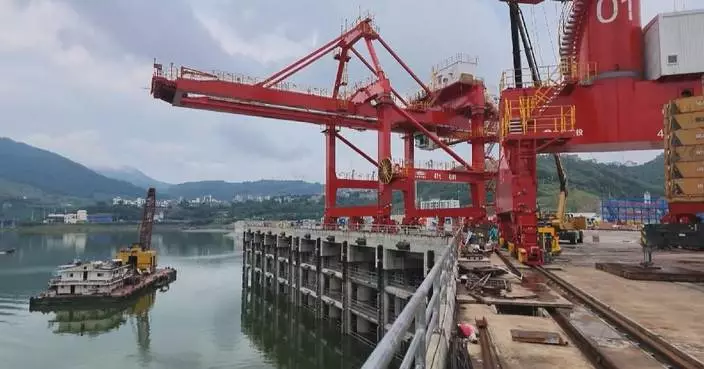
With the Pinglu Canal in the Guangxi Zhuang Autonomous Region officially open to shipping, Yangpu Port in south China's Hainan Province will fully leverage the policy and geographical advantages of the Hainan Free Trade Port (FTP) to accelerate its development into an international shipping hub, further connecting the New International Land-Sea Trade Corridor with global markets.
The canal stretches along the New International Land-Sea Trade Corridor, a strategic trade route connecting China's inland regions with ASEAN and other global markets. It is the first river-to-sea canal project planned and coordinated at the national level since the founding of the People's Republic of China in 1949.
Located in the northwest of the island province, Yangpu Port is the deep-water port closest to the main international shipping routes in the Beibu Gulf, and is also one of the maritime outlets of the New International Land-Sea Trade Corridor.
The opening of the Pinglu Canal to navigation has opened up a new sea-river intermodal transport corridor for goods entering and leaving the southwestern region, and has also brought new opportunities to some enterprises.
At a petrochemical enterprise in Danzhou City, robotic arms are bagging and packaging chemical products on a conveyor belt, and these goods will be shipped to southwest China's Guizhou Province and other places.
Most of this enterprise's customers in the Chinese mainland are concentrated in the southwestern Chinese provinces of Yunnan, Sichuan and Guizhou. At present, the enterprise is adjusting its future shipping plans in response to the logistics changes brought by the opening of the Pinglu Canal to navigation.
"We plan to shift about 70 percent of our goods to this new sea-river intermodal transport corridor, and overall logistics costs are expected to drop by 30 to 40 percent. Next year we also plan to build another plant in Hainan, which will allow us to take advantage of the free trade port's policies, import raw materials from places like Indonesia, and after processing, sell the products to the southwestern region or re-export them. This is expected to add about 200,000 tons of production capacity," said Wei Jianqiang, head of Hainan Oxiranchem Co., Ltd.
Behind the enterprises' expansion of production and the busier flow of goods, there is also the upgraded service support made possible by the opening of the Pinglu Canal to navigation. In this regard, the relevant authorities have also made full preparations.
"After the Pinglu Canal opens to navigation, we will strengthen safeguard measures in areas such as facilitating the entry and exit of container ships on fixed routes, credit-based regulation, and cross-regional coordination," said Jiang Yufeng, head of the Xiaochantan Maritime Patrol and Law Enforcement Brigade, Yangpu Maritime Safety Administration.
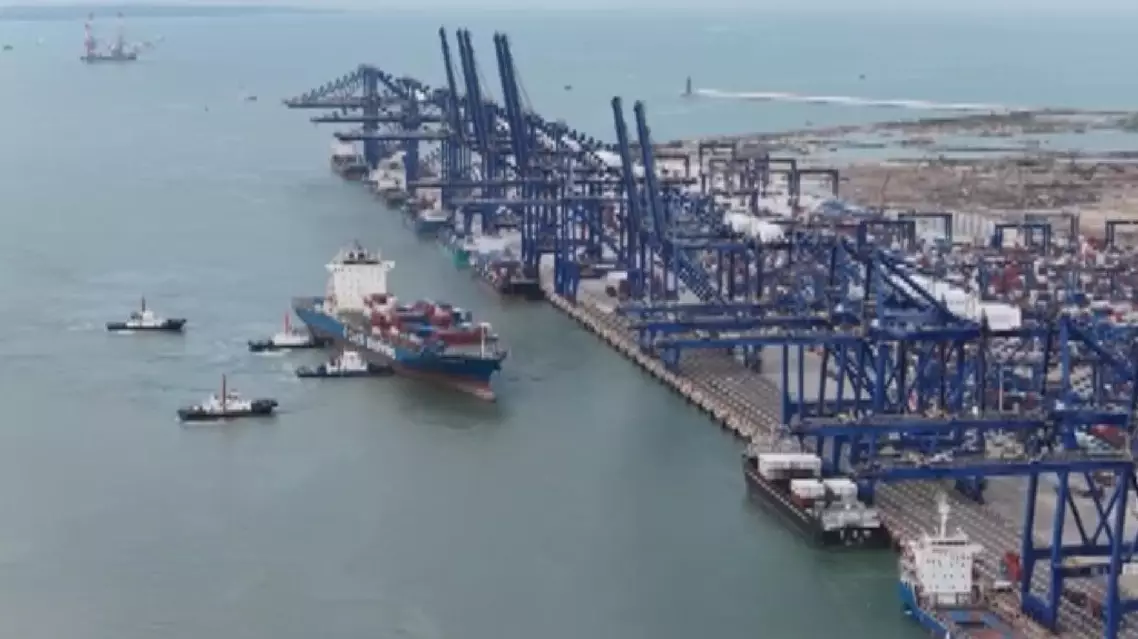
Pinglu Canal underscores growing role of Yangpu Port as int'l shipping hub