China's total tax revenue rose 5.9 percent year on year in the January-August period, supported by higher producer prices and brisker trading in domestic equities, the State Taxation Administration said.
The producer price index (PPI) rose a cumulative 2 percent over the eight-month period, lifting the nominal value of taxable activity and supporting faster growth in tax receipts.
Capital-market activity also helped drive the increase. Average daily turnover of A-shares -- yuan-denominated shares traded in Shanghai and Shenzhen -- reached 2.7 trillion yuan, or over 403 billion U.S. dollars, in the first eight months, up 72.8 percent from a year earlier.
Stamp duty on securities transactions rose 82 percent, while individual income tax on gains from transfers of restricted shares increased 59.7 percent.
Tax revenue from the securities industry climbed 65.6 percent. Receipts from the insurance industry and other financial industries rose 14.6 percent and 18.5 percent, respectively, while other sectors also benefited from higher corporate gains on equity investments.
The authorities also regulated certain tax incentives that they said no longer aligned with high-quality development goals or current economic conditions, adding to the tax revenue growth.
Tax payments remain concentrated among large companies, while small and micro-sized businesses benefit from a range of tax relief measures.
Small-scale value-added taxpayers with monthly sales of no more than 100,000 yuan, or about 15,000 U.S. dollars, are exempt from VAT. Qualifying small and low-profit enterprises face an effective corporate income tax rate of 5 percent.
The 10,000 largest taxpayers accounted for nearly half of total tax revenue in the first eight months, while the top 1 million contributed 90 percent. All other businesses, including small and micro-sized firms, accounted for about one-tenth of the total.
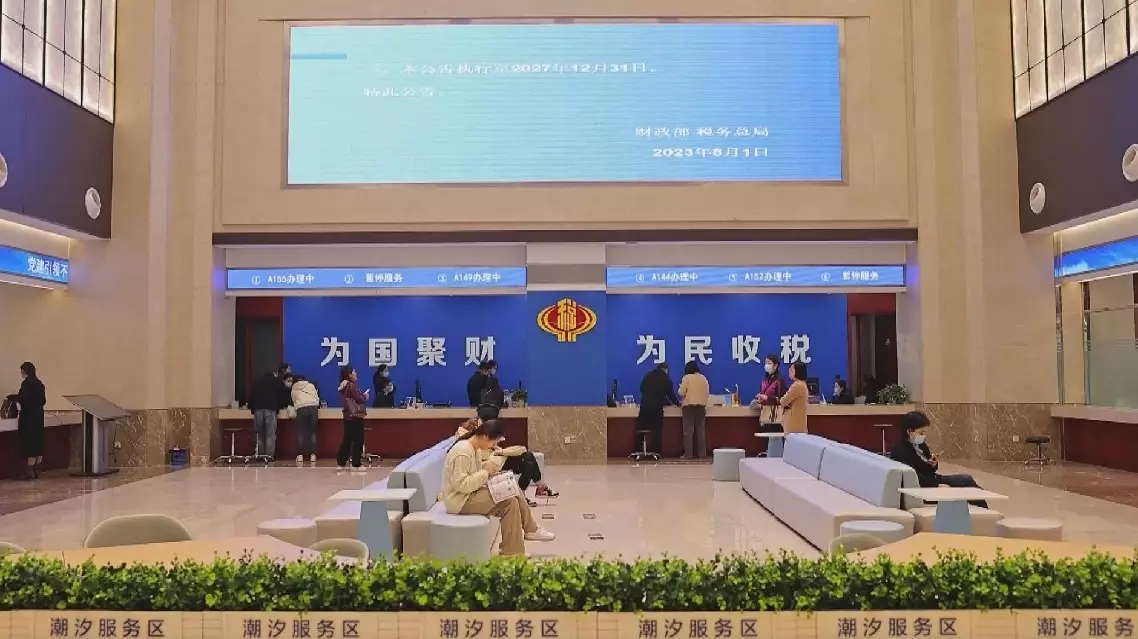
China's tax revenue up 5.9 pct in January-August period
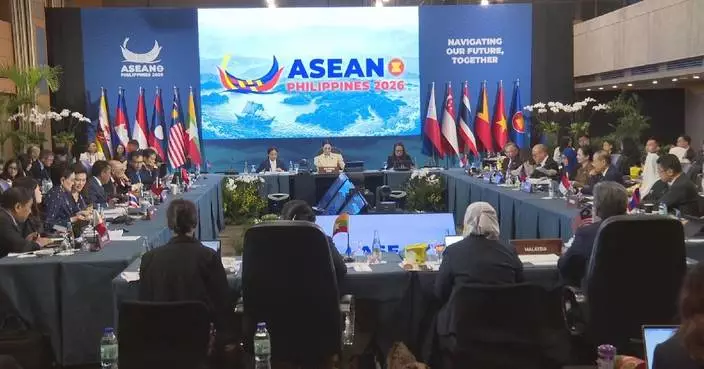
The ongoing China-ASEAN Expo serves as a bridge for China and the Association of Southeast Asian Nations (ASEAN) to boost trade flows, helping both sides reap shared development dividends.
Scheduled to run from Sept 17 to 21 in Nanning City of south China's Guangxi Zhuang Autonomous Region, the event draws more than 3,400 exhibitors from over 70 countries and regions.
This year, Timor-Leste is participating for the first time as a full ASEAN member and a co-host of the expo, with participants noting results have exceeded expectations, bolstered by China's vast market.
"I brought 60 packages of 250-gram coffee, which would be sold out in one day. Now I'm thinking that China market is open for everybody and it's very huge," said an exhibitor from Timor-Leste.
Participants also hailed the construction of China's Pinglu Canal, which officially opened to traffic on Wednesday.
The 134.2-km-long canal runs from Hengzhou, a county-level city in Guangxi, to the Beibu Gulf, the closest maritime outlet for much of southwest China.
The canal becomes a cost-competitive river-sea intermodal shortcut connecting ASEAN producers with the vast consumer market in southwest China, said the participants.
"In the past, shipments into the southwest China usually went by sea to Guangzhou and then overlands. Too many handover made it hard to keep products fresh. Losses were high and transit time was unreliable. Now that the canal is open, we can enter [the] Guangxi [Zhuang Autonomous Region] directly from the Beibu Gulf and move on to Yunnan, Guizhou and Sichuan restaurants, faster onto the supermarket shelves and tables in the southeast [part of China]," said an exhibitor from Vietnam.
With the formal signing of the China-ASEAN Free Trade Area (FTA) 3.0 Upgrade Protocol in Oct 2025, bilateral cooperation has expanded beyond economic and trade areas to emerging fields such as the digital economy and the green economy.
"I am looking for an investor to develop agriculture and integrated tourism with us in Malaysia," said an exhibitor from Malaysia.
Economic ties between China and ASEAN have continued to deepen. Bilateral trade topped 1 trillion U.S. dollars for the first time in 2025, totaling 1.05 trillion dollars, up 7.4 percent year on year. In the first seven months of 2026, trade between the two sides reached 744.41 billion dollars, an increase of 24.7 percent year on year and accounting for 21.8 percent of China's total foreign trade.
China has remained ASEAN's largest trading partner for 17 consecutive years, while ASEAN has been China's largest trading partner for six successive years.
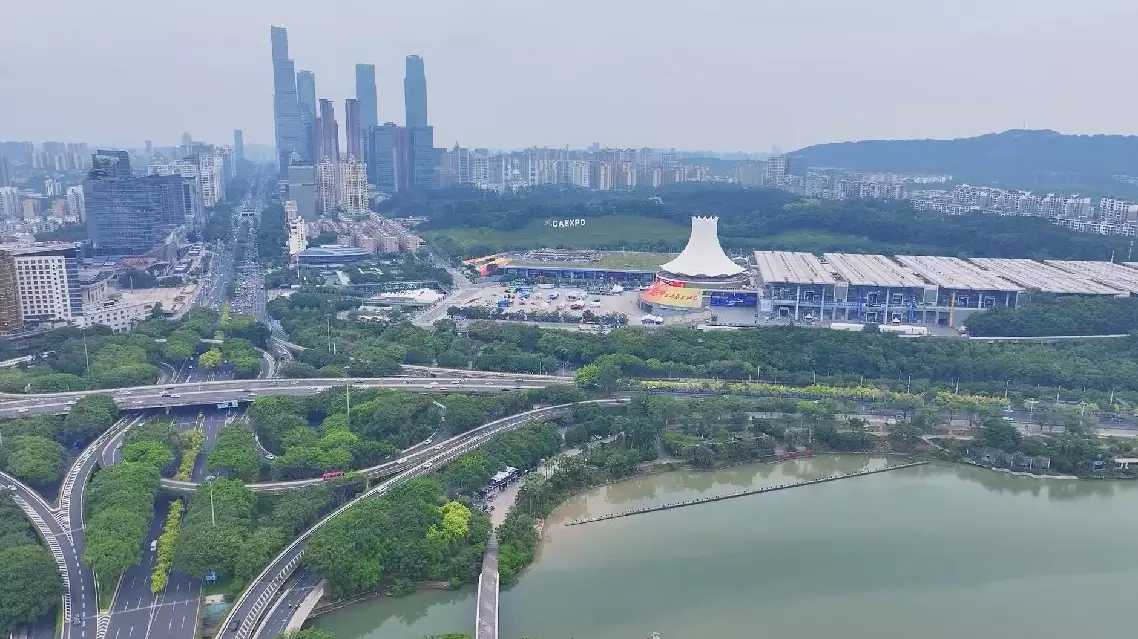
China-ASEAN Expo boosts bilateral cooperation, delivers shared dividends