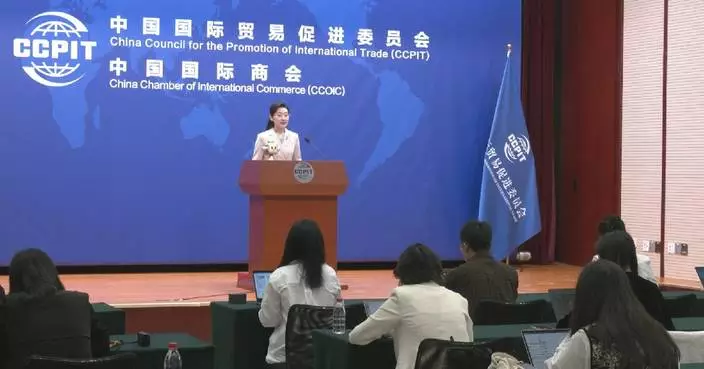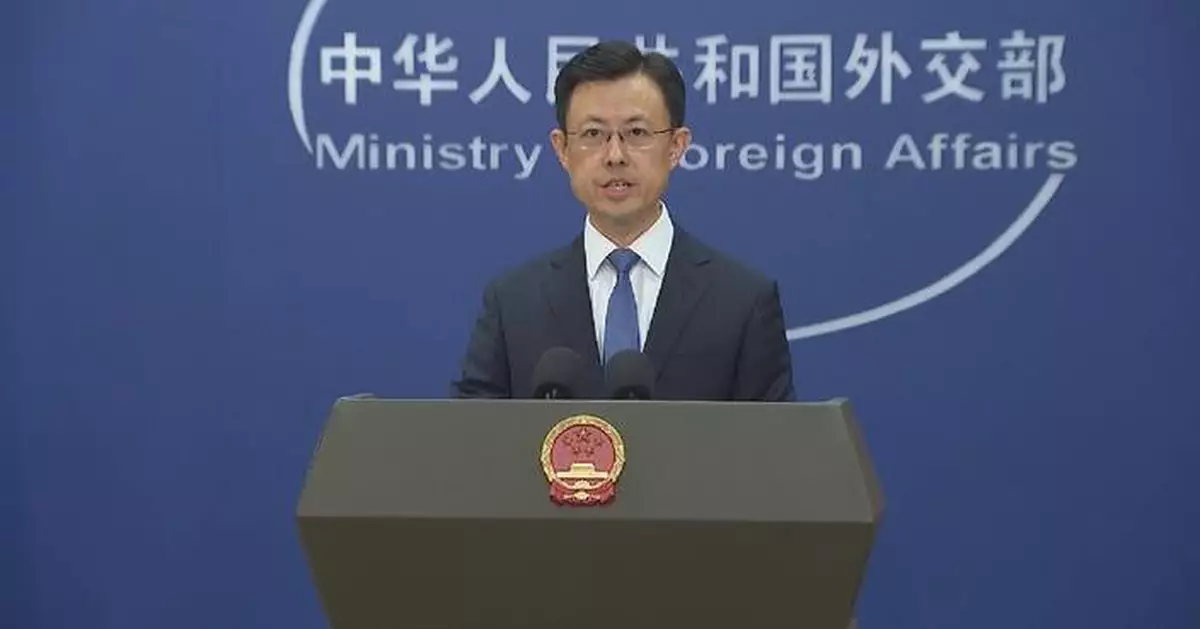
Only by genuinely upholding the spirit of the four political documents between China and Japan can bilateral relations stay on track and avoid derailment, Chinese Foreign Ministry spokesman Guo Jiakun said on Tuesday, the day marking the 54th anniversary of the establishment of diplomatic relations between the two countries.
At a regular press briefing, when asked about difficulties facing China-Japan relations, Guo recalled that 54 years ago, the older generation of Chinese and Japanese leaders, with extraordinary political vision and courage, signed and issued the China-Japan Joint Statement, which marked the normalization of relations between the two countries.
"In the joint statement, Japan explicitly noted that it is 'keenly conscious of' and 'deeply reproaches itself' over its responsibility for war and that it 'recognizes the Government of the People's Republic of China as the sole legal Government of China.' The statement also notes that the Government of Japan 'fully understands and respects' the position of the Chinese government that Taiwan is an inalienable part of the territory of the People's Republic of China. The four political documents between China and Japan, including the joint statement, laid the political and legal foundation for China-Japan relations, and established the rules for properly settling major issues of principle, including history and Taiwan. There should be no distortion or regression, still less sabotage, regarding these principles," Guo continued.
Today, more than half a century later, China-Japan relations once again face a severe situation. Guo said the root cause is that the political foundation of the bilateral relationship has been gravely undermined.
The incumbent leader of Japan not only refuses to reflect on the history of aggression, but also claims that a contingency in Taiwan will constitute a 'survival threatening' situation for Japan. This is a blatant challenge to China's state sovereignty and against the aspiration demonstrated by the normalization of China-Japan relations and the political commitments Japan made to China. Japan keeps peddling the so-called 'external threat' narrative, using it as a pretext to speed up remilitarization. The move poses challenge to the postwar international order and threatens regional peace and stability," Guo said.
History has repeatedly shown that only by staying true to the spirit of the four political documents can China and Japan keep the relationship on the right course, Guo said.
On this day of historic significance, we once again urge those running the government of Japan to seriously reflect on and correct their wrongdoings, and take real actions to return to the purpose and mission of the four political documents," Guo said.
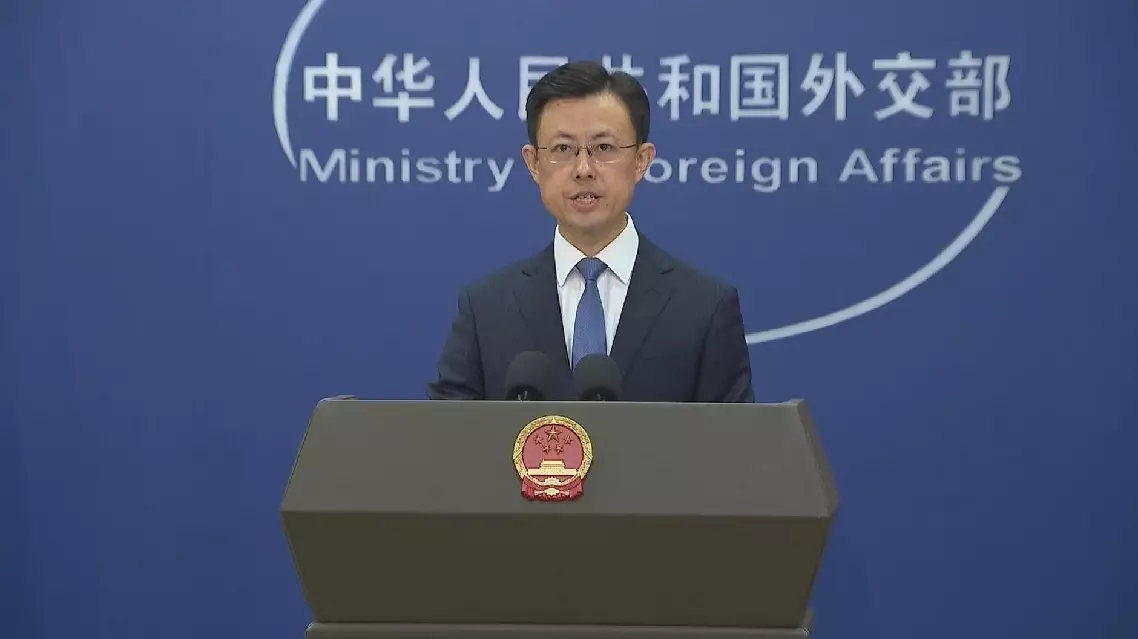
China urges Japan to uphold political documents to keep ties on track: spokesman
China urges Japan to uphold political documents to keep ties on track: spokesman