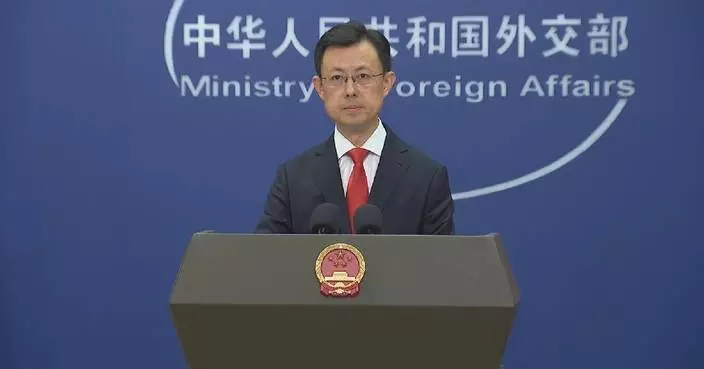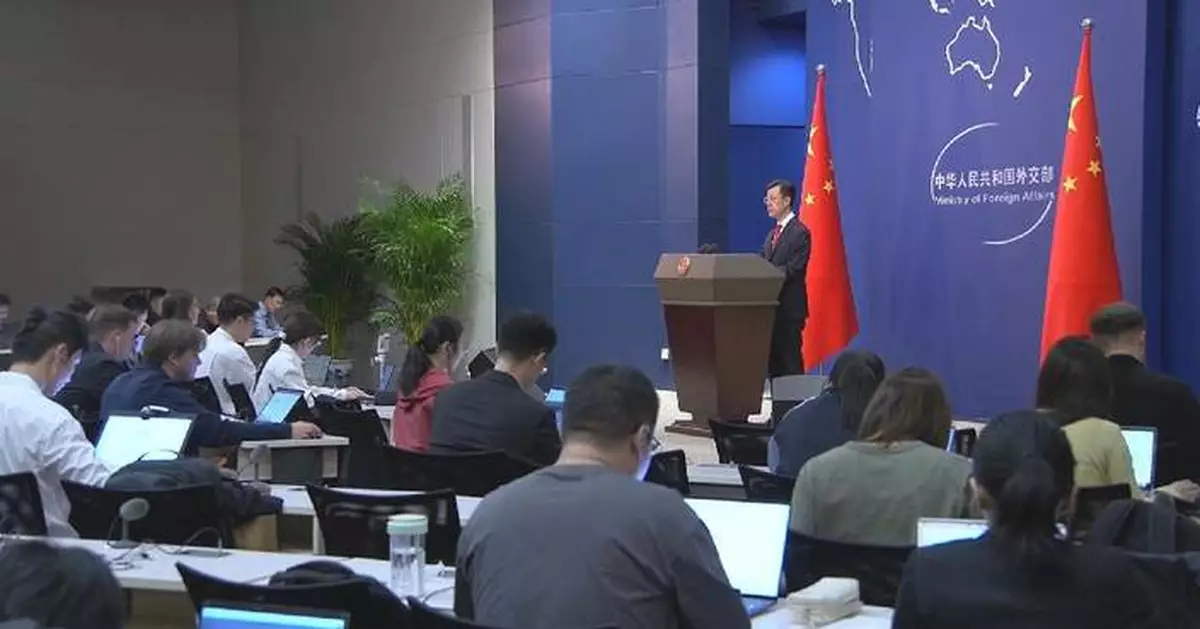
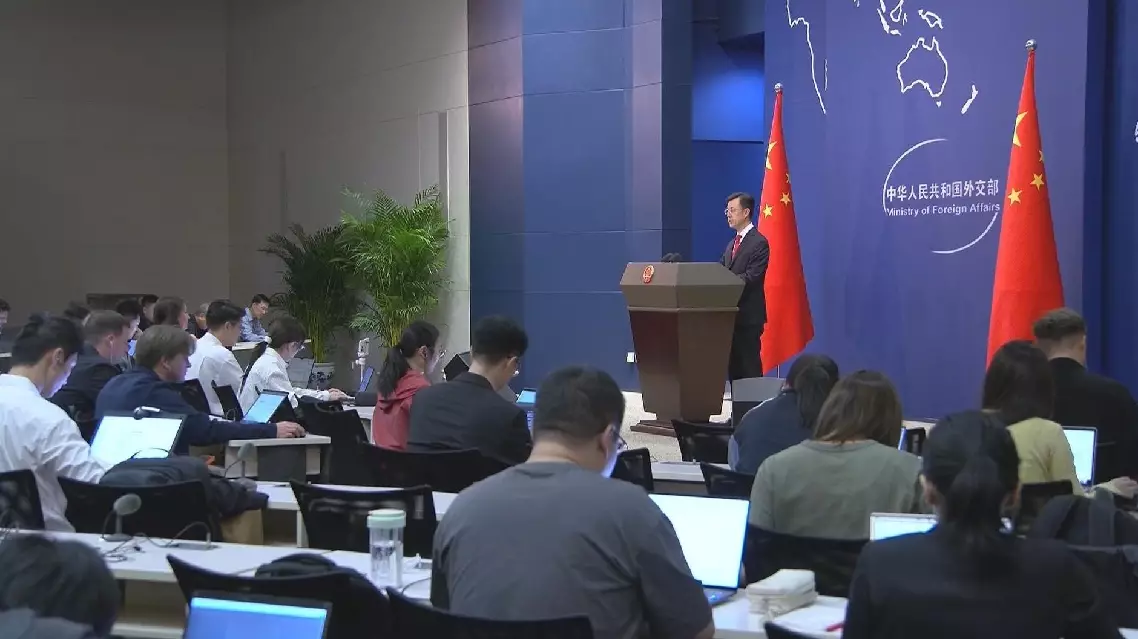
The international community should urge Japan to adhere to its Three Non-Nuclear Principles of not possessing, not producing, and not permitting the introduction of nuclear weapons into its territory, a Chinese Foreign Ministry spokesman said on Wednesday at a regular press briefing.
The spokesman, Guo Jiakun, responded to recent comments by Japanese Defense Minister Shinjiro Koizumi, who suggested a "taboo-free" discussion on the country acquiring nuclear weapons and nuclear submarines without any predetermined conclusions.
"First of all, the possession of nuclear weapons is not a matter of whether the Japanese side wishes to discuss it. As a non-nuclear-weapon state party to the Treaty on the Non-Proliferation of Nuclear Weapons (NPT), it is Japan's inescapable obligation under international law not to receive, manufacture, possess, or proliferate nuclear weapons, leaving no room for negotiation. [Japanese Prime Minister] Sanae Takaichi reaffirmed Japan's adherence to the Three Non-Nuclear Principles in February this year, and the Japanese representatives attending the NPT Review Conference in May repeatedly confirmed that Japan would not change its stance on the Three Non-Nuclear Principles. These words are still ringing in our ears," said Guo.
"The current head of Japan's defense department made the outrageous remark about 'discussing nuclear weapons and nuclear submarines without taboos', which constitutes a grave provocation and a blatant trampling of the NPT and the post-war international order. It seriously deviates from the Three Non-Nuclear Principles that Japan claims to uphold, and once again exposes the nuclear ambitions of Japan's right-wing forces. In recent years, Japan has continuously accelerated its remilitarization process, plotting to abandon the Three Non-Nuclear Principles, strengthening the so-called 'extended deterrence' arrangements, seeking the deployment of nuclear weapons on its territory, and attempting to achieve a gradual relaxation of nuclear restrictions, thereby constantly challenging the bottom line of the international community," he said.
Noting that this year marks the 80th anniversary of the opening of the Tokyo Trials, Guo said that history has not, and never will, forget the profound disasters inflicted by Japanese militarism upon the people of Asia and the world at large.
"Japanese right-wing forces continue to challenge the post-war international order and the international nuclear non-proliferation system, going further down the wrong path. The international community should urge Japan to adhere to its Three Non-Nuclear Principles, scrupulously fulfill its obligations under the NPT, and completely abandon its remilitarization and nuclear ambitions to earnestly address the grave concerns of the international community," said the spokesman.
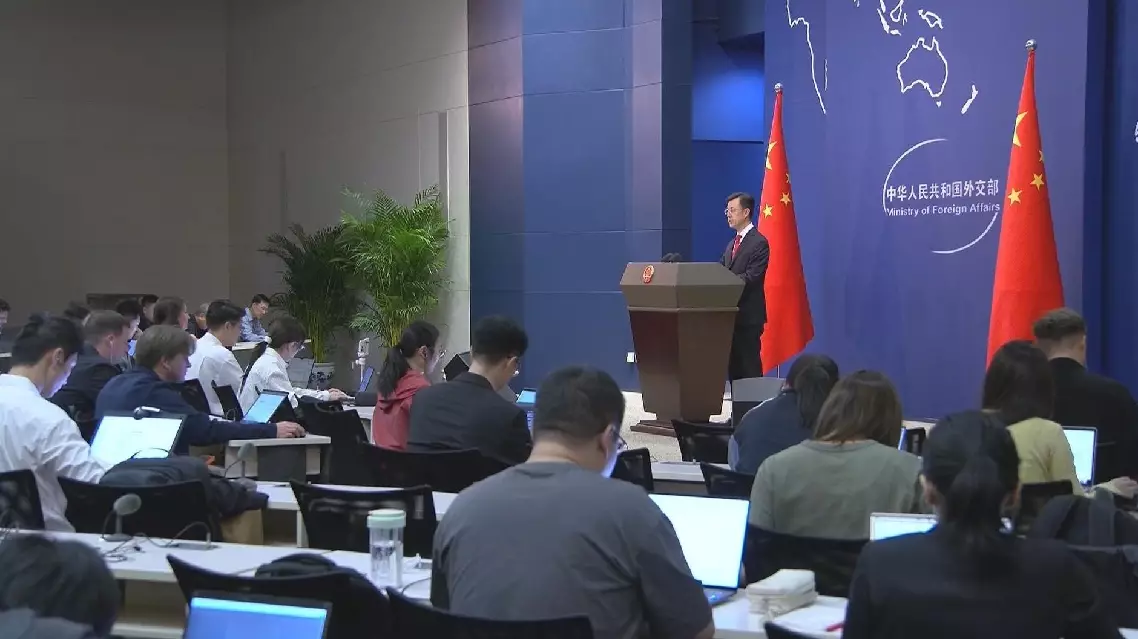
Int'l community should urge Japan to uphold its Three Non-Nuclear Principles: spokesman
Int'l community should urge Japan to uphold its Three Non-Nuclear Principles: spokesman